Traverse City, Michigan Has the Best Cherries in America and One of the Fastest-Growing Wine Regions in the Midwest
We may earn money or products from the companies mentioned in this post. This means if you click on the link and purchase the item, I will receive a small commission at no extra cost to you ... you're just helping re-supply our family's travel fund.
Traverse City, Michigan sits at the base of the Grand Traverse Bay in the northwestern Lower Peninsula, surrounded by cherry orchards that produce 75 percent of the tart cherries consumed in the United States annually. It’s also at the center of Michigan’s most significant wine region — the Leelanau Peninsula and Old Mission Peninsula, both of which extend north into Lake Michigan with a microclimate created by the surrounding lake water that makes them capable of producing Pinot Noir and Riesling at a level that routinely competes with Pacific Northwest and East Coast wine regions. And most Americans outside Michigan have never heard of any of this.
What Traverse City Is and Why It Rewards a Special Trip
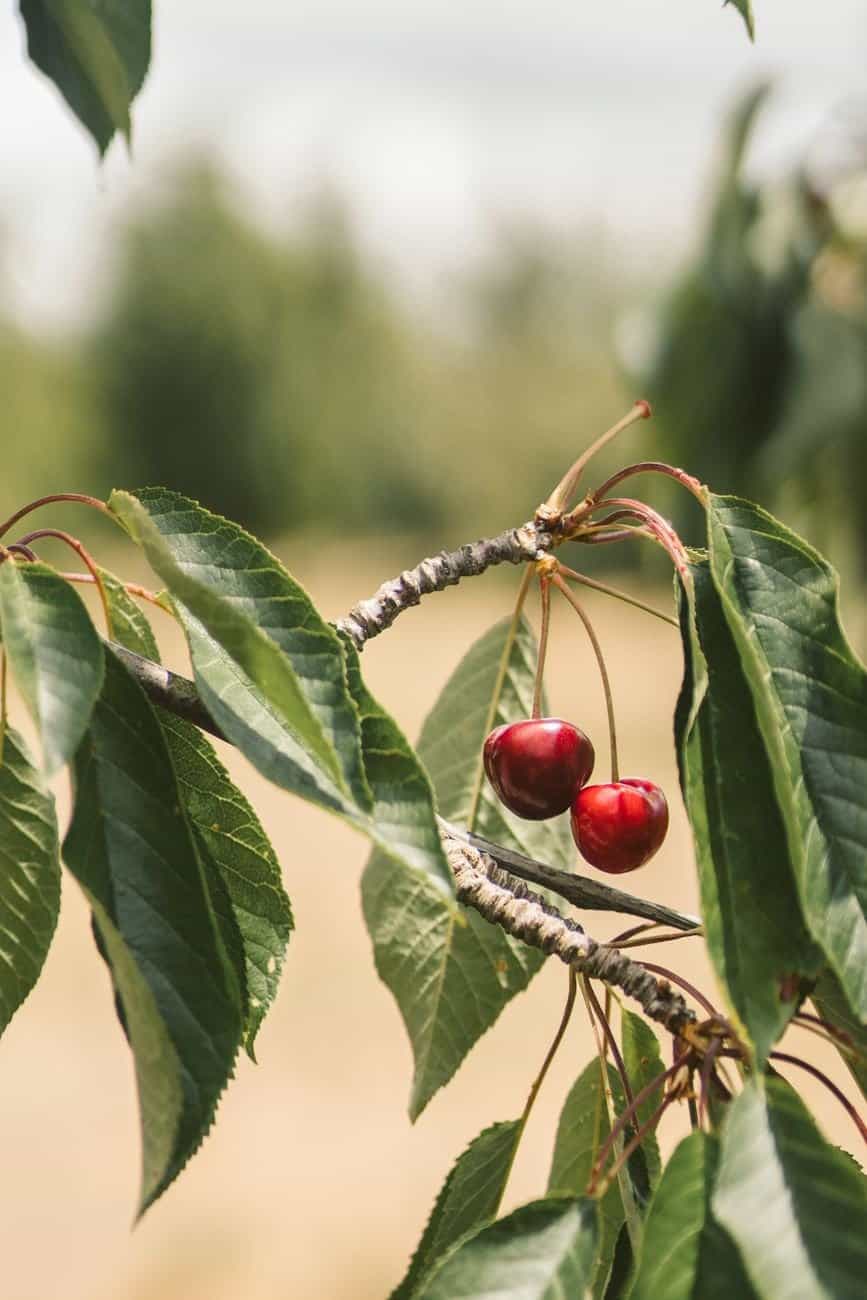
Traverse City is not a destination that accidentally accumulated these assets — it’s a place where the natural geography (a protected bay, surrounding lake moderating temperature, well-drained sandy soils) combined with agricultural traditions and a tourism economy to create something genuinely distinctive. The National Cherry Festival in early July draws 500,000 visitors annually to a city of 16,000 — it’s the kind of scale event that transforms a place for a week and then returns it to something more manageable.
The Wine Regions
- Old Mission Peninsula: Narrow strip of land between the two arms of Grand Traverse Bay, with 10+ wineries producing estate wines from grapes with a climate profile unlike anywhere else in Michigan
- Leelanau Peninsula: Larger peninsula to the northwest, home to Chateau Grand Traverse, Shady Lane Cellars, and over 20 other wineries — Pinot Gris, Pinot Noir, and Riesling are the signature varieties
- Black Star Farms: One of the most recognized Michigan wine producers nationally, with an inn, a distillery, and a cheese operation in addition to winery — full agritourism experience
Beyond Wine and Cherries
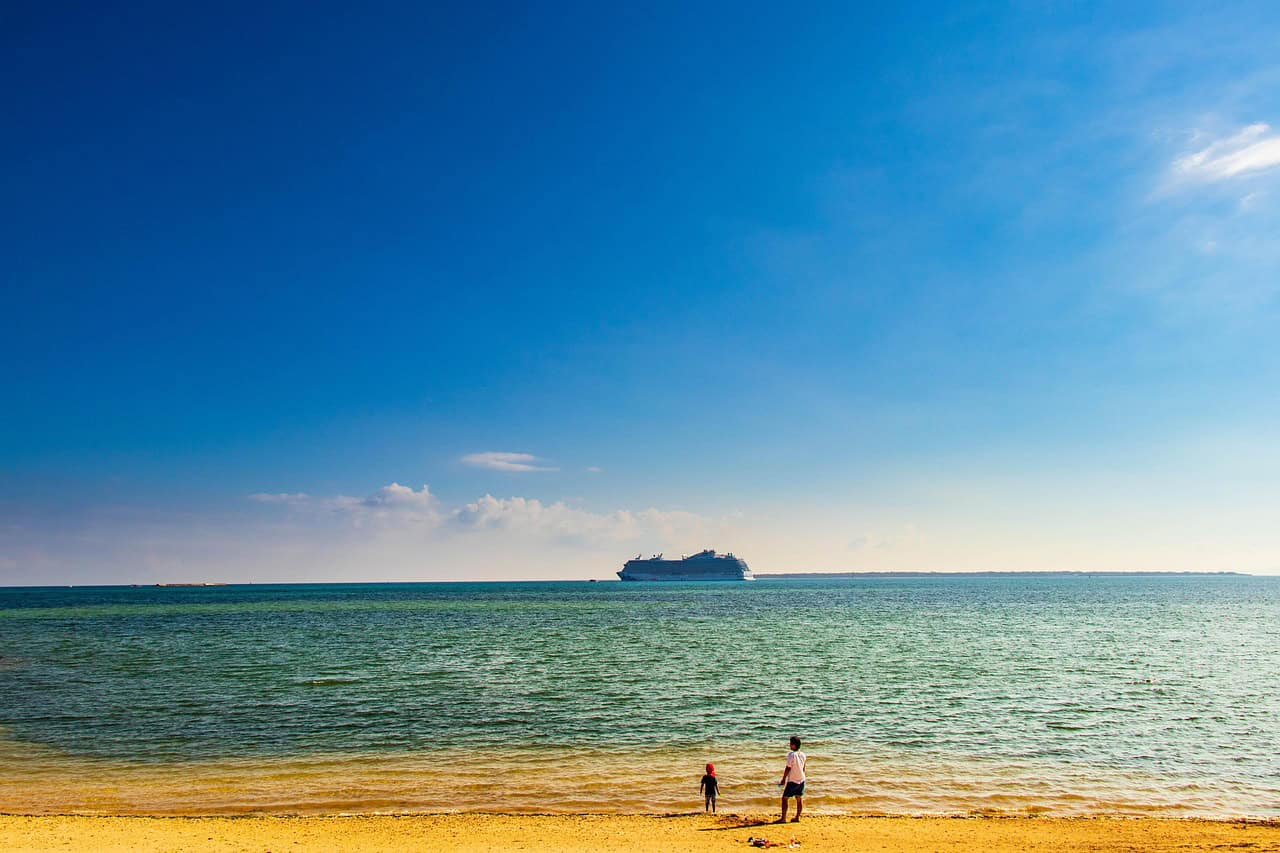
The M-22 highway loop around the northern Lower Peninsula — from Traverse City north through Leelanau County and back — is one of the finest drives in the Great Lakes region, passing through sleeping bear dunes, small harbor towns, and Great Lakes shoreline that has a scale and clarity that surprises visitors expecting something more modest. Sleeping Bear Dunes National Lakeshore, 30 miles west of Traverse City, consistently wins “Most Beautiful Place in America” online polls for the way its massive sand dunes rise 450 feet above Lake Michigan. The Manitou Islands ferry from Leland provides access to one of the most remote and pristine national park islands in the Midwest.
Traverse City is a 4.5-hour drive from Chicago and a 4-hour drive from Detroit, which makes it primarily a Midwestern regional destination. People who make the drive find a food and wine culture that significantly exceeds what the distance from a major metro would normally produce — driven by the quality of local ingredients (cherries, lake fish, farm products), a serious local restaurant community, and the wine region’s increasingly national reputation. Come in late July, after the Cherry Festival, when the orchards are still heavy with fruit and the crowds have thinned.