All Three Nashville Suburbs Passed $500,000—But Franklin, Brentwood, and Nolensville Aren’t Interchangeable
We may earn money or products from the companies mentioned in this post. This means if you click on the link and purchase the item, I will receive a small commission at no extra cost to you ... you're just helping re-supply our family's travel fund.
If you are shopping for a home south of Nashville, you have probably seen the same number everywhere: $500,000. It is the price at which a house in Williamson County stopped being a stretch and started being a baseline. Franklin, Brentwood, and Nolensville all passed that line, and the typical home in each now sells for well above it. That makes the three Nashville suburbs look interchangeable on a listing site. They are not.
Each town has a different history, a different kind of main street, a different commute, and a different price ceiling. Here is how to tell them apart so that you spend your money on the one that matches the way you want to live.
How the Three Nashville Suburbs Differ
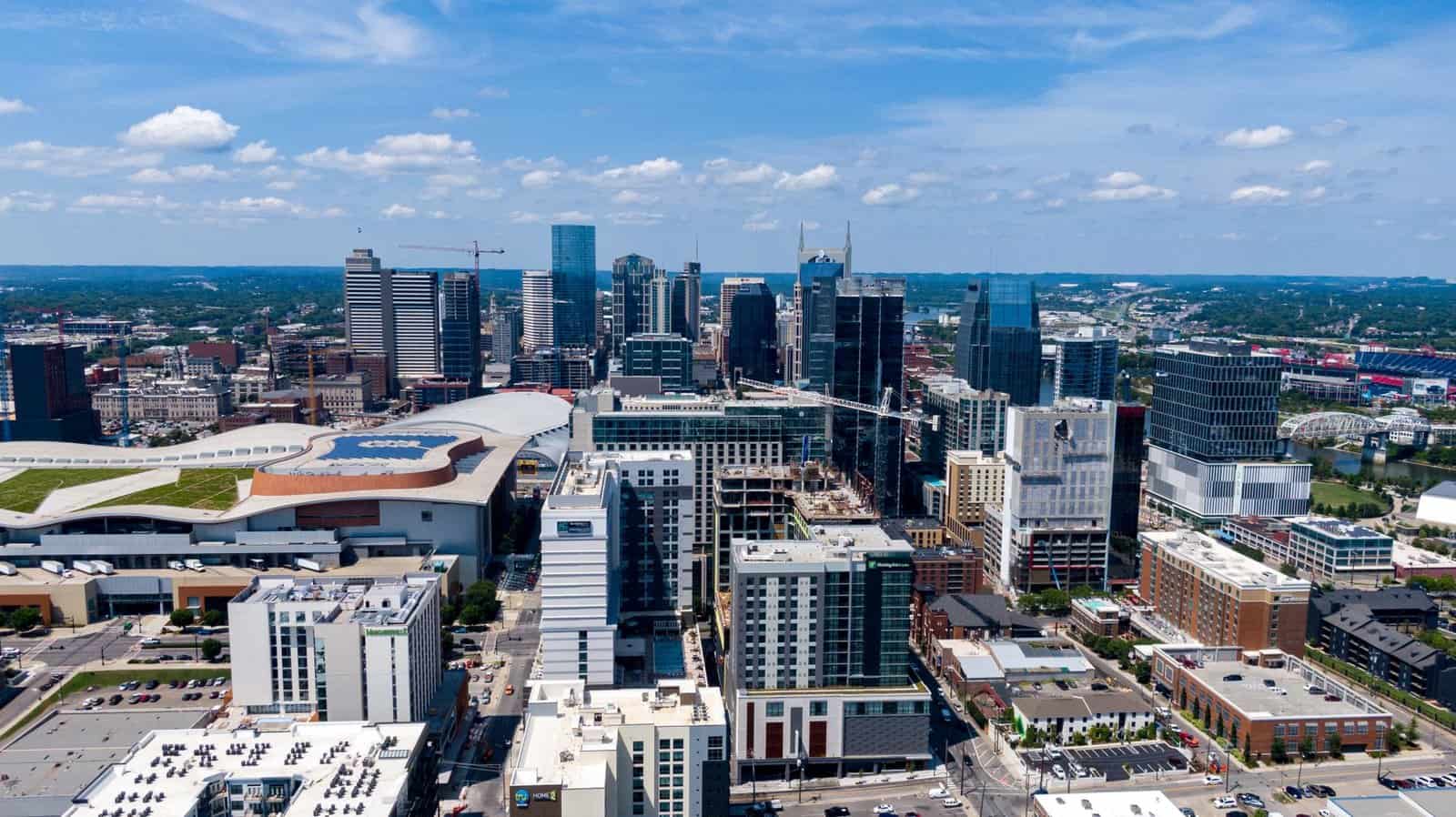
All three sit in Williamson County, which routinely tops Tennessee’s rankings for household income and school performance. They share the same county school system, so quality of public schools is a draw in each, though school zones and enrollment pressure vary by neighborhood. Beyond that, the personalities diverge.
- Franklin: a historic downtown, the largest population of the three at roughly 85,000 residents, and the most mixed set of neighborhoods.
- Brentwood: an established suburb of about 45,000 with larger lots, office parks, and the highest typical home prices.
- Nolensville: a smaller, fast-growing town with newer subdivisions and a more modest center.
Prices change monthly, so treat these as ranges. Recent figures from listing sites have put typical sale prices in Franklin in the high $700,000s to $900,000 range, Brentwood above $1 million, and Nolensville in between or near Franklin’s level, depending on the month and the mix of homes sold. County-wide, Williamson’s typical home value is commonly cited in the high $800,000s to $900,000s. Check a current source before you set a budget.
Franklin: The Historic Center With the Most Choices
Feel and character
Franklin is the one most people visit even if they do not live there. Its downtown, centered on Main Street and the Public Square, has brick buildings, boutiques, restaurants, and a farmers market on weekends. The Civil War Battle of Franklin took place here in 1864, and sites like Carnton Plantation and the Carter House give the town a sense of history. Events like the Main Street Festival and Dickens of a Christmas fill the calendar.
The city is big enough to offer a range of housing: walkable older neighborhoods near downtown, newer subdivisions on the edges, townhomes, and, in places like Westhaven, planned communities with their own shops and parks. Cool Springs, the commercial hub on the north side, has a mall, big-box stores, offices, and a lot of traffic.
Commute and logistics
Franklin sits about 20 miles south of downtown Nashville on I-65. In light traffic the drive takes 25 to 30 minutes, but at rush hour it can double. Many residents work in Cool Springs, Brentwood, or remotely, which eases the pressure. Mack Hatcher Parkway, the bypass, has helped, but congestion remains a regular complaint.
Who it fits
Franklin suits buyers who want a walkable center, history, and a wide choice of home types. It is the best fit if you value restaurants and events nearby and are willing to accept more traffic and a wider range of prices. Entry-level options exist, including condos and townhomes in the $400,000s to $600,000s, but a single-family house often costs $700,000 or more.
Brentwood: The Established Address
Feel and character
Brentwood is the affluent, established suburb. It has fewer retail strips and more trees, with larger lots, rolling roads, and private neighborhoods. The city has deliberately limited density, and that helps explain why prices are higher. Its civic amenities are strong: Crockett Park, Marcella Vivrette Smith Park, and an extensive greenway system, plus a well-regarded library and community center. The Maryland Farms office park is a major corporate address, with many health care and professional companies based there.
Brentwood lacks the walkable historic downtown that Franklin has. Its center is more suburban, with shopping areas and restaurants arranged around parking lots. Residents tend to prefer quiet streets and a sense of privacy over foot traffic.
Commute and logistics
Brentwood is closest to Nashville of the three, about 15 miles from downtown, and gives easy access to I-65 and Old Hickory Boulevard. Drive times are 20 to 30 minutes in light traffic and longer during the morning and evening rush. It is also close to the Nashville airport and to employers in the southern part of the city.
Who it fits
Brentwood works for buyers who want space, privacy, and an established setting and who can afford it. The typical home price is often $1 million or more, with homes in some neighborhoods much higher. Smaller or older houses and townhomes appear in the high $600,000s and up, but they are rarer than in Franklin. If you want a short commute and a quiet neighborhood without a busy town center, Brentwood is the pick.
Nolensville: The Smaller, Faster-Growing Town
Feel and character
Nolensville started as a small crossroads town and has grown quickly over the past two decades, with a population now somewhere around 15,000 to 20,000 depending on the latest estimate. The historic center along Nolensville Road has a few shops and restaurants, a small-town feel, and a handful of older buildings. Most growth has come from subdivisions that spread across former farmland, with clubhouses, pools, and playgrounds as selling points.
Compared to Franklin and Brentwood, Nolensville feels more residential and less commercial. You will find fewer restaurant and shopping options within the town itself, and residents often head to Cool Springs, Franklin, or Nashville for more variety. The upside is a slower pace and a younger, family-oriented demographic.
Commute and logistics
Nolensville is about 18 to 20 miles from downtown Nashville, but there is no interstate in town. Commutes use Nolensville Pike, Interstate 24 via Concord Road, or I-65, and traffic can be heavy at peak times. Expect 30 to 45 minutes to downtown depending on the hour. Infrastructure is catching up with growth, and road improvement projects have been ongoing.
Who it fits
Nolensville is a fit for families who want newer construction, community amenities, and a smaller-town feel. Prices are comparable to Franklin’s, and some buyers find slightly more house for the money, but the trade-offs are commute and fewer dining and shopping options. Because much of the housing is recent, you may encounter homeowners’ association fees, so ask about those before you buy.
Quick Comparison
- Population: Franklin about 85,000; Brentwood about 45,000; Nolensville about 15,000 to 20,000.
- Typical price range: Franklin in the $700,000s to $900,000s; Brentwood above $1 million; Nolensville in the $700,000s to $900,000s. These shift with the market.
- Downtown: Franklin has a historic, walkable core; Brentwood has no true downtown; Nolensville has a small historic center.
- Housing mix: Franklin has the widest mix; Brentwood leans toward larger lots; Nolensville leans toward newer subdivisions.
- Commute to Nashville: Brentwood shortest, Franklin middle, Nolensville with the least direct highway access.
- Property taxes: Rates differ among the three cities, so compare tax bills as well as sale prices.
What $500,000 Actually Buys Now
The half-million mark used to describe a comfortable family home in this county. Today it more often describes the entry point: a townhome or condo in Franklin, an older and smaller house on the edge of Nolensville, or a fixer-upper in a more established neighborhood. In Brentwood, $500,000 is rare and usually means a condo or a very small older home. Buyers who start at that price should expect to compromise on size, age, or location, and to look farther from the center of town. Some choose to look in nearby towns such as Spring Hill, Fairview, or Thompson’s Station, where prices tend to be lower, but where commute and school-zone differences matter even more.
At current mortgage rates, the monthly payment on a $900,000 house with 20 percent down can easily exceed $4,500 before taxes and insurance, which is why many buyers measure affordability by payment, not price. A lender can run a quick estimate, and it is worth doing this before touring.
What to Check Before You Buy
Some practical tips apply wherever you land. First, look at the total monthly cost, not only the sale price. Mortgage rates, property taxes, insurance, and HOA fees can differ significantly. Second, test the commute by driving it at the hours you will actually travel. Third, check school zoning, which can change as the county adds schools. Fourth, visit at different times, including weekends and evenings, to see traffic and noise. Fifth, consider flood zones, especially near creeks and the Harpeth River, which has flooded in the past.
Visiting Before You Move
A weekend is enough to feel the differences. Spend Saturday in Franklin: walk Main Street, eat at one of the local restaurants, and stop at the farmers market. On Sunday, drive through Brentwood’s neighborhoods and parks, then continue to Nolensville for lunch and a look at its center. You will quickly see whether you want the activity of Franklin, the polish of Brentwood, or the quiet of Nolensville.
The Takeaway
Franklin, Brentwood, and Nolensville are all expensive, all in a top-ranked county, and all within a short drive of Nashville. But they are not interchangeable. Franklin gives you history and variety, Brentwood gives you space and an established address, and Nolensville gives you newer homes in a smaller, growing town. Decide which of those matters most, and the price tag becomes easier to justify.