Olympic’s Nearly 1 Million Acres Aren’t a Rainforest Pull-Off—Here’s What Backcountry Visitors Should Know
We may earn money or products from the companies mentioned in this post. This means if you click on the link and purchase the item, I will receive a small commission at no extra cost to you ... you're just helping re-supply our family's travel fund.
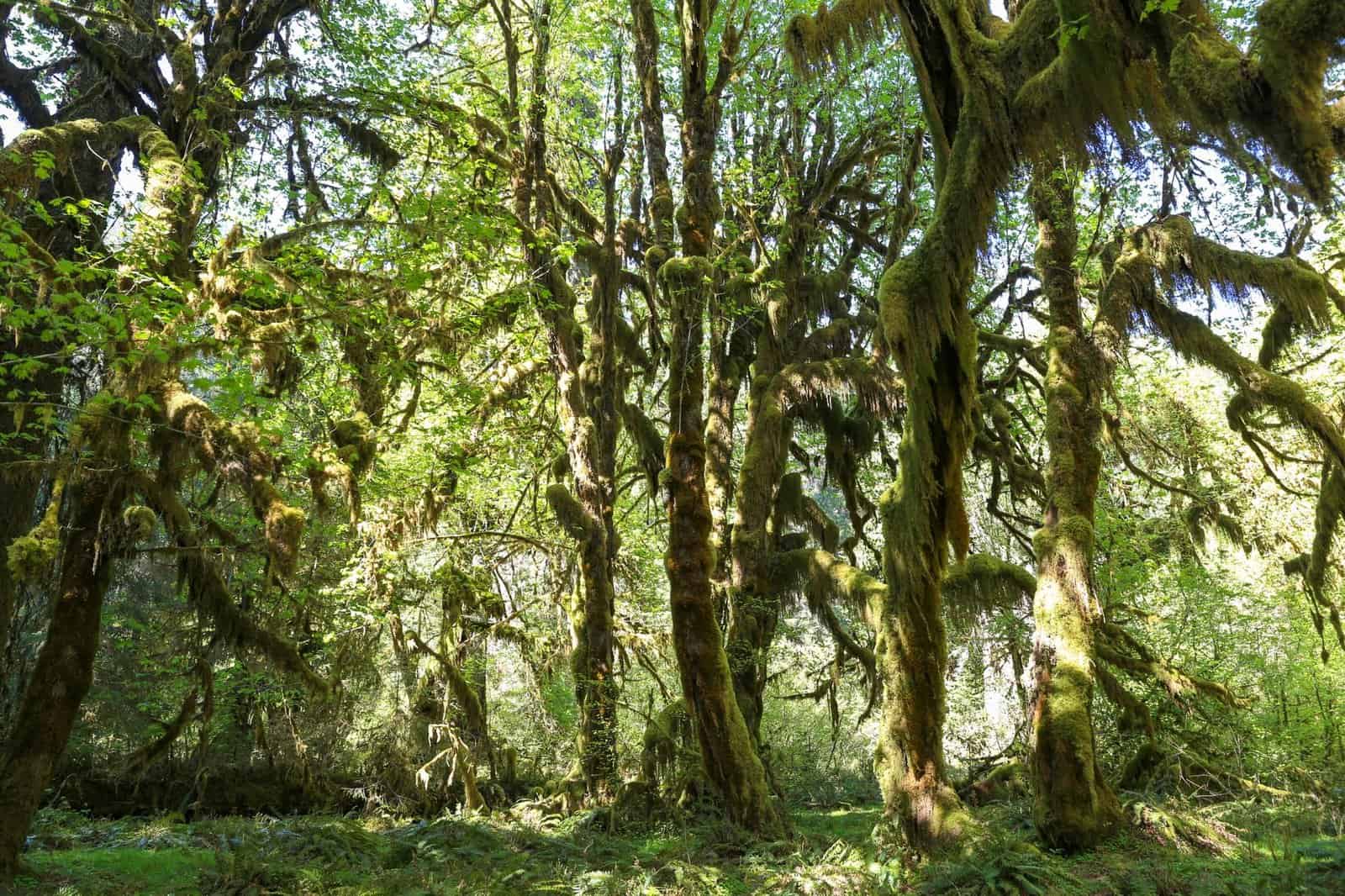
Most visitors see Olympic National Park from a car window and a boardwalk. They park at the Hoh Rain Forest, walk the 0.8-mile Hall of Mosses loop, snap a photo of a moss-draped maple, and move on. That is a lovely hour, and it covers a tiny fraction of the park. Olympic National Park backcountry stretches across nearly a million acres, specifically 922,651 acres, and the great majority of it is roadless wilderness: glacier-topped peaks, remote river valleys, and a wild Pacific shoreline.
If you want to go beyond the pull-offs, you need a different set of skills and a different kind of planning. Here is what backcountry visitors should know, from what the park actually contains to permits, tides, bears, and how to pick a first trip.
What to Know Before Entering the Olympic National Park Backcountry
Olympic is not a single ecosystem. The park protects three very different ones in a block of Washington’s Olympic Peninsula: rugged glaciated mountains, a rain forest on the western valleys, and about 70 miles of wild coastline. Roughly 95 percent of the park is designated wilderness, which means there are no roads, no motorized travel, and few facilities. The highways run around the edges rather than through the center. You cannot drive from one side to the other.
That layout shapes everything about a visit. A trip to the high country starts at a trailhead like Hurricane Ridge or Sol Duc and climbs into alpine meadows. A coastal trip begins at places like Rialto Beach, Ozette, or Shi Shi and follows sand, rock, and headlands. A rain forest trip follows river valleys like the Hoh or the Queets, where annual rainfall can reach 140 inches or more in the wettest spots.
The weather, terrain, and distances here are serious. Weather moves fast, rivers rise after storms, and rescue can take hours or days because of the remoteness. That does not mean the park is only for experts. It means beginners need to choose a route and a season carefully and give themselves a margin.
Permits and Rules You Need to Follow
If you plan to stay overnight in the park’s wilderness, you need a wilderness camping permit. The park issues them through a reservation system for certain popular areas and on a first-come basis for others. Some zones have quotas, and the most popular routes fill up quickly in summer. Fees vary and can change, so check the National Park Service website for current costs and booking windows.
Other rules to know:
- Food storage: bear canisters are required in many areas, especially along the coast, and are recommended nearly everywhere. Rangers can tell you where they are mandatory, and the park rents canisters at its wilderness information center in Port Angeles.
- Campfires: restrictions apply in many areas, and fires are banned entirely in some zones or seasons.
- Group size: limits apply to protect the environment, often no more than 12 people in some areas and fewer in others.
- Dogs: pets are allowed only on a few developed trails and not in the wilderness.
- Leave no trace: pack out trash, camp on durable surfaces, and treat or filter all water.
If you only want a day hike, most trails need no permit, although some areas require a standard park entrance fee, which is typically around $30 per vehicle for a week. Check the park website for details.
Three Backcountry Experiences, Three Different Skills
The coast: tides and headlands
Olympic’s coast is a highlight because few places in the lower 48 have such a long stretch of undeveloped Pacific shoreline. A classic trip is the Ozette Loop, a 9.4-mile triangle linking Cape Alava, Sand Point, and the boardwalk trails in between. You can hike it in a day or camp on the beach. Rialto Beach to Hole-in-the-Wall is an easy day trip at low tide.
The key skill on the coast is understanding tides. Some headlands can be passed only at low tide, and a rising tide can trap you against cliffs. Carry a tide table, know when low tide occurs, and plan to pass any impassable points with plenty of time. Overland trails over the headlands are often steep and slippery, with ropes to help. Waves, driftwood logs, and cold water also pose hazards.
The rain forest valleys: long approaches
The Hoh River Trail is one of the signature backcountry routes. It runs about 17 miles from the visitor center to Glacier Meadows near Blue Glacier on Mount Olympus, gaining elevation gradually through old-growth forest. Many hikers go only 3 to 6 miles, and those who go farther are rewarded with solitude. The Enchanted Valley trail in the Quinault area is another classic, roughly 13 miles one way to a historic chalet in a meadow surrounded by waterfalls.
Expect mud, fallen trees, and river crossings in these valleys. Elk and black bears roam the area. In spring and fall, heavy rain can swell rivers and wash out sections of trail, so check for closures.
The high country: meadows and ridges
The Seven Lakes Basin and High Divide loop, near Sol Duc, runs about 19 miles and offers mountain views, lakes, and wildflowers in July and August. It is a popular route and permits are in demand. Snow can linger into July at higher elevations, and weather can turn quickly. Bring layers and be prepared for a cold night even in summer.
Weather and Safety
Rain is the signature of the Olympic Peninsula, but the real hazard is hypothermia. Wet conditions at temperatures just above freezing can lower body temperature quickly, particularly if you are wearing cotton. Pack a rain jacket, wool or synthetic layers, a warm hat, and a spare set of dry clothes in a waterproof bag.
Other points to remember:
- Cell service is rare in the backcountry. Carry a paper map and compass or offline maps, and consider a satellite messenger.
- Tell someone your route and return time.
- Treat water, as giardia is present in backcountry streams.
- Respect wildlife. Keep at least 100 yards from bears and cougars, and 50 yards from elk and other animals.
- Cross rivers only at low flow, and unbuckle your pack’s hip belt first.
- Check the Wilderness Information Center for trail reports, closures, and weather forecasts.
A Basic Gear Checklist
You do not need expedition equipment, but you do need the right basics. For an overnight trip, most visitors carry:
- A waterproof shell, rain pants, and a warm insulating layer such as fleece or down.
- A tent or tarp rated for heavy rain, with a footprint, and a sleeping bag that stays warm when damp.
- A stove, fuel, and a bear canister that fits all food and scented items.
- A water filter or purification tablets, plus a backup method.
- A headlamp with spare batteries, a first-aid kit, and a repair kit.
- Sturdy, broken-in boots or trail shoes with good traction on roots and wet rock.
- Tide tables printed or saved offline if you are heading to the coast.
Pack weight matters on steep trails, but cutting rain protection to save weight is a mistake on the peninsula. Many hikers also use trekking poles for river crossings and slippery sections.
Why the Rainforest Stop Is Only the Beginning
Most visitors spend their time in a few developed areas, such as Hurricane Ridge, Lake Crescent, the Hoh, and Rialto Beach. That is not a criticism. These places are spectacular, accessible, and a good introduction. But the park’s size means there are layers of experience beyond them. Each developed area has a backcountry version waiting a few miles up the trail, and you do not need to commit to a week-long trek to see it. A day hike on the Hoh River Trail to Five Mile Island, for instance, takes you into the same forest without the boardwalk crowds.
Seasons and What They Mean for Planning
Summer, from July through September, is the driest and most popular time. Roads to the high country are open, trails are mostly snow-free, and coastal weather is milder. It is also the busiest time and the hardest to secure permits.
Spring and fall are quieter and wetter. Rivers swell, and trails can wash out, but the forests are lush and the crowds are small. Winter brings snow in the mountains and storms on the coast. Hurricane Ridge may be accessible on certain days and operates limited services, so check conditions in advance.
How to Choose Your First Trip
If you are new to backcountry travel, start with a short route and a clear plan. A one-night trip to the Ozette coast, a day hike to Marymere Falls or the Hoh River Trail, or an overnight at Sol Duc Falls gives you a taste without being overwhelming. Build experience before attempting longer trips such as the High Divide or Enchanted Valley.
Talk to the rangers. They know the current trail conditions, which campsites are open, and whether a river crossing is safe. A 20-minute conversation can change your itinerary for the better.
What You Gain by Going Farther
The reward for leaving the pull-off is the sense of scale. The rain forest at the Hall of Mosses is beautiful, but it is a few hundred yards of trail among tour buses. A few miles up the Hoh, the crowds thin out and you hear the river and little else. On the coast, a night camped above the surf with sea stacks in the fog is something you cannot get from a car. In the high country, a morning in a meadow with the sun lighting the peaks feels like another planet.
The Takeaway
Olympic National Park backcountry is a vast, wild place that most visitors never see. Its 922,651 acres hold mountains, rain forest valleys, and a rugged coastline, with the vast majority designated wilderness. To enjoy it safely, get the right permits, carry bear-safe food storage, learn the tides, prepare for wet weather, and pick a route that fits your experience. Go beyond the pull-off, and you will understand why the park is more than a rainforest stop.