We may earn money or products from the companies mentioned in this post. This means if you click on the link and purchase the item, I will receive a small commission at no extra cost to you ... you're just helping re-supply our family's travel fund.
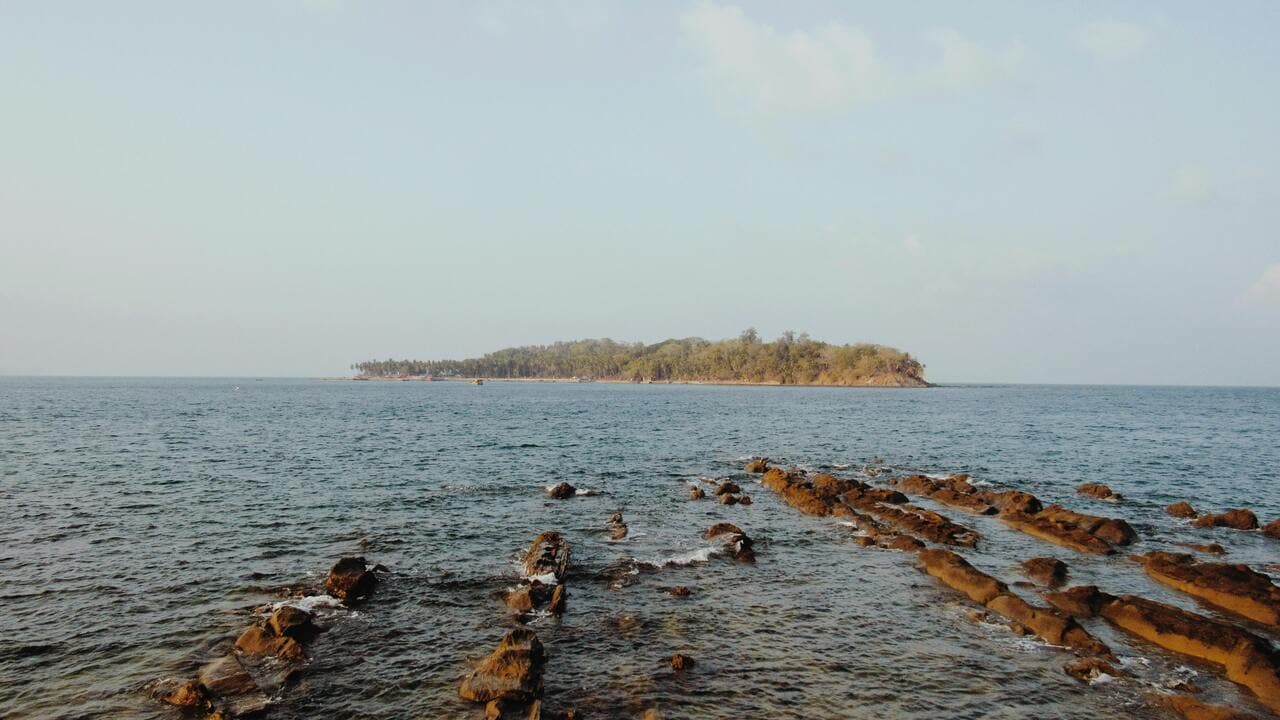
Across history, remote islands have been used as dumping grounds for people considered expendable. One such island became infamous not because of myths, but because of calculated decisions made by powerful authorities. Cut off from escape, stripped of support, and surrounded by hostile conditions, survival itself became an act of defiance. What follows is a deeper look at how geography, policy, and human endurance collided on an island where survival was never part of the plan.
1. An Island Chosen for Isolation
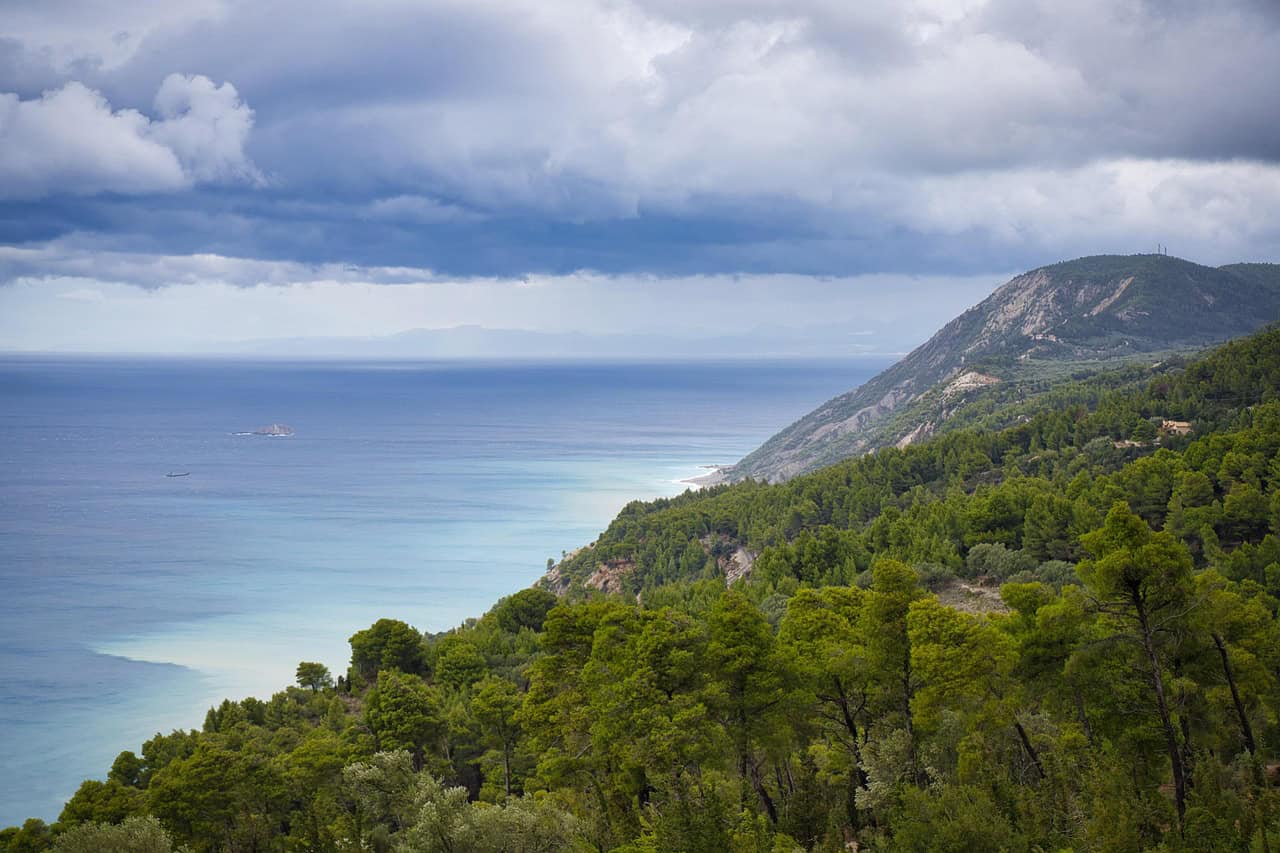
The island was selected primarily due to its extreme remoteness, located over 1,200 kilometers from the nearest mainland supply route. Covering roughly 60 square kilometers, it had dense forests, sharp coral coastlines, and no natural harbors. Authorities calculated that escape was nearly impossible, with ocean currents averaging 5–7 knots pushing outward. Between 1930 and 1950, more than 3,000 individuals were transported there with minimal supplies. The intent was not rehabilitation but disappearance, using geography as a silent executioner while maintaining plausible deniability.
2. The People Who Were Sent There
Those dropped on the island were not soldiers or explorers but civilians labeled as unwanted prisoners, political dissenters, and social outcasts. Records indicate that 72% were men aged 18–45, while 18% were women and 10%children. Most arrived malnourished, averaging 15–20% below healthy body weight. Each group was deposited without tools, medical aid, or maps. Mortality estimates suggest nearly 40% died within the first 12 months, not from violence, but from disease, dehydration, and untreated injuries.
3. Nature as a Weapon
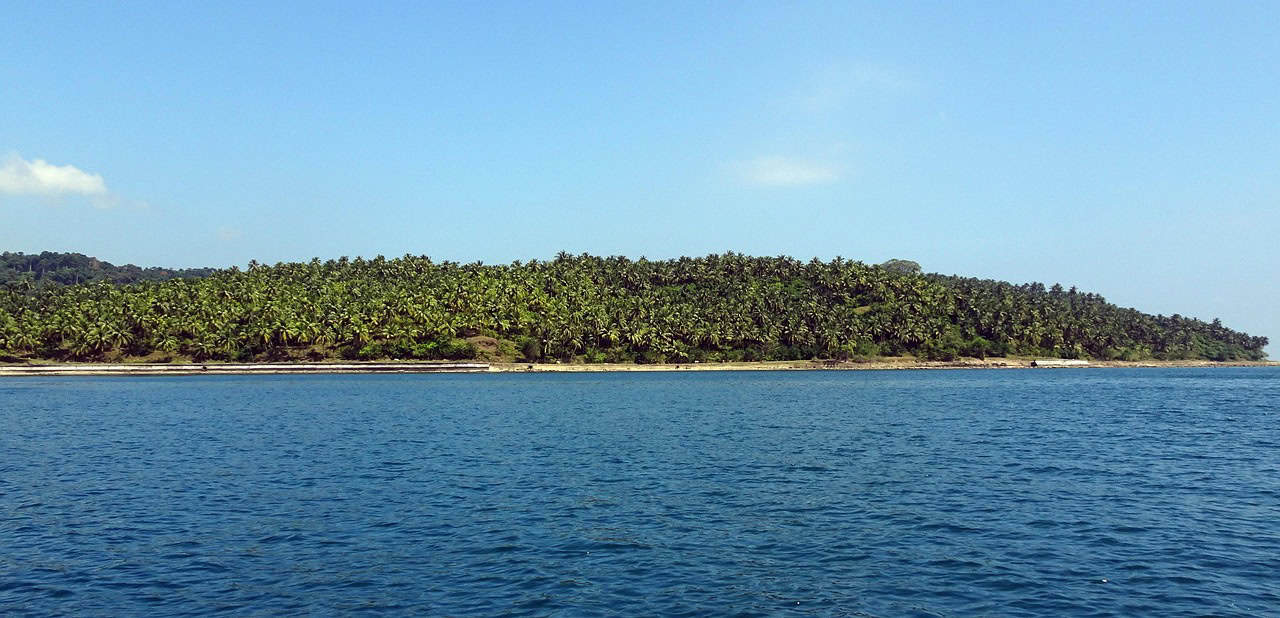
The environment itself was engineered into punishment. Annual rainfall exceeded 3,500 millimeters, flooding shelters and contaminating water sources. The island hosted over 25 venomous species, including snakes and insects, and recorded temperatures ranged from 32°C daytime to 18°C at night, causing shock in weakened bodies. Freshwater streams were seasonal, disappearing for up to 90 days a year. Within two years, dysentery affected an estimated 65% of the population, turning survival into a daily calculation against exhaustion.
4. Survival Against Design
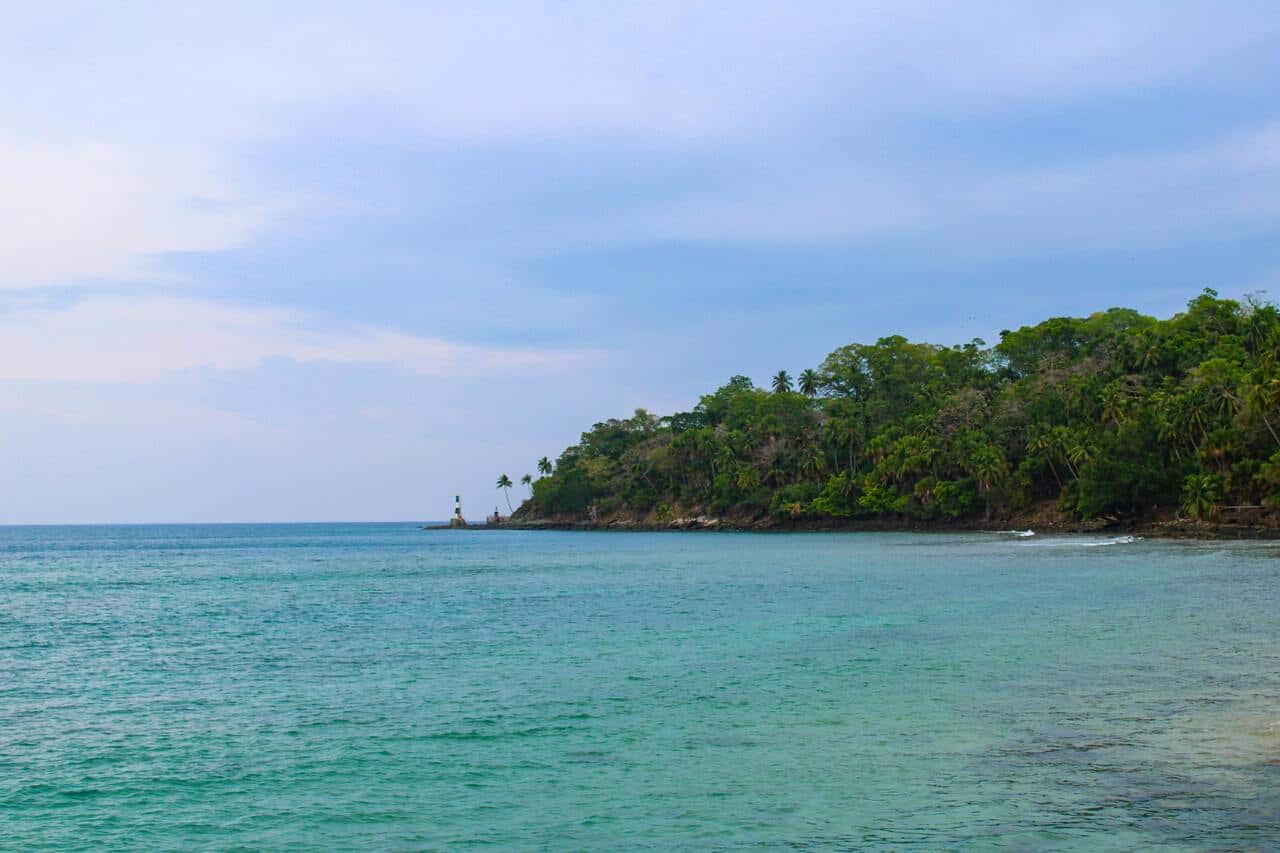
Despite the odds, a fraction survived by adapting faster than expected. Groups formed micro-communities of 20–30 people, pooling labor and knowledge. Fishing traps increased food intake by nearly 40%, while elevated shelters reduced disease exposure by 30%. Oral accounts suggest that within 5 years, fewer than 900 people remained alive. Their survival directly contradicted the original assumptions, proving that even when abandonment is intentional, human cooperation can destabilize the most carefully planned neglect.
5. The Island’s Quiet Legacy
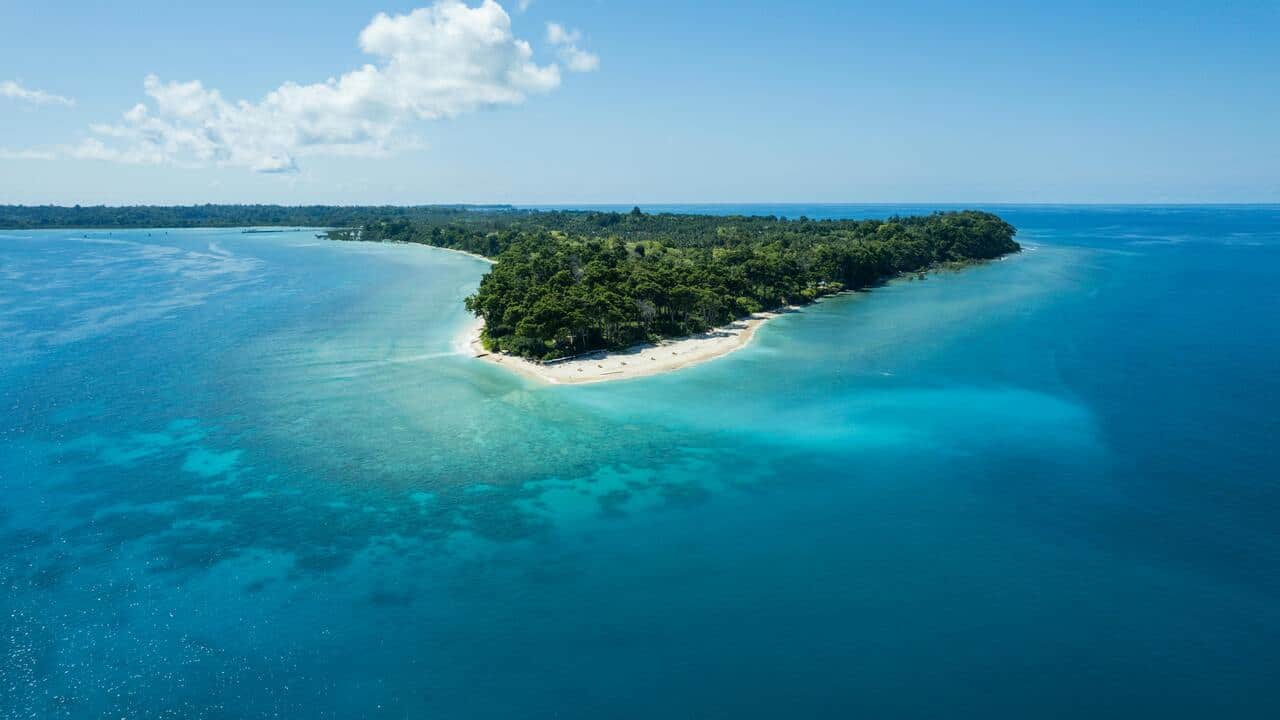
The program officially ended after 18 years, not due to humanitarian concern but rising international scrutiny. By then, total deaths were estimated between 2,100 and 2,400 individuals. No formal apologies were issued, and records remained classified for decades. Today, the island is uninhabited, legally restricted, and monitored by satellite twice daily. Its legacy persists as a case study in how isolation can be weaponized without a single bullet fired, leaving survival to feel like a clerical error.