We may earn money or products from the companies mentioned in this post. This means if you click on the link and purchase the item, I will receive a small commission at no extra cost to you ... you're just helping re-supply our family's travel fund.
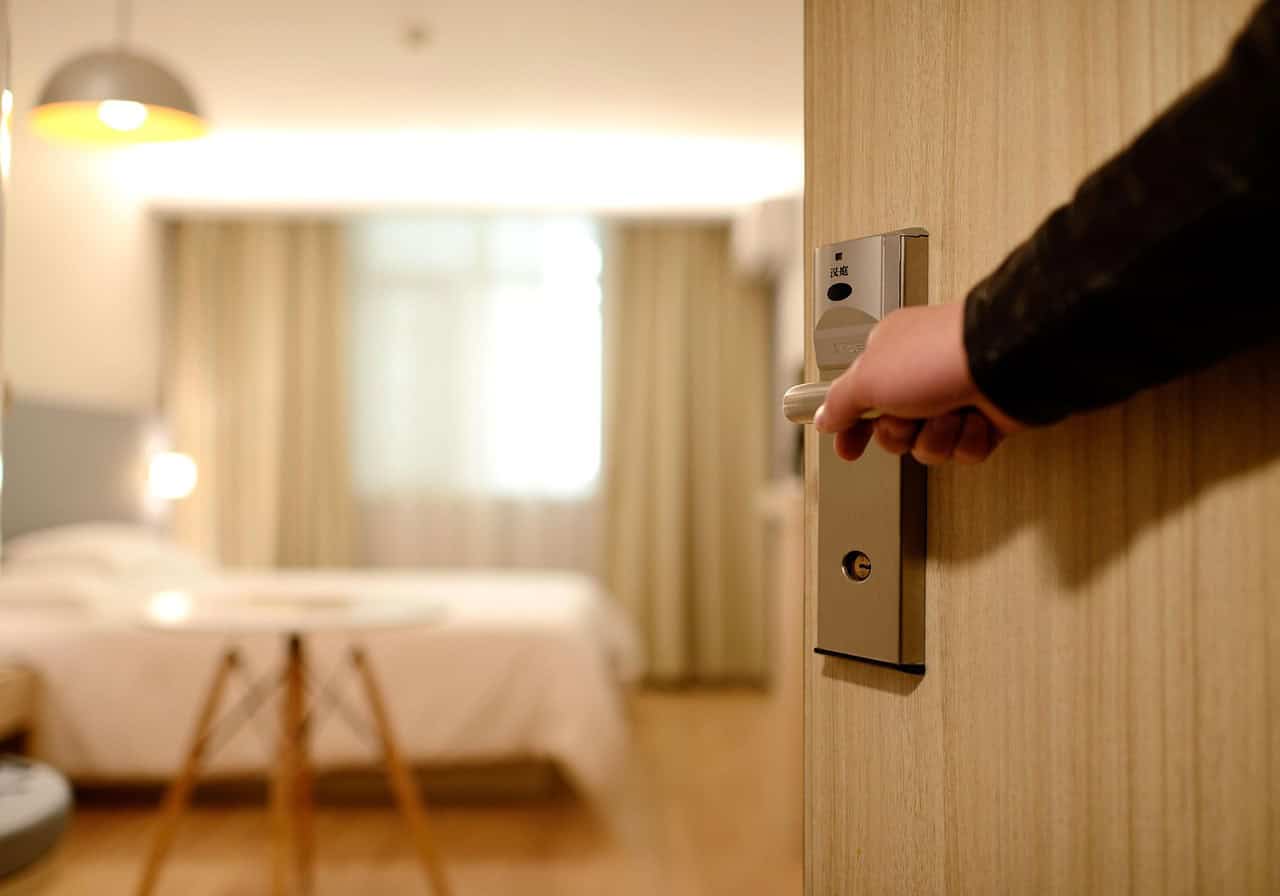
Walking into a hotel room feels like the moment your trip truly begins. But experienced travelers know that the first ten minutes matter more than the rest of the stay combined. What you do immediately after opening that door can determine your comfort, safety, sleep quality, and even whether you bring home unwanted problems. These five deliberate steps take less than fifteen minutes total, yet they quietly protect you from common hotel pitfalls that affect millions of guests every year. Treat them as a ritual, not a chore.
1. Inspect the Bed Before Anything Else
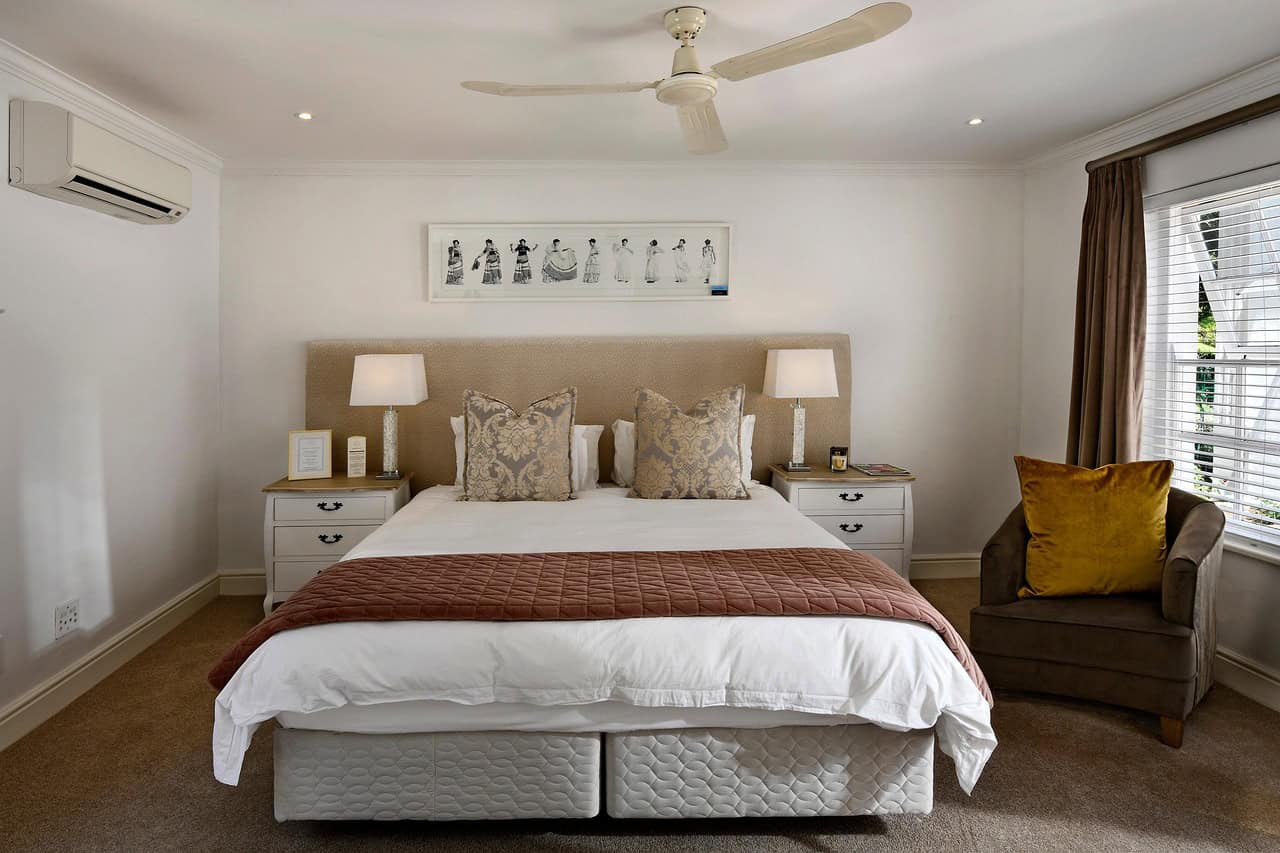
Before placing a bag down or sitting on the mattress, inspect the bed carefully. Studies estimate that 1 in 5 travelers will encounter bed bugs at least once in their lifetime, and they are found in hotels of all price ranges. Pull back the sheets, check mattress seams, corners, and the headboard using your phone flashlight. Look for rust-colored dots, tiny black specks, or shed skins. Spend at least 90 seconds on this step. Early detection allows an immediate room change, while waiting even 10 minutes increases the chance of contamination spreading to luggage and clothing.
2. Secure Your Belongings and Entry Points
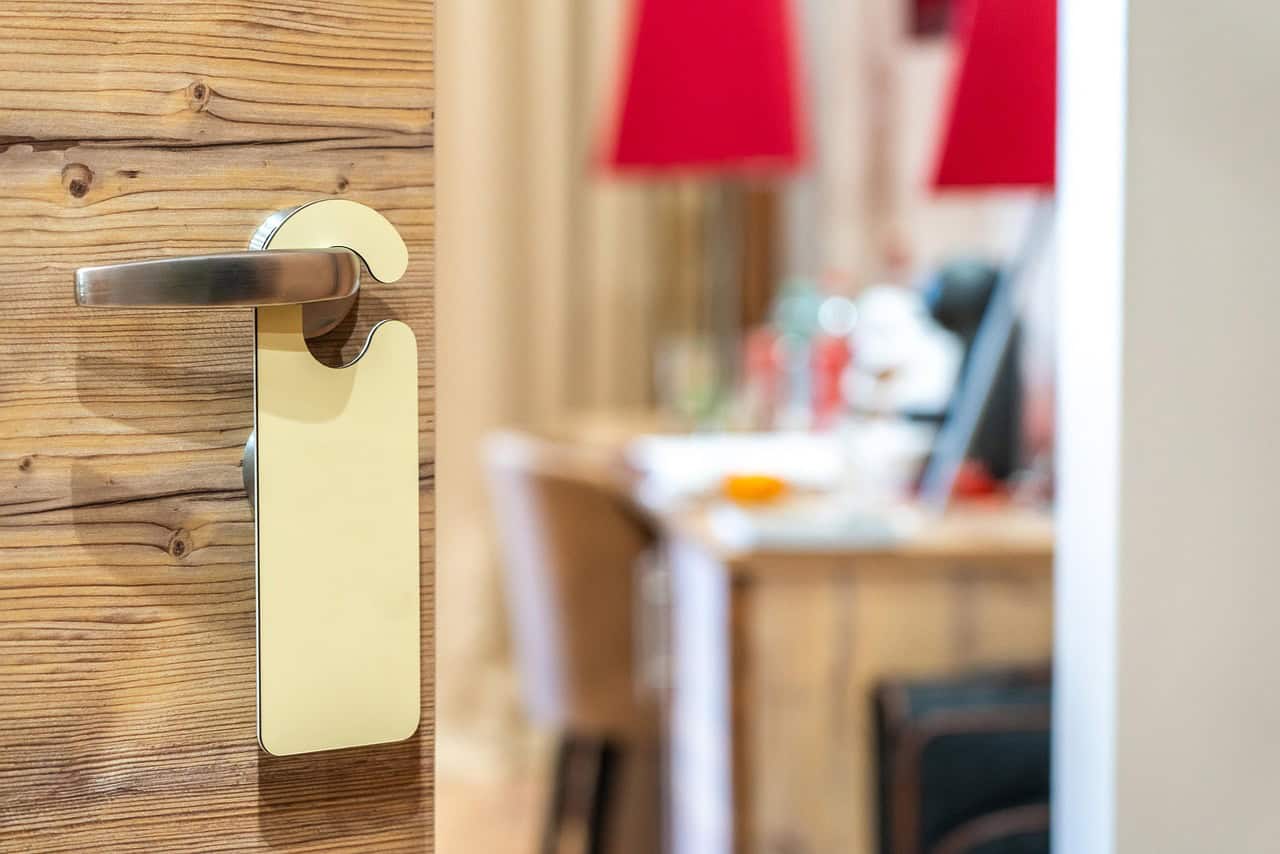
Once the bed passes inspection, secure the room. Test the main door lock, deadbolt, and any secondary latch, nearly 30% of hotel safety complaints involve faulty locks. Place your luggage on a hard surface like a luggage rack or tiled floor, never on the bed initially. If available, use the in-room safe; theft reports show that over 60% occur within the first night. Also verify windows and balcony doors are fully locked. This process takes under 2 minutes, yet significantly reduces personal risk during your stay.
3. Check Bathroom Cleanliness and Water Function

The bathroom reveals more about hotel hygiene than any other area. Run the tap and shower for 20–30 seconds to flush stagnant water and confirm temperature control. Hotel data shows that 70% of guest complaints involve bathroom issues, most discovered too late to resolve easily. Check towels for stains, inspect the toilet seal, and ensure drainage works properly. Smell the room, persistent odors often indicate deeper sanitation issues. Identifying problems immediately increases the likelihood of a quick room change instead of prolonged inconvenience during peak occupancy.
4. Do a Quick Technology and Comfort Test
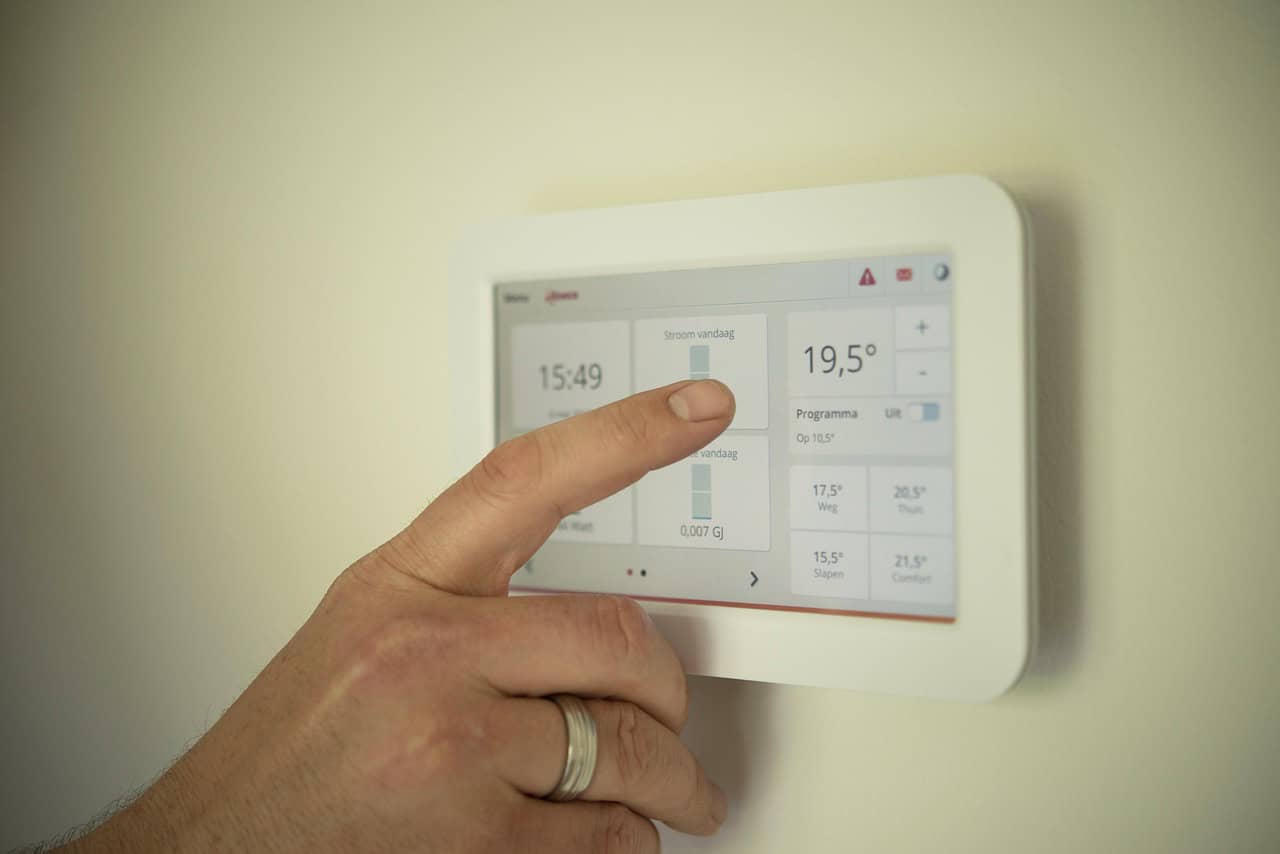
Test what you’ll rely on most during your stay. Turn on lights, check the thermostat, connect to Wi-Fi, and verify charging outlets. Surveys show that 78% of travelers consider Wi-Fi quality a deciding factor in overall satisfaction. Adjust the AC for 5 minutes to ensure it responds properly. Test noise levels by standing still listen for elevator hums, ice machines, or street noise. Early detection gives you leverage for relocation, whereas complaints made after unpacking are far less likely to be accommodated.
5. Map Your Safety and Exit Awareness
Finally, orient yourself. Locate emergency exits shown on the door map and physically note the nearest staircase, fire safety experts recommend counting turns and doors, especially above the 5th floor, where ladder access is impossible. Place shoes near the bed and keep essential items like your phone and keys in one spot. Statistically, hotel emergencies peak at night, when visibility and reaction time are lowest. This step takes less than 60 seconds, yet dramatically improves response readiness if something goes wrong.