We may earn money or products from the companies mentioned in this post. This means if you click on the link and purchase the item, I will receive a small commission at no extra cost to you ... you're just helping re-supply our family's travel fund.
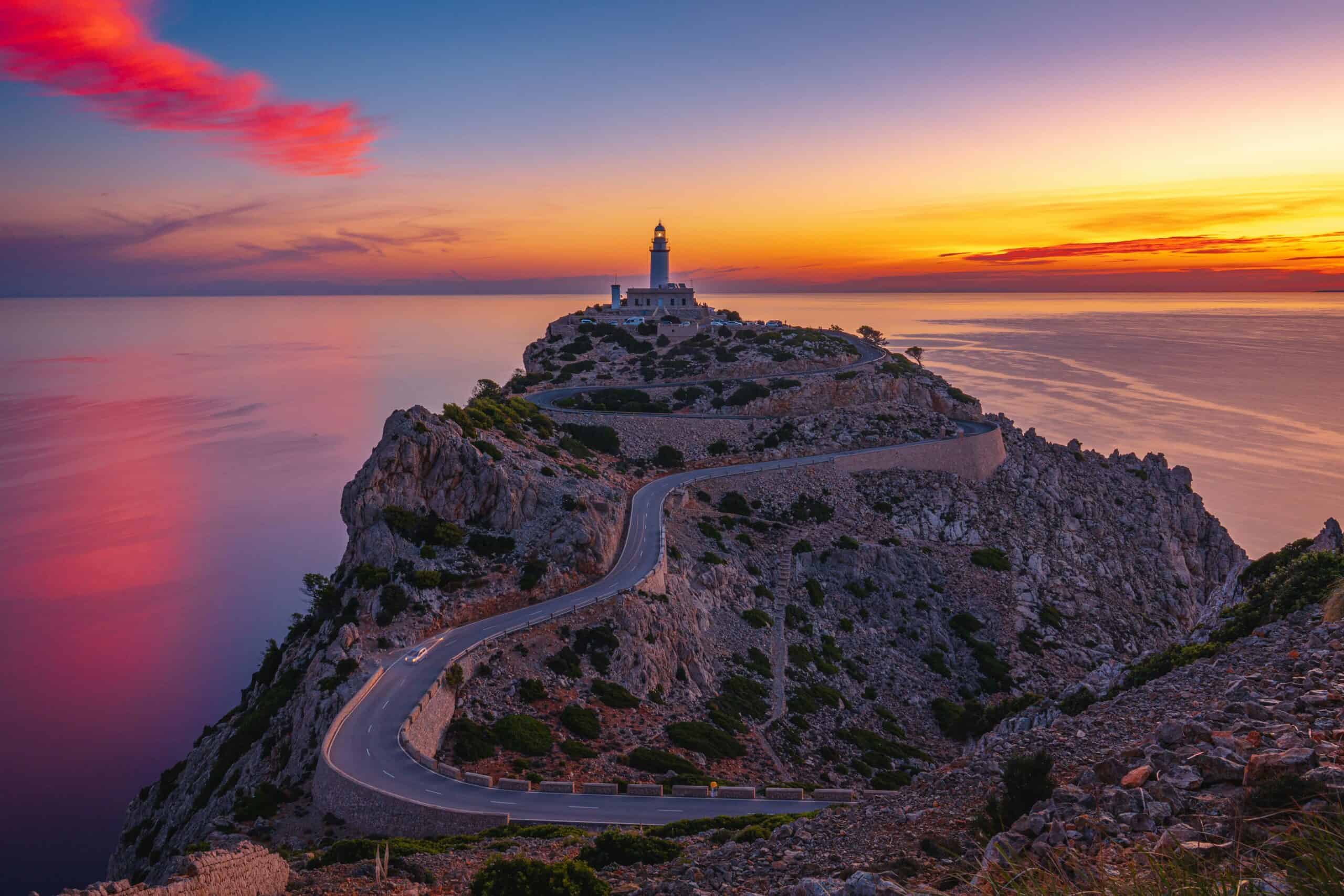
Once, a certain kind of travel advice felt immortal: skip the obvious capitals, head for Lisbon or Bali, drift through Croatia, maybe linger in Mexico City, and enjoy the glow of having outsmarted expensive travel. That old map is fading. Across Europe, Asia, and Latin America, former value darlings are layering on tourist taxes, tightening short-term rental rules, and absorbing demand so intense that room rates, daily costs, and neighborhood pressure no longer feel like side notes. The places are still worth knowing. The bargain mythology is what has aged.
Lisbon
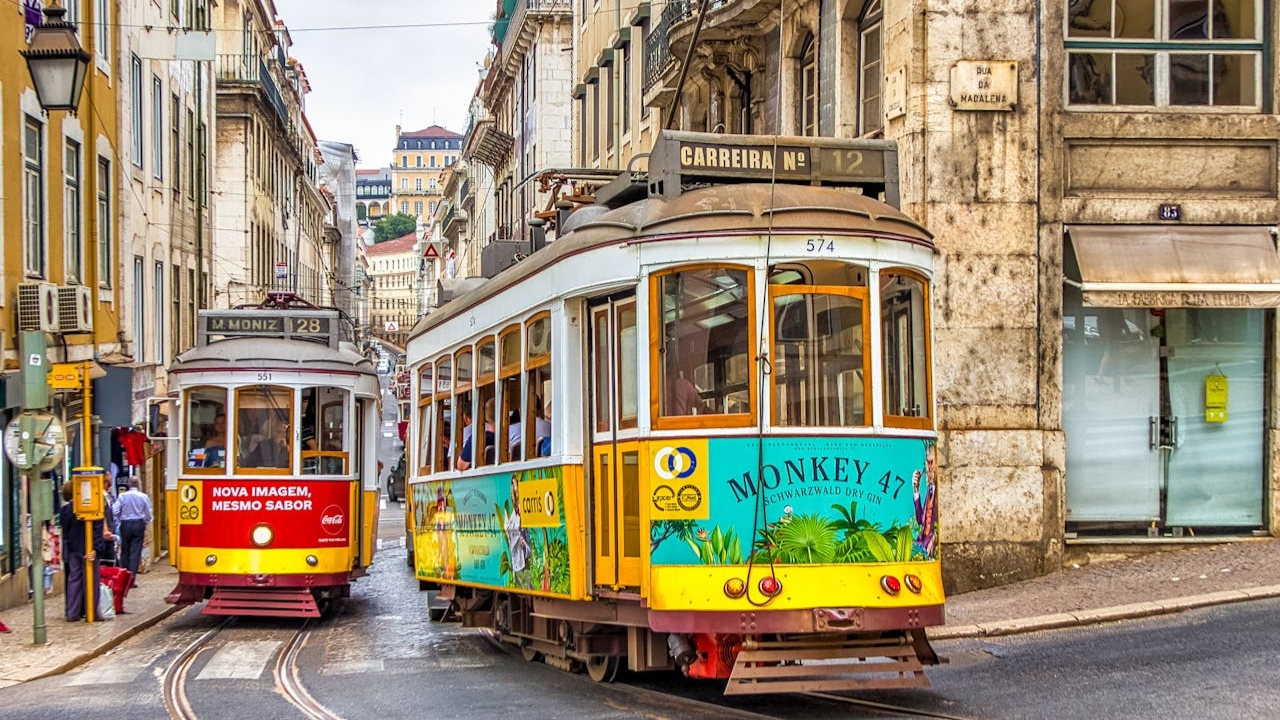
Lisbon spent years being sold as Europe’s last soulful bargain, the city where tiled facades, hilltop views, and excellent meals still came with a pleasant surprise at checkout. That image now feels badly out of date. Reuters reported rents in Lisbon have soared 94% since 2015 and home prices 186%, while the city’s own tourist-tax guide shows an overnight charge of €4 per person for up to seven nights. None of that cancels Lisbon’s beauty. It just means the old story about getting capital-city atmosphere on a near-budget-city tab no longer lands the way it once did.
Porto
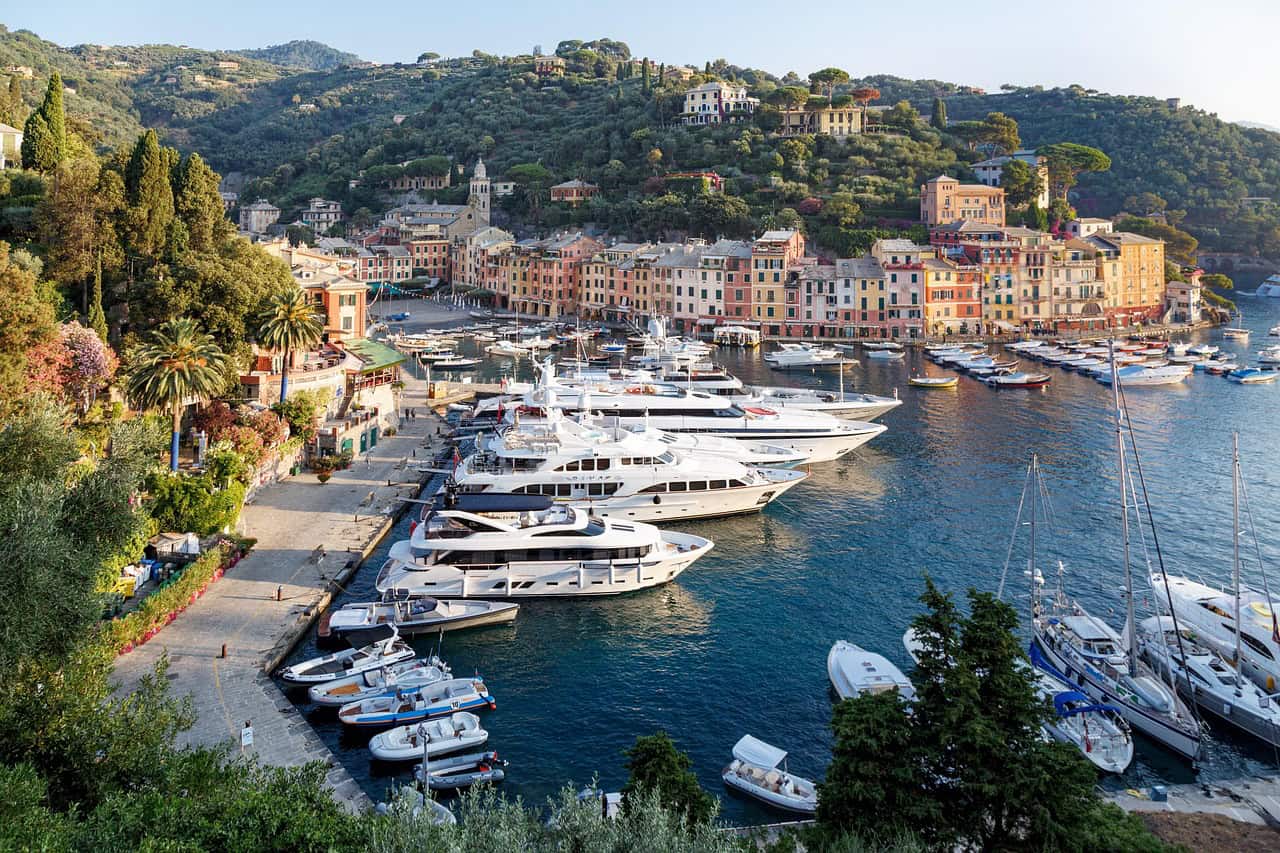
Porto held onto its value reputation longer because it felt gentler than Lisbon, less inflated by image, and a little less hunted by the algorithm. Even there, the margin has thinned. Porto City Council says the municipal tourist tax is now €3 per night, up to €21 over seven nights, with the money directed toward mobility, safety, cleanliness, and heritage. That may sound modest on paper, but it lands on top of room rates in a city now firmly established on mainstream European itineraries. Porto still offers plenty of pleasure for the money. It simply no longer feels underpriced in the way older guides promised.
Canary Islands
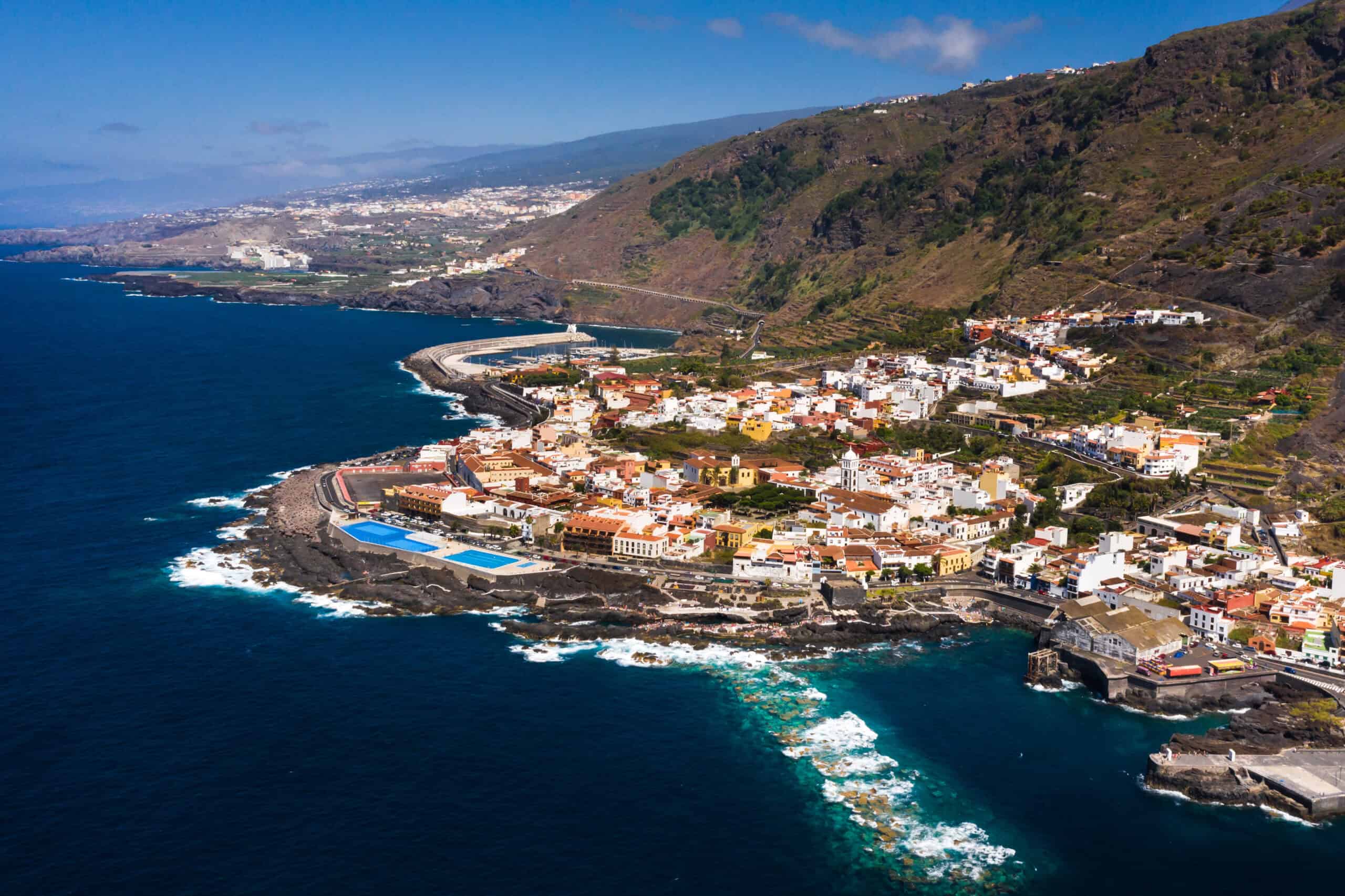
The Canary Islands built a durable reputation as the affordable answer to winter gloom, especially for Europeans hunting sun without Caribbean prices. That reputation is now colliding with the cost of success. Reuters reported repeated protests across the islands, with residents saying overtourism was pricing locals out of housing, straining water and public services, and pushing daily life past a reasonable limit. Cheap holidays always look different from the arrival gate than they do from a local lease. Once a destination’s value depends on residents absorbing permanent stress, the bargain starts to look less clever and more incomplete.
Mallorca
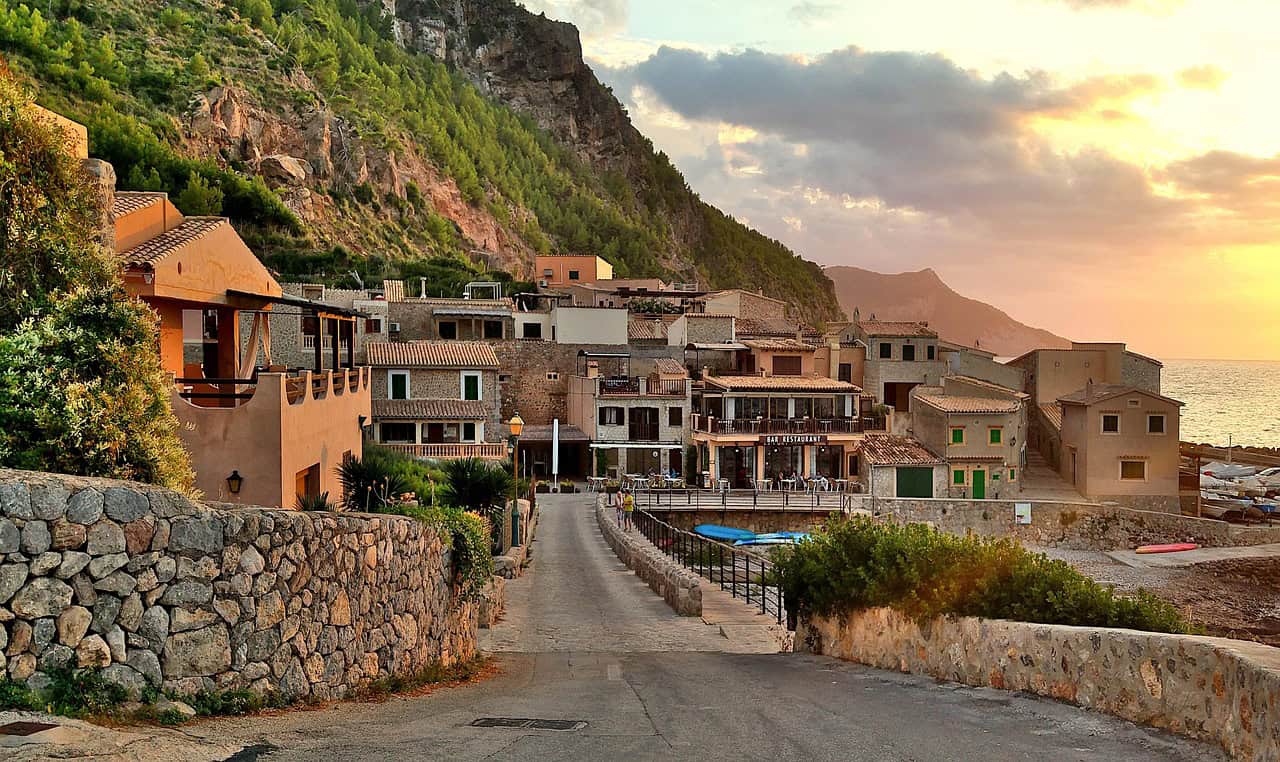
Mallorca used to sit in the imagination as the easy Mediterranean escape, polished enough to feel special, common enough to stay broadly affordable. That balance has become harder to find. Reuters reported protests of around 10,000 people in Palma against mass tourism, and later documented how some residents were living in caravans as housing was swallowed by tourist demand and seasonal pressure. The island still delivers bright water, old villages, and memorable food, but affordability is no longer just about the hotel bill. It is also about whether the place still operates like a home for locals, not only a summer machine for visitors.
Dubrovnik
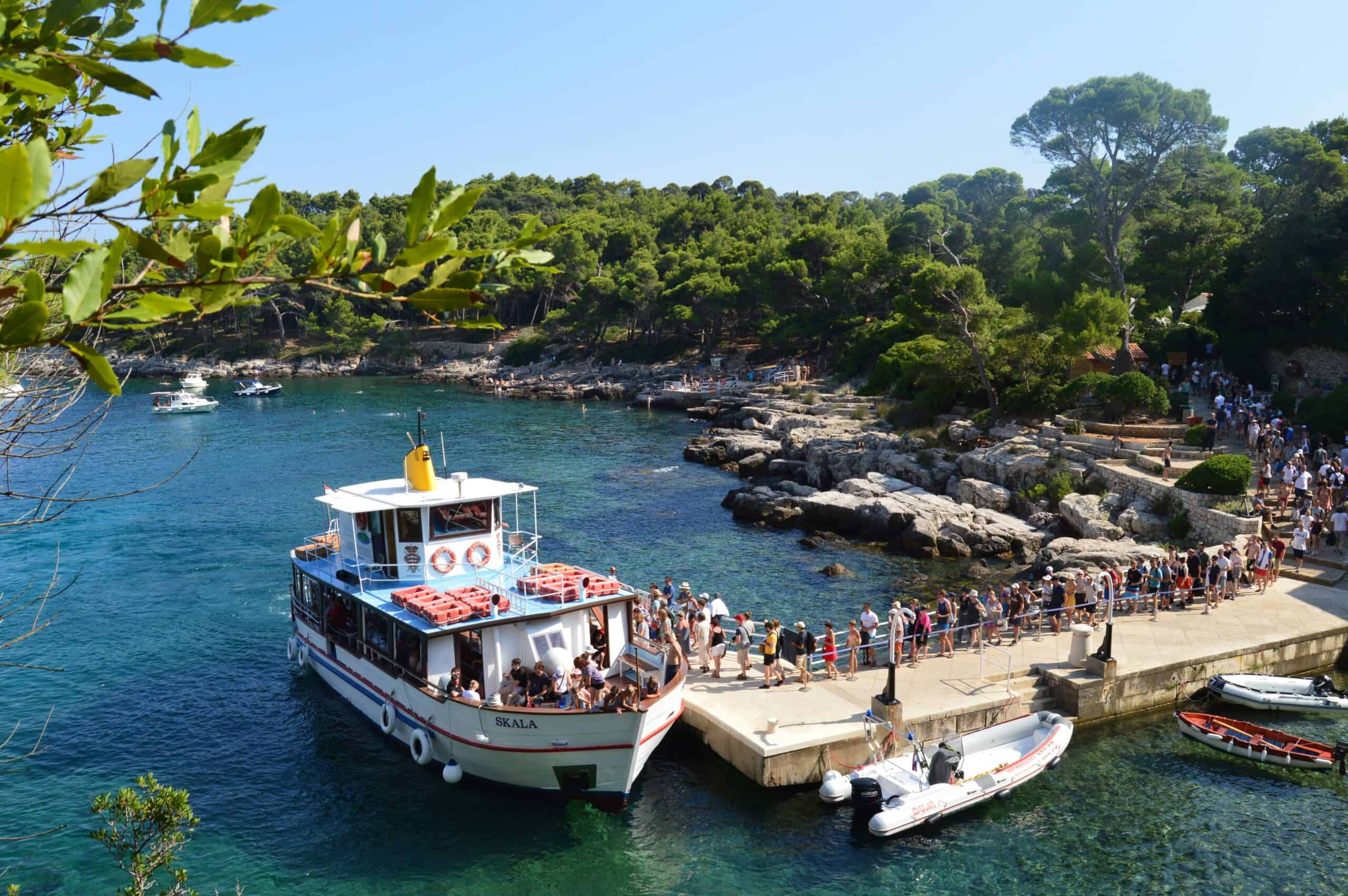
Dubrovnik was never a shoestring destination, but it once felt like a splurge that remained attainable with decent planning. That window has narrowed. Reuters reported the city is trying to reclaim space for locals after tourist prices and short-term rentals hollowed out the Old Town, where the resident population fell from roughly 5,000 before the 1990s to about 1,200. New private-rental permits have been restricted as officials try to make the city livable again. When a place reaches the stage of fighting to remain inhabited, travelers can usually assume the era of easy-value stays has already passed.
Split
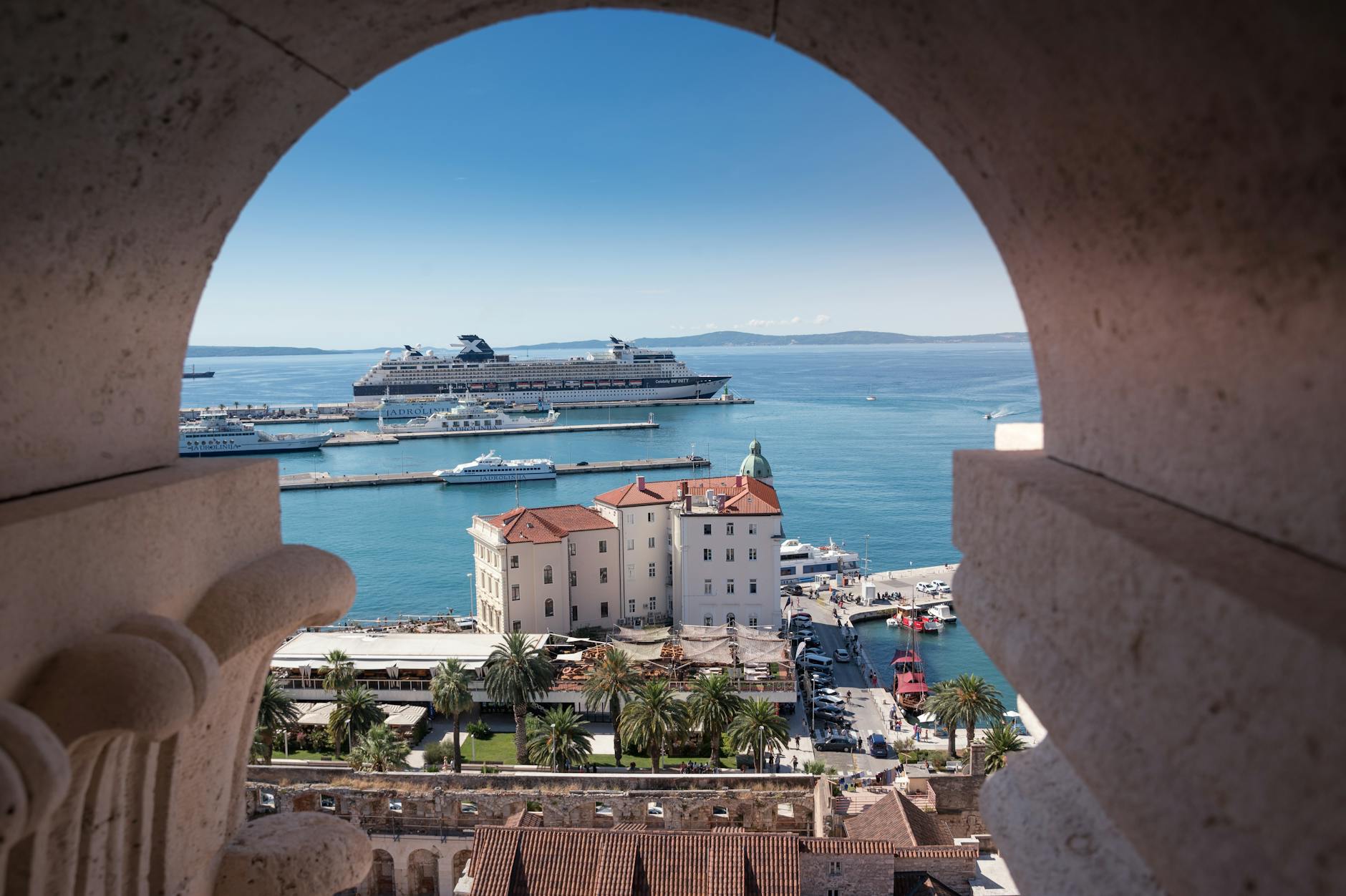
Split long benefited from being cast as Dubrovnik’s more relaxed and more affordable cousin, a city with Roman bones, seaside energy, and fewer wallet shocks. Croatia’s tourism boom is putting that advantage under strain. Reuters reported draft laws to curb short-term rentals because coastal tourism has fueled a housing affordability squeeze, with critics warning rental prices could even rise by as much as 20% next year. That is how former value destinations change in real life: not with one dramatic jump, but through fewer easy apartments, tighter summer inventory, and a steady erosion of the old middle-ground price comfort.
Kotor
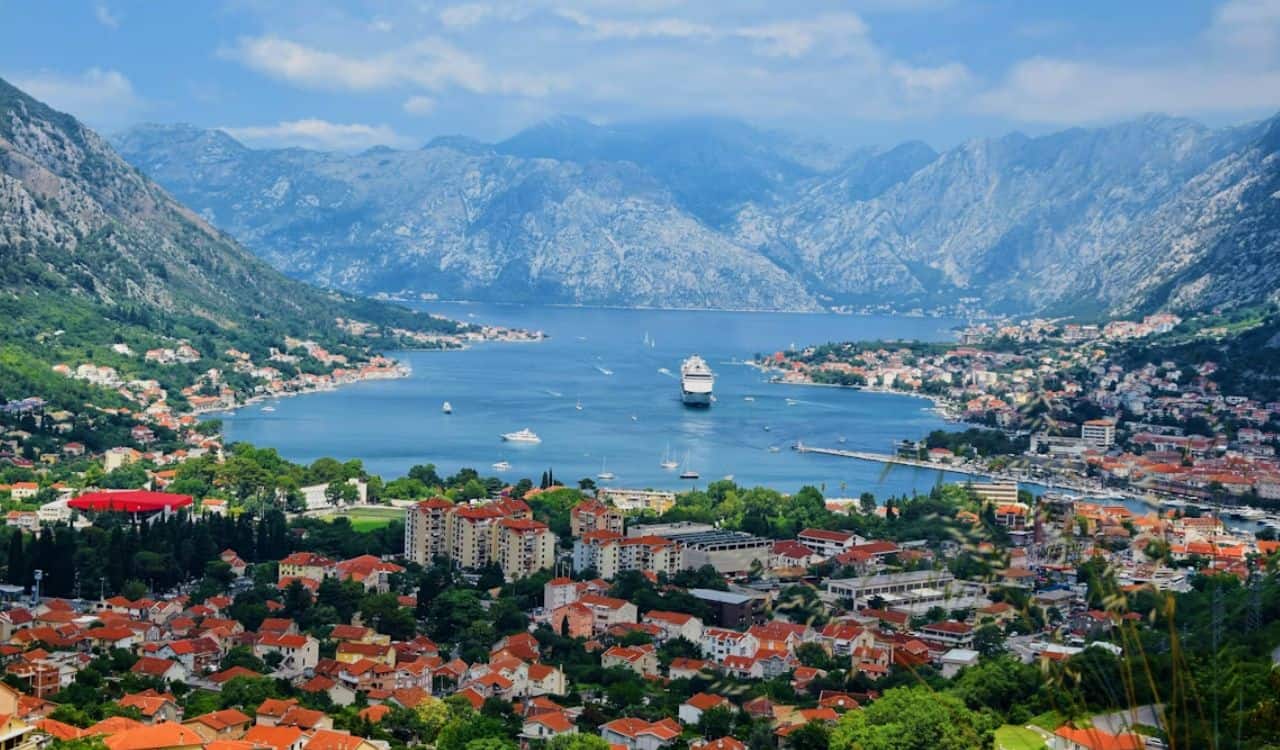
Kotor once felt like the kind of Adriatic place travelers mentioned with a little pride, as though they had arrived just before the wider world caught on. That timing has passed. Reuters reported around 500 cruise ships were expected there in 2024, with some days bringing about 5,000 visitors at once, while residents complained of clogged streets, rising housing prices, and mounting pressure on infrastructure. A destination does not need London or Paris hotel rates to stop feeling cheap. Sometimes the real cost shows up in crowding, delays, and the disappearance of the calm, low-friction experience that made the place feel like good value in the first place.
Bali

Bali still gets described online as a place where a gorgeous trip can be assembled cheaply with enough flexibility and local know-how. That advice now arrives with a lot more fine print. The island charges an official foreign tourist levy of IDR150,000 per arrival, and Reuters reported authorities backed a moratorium on new hotels, villas, and nightclubs in some areas as overdevelopment intensified. Bali can still deliver value, especially beyond the most saturated pockets, but the old fantasy of endless bargains, light traffic, and easy upgrades belongs to an earlier version of the island. Popularity has a way of rewriting price without asking permission first.
Mexico City

Mexico City spent years on budget lists as the great urban loophole, the capital where serious culture, beautiful neighborhoods, and deeply satisfying meals still cost less than outsiders expected. That gap has been shrinking for a while. Reuters reported average daily rates for short-term rentals jumped 27% to $93 in Aug. 2022 compared with the same month in 2019, and later coverage captured protests driven by anger over gentrification, overtourism, and rising rents. The city still offers range and depth that many pricier capitals cannot match. It just no longer fits the old underpriced fantasy that keeps circulating online.
Kyoto

Kyoto benefited from the weak-yen era by looking, for a moment, like a cultural heavyweight that had somehow become financially approachable. The crowds arrived right behind that idea. Reuters reported Japan posted record visitor totals in 2024 and 2025, while Kyoto’s official tourism guide says the accommodation tax rises from March 2026, with the top tier reaching ¥10,000 per person, per night on rooms priced at ¥100,000 or more. Kyoto remains extraordinary, but extraordinary and cheap are not the same thing. Once demand starts overflowing transit, streets, and lodging policy, the old bargain label usually survives longer than the bargain itself.
Athens
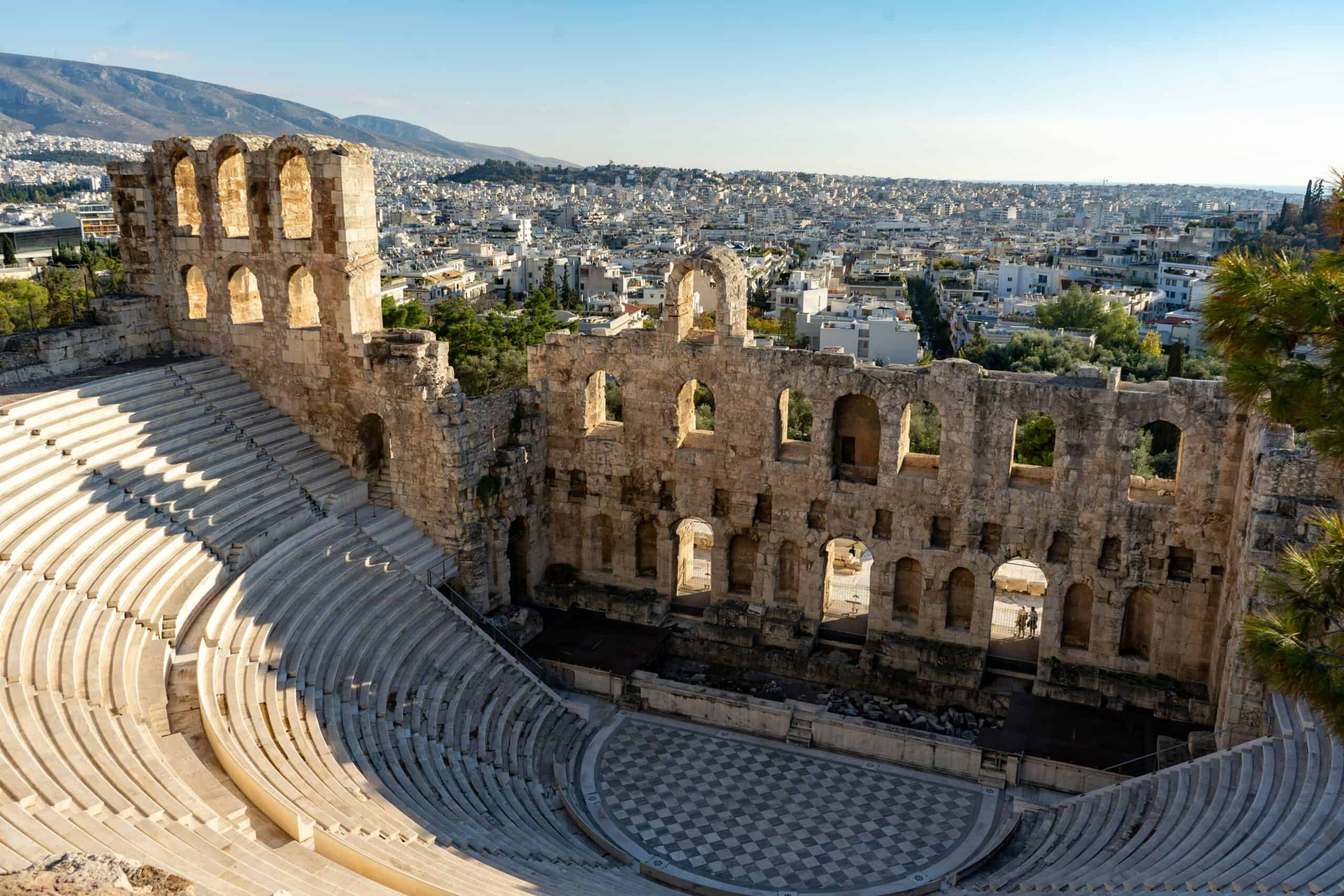
Athens used to feel like one of Europe’s smartest value plays, a city where history, food, and big-city energy still came without the usual Western European premium. Greece’s tourism surge is changing that equation. Reuters reported a one-year ban on new short-term rental licenses in three central districts beginning Jan. 1, 2025, alongside a jump in the daily tax on short-term rentals to €8 in peak season and higher hotel accommodation taxes as well. When a city starts tightening rental supply and adding new tourism charges at the same time, the old affordable reputation tends to outlive reality by at least a season or two.
Barcelona

Logan Armstrong/Unsplash
Barcelona was never dirt cheap, but it spent years living on the promise that a well-timed flight and an apartment stay could still keep the full city-break dream within reach. That calculation is getting harder to defend. Reuters reported Barcelona plans to shut all licensed short-term tourist apartments by 2028, and that the tourism tax for hotel guests can now climb to between €10 and €15 per night, while holiday-rental guests face up to €12.5. At a certain point, a destination stops being expensive only around the edges and starts charging like it knows exactly how badly people want to be there.