The Texas Gulf Coast Has Miles of Beaches. Here’s Where Tourists Go Wrong Every Single Year
We may earn money or products from the companies mentioned in this post. This means if you click on the link and purchase the item, I will receive a small commission at no extra cost to you ... you're just helping re-supply our family's travel fund.
Texas has 367 miles of Gulf Coast shoreline, and every summer, hundreds of thousands of visitors arrive expecting a Florida beach experience and leave confused, sunburned, and sometimes disappointed. The Texas Gulf Coast is genuinely great — but it is not Florida, not California, and not what the marketing photos suggest if you don’t understand what you’re looking at.
Why Texas Beach Trips Go Wrong — and the Simple Fixes
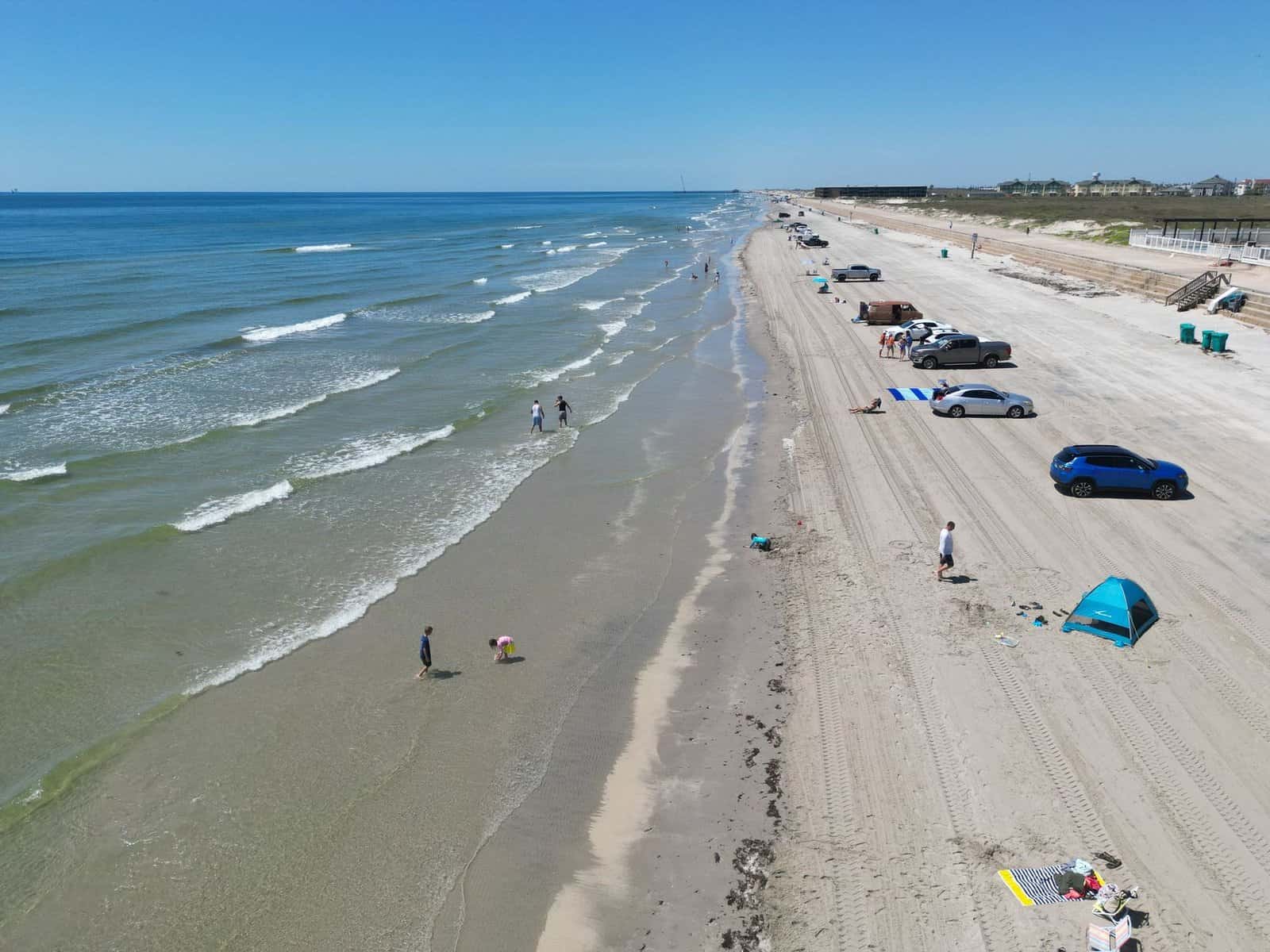
The most common complaint from first-time Texas coast visitors is the water color. Gulf water along the Texas coast is brown-green, not the turquoise of the Florida Panhandle. This is the Mississippi River’s fault — the river dumps enormous amounts of sediment into the Gulf, and Texas waters sit west of that influence. It does not affect swimming safety, but it does affect Instagram expectations. If water clarity matters to you, South Padre Island at the southern tip of the Texas coast is the closest to Florida-style clarity you’ll find.
The Corpus Christi Mistake
Corpus Christi is the largest city on the Texas coast and a common first destination for visitors. The city itself is worth visiting — the USS Lexington aircraft carrier museum, the Texas State Aquarium, and the Whataburger headquarters notwithstanding. But Corpus Christi’s beaches on North Beach are industrial-adjacent and not the relaxing experience most visitors imagine. The better move is driving 20 minutes to Padre Island National Seashore or continuing further south toward Mustang Island. Both are dramatically better beaches with less congestion.
Galveston’s Real Story
Galveston is the Houston-area beach, and Houston is the 4th largest city in America, which means Galveston on Memorial Day weekend is staggering. Seawall Boulevard becomes a parade of stopped cars. Beach access points are packed. The water near the seawall is particularly murky from runoff. What Galveston has that visitors miss: the historic Strand District, Victorian architecture that survived the 1900 hurricane, excellent seafood restaurants, and a genuine island character that makes it worth a visit outside peak summer weekends.
The Best Texas Beach Experiences Most People Never Take
- Padre Island National Seashore: 60 miles of undeveloped barrier island — the longest stretch of undeveloped barrier island in the world. No permanent structures. No crowds beyond the first 5 miles. Drive a high-clearance vehicle in and you can have miles of beach to yourself
- Port Aransas: Laid-back fishing town on Mustang Island with excellent restaurants and a ferry ride from the mainland that immediately sets the right tone
- Rockport: Small, authentic Gulf Coast town with outstanding birding, good seafood, and none of the spring break energy
- South Padre Island: Clearest water on the Texas coast, significant sea turtle conservation programs, and Laguna Madre Bay on the inland side for kayaking
When to Go
October and November are the best months on the Texas Gulf Coast — water temperature is still warm (70–75°F), crowds have evaporated, and mosquitoes have mostly retreated. Spring (March–April) is excellent if you avoid spring break weekends. Summer is hot, humid, and crowded in the popular spots. Hurricane season runs June–November; having travel insurance during this period is not optional, it’s sensible planning.
The Texas coast is best experienced by people who understand what it is: a wide, flat, windswept Gulf of Mexico shoreline with excellent fishing, good seafood, and real natural beauty. It doesn’t look like postcards, and that’s actually why the people who love it keep coming back.