The Smoky Mountains Get 14 Million Visitors a Year. Here’s What the 13.9 Million Who Drive Through Miss
We may earn money or products from the companies mentioned in this post. This means if you click on the link and purchase the item, I will receive a small commission at no extra cost to you ... you're just helping re-supply our family's travel fund.
Great Smoky Mountains National Park is the most-visited national park in the United States, with roughly 14 million visitors per year — more than twice Yellowstone’s attendance. Most of those visits follow the same pattern: arrive in Gatlinburg, drive the Newfound Gap Road through the park, stop at the Clingmans Dome viewpoint, eat at a pancake house, and leave. The park contains 522,419 acres, 800 miles of hiking trails, 100 species of native trees, synchronous fireflies that draw a national lottery, and wild elk. The Newfound Gap road corridor that carries most of the 14 million visitors is about 6 miles wide.
What the Park Actually Contains
Cades Cove, an 11-mile one-way loop road in the Tennessee section of the park, is one of the best wildlife viewing corridors in the eastern United States. White-tailed deer, black bears, wild turkey, and the reintroduced elk herd (230+ animals as of 2026) are regularly visible from the road, particularly in early morning. The Cades Cove loop is open to vehicles and, on Wednesday and Saturday mornings before 10am, is bicycle-only — one of the best wildlife cycling experiences in the South.
The synchronous firefly display — Photinus carolinus synchronizing their flashes in coordinated waves for 2 weeks in late May to early June — is accessible only by lottery (recreation.gov, typically opens in April for May dates). The waiting area is the Elkmont campground, and the display begins at dusk in the surrounding forest. This is one of the rarest natural light shows in the world: synchronous fireflies are found in only a few locations globally, and the Smokies population is the largest and most accessible. Winning the lottery is genuinely competitive.
How to Visit the Smokies Without the Gatlinburg Experience
Entry points most visitors miss:
- Cataloochee Valley (North Carolina side): the best elk viewing location in the park, accessed via a gravel road — requires advance vehicle reservation but almost no crowds
- Twentymile Trailhead: one of the least-visited corners of the park, accessed from US-129 on the North Carolina side
- Abrams Falls Trail (Cades Cove): 5-mile round trip to a 20-foot waterfall — the most rewarding moderate hike in the Tennessee section
- Cherokee, NC as a base: on the North Carolina entrance, Cherokee has lower hotel prices than Gatlinburg and the Museum of the Cherokee People (one of the best tribal museums in the Southeast)
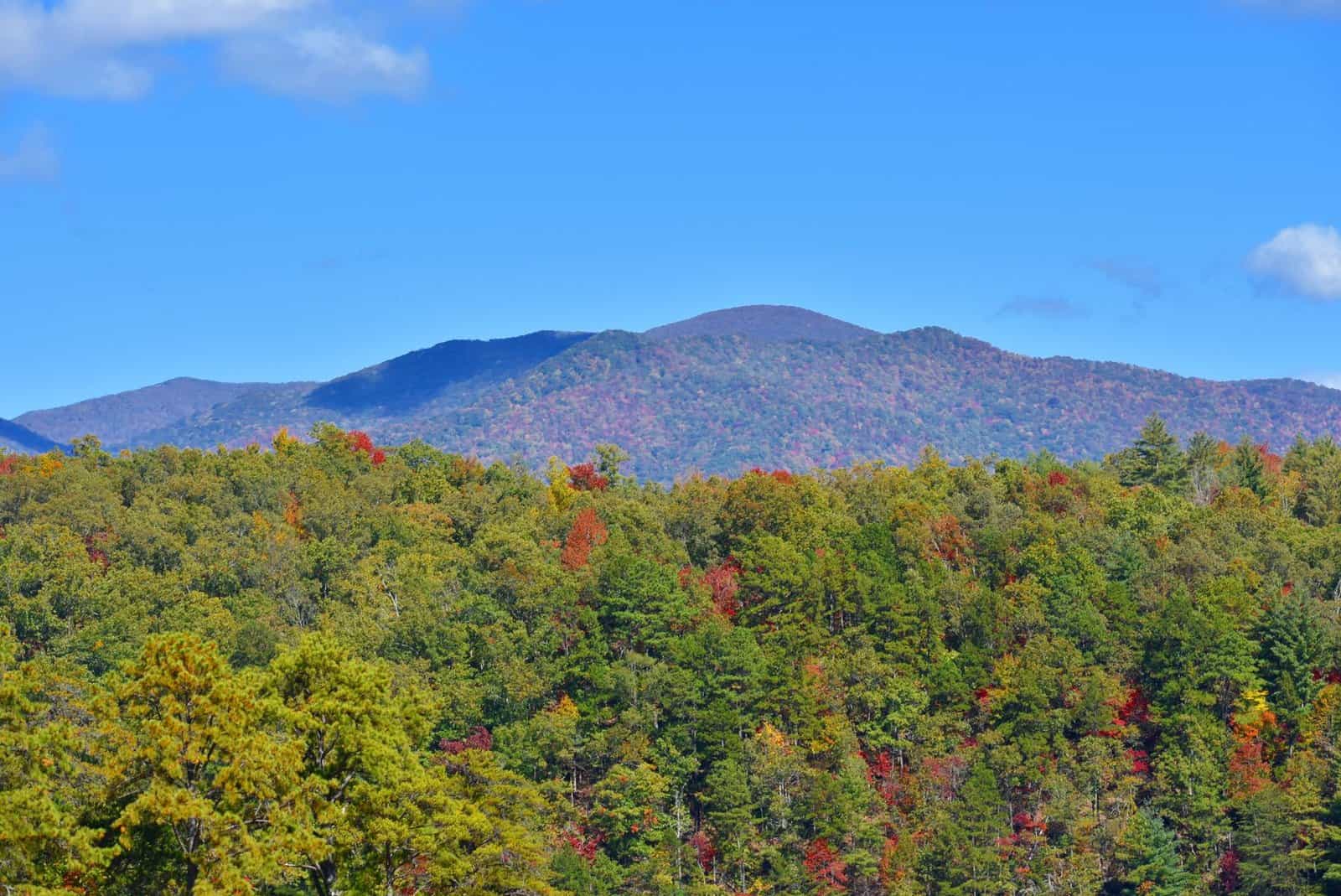
Great Smoky Mountains National Park charges no admission fee and requires no reservation for standard entry (unlike Arches or Zion). The combination of free access, extraordinary biodiversity, wildlife viewing, fall color (peak mid-October), and the firefly lottery make it the most rewarding free national park experience in the eastern United States for travelers who approach it as a park rather than a scenic drive between Gatlinburg and the Clingmans Dome parking lot.
The Appalachian Trail Context
The Appalachian Trail runs 71 miles through Great Smoky Mountains National Park — the most biodiverse section of the entire 2,190-mile trail. The diversity that earned the Smokies their name (moisture-producing tree transpiration that creates the visible blue haze) supports over 1,500 species of flowering plants, more than in all of northern Europe combined. For AT thru-hikers, the Smokies section requires backcountry shelters, permits, and advance reservations regardless of season. For day hikers, the AT within the park is accessible from multiple road-crossing trailheads and offers sections of ridge walking that provide the best long-distance views in the park without the permit complexity of the full backcountry system.
The Cherokee Nation’s Qualla Boundary, which borders the southern entrance to the park near Cherokee, NC, provides a cultural and historical dimension that most Smokies visitors miss entirely. The Museum of the Cherokee People, which reopened after major renovation in 2023, is the most comprehensive documentation of the Eastern Band of Cherokee Indians’ history, sovereignty, and contemporary culture available anywhere. The Unto These Hills outdoor drama, which has run continuously since 1950 and tells the story of the Trail of Tears, runs through the summer season. Harrah’s Cherokee Casino operates on tribal land and provides economic support for cultural programming — the relationship between tribal gaming and cultural preservation is nuanced and the museum explains it honestly.
Great Smoky Mountains rewards the visitor who arrives with a plan that avoids the Gatlinburg commercial strip, targets one or two specific natural experiences (the firefly lottery, the Cades Cove wildlife morning, the Newfound Gap road hike to Andrews Bald), and understands that the park’s most extraordinary qualities are biological and seasonal rather than architectural or monument-based. The 14 million annual visitors who drive the Newfound Gap road in July have technically been to Great Smoky Mountains National Park. The smaller number who’ve stood in a silent Cades Cove meadow at 7am watching elk graze in October mist have been to a different place entirely — and it has the same address.