The Rural New England Town I Moved to Promised Everything. Here’s the Part Nobody Put in the Real Estate Listing
We may earn money or products from the companies mentioned in this post. This means if you click on the link and purchase the item, I will receive a small commission at no extra cost to you ... you're just helping re-supply our family's travel fund.
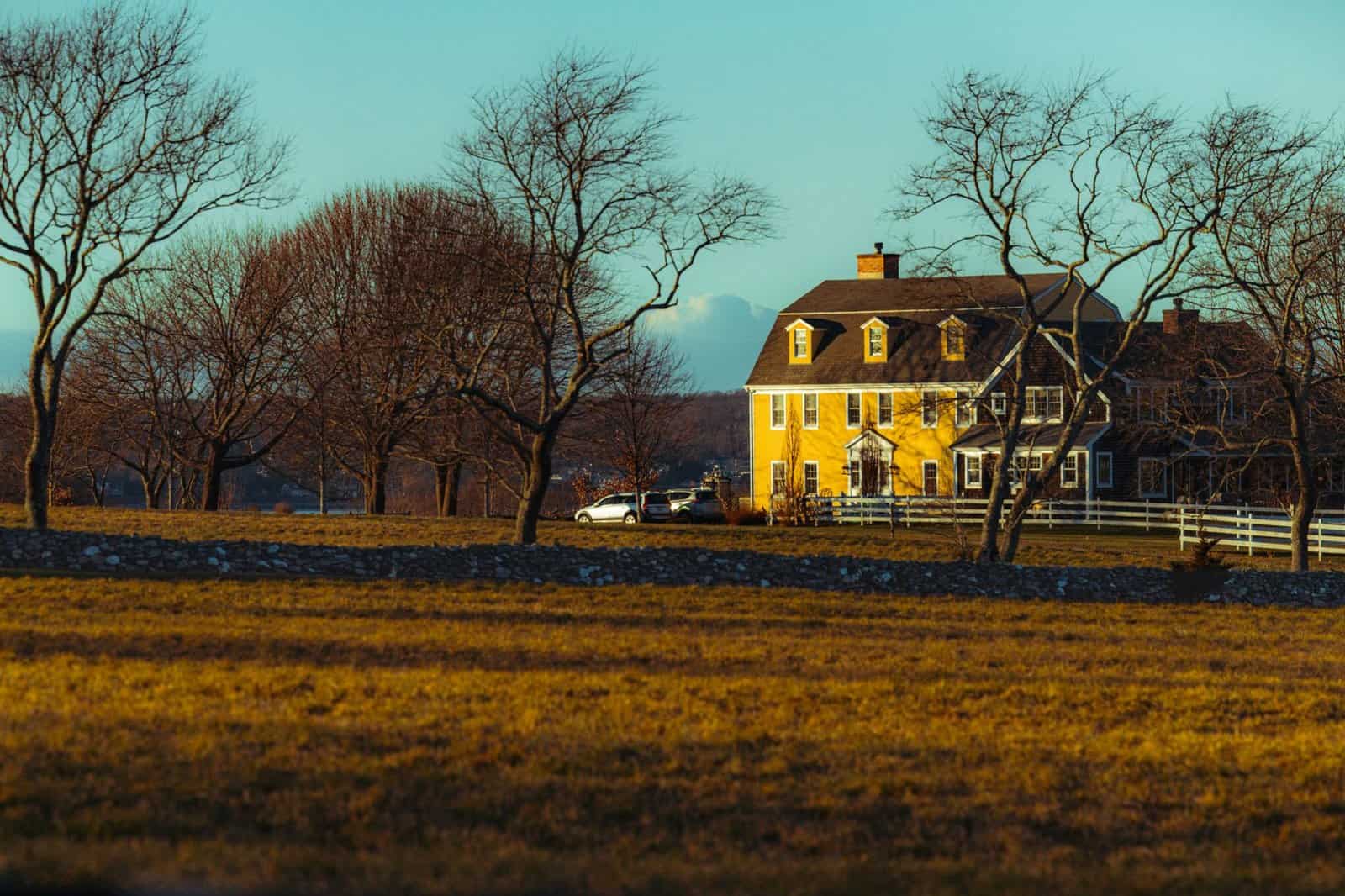
The house was a 200-year-old colonial on a dirt road with a barn, a meadow, and mountains visible from the kitchen window. The listing price was what a Boston studio apartment costs. I moved from Cambridge in February 2022, and I learned things about small-town New England that the lifestyle content doesn’t cover because the people who create it mostly moved there in the summer and left before January.
What the Photos Leave Out
The winter is longer than you think and harder than you’re ready for
Vermont, New Hampshire, and Maine winters don’t end in March. Real thaw in rural northern New England happens in April, and April in these states is mud season — not spring, not winter, but a third category that combines the worst of both. The road to my house became impassable by conventional vehicle from late March through mid-April. The well-run farms around me planned for this; I bought a truck in April because I hadn’t.
The heating bill is not a hypothetical
A 200-year-old colonial in northern New England has charm and drafts. My first heating oil bill in November was $580. December and January together were over $1,200. I had budgeted $400/month for utilities based on city experience. The actual number was $650–$850/month October through March, including oil, propane (backup), and wood (supplemental). Insulation retrofits and weatherization — real costs averaging $8,000–$25,000 for an old farmhouse — are the solution, but they’re not small numbers.
Healthcare access changes everything if you have a health condition
The nearest emergency room from my house was 40 minutes away on a good day. In February, on icy roads, it was 65 minutes. The nearest specialist clinic (cardiologist, oncologist, orthopedic surgeon) was in Burlington, 90 minutes. For the healthy person working remotely, this is background context. For anyone managing a chronic condition that requires regular specialist care, it’s a central factor that deserves honest evaluation before buying a farmhouse 30 miles from the nearest town.
The community welcomes newcomers, eventually
Rural New England communities are not unwelcoming — but the social fabric is tight and slow to include newcomers in any meaningful way. The farmers, teachers, and tradespeople who’ve lived in the town for generations are warm but don’t have particular reason to invest in a remote worker who might leave in two years. The process of becoming part of a community — joining the volunteer fire department, helping with the food shelf, showing up for town meeting — is genuinely possible and genuinely rewarding, but it takes years and requires you to show up consistently rather than occasionally.
What Was Absolutely True About the Promise
The mountain view from the kitchen window was there every morning. The dark sky — no light pollution, Milky Way visible from the yard — was real and extraordinary. The four seasons were what New England promises: genuinely dramatic, genuinely beautiful, and (in summer and fall) the setting that produced every piece of content that made me want to move there in the first place.
The honest summary: rural New England delivers everything it shows you in the October photographs. It also delivers everything in the February ones — grey, frozen, isolated, expensive to heat. The people who thrive there long-term went in knowing what February required and had made their peace with it before the first heating oil delivery. The people who leave came in thinking October was typical. Both groups experienced the same place. Only one of them was ready for it.
The Rural New England Trade-Offs — What Nobody Mentions Before You Move
The rural New England trade-offs that arrive after the initial euphoria of the move: winter road maintenance varies significantly between towns. A Vermont town road crew in February handles 60 miles of road with 3 trucks; a comparable Texas county has the same equipment on 10 miles of road that sees ice twice a year. Understanding which roads are state-maintained, which are town-maintained, and what that means in a February ice storm is information that affects quality of life from November through March.
The social integration timeline in rural New England is longer than transplants expect. Communities where families have lived for four and five generations have social structures that take years for newcomers to enter. The church, the volunteer fire department, the local historical society, and the grange are the real civic infrastructure — more durable and more socially significant than the newcomer-created wine dinners and book clubs that form around the influx. The rural New England transplants who report genuine community integration 3–5 years in are the ones who joined the volunteer fire department, showed up to town meeting every year, and didn’t try to replicate the social life they left behind in a landscape that requires a different approach.