The Olympic Peninsula Has a Rainforest, a Beach, and a Mountain Range Within an Hour of Each Other. Almost Nobody Plans Enough Time For It
We may earn money or products from the companies mentioned in this post. This means if you click on the link and purchase the item, I will receive a small commission at no extra cost to you ... you're just helping re-supply our family's travel fund.
The Olympic Peninsula, tucked into the far northwest corner of Washington State across the water from Seattle, contains one of the strangest concentrations of distinct ecosystems in the continental United States. Within a single day’s drive, a visitor can stand in a temperate rainforest that receives over 140 inches of rain a year, walk a rocky Pacific beach littered with driftwood the size of cars, and look up at glaciated peaks in Olympic National Park. Most people plan two days for the whole peninsula. That is roughly half of what it actually takes.
The Hoh Rain Forest Is Real, and It Is Far
The Hoh Rain Forest is the peninsula’s signature attraction, a temperate rainforest thick with Sitka spruce and bigleaf maple draped in club moss, and it earns the reputation. But getting there from Seattle is a genuine undertaking: it typically takes four to five hours including a ferry crossing, and the last stretch is a slow two-lane road with no gas stations for long stretches. Visitors who treat it as a day trip from Seattle usually arrive exhausted, rush the Hall of Mosses trail in under an hour, and leave without understanding why anyone would drive that far for a walk in the woods.
The honest math: a proper visit to the Hoh needs at least a night nearby, either in Forks or at one of the small lodges closer to the park entrance, because the forest is genuinely most striking in early morning light and fog, conditions a rushed midday visitor never sees.
Forks Is a Real Town, Not Just a Twilight Reference
Forks, Washington, population around 3,300, became internationally known as the setting of the Twilight novels, and the town leaned into it hard, with a Twilight-themed gift shop and murals. But Forks predates the vampire tourism by more than a century as a logging town, and the timber industry’s decline hit it the way it hit most Pacific Northwest logging communities: hard, with few obvious replacements. Twilight tourism, whatever locals privately think of it, has been a genuine and unusual economic lifeline for a town that otherwise had few reasons for outsiders to stop.
Port Angeles Is the Actual Hub
Port Angeles, on the peninsula’s north side facing the Strait of Juan de Fuca, functions as the practical base for most visitors: it has the widest selection of hotels, the Olympic National Park visitor center, and a ferry connection to Victoria, British Columbia, that lets ambitious travelers turn the trip into a two-country loop. Port Angeles is not scenic in the way Hoh or the coastal beaches are; it is a working harbor town, and locals describe the town itself candidly as functional rather than beautiful, useful as a base rather than a destination.
A Realistic Itinerary
- Day one: drive from Seattle via the ferry, base in Port Angeles, visit Hurricane Ridge for mountain views if weather cooperates
- Day two: drive to the Hoh Rain Forest, stay near Forks overnight
- Day three: visit Rialto Beach or Ruby Beach on the Pacific coast before heading back
The Cost Nobody Mentions
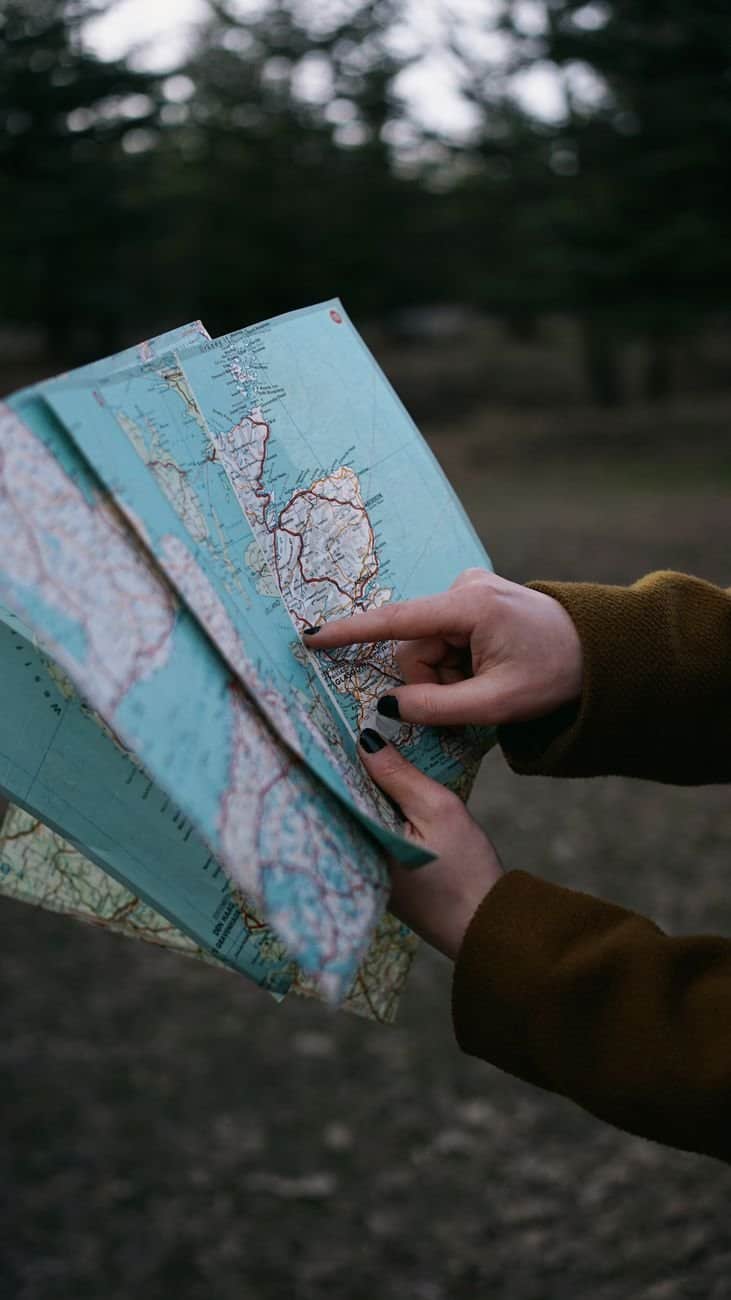
Hotel options on the peninsula are limited and fill up fast in summer, which means prices spike disproportionately to the actual quality of the rooms. A basic motel in Forks can run $150 to $200 a night in July, comparable to much nicer accommodations closer to Seattle, simply because supply is so constrained. Gas is also genuinely a consideration: stretches of highway between towns can run 40 or 50 miles without a station, and the peninsula’s total driving loop, done properly, covers several hundred miles. Visitors who budget for a quick two-day trip almost always end up wishing they had built in a third day, mostly because the distances between the peninsula’s signature sights are larger than they look on a map.
The Wildlife Nobody Mentions Until You See It
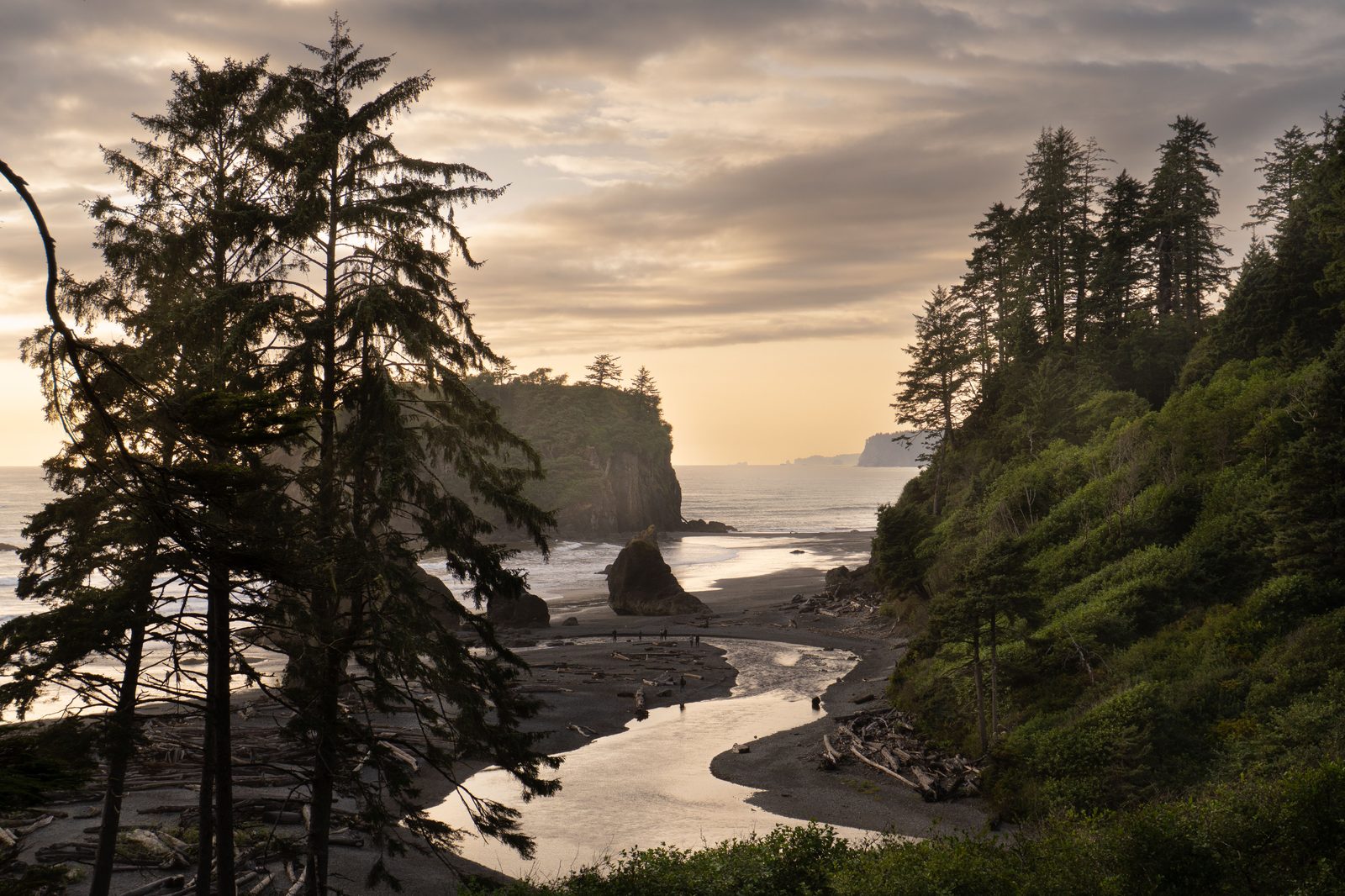
Beyond the Hoh’s mossy canopy, the Olympic Peninsula supports an unusually dense population of Roosevelt elk, the largest subspecies of elk in North America, along with black bears, mountain goats introduced decades ago on the higher peaks, and a coastline that hosts tide pools thick with anemones, sea stars, and the occasional stranded gray whale carcass that draws researchers from as far as Seattle. Rialto Beach and Ruby Beach, both on the park’s Pacific-facing edge, are known for sea stacks — isolated rock formations just offshore — that create some of the more dramatic coastal photography in the continental United States, distinct from anything on the Atlantic or Gulf coasts.
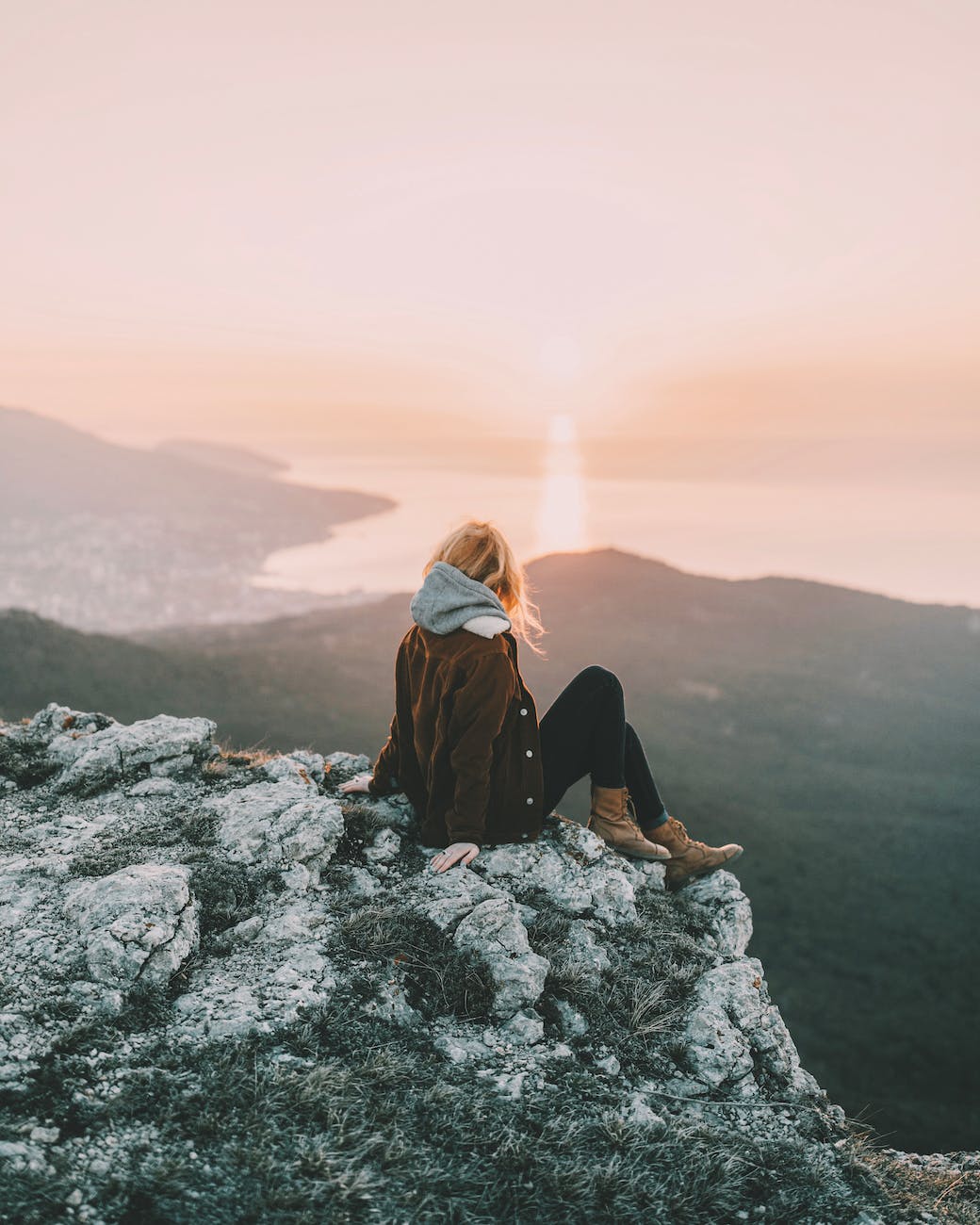
The peninsula’s interior, dominated by the Olympic Mountains and largely inaccessible except by serious backcountry hiking, keeps much of the range essentially wild and unvisited even by Washington State standards. Hurricane Ridge, accessible by a paved road from Port Angeles, is the one spot where a casual visitor can get a mountain view without a multi-day backpacking trip, though the road closes seasonally and can be fogged out entirely depending on weather, another reason a rigid one-day itinerary tends to disappoint visitors who don’t build in flexibility.
The Ferry Is Part of the Experience, Not Just Transportation
Most routes from Seattle to the Olympic Peninsula involve a Washington State Ferries crossing, either from Seattle to Bainbridge Island or from Edmonds to Kingston, and the ferry itself has become something visitors build time around rather than rush through. The crossing offers views of the Seattle skyline and, on clear days, Mount Rainier in one direction and the Olympic Mountains in the other, and travelers who plan a leisurely ferry crossing rather than treating it as a bottleneck tend to arrive on the peninsula in a noticeably better frame of mind for the long drive that follows.
Weather adds another layer of complexity to timing an Olympic Peninsula trip well. The peninsula’s west side, where the Hoh Rain Forest sits, receives dramatically more rainfall than the drier northeast corner near Sequim, a town locals call the peninsula’s “blue hole” because it sits in a rain shadow created by the Olympic Mountains. A visitor who checks the weather for Port Angeles and assumes it applies to the Hoh Rain Forest an hour and a half away can be badly misled, since the two microclimates barely resemble each other despite the short driving distance between them. Packing for genuine rain, even in summer, is close to mandatory for anyone heading toward the rainforest side of the park.