The Okefenokee Is North America’s Largest Blackwater Swamp. Here’s Why Late Fall Is the Smartest Time to Paddle It
We may earn money or products from the companies mentioned in this post. This means if you click on the link and purchase the item, I will receive a small commission at no extra cost to you ... you're just helping re-supply our family's travel fund.
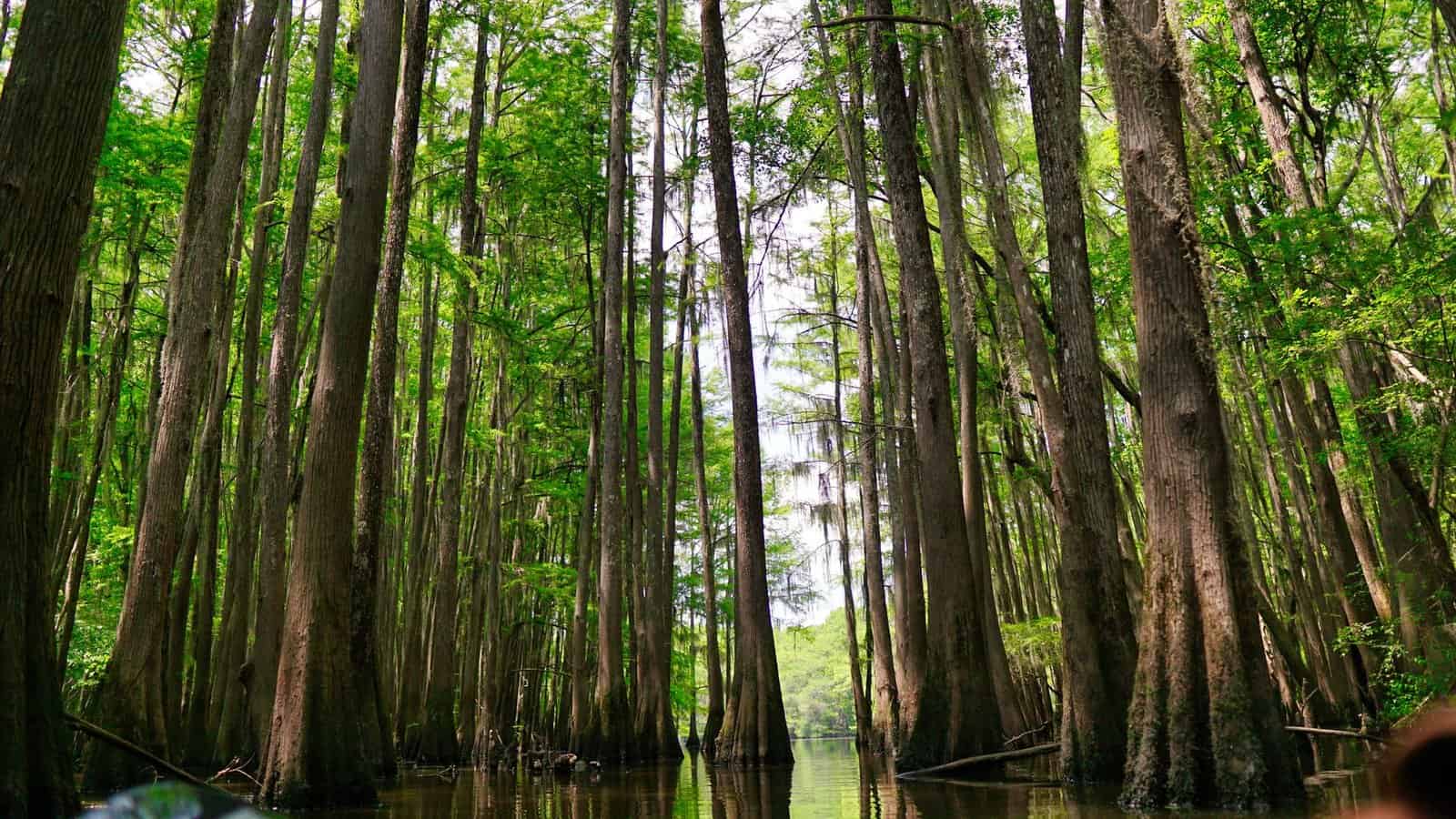
The Okefenokee Swamp in southeast Georgia and northeast Florida covers about 438,000 acres, making it North America’s largest blackwater swamp. Its water is stained dark by tannins from decaying plants, which turns the surface into a mirror for cypress trees and clouds. Paddling the Okefenokee Swamp is the best way to see it, and most of the protected area lies inside Okefenokee National Wildlife Refuge.
Here is why late fall is the smartest time to go: the heat breaks, the humidity drops, and the biting insects that make summer paddling miserable mostly disappear. Sandhill cranes start arriving for the winter. Alligators still bask on warm afternoons. You get comfortable paddling weather, active wildlife, and quieter water before the late-winter crowds and the spring bug season.
Why Late Fall Is the Smartest Time to Paddle the Okefenokee
Summer in the Okefenokee is hot, humid, and buggy. Deer flies and mosquitoes can be relentless, and afternoon thunderstorms roll in often. By November, that changes. Highs often settle in the 60s and 70s, nights cool off, and the insects fade with the first cold snaps.
Several things make the season work:
- Fewer bugs. Cooler weather sharply reduces mosquitoes and biting flies.
- Comfortable temperatures. You can paddle for hours without overheating.
- Wildlife activity. Wintering birds arrive, including sandhill cranes, which use the swamp’s prairies from fall into winter.
- Alligators. They slow down in cold weather but still haul out to bask on sunny days, which makes them easier to spot.
- Clearer views. Some plants die back, and the low autumn sun lights the cypress and water.
The main trade-off is shorter days. The refuge’s hours change with the season, and from November through February, the refuge is generally open from about half an hour before sunrise until 5:30 p.m. Plan your paddle so you are off the water well before closing.
The Four Main Entrances
The Okefenokee is huge, and where you enter shapes your trip. There are four main access points.
- Suwannee Canal Recreation Area, near Folkston on the east side. This is the refuge’s main entrance, with a visitor center, boat ramp, guided boat tours, canoe and kayak rentals, the Swamp Island Drive, and the Chesser Island Boardwalk with an observation tower.
- The state park at Fargo, on the west side, long known as Stephen C. Foster State Park. It sits deep in the swamp and offers boat tours, rentals, cabins, and camping. It is the best entry for the Suwannee River headwaters and Billy’s Island.
- Okefenokee Swamp Park, near Waycross on the north side. It is a privately run attraction with boat tours, exhibits, and boardwalks.
- Kingfisher Landing, on the east side north of Folkston. It is a quiet launch for paddlers heading into the swamp’s open prairies and overnight trails.
For a first trip, the Suwannee Canal Recreation Area or the state park at Fargo gives you the most support, from rentals to guided tours.
What Paddling the Okefenokee Swamp Is Like
The swamp is not one landscape. It is a patchwork of open prairies, cypress forests, small lakes, and islands. Water trails are marked with numbered posts, and much of the paddling is on narrow channels through grass, lily pads, and trees.
The water is usually calm, with little current. That makes it beginner-friendly, but the scale can be confusing. Stick to marked trails, carry a map, and turn around with plenty of daylight left.
From the Suwannee Canal Recreation Area, a popular route follows the Suwannee Canal, a straight channel dug in the late 1800s during a failed attempt to drain the swamp. It leads toward Chesser Prairie and Chase Prairie, open areas with wide views. From Fargo, routes lead through cypress forests to Billy’s Lake and the Suwannee River sill area.
Wildlife You Might See
Late fall is one of the richest times for wildlife watching in the Okefenokee. Possible sightings include:
- American alligators, often basking on banks or floating near the surface.
- Sandhill cranes, which feed in the open prairies and call loudly at dawn.
- Wading birds such as great blue herons, egrets, and ibises.
- Wood ducks and other waterfowl.
- Turtles sunning on logs on warm days.
- River otters, which are shy but sometimes seen in quiet channels.
Give alligators plenty of space. They are usually wary of people, but you should never approach, feed, or paddle close to them. Keep hands and feet inside your boat.
Guided Tours vs. Paddling on Your Own
If you are new to swamp paddling, a guided trip is a good start. Concessions at the Suwannee Canal Recreation Area and the state park at Fargo offer guided boat tours and paddling trips. Guides point out wildlife, explain the swamp’s history, and handle navigation.
Experienced paddlers can rent canoes or kayaks and head out on day trails. For longer trips, the refuge offers overnight wilderness canoe trips with camping on raised platforms in the swamp. These require permits and reservations, and late fall and winter are peak season for them because of the cooler weather. Book early.
What to Bring
A swamp paddle in late fall still needs planning:
- Layers. Mornings can be cold and afternoons warm.
- Water and snacks. There are no services once you leave the landing.
- A map and a charged phone, though cell signal is weak or absent in much of the swamp.
- Sun protection, since open prairies offer little shade.
- Binoculars for birding.
- A dry bag for keys, phone, and extra clothing.
Insect repellent is still worth packing, since warm spells can bring mosquitoes back for a few days.
Fees and Practical Details
The refuge charges an entry fee per vehicle at the Suwannee Canal Recreation Area, and America the Beautiful passes are accepted. The state park at Fargo charges its own parking or entry fee. Guided boat tours and rentals carry separate fees that vary by trip length.
Prices change, so check the refuge and Georgia State Parks websites before you go. Overall, a day trip with a rental or a guided tour is affordable compared with many wildlife attractions.
Fire, Water Levels, and Closures
The Okefenokee is a fire-shaped landscape. Large wildfires have burned parts of the swamp during droughts, and the refuge uses prescribed fire to manage habitat. Drought can also drop water levels and close some trails.
Before your trip, check the refuge’s current conditions. Water levels, fire activity, and trail closures can change from week to week. Calling the visitor center or checking online alerts saves you a long drive to a closed trail.
Where to Stay
Folkston is the closest town to the main east entrance and has a few motels and small inns. It is also known for the Folkston Funnel, a spot where many trains pass, popular with rail fans. Waycross, on the north side, has more lodging and restaurants.
The state park at Fargo offers cabins and campsites inside the swamp, which is the most immersive option. Cabins book well in advance for fall and winter. Staying there lets you paddle at sunrise, when the water is calm and wildlife is most active.
A Sample Late-Fall Paddling Day From Folkston
If you base yourself at the east entrance, a full day might look like this:
- Arrive at the Suwannee Canal Recreation Area when the refuge opens, about half an hour before sunrise.
- Paddle the Suwannee Canal toward Chesser Prairie in the cool morning, when birds and alligators are active.
- Return before lunch and eat at the picnic area near the visitor center.
- Walk the Chesser Island Boardwalk in the afternoon and climb the observation tower for a view over the prairie.
- Drive the Swamp Island Drive, stopping at the restored Chesser homestead, before the 5:30 p.m. closing time.
That plan gives you both water and land views of the swamp. It also keeps you off the water in the late afternoon, when the light fades quickly in November and December.
Swamp History Worth Knowing
People have lived in and around the Okefenokee for thousands of years. Native peoples used the islands, and the name Okefenokee is often translated as “land of the trembling earth,” a reference to peat mats that shift underfoot.
In the late 1800s, the Suwannee Canal Company tried to drain the swamp for farming and timber by digging a canal. The effort failed, but the canal remains and is now one of the most popular paddling routes. Later, logging companies cut much of the old-growth cypress. The refuge was created in 1937, and the swamp has slowly recovered since. Homesteads like the Chesser family site show how settlers lived on swamp islands, raising crops and livestock in a tough environment.
Knowing that history makes a paddle more meaningful. The straight lines of the canal and the regrown cypress forests are signs of both human ambition and the swamp’s ability to recover.
Why the Okefenokee Matters
The Okefenokee is one of the most intact freshwater ecosystems in the country. It is the headwaters of the Suwannee River and the St. Marys River, and it supports a wide range of wildlife. The national wildlife refuge was established in 1937 to protect it.
Paddling here in late fall shows the swamp at its best. The air is cool, the water reflects the cypress, and cranes call over the prairies. It is a place that feels far from the modern world, and the quiet season is when that feeling is strongest.