The North Cascades Highway Closes Every Winter. Here’s What Winthrop and Mazama Do for About 5 Months
We may earn money or products from the companies mentioned in this post. This means if you click on the link and purchase the item, I will receive a small commission at no extra cost to you ... you're just helping re-supply our family's travel fund.
Every late fall, Washington’s State Route 20 closes to cars across the North Cascades, and it does not reopen until spring. The gates shut on a roughly 35-mile stretch between Diablo on the west and the Methow Valley on the east, and the closure usually lasts about five months, sometimes longer. People assume that the towns on the eastern side, Winthrop and Mazama, go dormant. They do not. The North Cascades Highway closure changes how people reach them, and the towns turn into winter places, with a different set of customers, a different pace, and a different economy.
North Cascades Highway Closure: What Changes

State Route 20 crosses the mountains over Rainy Pass at about 4,875 feet and Washington Pass at about 5,477 feet. Avalanche chutes run above the road, and the Washington State Department of Transportation closes it each winter when snow loads become unsafe, usually around mid-November to early December. Crews begin clearing in late winter or early spring, and the reopening date varies with snowfall, from April in light years to May or later in heavy ones. WSDOT posts the current status, and the date is the one thing every local watches.
For Seattle drivers, the closure matters because it removes the shortest route. The usual three-and-a-half to four-hour drive to Winthrop becomes a detour over Stevens Pass on US 2 to Wenatchee and then north along the Columbia River and up Highway 153, which can take about five hours or more. The rest of the state’s tourism calendar shifts around that fact. Summer visitors from the west side arrive by the thousands over the pass. Winter visitors arrive by the detour, in smaller numbers, and with a different goal.
What Two Small Towns Do for Five Months
1. Winthrop: The Old West Town That Becomes a Ski Town
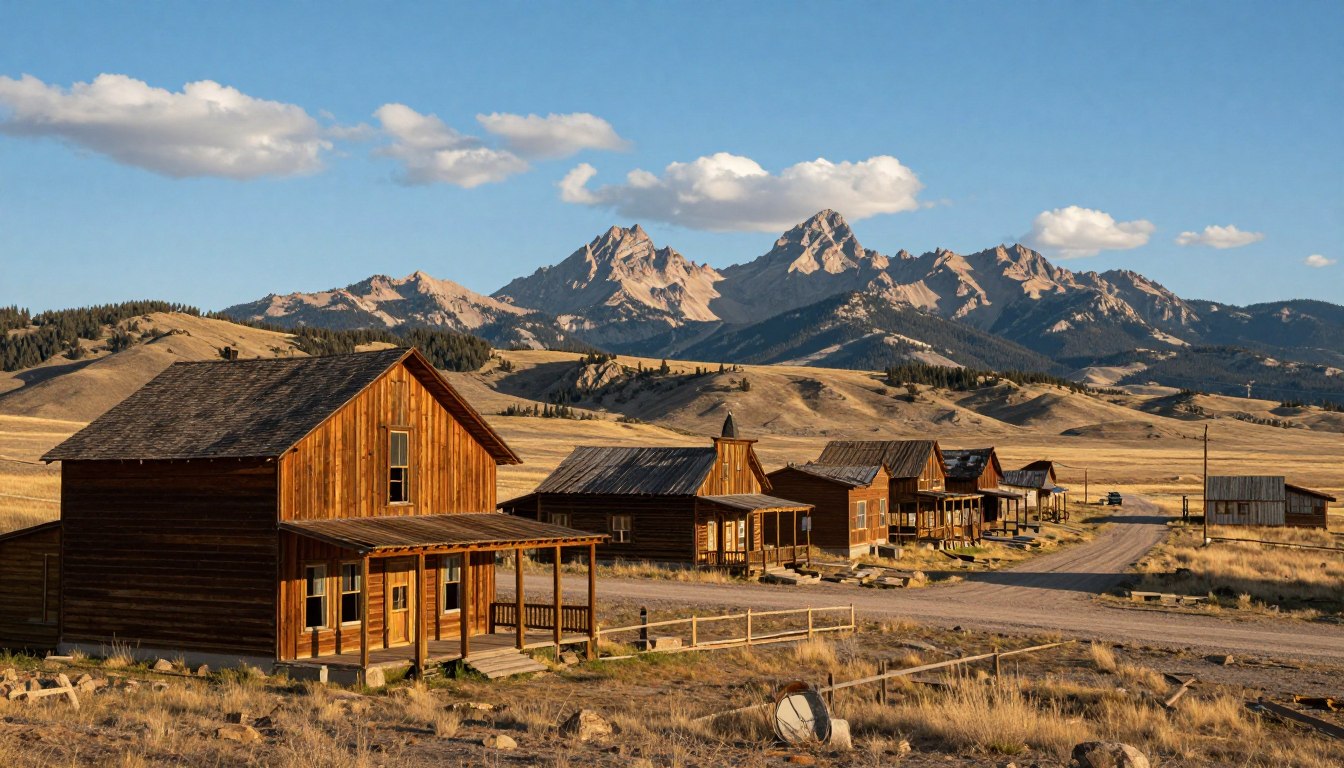
Winthrop is a town of about 500 people in Okanogan County, and its main street looks like an Old West set because the town adopted a western theme in the early 1970s, when the highway was being built and its leaders expected a stream of travelers. Wood boardwalks, false fronts, saloons, and a bakery make up the center. In summer, it fills with visitors on their way across the pass.
In winter, the same town becomes the hub of a different business. Winthrop sits at the north end of the Methow Valley Sport Trails system, which grooms roughly 120 miles of cross-country ski trails and is often described as one of the largest groomed Nordic networks in North America. A trail pass for the season or the day funds the grooming, and day passes cost in the range of $25 to $35 at typical rates, with discounts for seasonal passes. Check Methow Trails for current prices and trail conditions.
What the town does in the winter:
- Nordic skiing. Ski rental shops, lodges, and restaurants build their calendars around the snow. Guests can ski from the edge of town onto groomed trails.
- Snowshoeing and fat biking. Trails and sno-parks welcome those who do not ski.
- Festivals. The town hosts winter events, including holiday lighting and community gatherings.
- Local business. Restaurants and shops keep shorter hours, but many stay open on weekends and holidays.
- Locals-first dining. Winter is when residents have the town to themselves, and many places shift to local-friendly menus and prices.
The cost is that winter business is thinner and more dependent on snow. A low-snow year can be hard on rental shops and lodges, and the closure of the highway cuts off west-side traffic.
2. Mazama: A Quiet Outpost at the End of the Plowed Road
Mazama is a tiny community about 13 miles northwest of Winthrop, at the foot of the road that climbs toward Early Winters and the pass. It has a few hundred residents and a small store, lodging, and trailheads. In summer, it is the last place for coffee, fuel, and supplies before the climb into the high country. In winter, the road ends a few miles beyond it at the highway gate, and the town becomes the center of the valley’s back-country scene.
What Mazama does in the winter:
- Ski trails and huts. The Rendezvous Huts, a system of backcountry cabins, are reached by skiing or snowshoeing, and they are a draw for people who want a quiet overnight.
- Lodging. Inns and lodges focus on ski guests, with packages that include trail access.
- The community store. The Mazama Store is a gathering place with a bakery and a deli, and it becomes a daily stop for skiers.
- Backcountry access. With the highway closed to cars, the upper road becomes a place for skiers and snowshoers. The closure adds a sense of seclusion.
The tradeoff is that Mazama’s services are minimal, and you need to plan ahead. Fuel, groceries, and medical care are in Winthrop or Twisp, a half hour or more away.
The Economics of a Five-Month Closure
The closure forces local businesses to think in two seasons. Summer pays for the year, with high lodging rates and busy restaurants, and winter fills in with reduced but steady income. Some businesses close for a few weeks in spring, the mud season, after the ski trails thaw and before the highway opens. Many hire seasonal staff, and some workers move from summer jobs in the park or on fire crews to winter jobs at the ski trails.
Here is how the pattern usually works:
1. Late fall. The highway closes, and the first snow arrives. Businesses prepare for a slower period. 2. Midwinter. Skiers arrive, especially on holidays and weekends. Trail passes and rentals fund local jobs. 3. Late winter. Snow lingers on the trails, and the county sees a final push of visitors. 4. Spring. The highway opens, and the town prepares for the summer.
The reopening is a celebration. Locals and travelers gather to watch plows and the first cars cross.
How to Visit During the Closure
A winter trip is worth considering if you like snow and quiet.
- Check the weather and road status. Use WSDOT for highway conditions, and check local road reports for the valley.
- Book lodging early for holidays. Rooms are limited, especially around Christmas and presidents’ weekend.
- Bring tire chains and winter gear. Mountain driving requires traction devices at times.
- Plan for the detour. Add time for the longer route from Seattle.
- Rent equipment locally. Ski shops know the trails and the conditions.
- Be flexible. Snow and avalanche conditions can change plans.
Why the Highway Is Such a Big Deal
The North Cascades Highway opened in September 1972, after decades of debate and construction, and it was the last of Washington’s major cross-state passes to be completed. Before it opened, the Methow Valley was a remote cattle and orchard country reached by long loops from the Columbia River side. The new road tied the valley to Puget Sound, and local leaders in Winthrop saw a chance to draw the travelers who would use it. That is the reason the town built its Western storefronts at about the same time.
Today the highway is the spine of the Cascade Loop, a scenic route that connects Puget Sound, the mountains, the Methow Valley, and the Columbia River country. When it closes, the loop turns into a long out-and-back, and local tourism groups promote winter trips that arrive from the east side or from Wenatchee. That is why you will see far more cars with Spokane and Wenatchee plates in winter than with Seattle plates, even on weekends when the west side has fresh snow.
The Other Side of the Gate
The western side of the closure has its own small communities. Marblemount, Newhalem, and Diablo sit along the Skagit River and the Skagit hydro project, and they serve visitors headed for the North Cascades National Park Service Complex. In winter, these places are quiet. The Seattle City Light company town of Newhalem and the visitor center close to the public for the season, and the road beyond Colonial Creek campground is the last place to stop before the gate. Bald eagles gather along the Skagit River in winter to feed on spawned-out salmon, and eagle-watching tours bring a different group of visitors to the west side from December through January.
For west-side towns, the closure means a short season and a long wait. For the east-side towns that have built a ski economy, the closure is more of a change of costume.
Winter Tips From the Valley
- Book a ski-in lodge or a cabin early. The best spots near the trails fill up for weekends.
- Use the free or low-cost sno-parks. Washington requires a Sno-Park permit at many winter trailheads, so check the state parks website before you go.
- Ask about the winter menu. Many restaurants shift to hearty fare, such as soups, stews, and baked goods.
- Support the trails. Even if you only snowshoe, buy a trail pass or donate, since the grooming is paid for largely by users.
- Respect the avalanche signs. If you head into the backcountry, check the avalanche forecast, carry rescue gear, and know how to use it.
The Takeaway
The North Cascades Highway closure does not take Winthrop and Mazama out of the game. It changes the game. A Wild West tourist stop becomes a Nordic ski town, and a trailhead hamlet becomes a winter gateway. For five months, the towns are quieter, more local, and more dependent on snow, until the plows open the pass and the cycle starts again.