Tucson Has 350 Days of Sun a Year and Home Prices Under $350K. Here’s Why More People Aren’t Moving There
We may earn money or products from the companies mentioned in this post. This means if you click on the link and purchase the item, I will receive a small commission at no extra cost to you ... you're just helping re-supply our family's travel fund.
Tucson should be an obvious destination for cost-conscious movers fleeing California, Seattle, and Denver. The weather is extraordinary. The landscape is dramatic. The housing prices are a fraction of comparable Sun Belt cities. And yet Tucson keeps getting skipped in favor of Scottsdale, Boise, and Austin. Here’s the honest reason — and what people who chose Tucson anyway found when they got there.
What Tucson Actually Offers
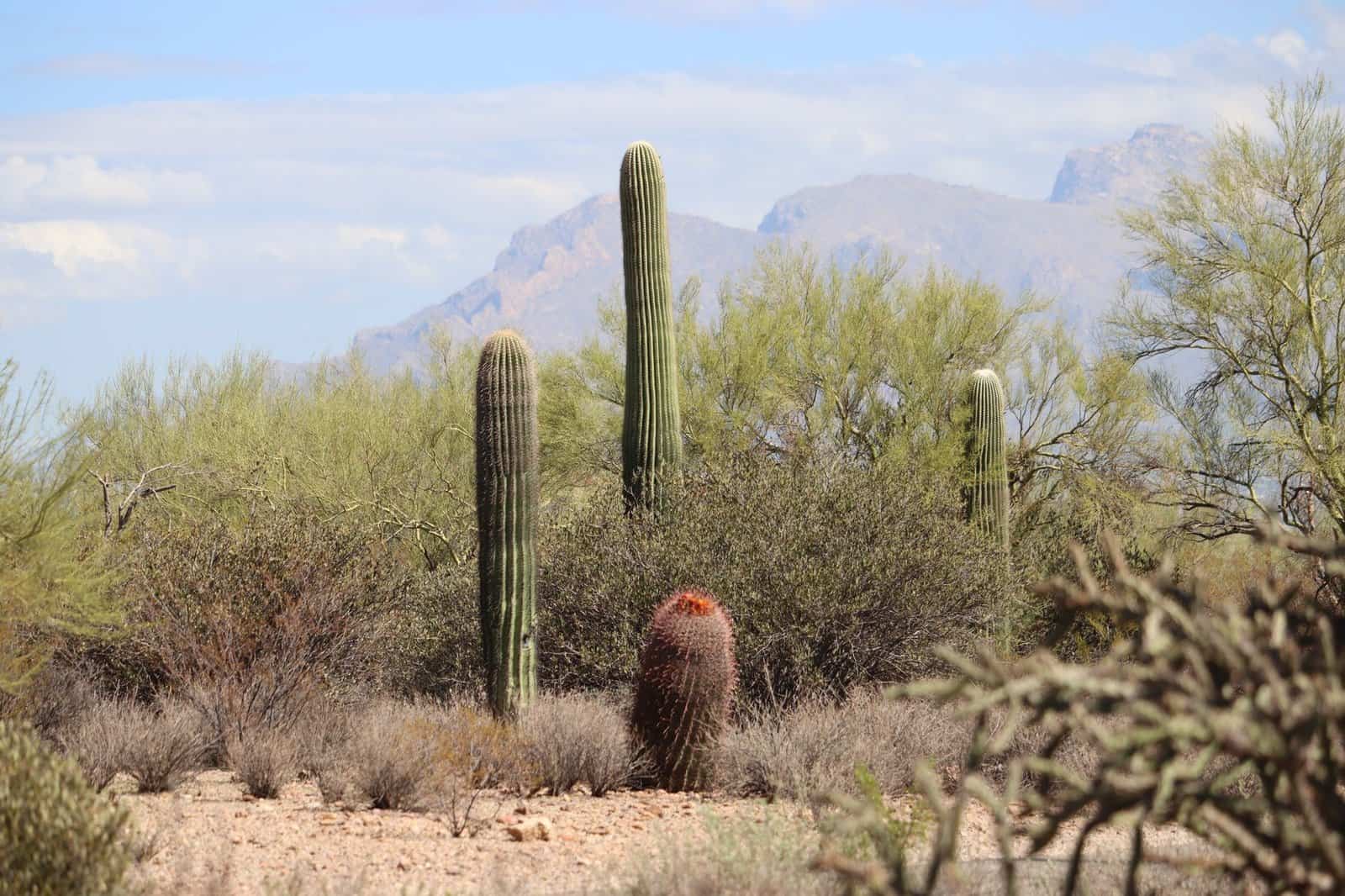
Saguaro National Park — split into two districts flanking the city — is essentially urban open space with hiking trails that start within 30 minutes of downtown. The Santa Catalina Mountains rise 9,000 feet above the city’s northern edge, visible from everywhere, accessible by a single scenic highway that climbs from desert to Canadian-zone pine forest in 45 minutes. The Sonoran Desert surrounding Tucson is the most biologically diverse desert in North America — blooms in spring, dramatic monsoon storms in July and August, and a landscape that rewards anyone willing to learn what they’re looking at.
The University of Arizona gives Tucson a cultural and intellectual infrastructure that a city of 550,000 might not otherwise have. The Gem and Mineral Show every February draws the international gem trade to the city for two weeks and is one of the most genuinely interesting annual events in the Southwest. The food scene has grown significantly, anchored by the city’s UNESCO City of Gastronomy designation — a recognition of the region’s deep Sonoran food culture, distinct from anything else in the United States.
The Cost of Living Numbers
Housing in 2026:
- Median home price: approximately $320,000
- Homes under $280,000 exist in stable, established neighborhoods
- Foothills area (near Catalinas): $500,000–$900,000
- Two-bedroom apartment rent: $1,150–$1,500
Monthly budget for a couple:
- Rent: $1,200–$1,500
- Groceries: $450–$600
- Utilities: $200–$280 (air conditioning drives summer utility bills)
- Transportation: car required; gas near national average
Why People Skip Tucson — And Whether Those Reasons Hold Up
“It’s too hot”
Tucson’s summer heat is real — June and July average high temperatures above 100°F. But the desert dry heat behaves differently from humid heat. And critically, the elevation of 2,389 feet makes Tucson significantly cooler than Phoenix (1,086 feet), which is often cited as the heat reference point. The monsoon season from July through September brings genuine storms, dramatically lower temperatures, and a humidity that the desert city actually welcomes. November through April is extraordinary — highs in the 65–75°F range, almost no precipitation, and outdoor activities that are available year-round that most of the country can only access six months a year.
“The economy is weak”
This is the criticism that actually has the most merit. Tucson’s per-capita income and wage levels are below national averages, and the local economy historically hasn’t supported the professional incomes that the housing costs in other Sun Belt cities reflect. Remote workers with portable higher salaries can make the math work brilliantly — $100,000/year from a tech job goes much further in Tucson than in Boise or Austin. People dependent on local employment, particularly in private-sector professional fields, have fewer options.
For the remote worker, the retiree with portable income, or the person who simply values landscape and climate over career mobility — Tucson’s cost of living relative to what it offers is genuinely difficult to beat anywhere in the continental United States. The combination of affordability, outdoor access, cultural depth, and weather makes Tucson’s low profile in the moving conversation look more like an oversight than a verdict.
Tucson’s Cultural Depth Beyond the Saguaros
The Arizona-Sonora Desert Museum, 14 miles west of downtown Tucson, is consistently rated one of the best zoos and natural history museums in the United States — a live exhibit of the Sonoran Desert that includes 56,000 plants, 230 animal species, and two miles of walking paths through authentic desert habitats. The roadrunners, javelinas, and Gila woodpeckers that appear throughout the grounds are wild animals living in their native environment inside the exhibit, not animals in enclosures. Admission is $24/adult and the museum earns 4–6 hours without rushing.
The Barrio Viejo — the historic Mexican-American neighborhood immediately south of downtown — preserves the city’s pre-territorial architecture in a neighborhood of brightly painted row houses, murals, and the small businesses that have served the community for generations. The Mercado San Agustín, built in 2010 to anchor the neighborhood’s revitalization, is Tucson’s best indoor food and arts market. The Tuesday night taco trucks and the Sunday morning tamale vendors at the Mercado provide the direct connection to the Sonoran Mexican food culture that makes Tucson’s culinary identity different from Phoenix and Scottsdale.