We may earn money or products from the companies mentioned in this post. This means if you click on the link and purchase the item, I will receive a small commission at no extra cost to you ... you're just helping re-supply our family's travel fund.
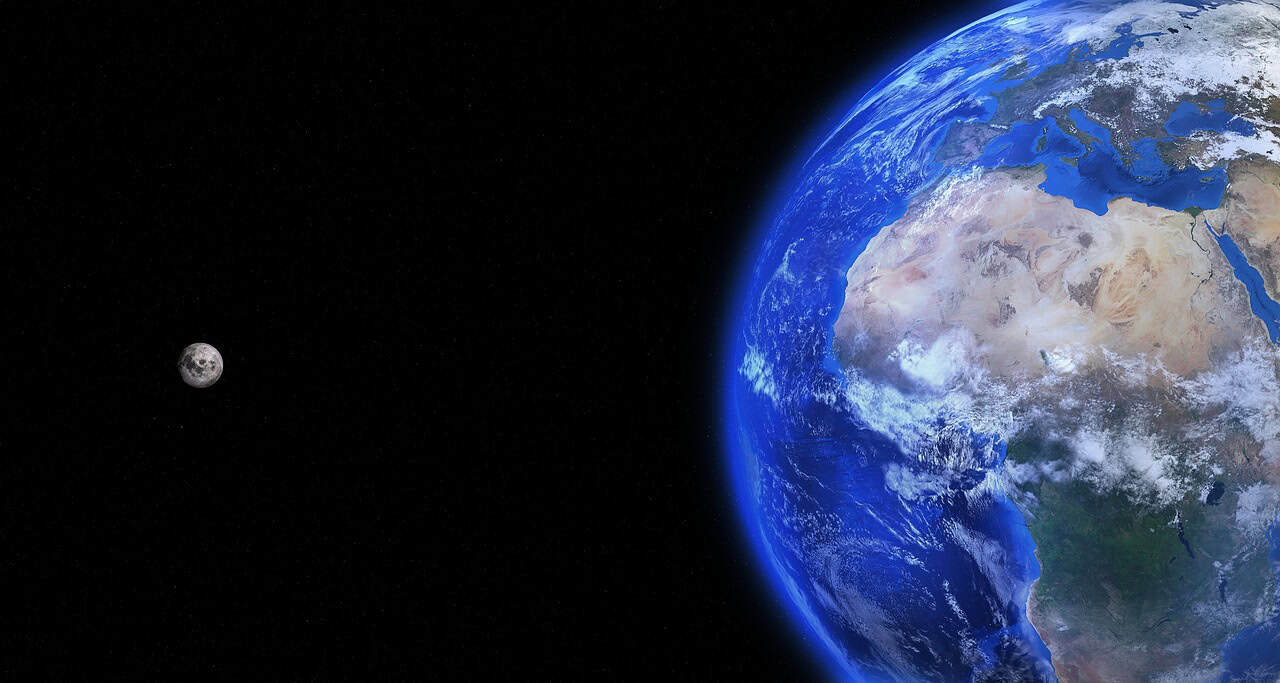
Some places feel remote because they sit far from roads and shipping lanes. Others are remote because physics seals them off: buried under ice, locked beneath miles of ocean, or trapped inside the planet itself. Scientists can map these realms with seismic waves, drill cores, and deep cameras, yet no human body has ever reached them. They remain defined by pressure, darkness, and distance, where discovery arrives as signals and samples, not footprints. That gap between what can be measured and what can be touched keeps a quiet sense of humility in every map.
The Mantle Below the Moho
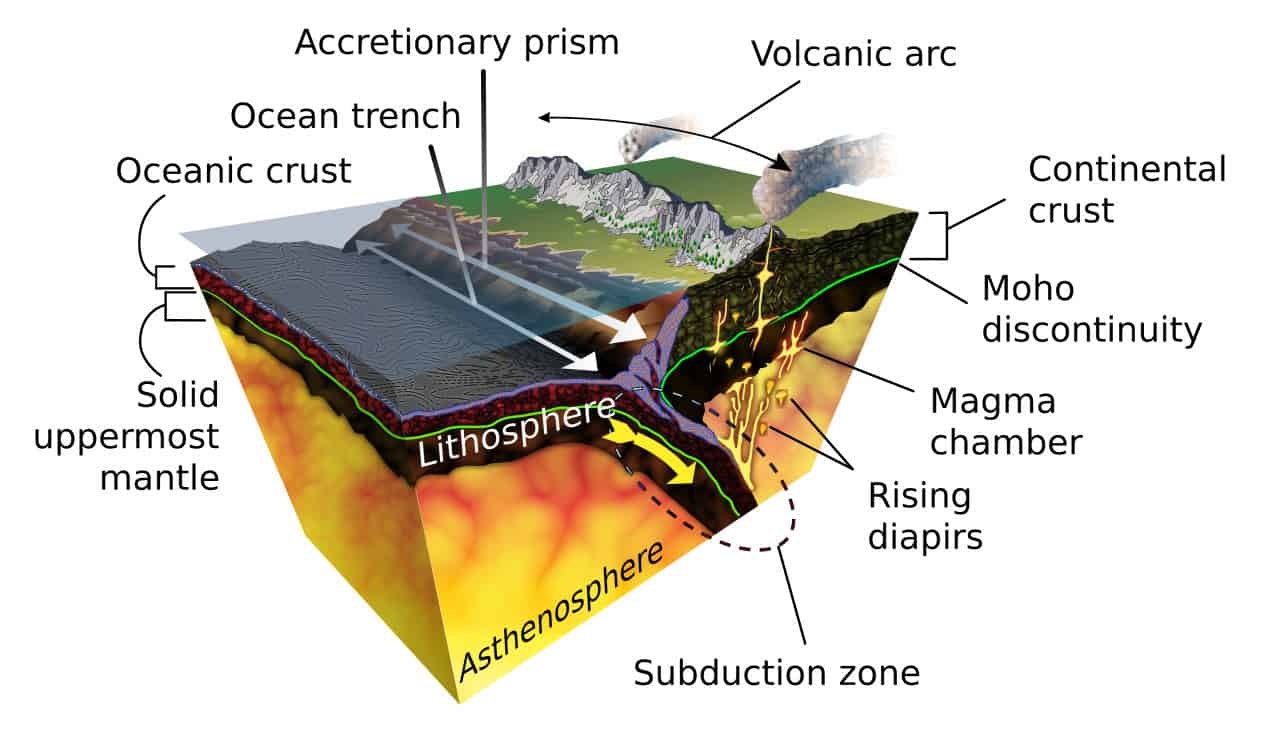
Nobody has ever crossed the Mohorovičić discontinuity, the seismic boundary where Earth’s crust gives way to mantle. Under ocean basins it can be around 10 km down, but heat, pressure, and broken rock make sustained drilling brutally hard; even ambitious efforts like Project Mohole and modern ocean programs have not reached the mantle in place. The deepest borehole stopped a little over 12 km while still in crust, so the mantle remains a planet-sized interior known through wave speeds, chemistry in erupted rocks, and fragments lifted to the surface, never by direct human entry or a camera at depth.
The 410 to 660 km Transition Zone
Between about 410 km and 660 km down, mantle minerals reorganize into denser forms as pressure rises, like a slow-motion reset of the crystal world. Those phase changes, including olivine shifting toward wadsleyite and ringwoodite, bend and reflect earthquake waves in predictable ways, so scientists can map the layer’s shape and temperature contrasts even though no drill will ever reach it. Some of those minerals can store water as hydrogen inside their lattice, not as liquid, hinting at vast hidden capacity while the zone itself stays untouched, a deep band known only by timing, physics, and inference.
The Lower Mantle’s Vast Interior
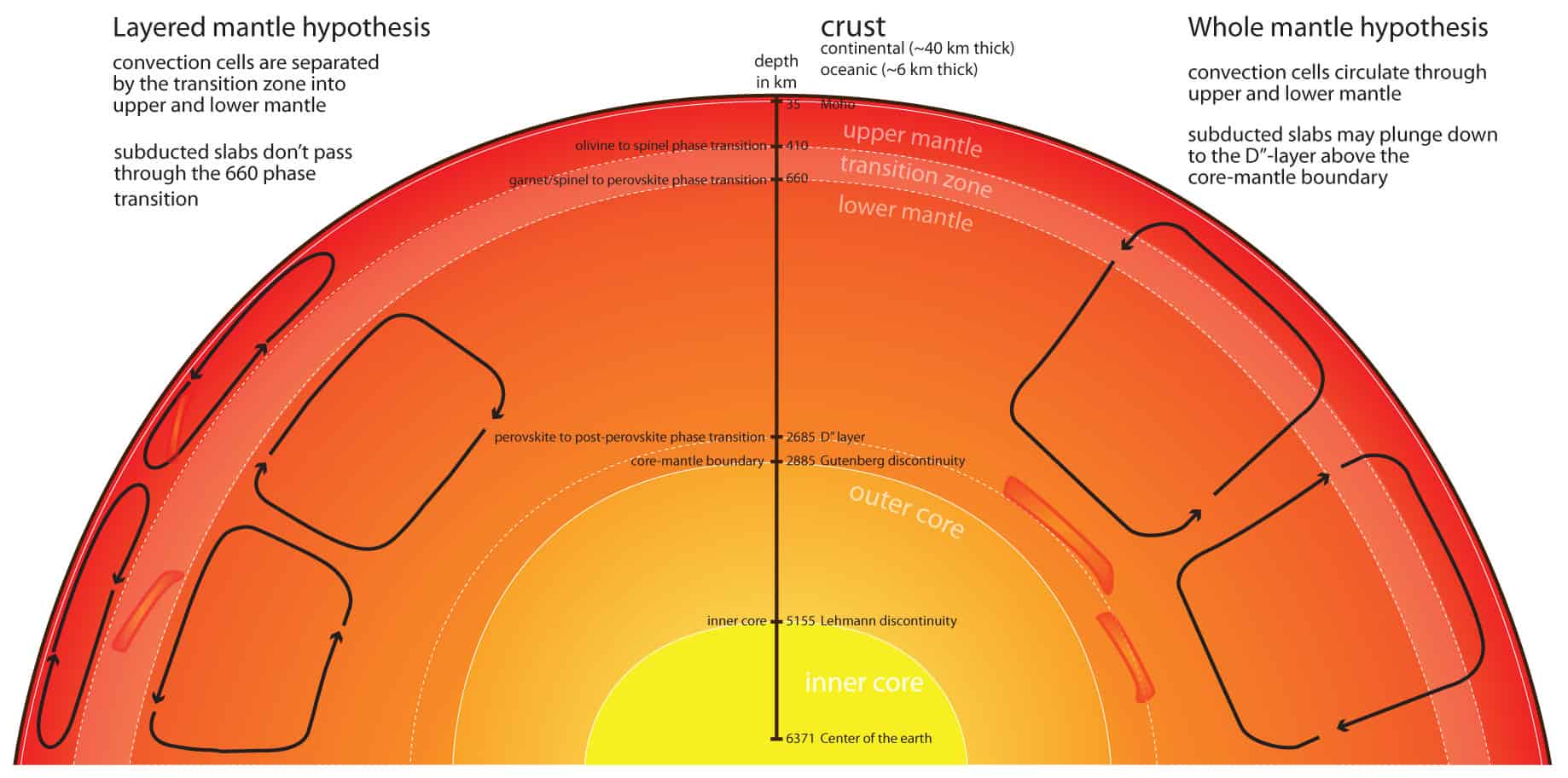
Below 660 km, the lower mantle runs down to about 2,890 km and holds more than half of Earth’s volume, a slow-moving engine wrapped in rock. It is solid, yet it convects over millions of years, carrying heat that feeds plate motion and helps set the long-term rhythm of volcanism at the surface. With temperatures reaching thousands of degrees and minerals such as bridgmanite dominating, pressures would crush any open space and destroy most materials, so the region is pictured through seismic tomography, gravity, and lab experiments, leaving an immense interior that no human has ever entered in person.
The Solid Inner Core
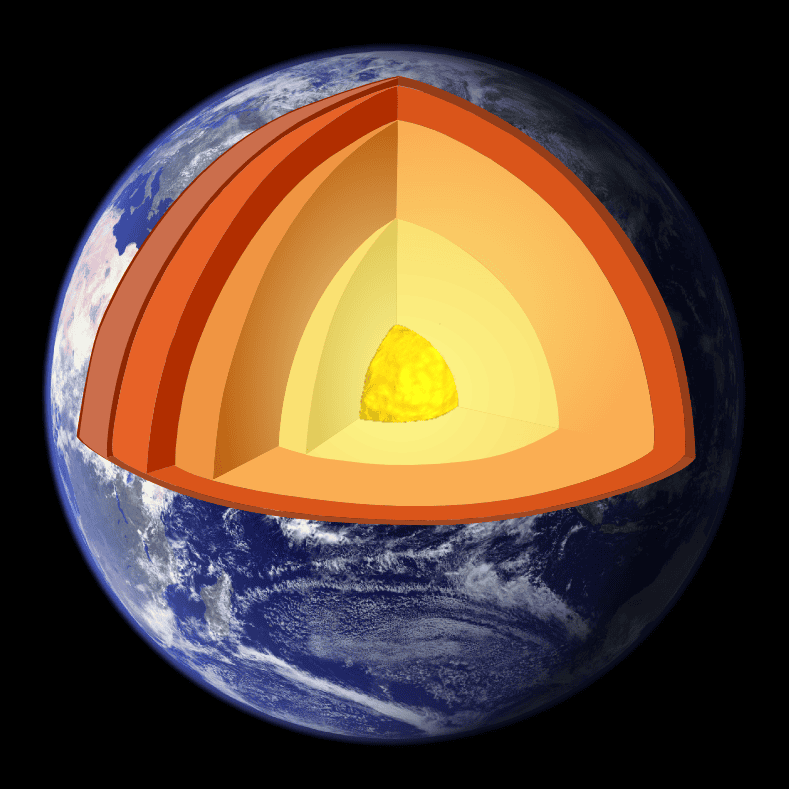
Deeper still, the inner core is solid despite enormous heat, held rigid by pressure that forces iron into a dense crystalline state. It begins around 5,150 km down and extends toward Earth’s center, and its existence was inferred when seismologists noticed earthquake waves behaving as if they were passing through a solid sphere inside a liquid shell. About 1,220 km in radius, it may rotate slightly differently from the mantle and show anisotropy in wave speeds, yet it remains unreachable, sealed behind more than 5,000 km of rock and metal, known only through mathematics, timing, and patience alone.
Lake Vostok’s Hidden Shoreline
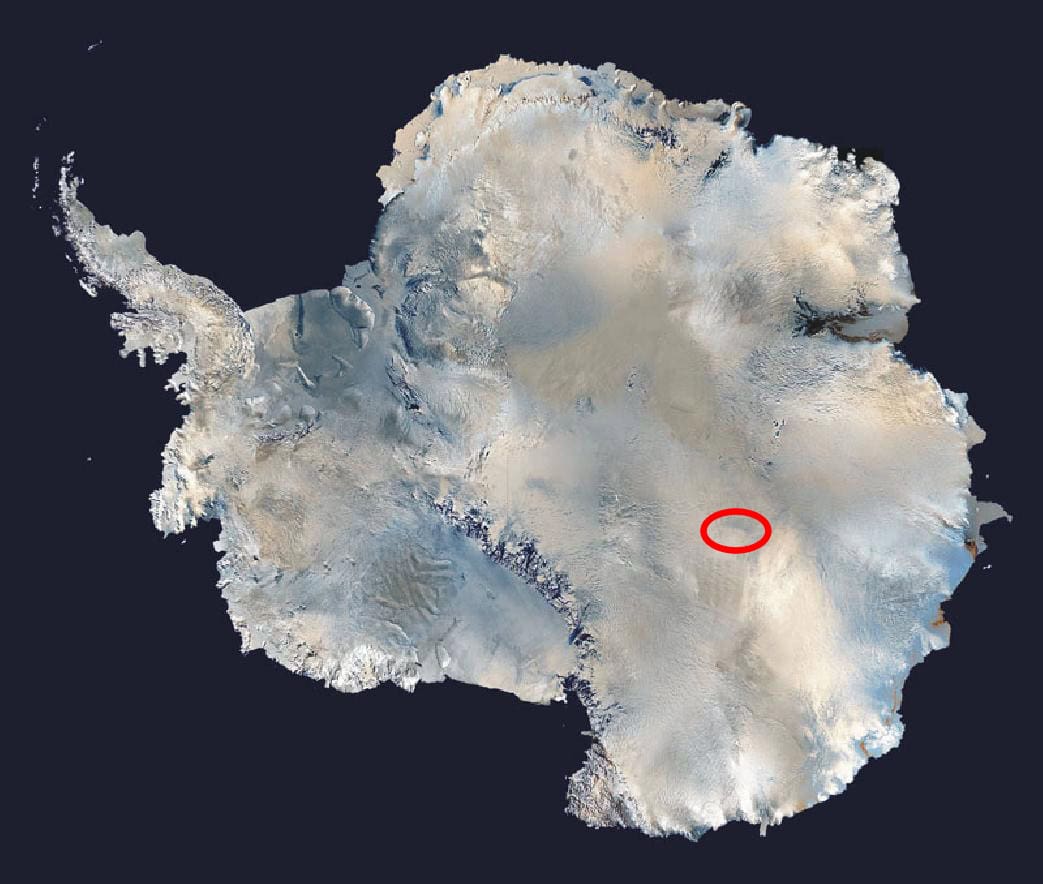
Lake Vostok lies beneath East Antarctica, sealed under roughly four km of ice, isolated from sunlight, wind, and open air for immense spans of time. Scientists have drilled carefully to reach it, using strict procedures to avoid dragging surface microbes into a closed ecosystem, then sealing small water and ice samples in sterile containers for analysis back at the surface. No human has ever entered the water, touched the lakebed, or stood on any buried shoreline, because the ice roof and pressure make direct access impossible, leaving the lake known through instruments, chemistry, and cautious inference.
Subglacial Lake Whillans’ Dark Water
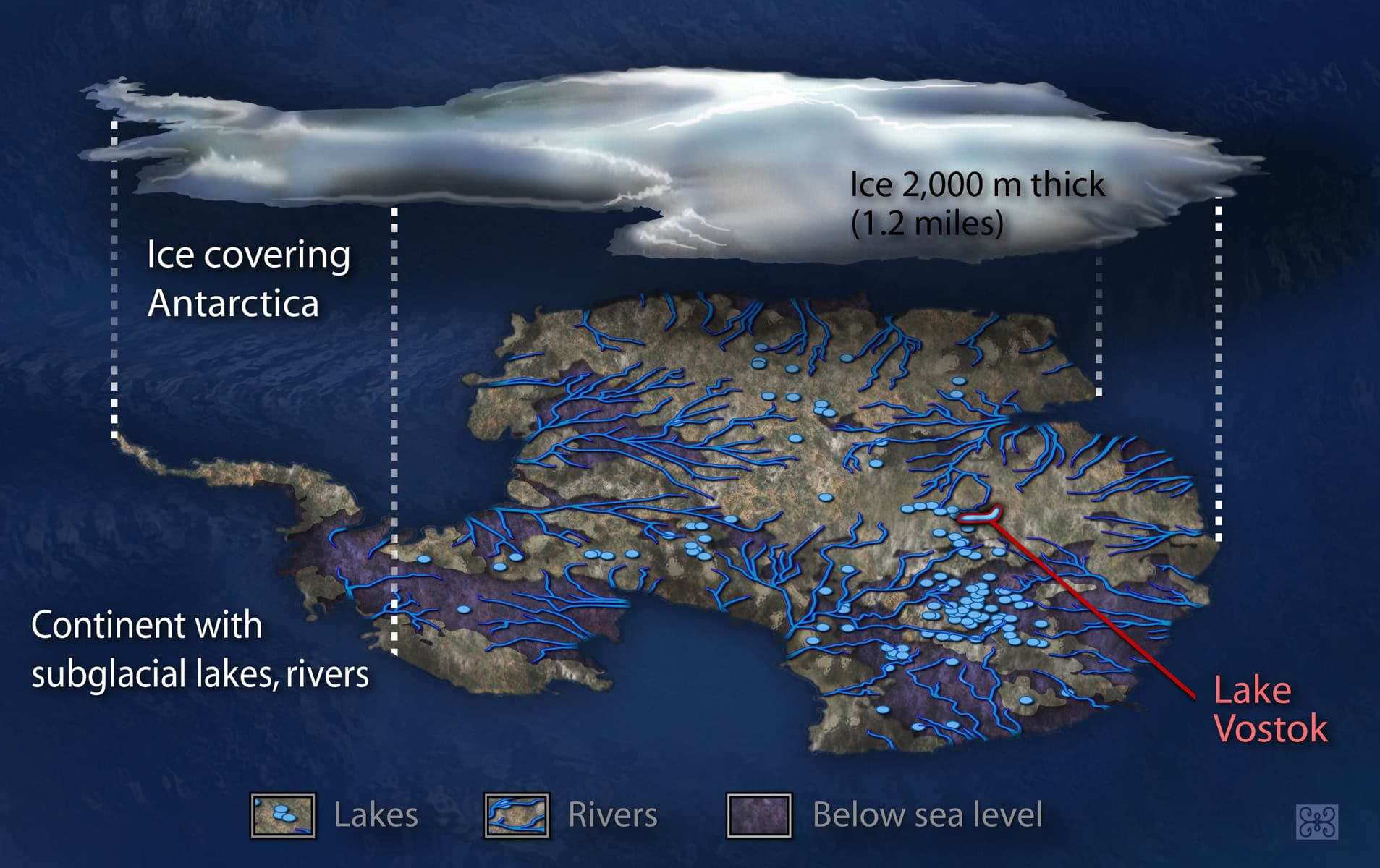
Subglacial Lake Whillans sits under West Antarctic ice, part of a hidden plumbing system that can shift as glaciers creep and flex. Researchers have opened temporary boreholes with clean hot-water drilling, lowered cameras and samplers, and brought up water and sediments before the narrow shaft starts refreezing. Even with that access, no person has ever entered the lake itself; the opening is too small, the pressure and cold are unforgiving, and strict cleanliness matters because microbes there may survive on chemical energy in darkness, making human presence both impractical and risky for science.