The Mexico Travel Advisory Has 4 Levels. Here’s What Americans Are Getting Wrong About Reading It
We may earn money or products from the companies mentioned in this post. This means if you click on the link and purchase the item, I will receive a small commission at no extra cost to you ... you're just helping re-supply our family's travel fund.
The US State Department’s Mexico travel advisory is one of the most cited and most misunderstood travel documents in American travel planning. Some Americans interpret a Level 3 advisory for Mexico as meaning the entire country is dangerous and cancel trips to Cancún. Others interpret the existence of popular resort destinations as meaning the advisory doesn’t apply to them. Both misreadings lead to either unnecessary avoidance or genuine risk. The advisory itself is more nuanced and more specific than either response suggests.
What the Mexico Advisory Actually Says — and How to Read It Correctly
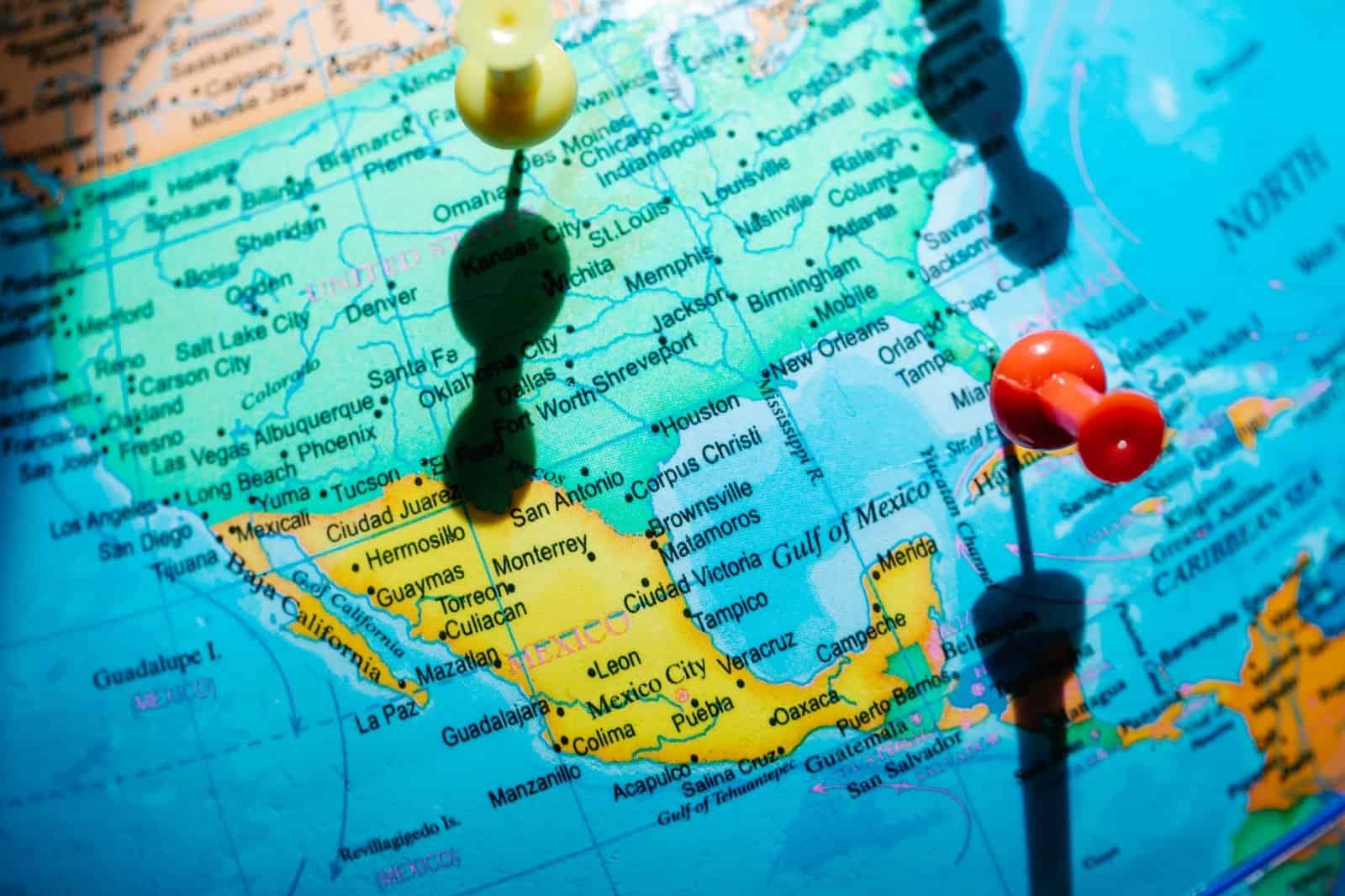
The State Department’s Mexico advisory is issued by state within Mexico, not for the country as a whole. This is the critical point that most news coverage misses: Mexico’s 31 states plus Mexico City have individual advisory levels that range from Level 1 (exercise normal precautions) to Level 4 (do not travel). The country has simultaneously some Level 1 states and some Level 4 states — and treating it as a single Level 3 country is the fundamental error.
The Advisory Levels and What They Mean
- Level 1 (Exercise Normal Precautions): The same precautions you’d take in an unfamiliar city anywhere. Examples: Yucatán state (home to Mérida), Campeche, Baja California Sur (Los Cabos)
- Level 2 (Exercise Increased Caution): Awareness of surroundings, avoiding specific high-crime areas, avoiding nighttime travel in isolated areas. Examples: Mexico City, Jalisco (Guadalajara, Puerto Vallarta), Quintana Roo (Cancún, Playa del Carmen, Tulum)
- Level 3 (Reconsider Travel): Significant organized crime presence, kidnapping risk, or violent crime that affects non-criminal bystanders. Travel is not prohibited but requires specific risk management
- Level 4 (Do Not Travel): The State Department advises American citizens not to travel here due to extreme violence levels. Currently includes Colima, Guerrero, Michoacán, Sinaloa, Tamaulipas, and Zacatecas
What This Means for Popular Destinations
Cancún is in Quintana Roo, which is Level 2. Cabo San Lucas is in Baja California Sur, which is Level 1. Mexico City is Level 2. Puerto Vallarta is in Jalisco, Level 2. Mérida is in Yucatán, Level 1. These are different from Acapulco, which is in Guerrero (Level 4), or Mazatlán, which is in Sinaloa (Level 4). Popular resort destinations receive the most tourist investment in security infrastructure precisely because tourism is the economic priority. That doesn’t make them risk-free, but it makes them meaningfully different from the Level 4 cartel-conflict zones.
The Additional Specific Restrictions
Even in Level 1 and 2 states, the State Department advisory includes specific restrictions on US government employees that reflect intelligence about specific risks. US government employees are prohibited from traveling to certain areas within Level 2 states, required to use only authorized transportation in certain cities, and may have other specific restrictions. These restrictions are based on security intelligence that isn’t publicly disclosed. While they apply to government employees, not private citizens, they provide a signal about where even manageable destinations have specific risk concentrations.
Mexico receives 30+ million American visitors annually. The vast majority have straightforward, enjoyable experiences in Level 1 and Level 2 destinations. The advisory is not a reason to avoid Mexico — it’s a tool for understanding which specific areas of a large and geographically diverse country present different risk levels. Reading it accurately takes 10 minutes and produces better decisions than either blanket avoidance or blanket dismissal.