We may earn money or products from the companies mentioned in this post. This means if you click on the link and purchase the item, I will receive a small commission at no extra cost to you ... you're just helping re-supply our family's travel fund.
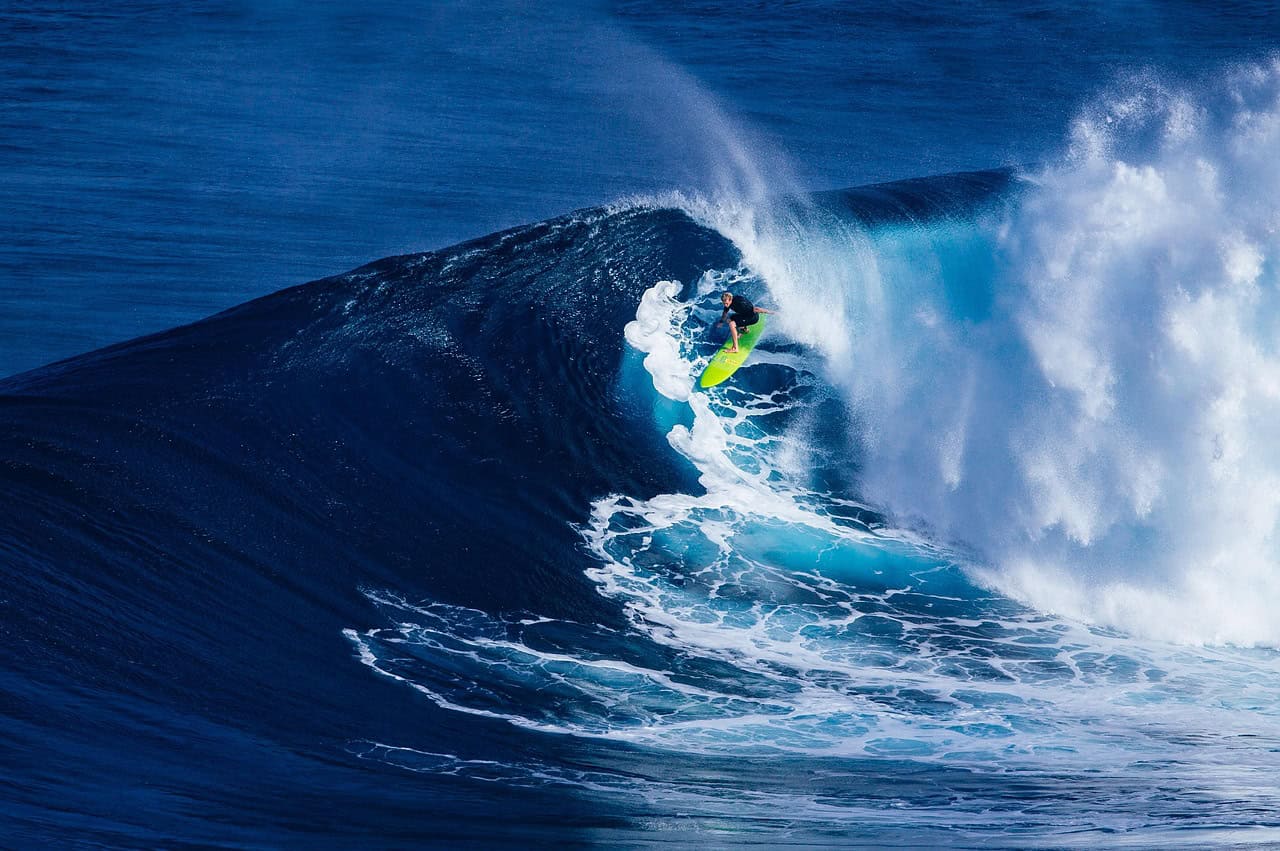
Surfing can look graceful from shore, but in certain corners of the planet it becomes a high-stakes encounter with raw ocean power. These waves are not simply tall; they are heavy, shallow, cold, remote, or violently unpredictable. Over the decades, each of the following breaks has built a reputation for serious injuries and confirmed fatalities. For skilled surfers, they represent the ultimate proving ground. For everyone else, they are a reminder that the sea does not negotiate.
1. Banzai Pipeline : Oahu, Hawaii
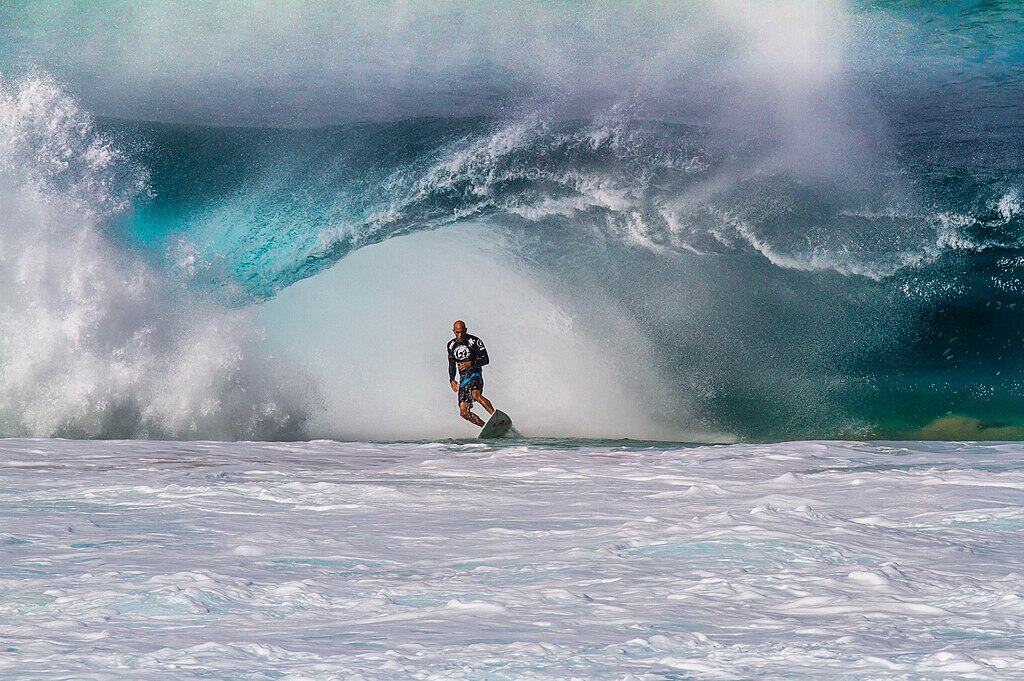
On Oahu’s North Shore, Pipeline breaks just yards from Ehukai Beach Park, yet its danger rivals any remote reef on Earth. During peak winter swells between November and February, wave faces commonly reach 15 to 25 feet, with larger days pushing beyond 30 feet. What makes Pipeline lethal is the reef, sitting in places barely 2 to 3 feet below the surface. The lip throws forward with enormous force, driving surfers straight down onto sharp coral. Dozens of severe spinal injuries have been recorded here, along with multiple fatalities over the past 50 years. Even elite professionals treat each set with caution.
2. Teahupo’o : Tahiti, French Polynesia
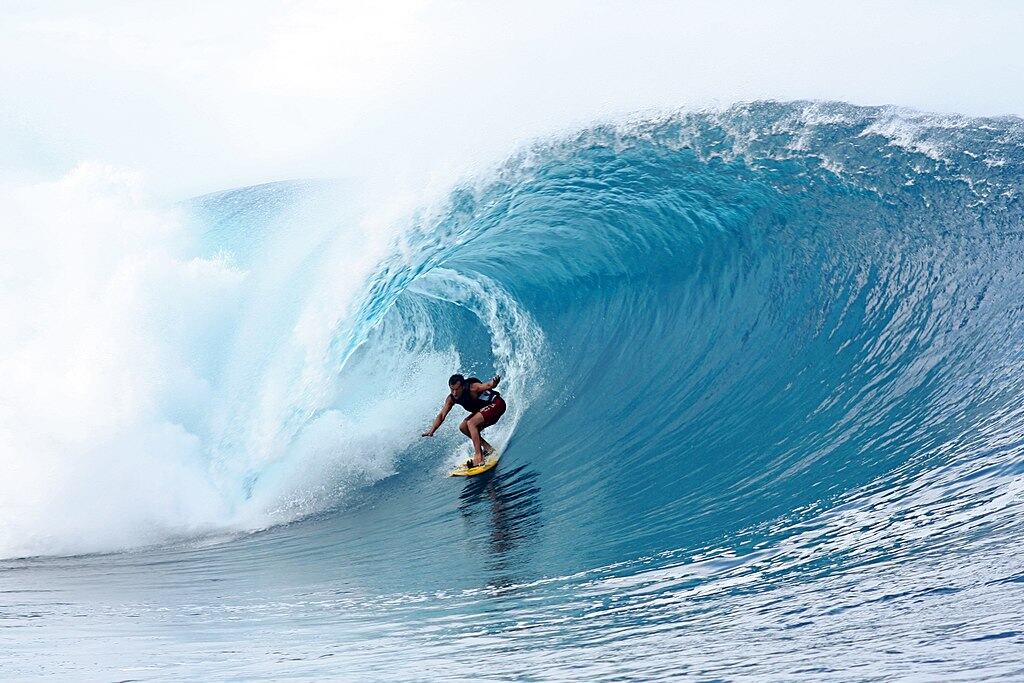
Teahupo’o, located about 15 miles southwest of Papeete, produces some of the heaviest barrels ever measured. While wave heights often range from 10 to 20 feet, the thickness of the lip makes the impact far more violent than taller but thinner waves elsewhere. The reef is jagged and astonishingly shallow, sometimes less than 3 feet deep. Surfers wiped out here can be dragged across coral for several seconds, resulting in deep lacerations and broken bones. Multiple serious injuries occur during major swells each year, and at least a handful of deaths have been documented since the 1990s. Precision and split-second timing are essential for survival.
3. Mavericks : California, USA
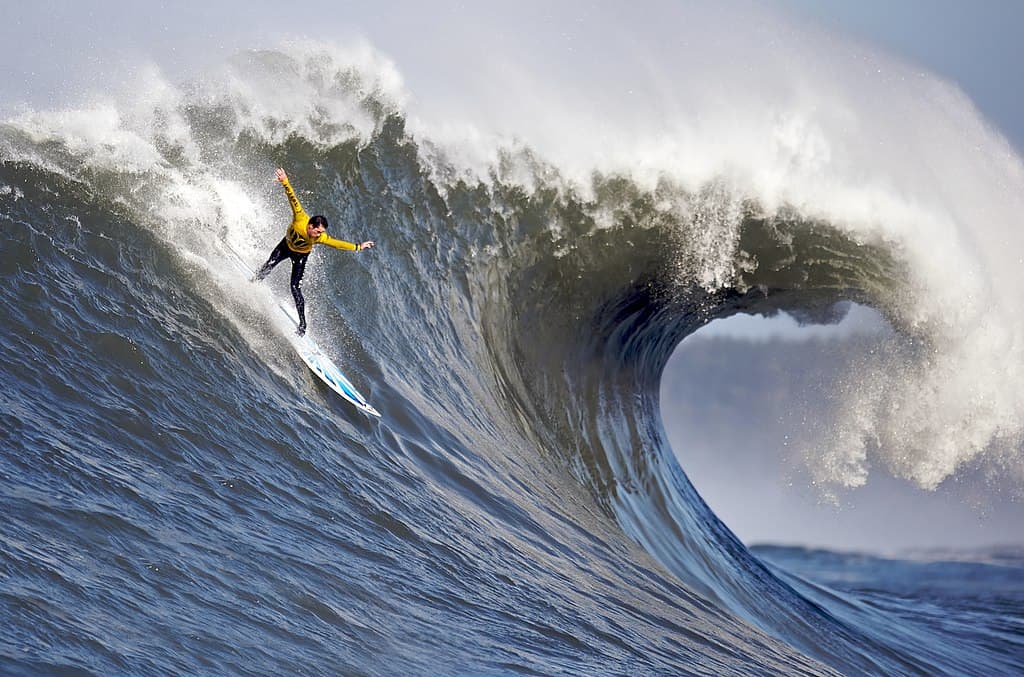
About 2 miles offshore from Half Moon Bay, Mavericks awakens during powerful Pacific storms, typically between December and March. Wave faces regularly climb to 25 to 40 feet, and exceptional swells have exceeded 60 feet. The water temperature averages 50 to 55°F in winter, increasing the risk of hypothermia within minutes if a leash snaps. Strong rip currents and deep water create chaotic conditions that complicate rescues. At least two well-known big-wave surfers have died here in the past two decades, both during heavy hold-downs. The combination of frigid water, immense size, and isolation makes Mavericks one of North America’s most unforgiving breaks.
4. Nazaré : Portugal
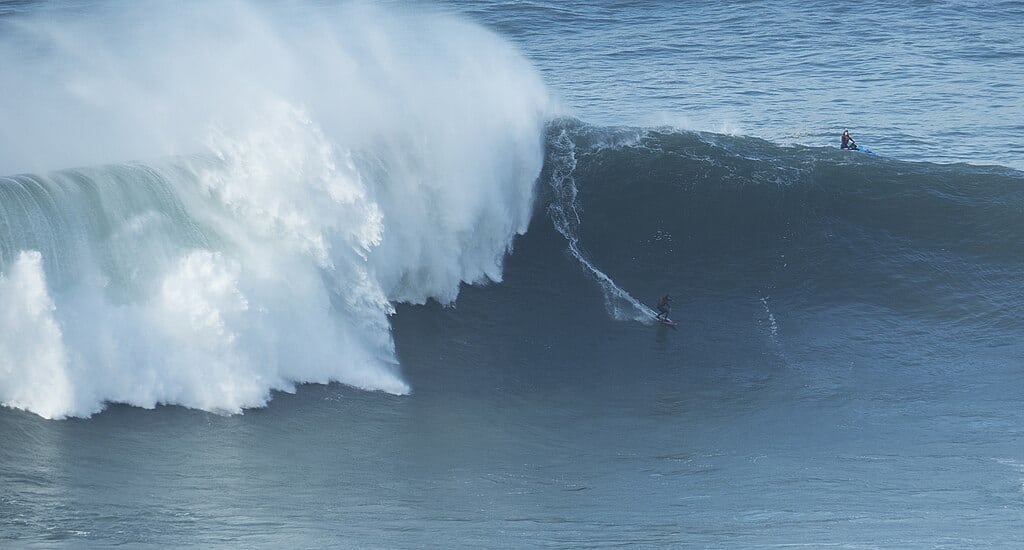
Nazaré’s Praia do Norte owes its monstrous waves to the Nazaré Canyon, a 140-mile-long underwater trench that funnels Atlantic energy toward shore. When conditions align between October and February, wave heights frequently surpass 60 feet, and records have topped 80 feet in recent years. At that scale, wipeouts resemble multi-story falls, with impact forces strong enough to cause concussions or broken ribs. Jet ski rescue teams are mandatory, as swimming against the surge is nearly impossible. Although safety protocols have improved, numerous life-threatening accidents have occurred here since big-wave surfing gained traction in the early 2010s. Size alone makes Nazaré relentlessly dangerous.
5. Shipstern Bluff : Tasmania, Australia
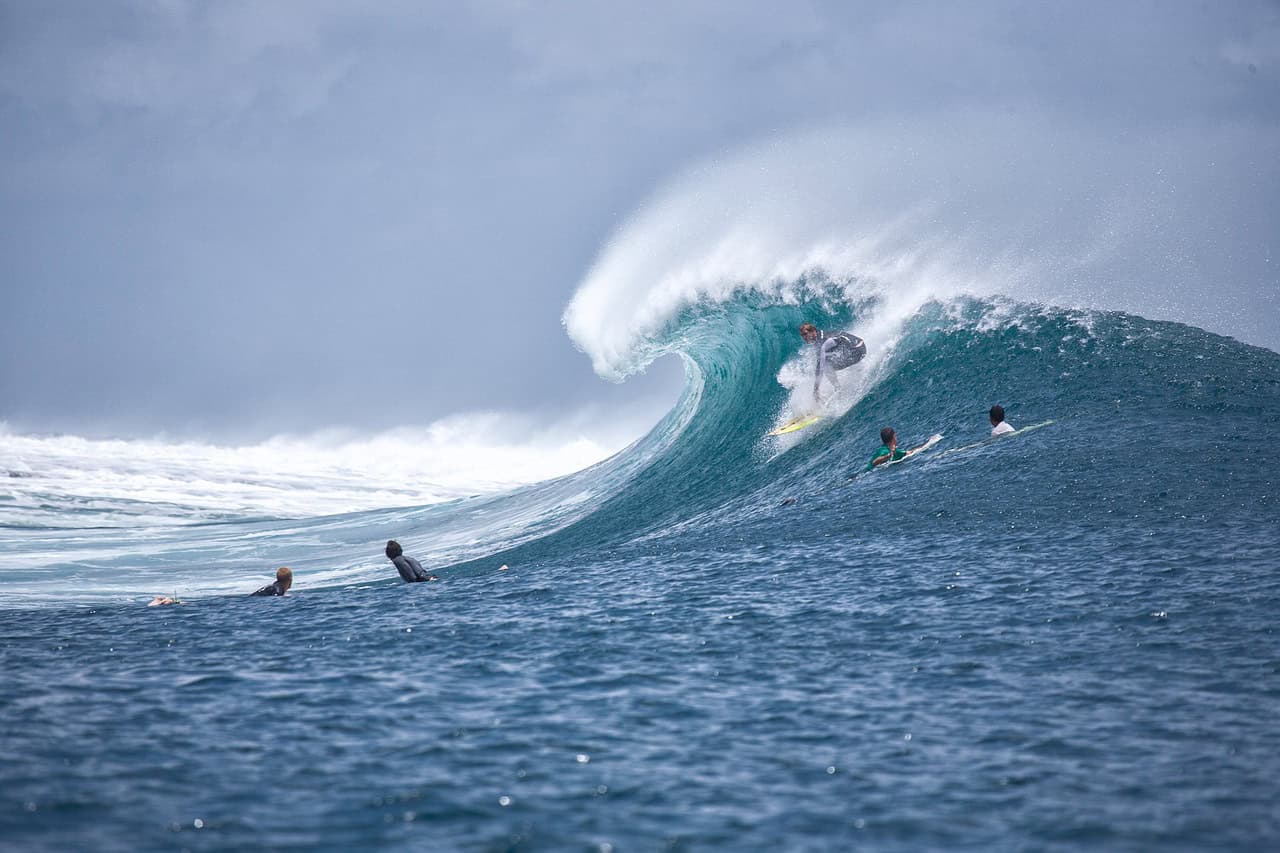
Shipstern Bluff, tucked along Tasmania’s rugged southeast coast about 30 miles from Hobart, is infamous for its warped, multi-tiered wave face. Swells generated in the Southern Ocean can produce 6 to 20 foot waves, but the real threat lies in the “steps” that form mid-face, causing sudden drops of several feet. The reef below is shallow and uneven, punishing any hesitation. Access requires a long hike or boat ride, delaying medical assistance if injuries occur. The surrounding waters are known habitat for great white sharks, adding another layer of risk. Its remoteness, cold water, and unpredictable geometry make Shipstern Bluff uniquely intimidating.