The Amana Colonies Ran Communal Kitchens Until 1932. Here’s What the 7 Villages Are Like to Visit in Late Fall
We may earn money or products from the companies mentioned in this post. This means if you click on the link and purchase the item, I will receive a small commission at no extra cost to you ... you're just helping re-supply our family's travel fund.
The Amana Colonies in late fall look a lot like they did a century ago: brick and sandstone houses, bare orchards, and smoke rising from a meat shop that still smokes ham and sausage. For almost 80 years in Iowa, the people who lived in these seven villages shared everything. They ate in communal kitchens until 1932, when members voted to end the communal system in what is now called the Great Change.
Here’s what the seven villages are like to visit now. Amana, the largest, has most of the shops, restaurants, the woolen mill, and the meat shop. Middle Amana has the only communal kitchen preserved as a museum. High Amana has an old general store. Homestead, South Amana, West Amana, and East Amana are smaller, with fewer businesses, and are best seen on a slow drive between the larger villages. In late fall, the holiday events are centered in Amana, and the weekends from Thanksgiving through December are the busiest.
The colonies are about 20 miles west of Iowa City, and about 1,600 people live in the seven villages today. They spread across roughly 26,000 acres of farmland, timber, and river bottom along the Iowa River.
What the 7 Villages Are Like to Visit
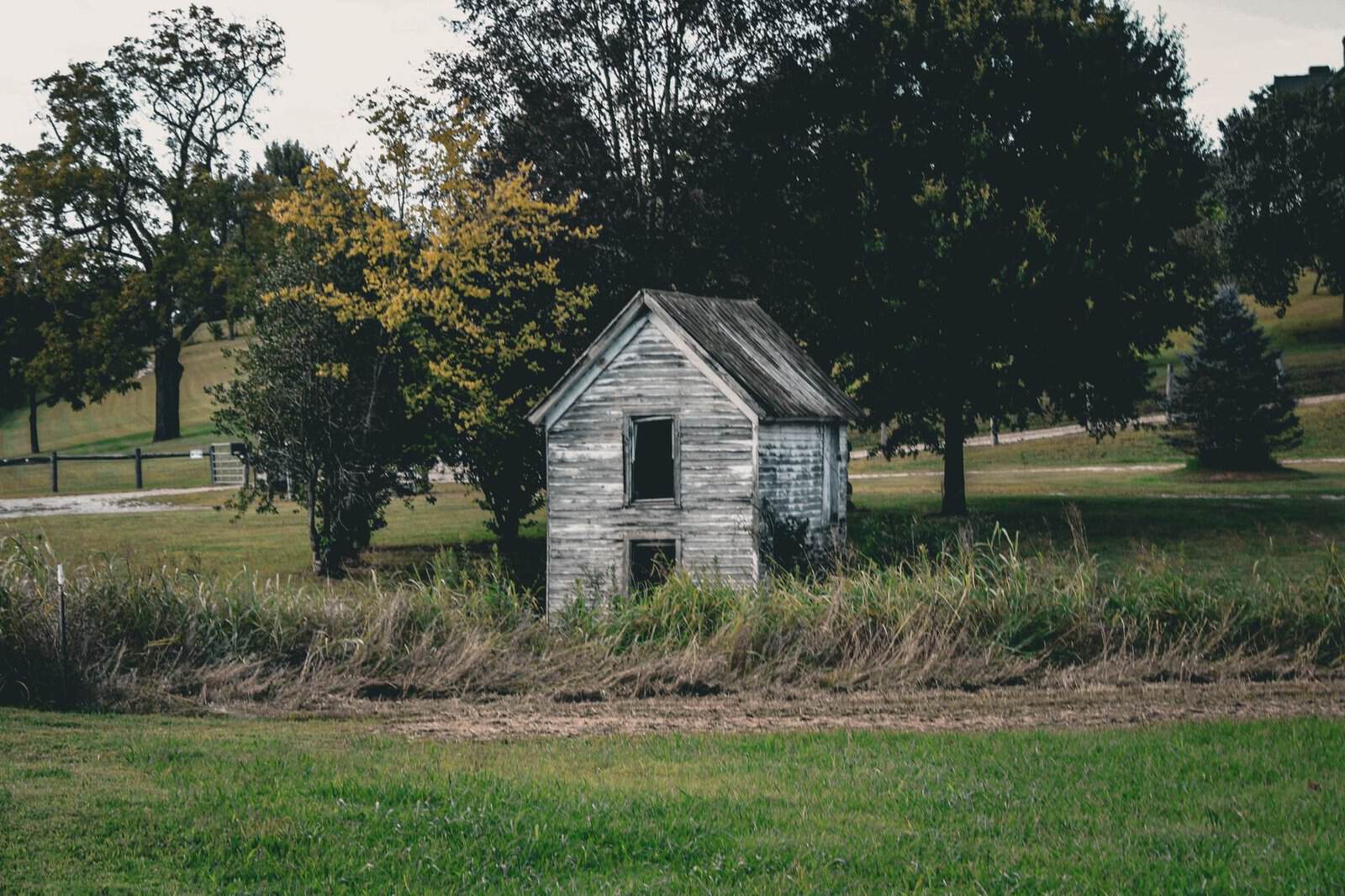
To make sense of the villages, it helps to know who built them and why.
The people who built them
The Amana Colonies were founded by the Community of True Inspiration, a German Pietist group that formed in 1714. Facing persecution in Germany, members came to the United States in the 1840s and settled first at Ebenezer, near Buffalo, New York. As Buffalo grew, they looked for more land and room to keep to themselves, and in 1855 they began moving to Iowa.
They named their first Iowa village Amana, a word from the Song of Solomon that they interpreted as “remain true.” Within a few years, there were seven villages, spaced about an hour apart by ox cart, so each one could have its own farm, workshops, and church.
How communal life worked
Members owned no private property. The community provided housing, medical care, schooling, and an allowance for goods from the village store. In exchange, adults worked where they were assigned: in the fields, the woolen mill, the calico print works, the bakery, or one of the kitchens.
The villages ran more than 50 communal kitchens. Each one fed several households, and women cooked three meals a day plus morning and afternoon snacks. Members attended church services 11 times a week.
The Great Change of 1932
By the early 1930s, the system was under strain. The Depression had hurt the colonies’ businesses, a fire had destroyed the flour mill, and younger members wanted more independence. In 1932, the community voted to separate church and business. The last communal meals were served in April 1932, and the change took effect on June 1, 1932.
Business operations went to a new for-profit company, the Amana Society, in which every member received shares. Church life continued under the Amana Church Society. Families started cooking in their own homes, which is why so many Amana houses don’t have original kitchens.
The Villages, One by One
Here’s what you’ll find in each village, in the order most people drive them.
Amana
This is the main village and the one most visitors spend the most time in. The Amana Woolen Mill, run by the Amana Society, has been producing blankets and woolens since the 1850s, and you can watch the looms from a viewing area. The Amana Meat Shop & Smokehouse sells hams, bacon, bratwurst, and summer sausage, and it gets busy before Thanksgiving and Christmas with orders for holiday hams. The Amana Furniture & Clock Shop makes walnut and cherry furniture by hand.
The village also has the Amana Heritage Museum, family-style German restaurants, a general store, a winery, and a brewery. Most of the late-fall holiday events take place here.
Middle Amana
Middle Amana is home to the Communal Kitchen Museum, the only one of the original kitchens kept as it was. It still has its long tables, brick hearth, and the large kettles cooks used to feed several households at once. If you want to understand how the colonies worked, start here. Also in Middle Amana is the Amana Coopershop, where barrels were made.
High Amana
High Amana has the Amana General Store, a historic store with wood floors and shelves that looks much as it did when the colonies ran it. The village is small and peaceful, and a walk past its houses gives you a good sense of how a village was laid out.
West Amana
West Amana is a small village with a few shops in old buildings and homes on a quiet road.
South Amana
South Amana once had its own mills and farm. Today it’s mostly residential, with a few historic buildings.
Homestead
Homestead was the only village the community didn’t found. It was an existing town that the society bought in 1861 because it had a railroad stop. Today it’s a small village along U.S. 6 with a handful of historic buildings, a few restaurants, and shops, and it’s the first village many visitors reach when they come in from Interstate 80.
East Amana
East Amana is the smallest village, and there’s not much to do there besides look at the houses and farmland. It’s worth a short drive-through if you’re doing the full loop.
Visiting the Amana Colonies in Late Fall
Late fall is a good season to visit. The harvest is over, the crowds from summer and the big fall festivals have gone home, and the villages get ready for the holidays.
Holiday events
The colonies host a holiday season on weekends from late November through December, often promoted as the Prelude to Christmas. Events usually include shops staying open late, carolers, horse-drawn wagon rides, and the Tannenbaum Forest display of decorated trees. Dates change each year, so check the Amana Colonies visitors’ bureau calendar before you plan your trip.
Weather and daylight
In late November, highs in eastern Iowa are usually in the 30s and 40s, and sunset comes before 5 p.m. Plan to see the outdoor parts of your visit, like walking between villages or seeing the old buildings, in the early afternoon. Save shopping and dinner for after dark.
Hours
Many Amana shops are open daily during the holiday season, but some businesses in the smaller villages cut back hours in winter or close on certain weekdays. The museums also have reduced winter schedules. Call ahead if one particular stop is the reason you’re making the trip.
What to Eat in the Amana Colonies
The family-style restaurants in Amana serve the kind of food the communal kitchens once did: platters of fried chicken, ham, sauerbraten, and schnitzel, with sides like sauerkraut, mashed potatoes, and pickled vegetables, followed by pie. Portions are large.
Before you leave, stop at the meat shop for smoked ham or sausage. If you’re there in the weeks before Thanksgiving, order your holiday ham early. You’ll also find local wines, often fruit-based, and beer from the village brewery.
How to Plan Your Day
A good late-fall visit takes one full day, or two easy ones:
- Morning: start in Middle Amana at the Communal Kitchen Museum so the rest of the day makes sense.
- Midday: drive to Amana for the woolen mill, meat shop, furniture shop, and lunch.
- Afternoon: loop through High, West, South, and East Amana and end in Homestead.
- Evening: come back to Amana for dinner, and on holiday weekends, for the lights and events.
The villages are close together and connected by county roads, so a car is necessary. There’s no public transit between them.
Shopping for the Holidays in the Amana Colonies
Many visitors come in late November and December to buy gifts, and the colonies make that easy. The products with the deepest roots are the ones the Amana Society still makes or sells.
Woolens
Blankets and throws from the woolen mill are the classic Amana gift. They’re heavy, warm, and made in the village. The mill’s salesroom also sells sweaters, scarves, and other wool goods, along with clothing and home goods from other makers.
Furniture and clocks
Handmade furniture from the furniture shop is a bigger purchase, often ordered and delivered later. Smaller pieces, like cutting boards, boxes, and clocks, make good gifts you can take home that day.
Meat and food
Smoked meats are the colonies’ most popular food gift. The meat shop sells hams, bacon, sausages, and cheese, along with gift boxes. Bakeries and food shops in Amana sell breads, coffee cakes, cookies, jams, and German-style mustards and pickles.
Wine and beer
Amana’s wineries have long made fruit wines, such as rhubarb and dandelion wines, a tradition that started when the colonies made wine for their own members. Millstream Brewing, in Amana, is one of Iowa’s older craft breweries and sells beer to go.
Crafts and antiques
You’ll also find quilts, baskets, tinwork, toys, and antiques in shops across the villages. Many shops are in the colonies’ original sandstone and brick buildings, so browsing is also a way to see the old architecture up close.
Visiting Respectfully
The Amana Colonies are a living community, not a museum. Most homes in the villages are private residences, many of them owned by descendants of the original members. Stay on sidewalks and public paths, don’t walk into yards or gardens, and park only in marked areas. The Amana Church still holds services, so if you’d like to attend one or visit the church building, check whether visitors are welcome and when.
The community is also proud of its history, and many shop owners and museum staff are happy to answer questions about the communal years and the Great Change. Asking is often the best way to learn something you won’t find on a sign.
Why the Amana Colonies in Late Fall Are Worth the Drive
The Amana Colonies aren’t a reenactment. People still live in the houses, run the businesses, and attend the church their ancestors founded. Late fall is a good time to see the villages as they are: cold, peaceful, and preparing for the holidays the way they have for generations. Start at the kitchen museum, buy a ham, and take the long way between the villages.