The Adirondacks Cost Almost Nothing to Enter and a Fortune to Actually Visit. Here’s the Real Math Nobody Explains Upfront.
We may earn money or products from the companies mentioned in this post. This means if you click on the link and purchase the item, I will receive a small commission at no extra cost to you ... you're just helping re-supply our family's travel fund.
The Adirondack Park in upstate New York covers roughly six million acres, making it larger than Yellowstone, Yosemite, Grand Canyon, and Great Smoky Mountains National Parks combined, and unlike those parks, it charges no entrance fee at all to simply drive in. That single fact creates a persistent and misleading impression for first-time visitors: that the Adirondacks are a budget alternative to the crowded national park system. The reality, once lodging, access logistics, and peak-season demand enter the picture, looks considerably different.
There’s No Gate, But There Are Still Permits
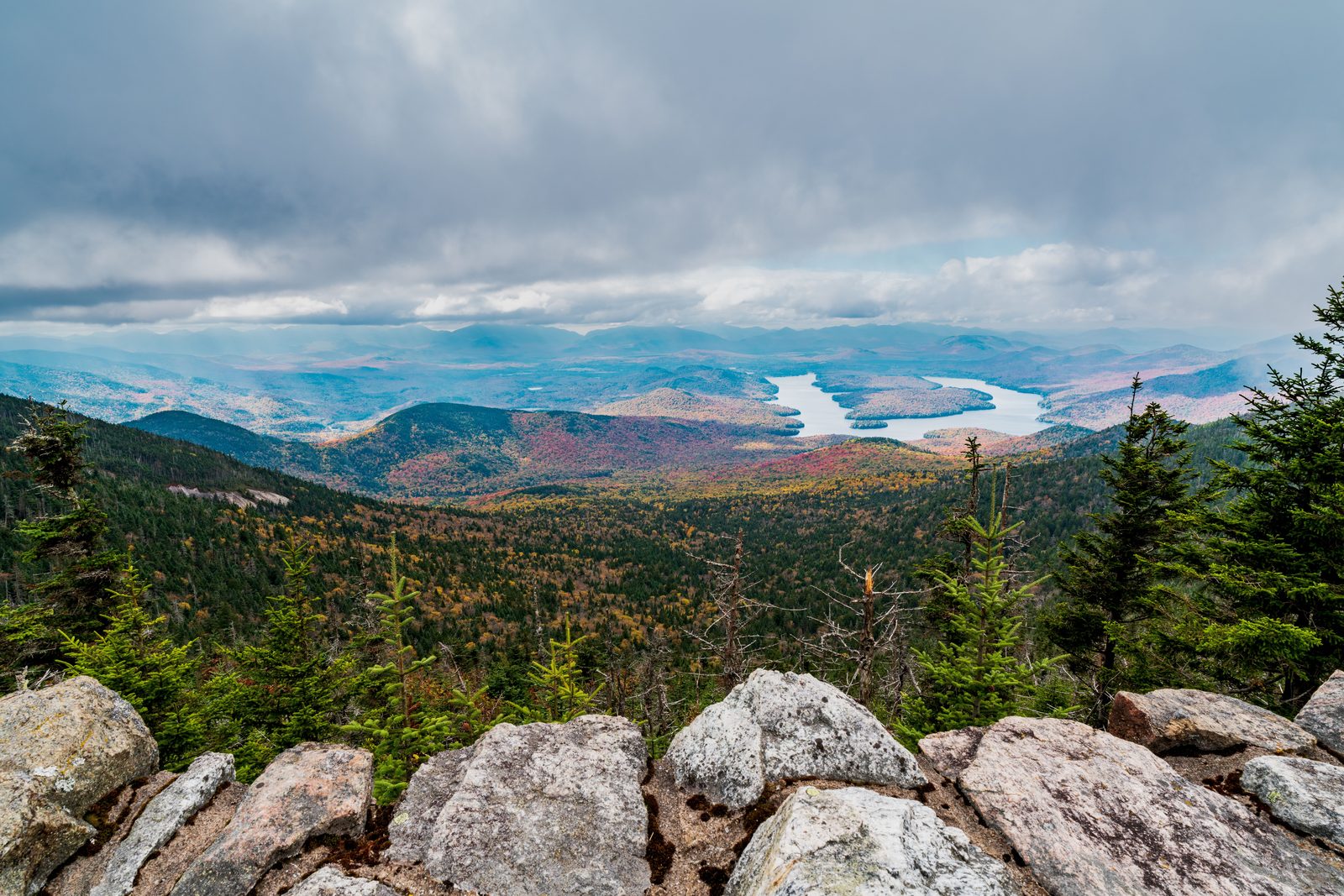
Because the Adirondack Park is a patchwork of state-owned Forest Preserve land and privately owned land rather than a single federally managed park, the permit and fee structure works differently than visitors expect. Individual state campgrounds run through the New York State Department of Environmental Conservation require advance reservation, and a growing number of the park’s most popular trailheads, particularly around the High Peaks region near Lake Placid, have implemented required parking permits and shuttle systems during peak summer and fall weekends specifically because unmanaged demand had overwhelmed trailhead parking capacity. An annual day-use pass covering DEC campgrounds and certain state parks is available for a flat fee, a genuine bargain compared to national park annual passes, but it doesn’t cover everything, and visitors expecting one blanket Adirondacks pass, similar to a national park pass, are often surprised by the fragmented system they actually encounter.
Lodging Is Where the Budget Assumption Falls Apart
Lake Placid, the park’s best-known tourism hub and two-time Winter Olympics host, runs hotel rates during peak fall foliage weekends and summer holiday periods that rival or exceed comparable national park gateway towns, driven by genuinely limited lodging inventory relative to demand across a mountain region with strict development restrictions under the Adirondack Park Agency’s land-use regulations. Those same regulations, designed to protect the Forest Preserve from unchecked development, are precisely what keeps new hotel supply from ever catching up to demand spikes, meaning prices during the two or three most popular weekends of the year, especially peak fall foliage in early October, can run dramatically higher than a random midweek stay in June.
Camping Is Genuinely Cheap, If You Can Get a Reservation
The actual budget-friendly path through the Adirondacks runs through its extensive network of state-run campgrounds and backcountry camping options, many of which remain genuinely affordable by any national comparison. Backcountry camping in undesignated sites is free with a simple set of DEC regulations to follow, and the park’s island camping options on lakes like Lake George offer a distinctly Adirondack experience at a modest nightly fee. The catch is availability: the most desirable campgrounds and lean-to sites near popular trailheads book up months in advance for peak summer weekends, through the state’s centralized reservation system, and last-minute visitors hoping to simply show up and find a site are often forced into pricier private lodging instead, undermining the free-entry, low-cost image the park’s lack of a gate fee initially suggests.
- No entrance fee to the park itself, unlike national parks
- High Peaks trailheads increasingly require parking permits and shuttles during peak season
- State campground and backcountry camping remain genuinely affordable but book out early
- Lake Placid hotel rates spike sharply during peak fall foliage weekends
The 46 Peaks Culture Adds Its Own Cost
The Adirondacks’ High Peaks region has its own dedicated hiking subculture built around climbing all 46 peaks over 4,000 feet, a challenge with a formal registry maintained by the Adirondack Forty-Sixers organization, and that subculture drives a specific pattern of repeat visitation that keeps gear shops, guide services, and trailhead-adjacent towns like Keene Valley and Lake Placid economically busy well beyond what casual tourism alone would generate. Visitors chasing this specific challenge tend to spend considerably more over time than a single scenic weekend visitor, returning across multiple seasons and multiple years, and local businesses in these smaller trailhead towns have increasingly built their marketing and inventory around this dedicated, repeat-visiting hiker base rather than one-time tourists.
The Honest Budget Breakdown
A realistic weekend trip built around free trail access and a reserved state campground can genuinely run under $100 total for a couple beyond gas and groceries, but that same weekend attempted with no advance reservations, particularly during peak fall foliage, can easily run several hundred dollars a night once a visitor is forced into whatever lodging remains available. The Adirondacks reward planning far more than they punish spontaneity gently — showing up unprepared during the two or three peak weekends of the year is the single most common way visitors end up paying far more than the park’s reputation as a free, rustic wilderness destination would ever suggest.
The Park’s Size Works Against Easy Planning
Part of what makes budgeting for an Adirondacks trip so genuinely difficult compared to a single-entity national park is the sheer scale and fragmentation of the Adirondack Park itself, six million acres spanning a mix of state Forest Preserve, private land, and more than a hundred towns and villages each with their own local tourism infrastructure and pricing. There’s no single visitor center or unified fee schedule the way there is at a place like Yellowstone, which means the cost of an Adirondacks trip depends enormously on which specific region a visitor targets, the High Peaks near Lake Placid, the calmer Fulton Chain of Lakes near Old Forge, or the eastern Lake Champlain corridor, each with a genuinely different price profile and level of crowding.
First-time visitors who research only “the Adirondacks” as a single destination, rather than picking a specific sub-region and researching that area’s particular reservation systems and price points, are the ones most likely to end up with the mismatched budget expectations that make the free-entry, rustic-wilderness reputation feel misleading in hindsight. Locals and repeat visitors generally recommend picking one specific base town and building a trip around it rather than trying to see the entire park in a single visit, both for cost predictability and because the driving distances between the park’s different regions are considerably longer than the map’s scale might initially suggest.