We may earn money or products from the companies mentioned in this post. This means if you click on the link and purchase the item, I will receive a small commission at no extra cost to you ... you're just helping re-supply our family's travel fund.
Travel often promises excitement, but some destinations push unpredictability to the extreme. From sudden storms to unexpected hazards, these places test your adaptability at every turn. Whether it’s extreme weather, logistical chaos, or wildlife encounters, these seven spots challenge even the most seasoned travelers. If you crave stories of survival and adventure, these destinations guarantee experiences that swing wildly between awe-inspiring and completely chaotic, leaving lasting memories for those who dare to explore.
1. Iceland : A Country of Sudden Extremes
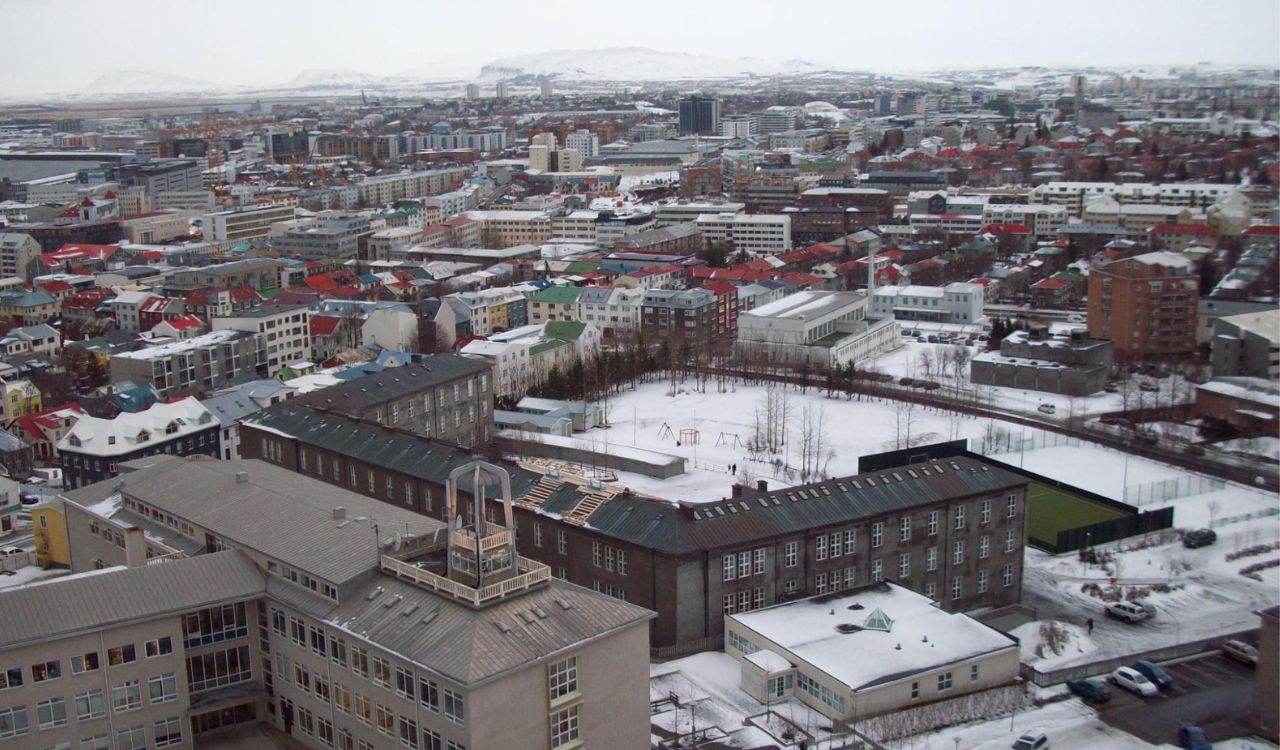
Iceland’s beauty is legendary, yet its conditions change faster than most travelers can react. Daily temperatures vary up to 15°C, and in a single day, sunshine can give way to rain, sleet, or strong winds exceeding 100 km/h. Volcanic eruptions occur roughly every 4–5 years, and glaciers can cause flash floods with little warning. Even driving on the famed Ring Road demands caution due to sudden snowstorms or icy patches. Tourists drawn to geysers and hot springs must monitor geological alerts, as unstable geothermal zones can become dangerous. Every trip here is an exhilarating lesson in respecting nature’s raw power.
2. Nepal : Himalayan Highs and Hazards
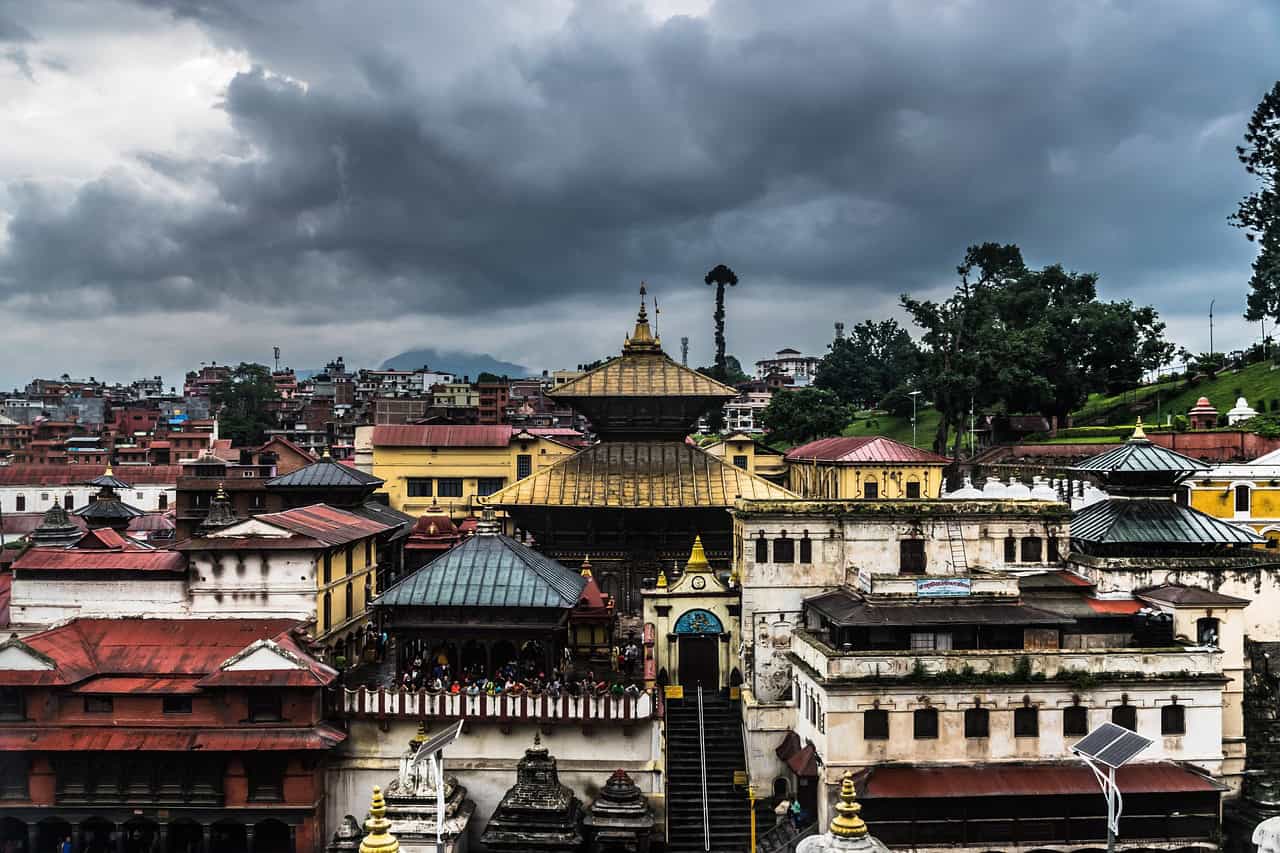
Nepal’s towering mountains and serene monasteries mask a landscape that can turn perilous in minutes. Monsoon rains, occurring from June to September, often trigger landslides that block roads and trekking trails. Avalanches in regions like Annapurna and Everest threaten climbers, with over 150 fatalities recorded in the past decade alone. High-altitude sickness affects roughly 30% of trekkers above 3,500 meters, making careful acclimatization essential. Infrastructure is limited in remote areas, so even small emergencies can become serious. Travelers are rewarded with breathtaking vistas, yet unpredictability is the price of Himalayan adventure.
3. Madagascar : Wildlife Meets Volatility
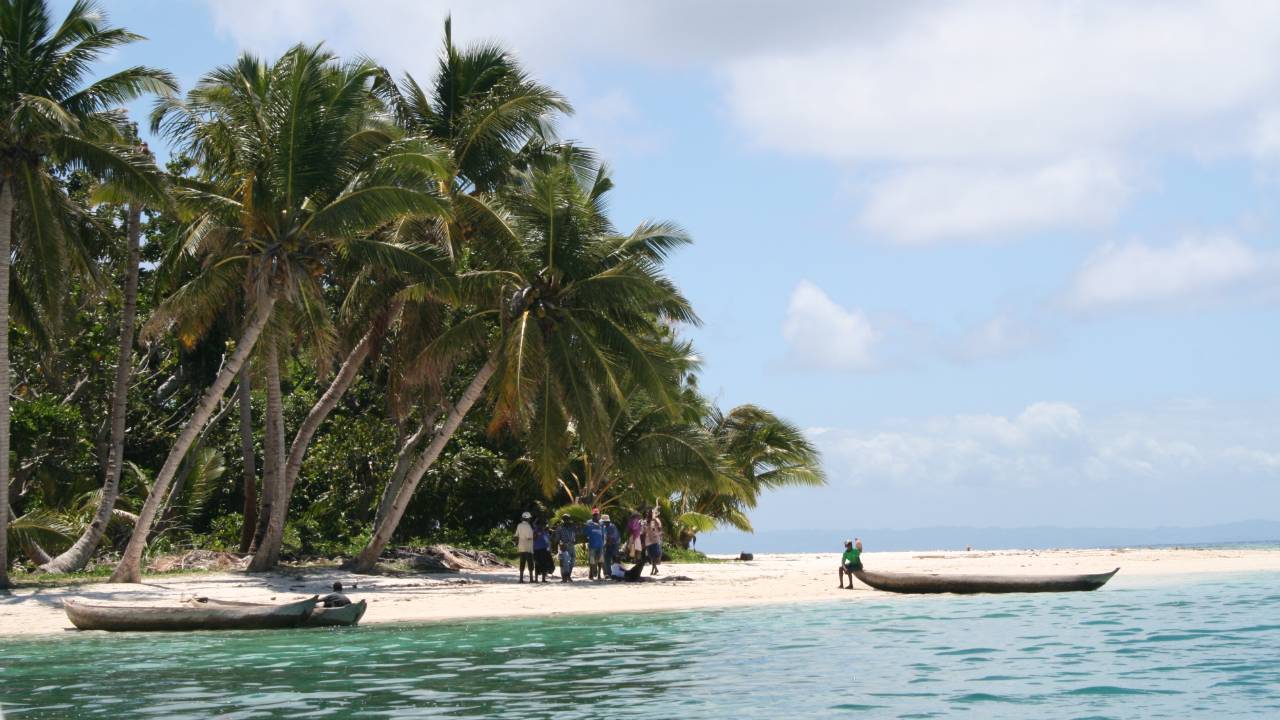
Madagascar’s rainforests and unique wildlife create unforgettable experiences, but the island’s environment can turn suddenly hostile. Cyclone season peaks from January to March, producing winds up to 200 km/h and isolating coastal towns. Roads outside major cities are often unpaved, and flash floods can leave travelers stranded for hours. The island hosts 5% of the world’s biodiversity, including species that can act unpredictably if approached. Healthcare is limited outside Antananarivo, making minor injuries potentially serious. Travelers must embrace uncertainty, plan flexibly, and accept delays as part of the adventure while enjoying Madagascar’s unmatched natural treasures.
4. Mongolia : Endless Steppe, Endless Surprises
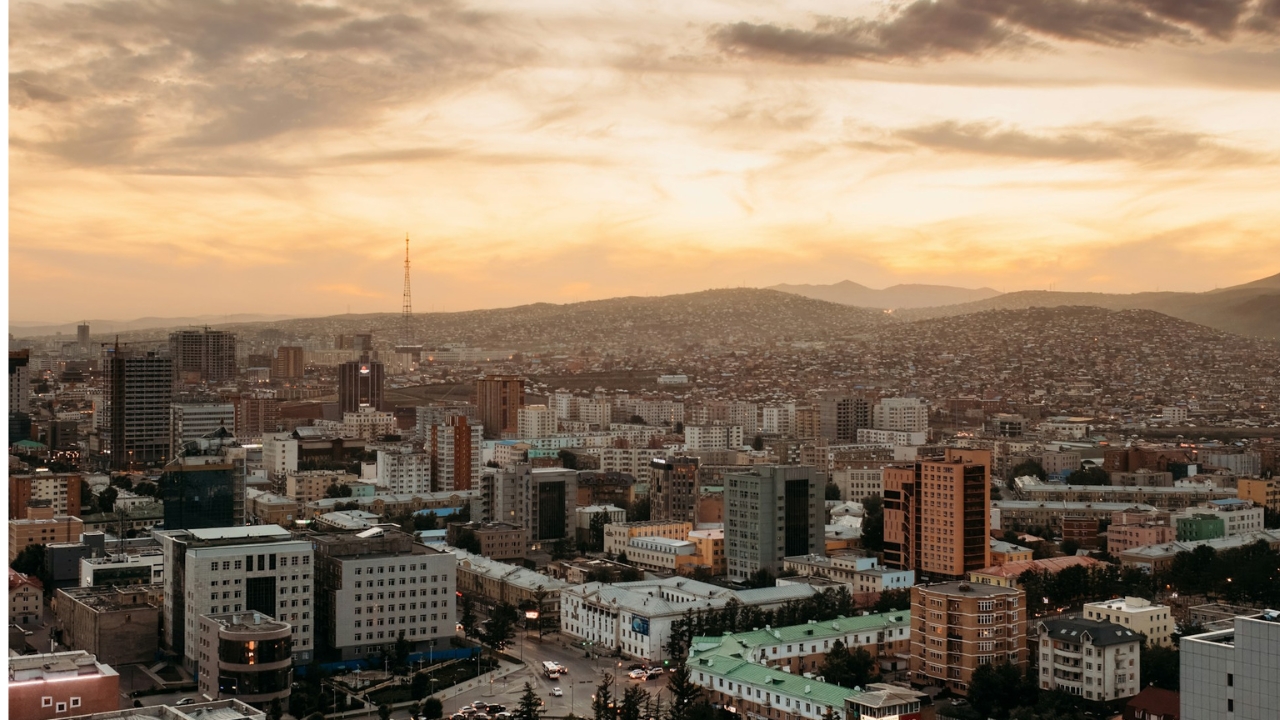
Mongolia’s vast steppes offer freedom, yet unpredictability dominates daily life. Winter temperatures drop below −30°C from November to February, and sudden snowstorms can isolate herders and travelers alike. Over 70% of roads outside Ulaanbaatar are unpaved, and flash floods during summer can wash out river crossings. Nomadic livestock herding can block tracks unexpectedly, and wildlife encounters with wolves or wild horses add risk. Limited medical infrastructure means emergencies may require hours of travel to reach care. Adventure here rewards flexibility, patience, and respect for the immense, untamed landscape that dominates Mongolia.
5. Haiti : Vibrant Culture, Unstable Conditions
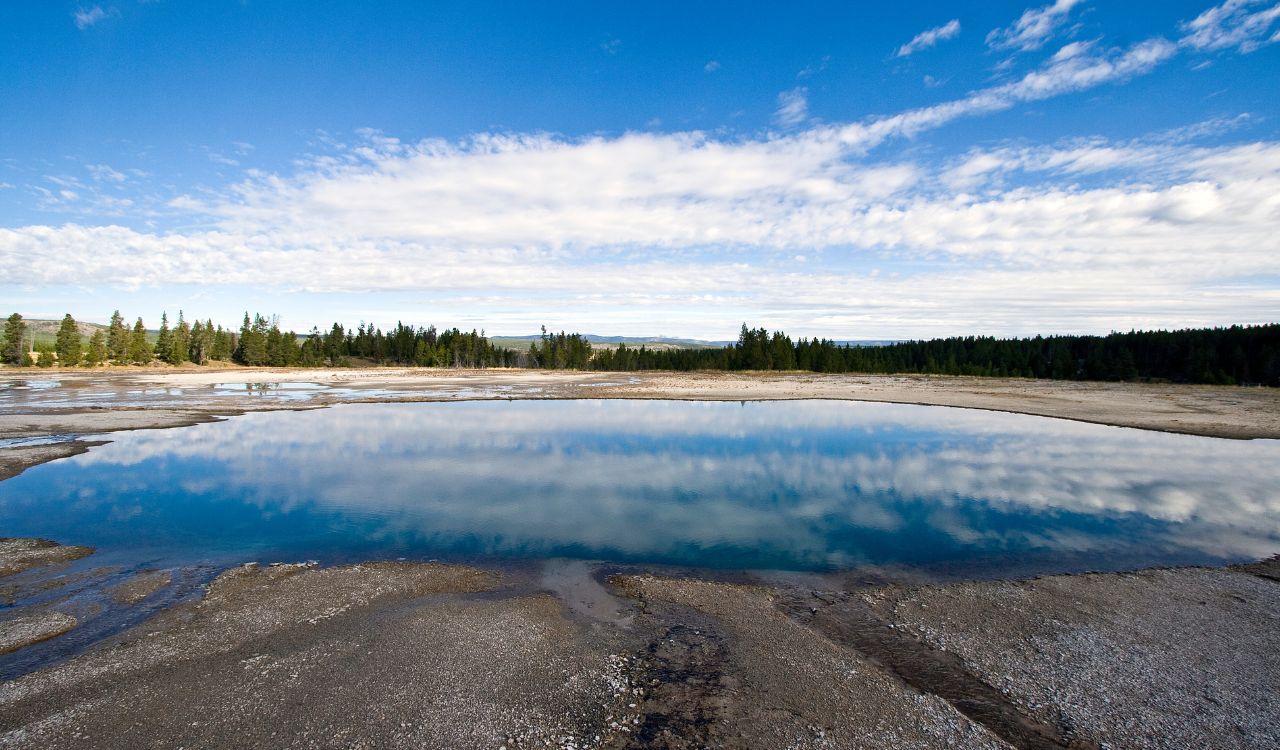
Haiti’s rich culture and natural beauty coexist with volatility that challenges even prepared travelers. The country ranks among the most earthquake-prone in the Caribbean, experiencing roughly one significant quake every 10–12 years. Tropical storms and hurricanes, often producing 150–200 mm of rain in a single day, frequently disrupt roads and utilities. Traffic accidents are common due to poor infrastructure and congested streets. Healthcare and emergency services are limited outside Port-au-Prince, and sudden civil demonstrations may block travel. Visitors must remain vigilant, adaptable, and informed to navigate Haiti safely while enjoying its vibrant music, art, and landscapes.
6. Papua New Guinea : Remote and Wild
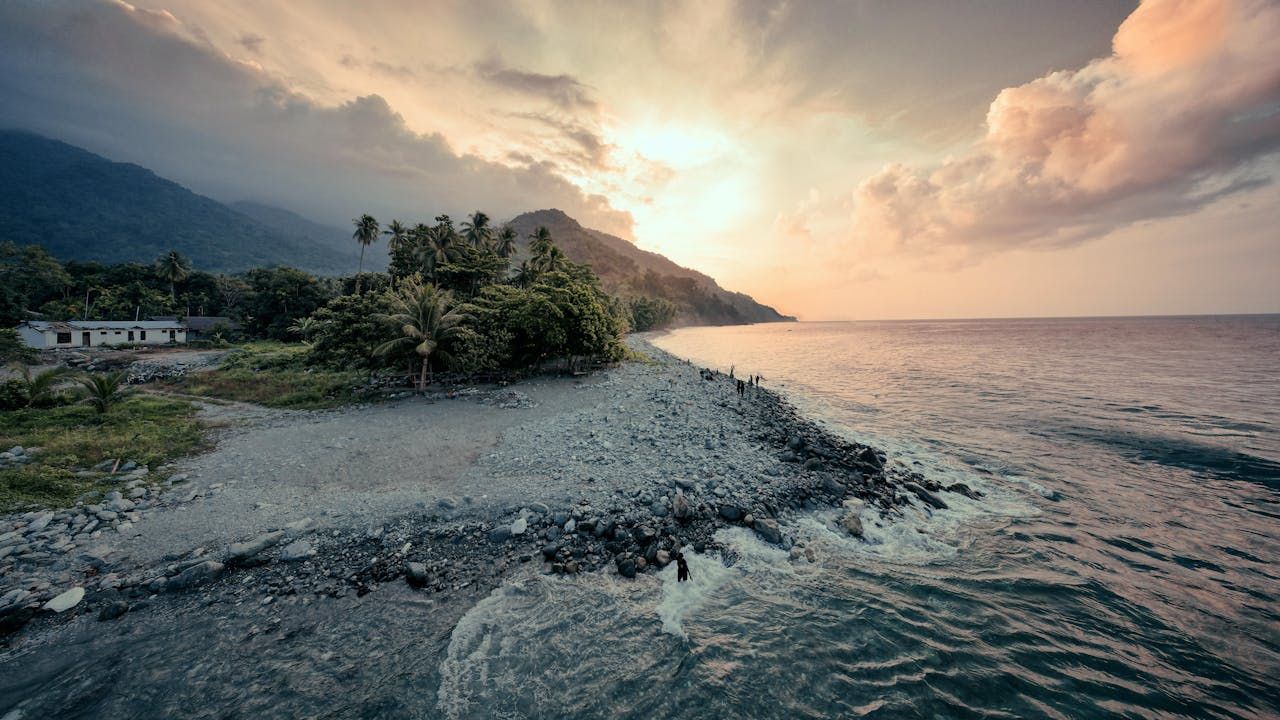
Papua New Guinea’s jungles, reefs, and tribal cultures fascinate adventurers, yet unpredictability defines travel here. Rainfall can exceed 3,000 mm annually, turning roads into mud traps or flooding remote villages. Air travel between islands often faces delays due to weather, mechanical issues, or limited infrastructure. Tropical diseases such as malaria and dengue affect thousands yearly, while local customs require careful adherence to avoid misunderstandings. Wildlife, from saltwater crocodiles to jungle snakes, adds an extra layer of risk. Travelers are rewarded with extraordinary biodiversity and cultural immersion, but preparation, caution, and patience are essential for safe exploration.
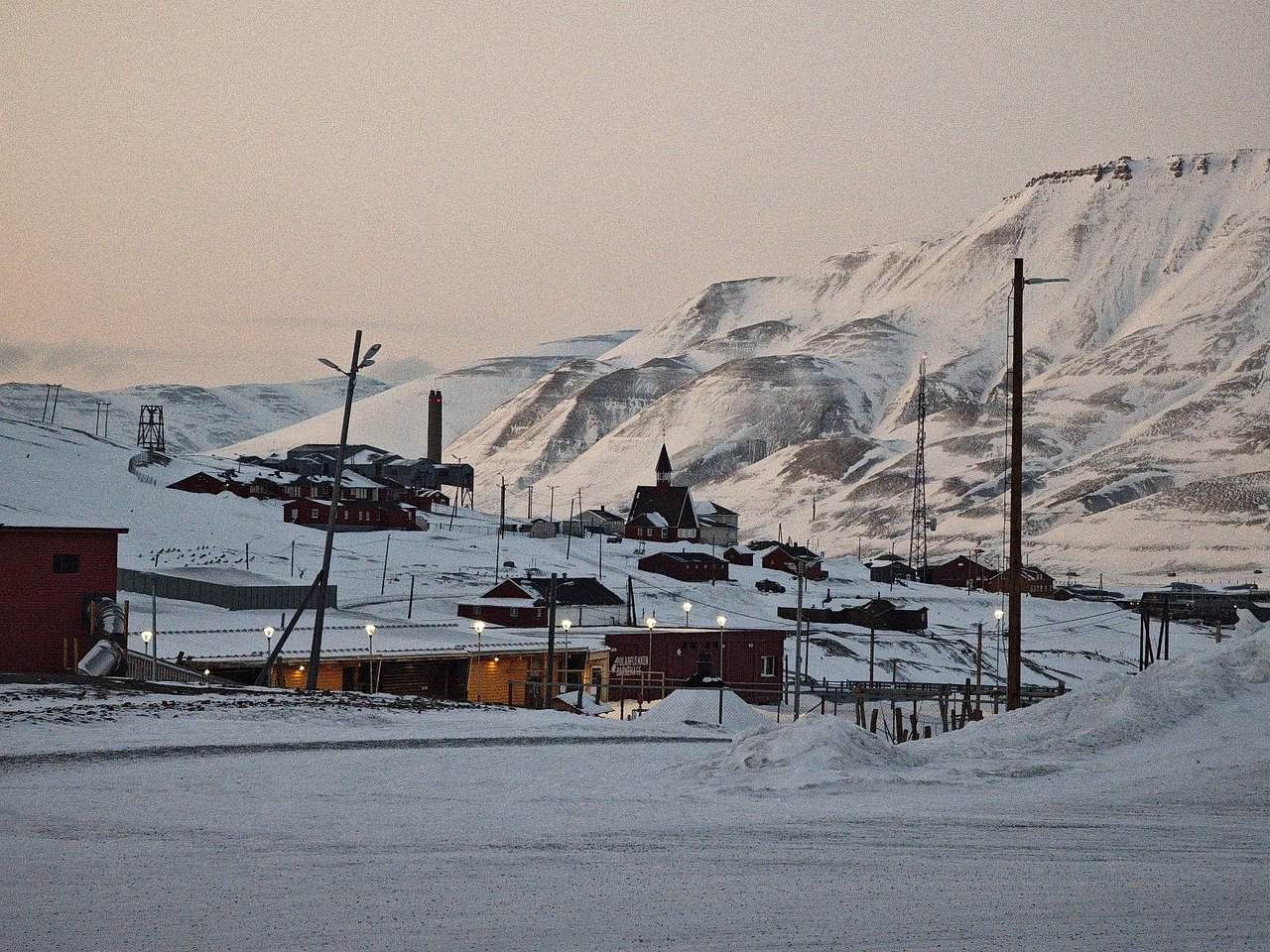
7. Svalbard, Norway : Arctic Extremes
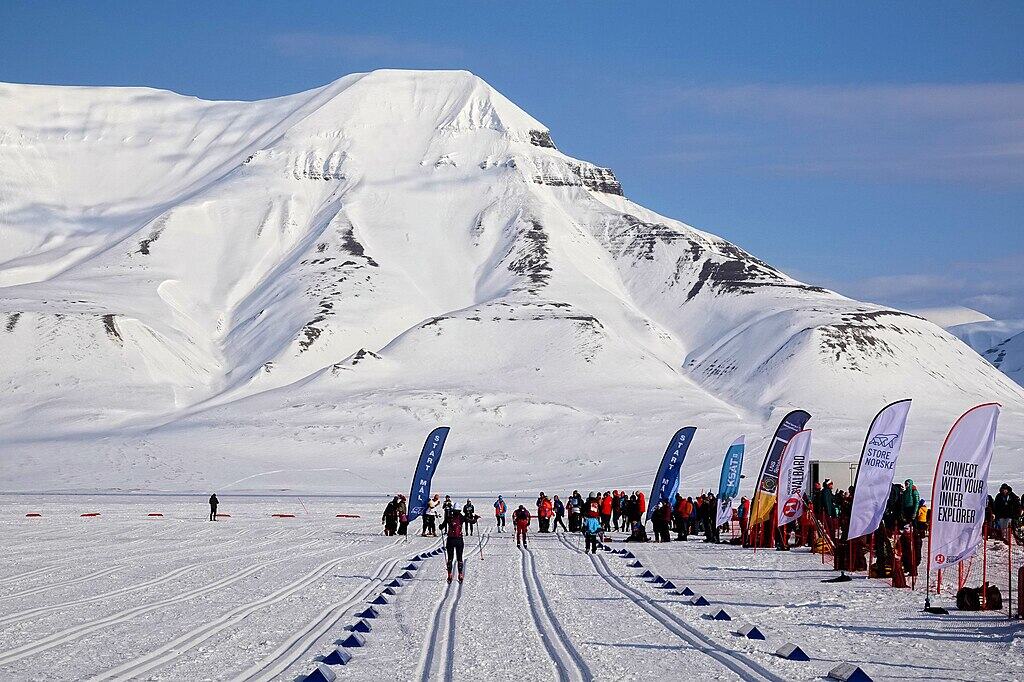
Svalbard’s polar landscapes offer surreal beauty, yet survival here demands constant vigilance. Winter temperatures drop below −25°C, and polar bears roam freely outside settlements, requiring travelers to carry rifles or deterrents. Sea ice changes rapidly, complicating boat trips to glaciers or fjords. Whiteouts and blizzards can appear in minutes, reducing visibility to near zero and stranding explorers. The archipelago has only around 2,500 permanent residents, so emergency services are limited and may take hours to respond. Adventurers who respect these extreme conditions experience breathtaking Arctic scenery, but preparation and caution are non-negotiable.