We may earn money or products from the companies mentioned in this post. This means if you click on the link and purchase the item, I will receive a small commission at no extra cost to you ... you're just helping re-supply our family's travel fund.
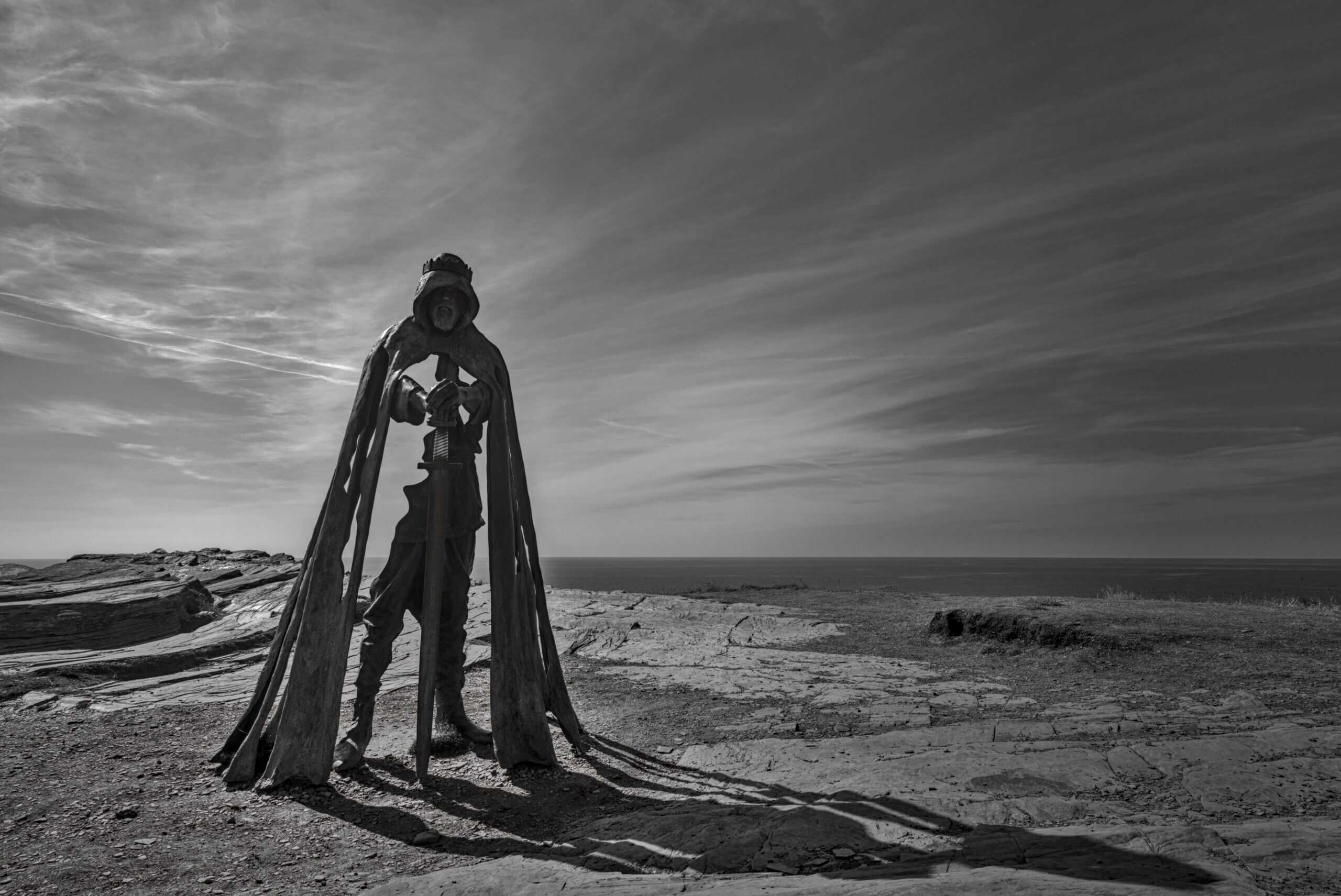
History remembers emperors, rebels, artists, and inventors, but it also holds people who seem to slip between fact and fog. Some left clues that feel close enough to solve, while others left only fragments, rumors, and arguments that still split scholars. Across court records, police files, memoirs, and myths, the same pattern appears: a name survives, certainty does not. These figures remain compelling not because they are unknowable, but because each one exposes how fragile memory can be, even when the stakes are enormous.
Satoshi Nakamoto
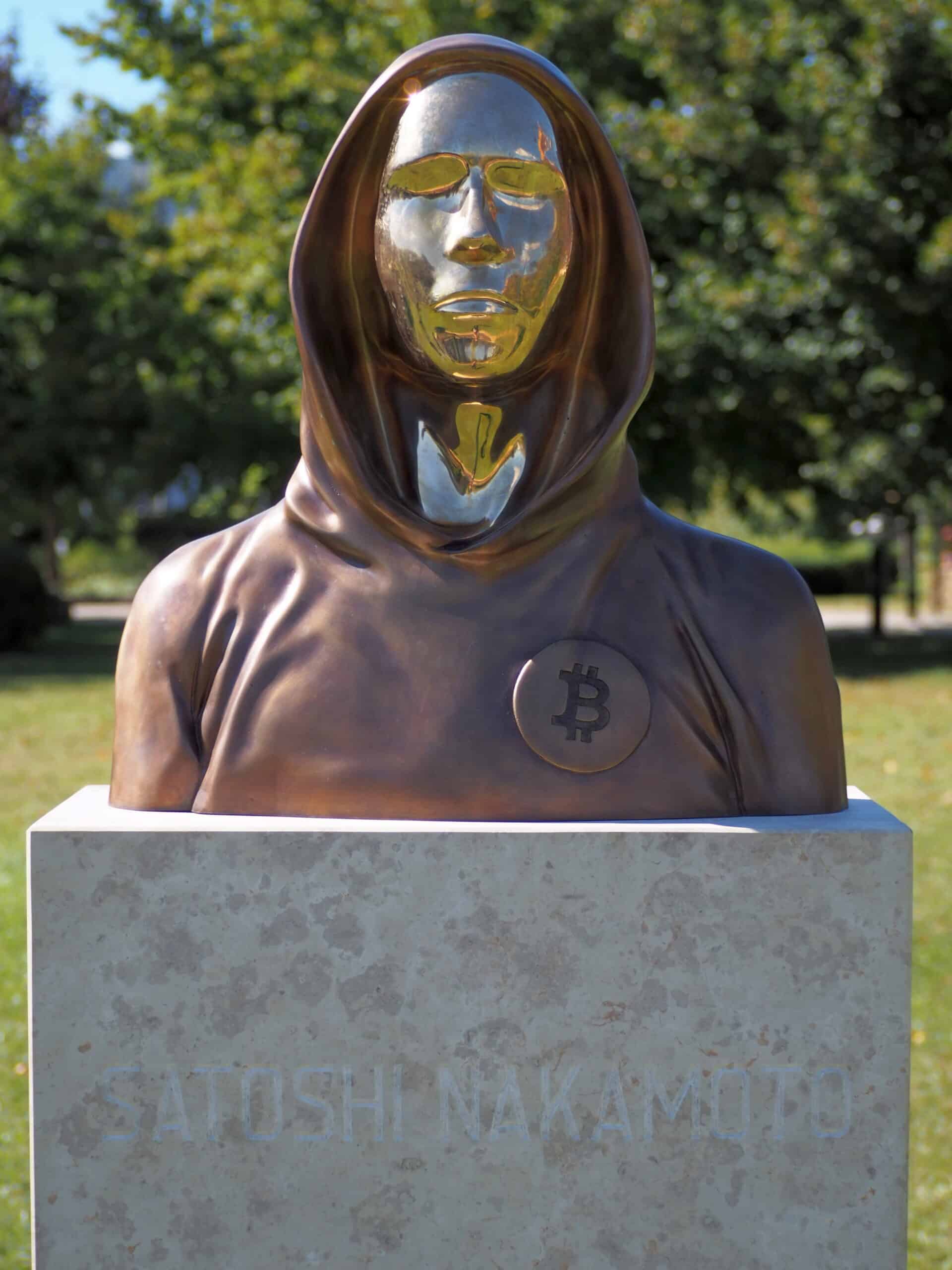
The creator of Bitcoin changed global finance without ever stepping into public view. Satoshi Nakamoto published the 2008 white paper, helped launch the software, solved the double-spending problem with blockchain, and then faded from active communication by 2011. The identity question has triggered endless claims, yet no definitive proof has held up. In a world obsessed with visibility, the most consequential inventor of the digital money era still stands as a pseudonym, not a confirmed person, and that paradox keeps the mystery alive.
Count Cagliostro

Born Giuseppe Balsamo, Cagliostro built fame across Europe as healer, alchemist, seer, and social climber, then collapsed into scandal and imprisonment. He mastered reinvention so thoroughly that contemporaries could not separate fraud from charisma, or opportunism from talent. His role around the Affair of the Diamond Necklace intensified his notoriety, and later accounts multiplied conflicting portraits. Even now, he resists clean classification as mere charlatan or gifted manipulator. The mystery is not whether he exaggerated, but how effectively he turned uncertainty itself into power.
B. Traven

The author of “The Treasure of the Sierra Madre” produced influential novels while guarding his identity with unusual discipline. Competing theories linked B. Traven to several men, including the actor and intermediary Hal Croves, yet definitive proof remained elusive for decades and still sparks debate in literary circles. Letters, passports, and testimonies never aligned cleanly enough to silence argument. His case fascinates because the mystery was not accidental. It appears to have been an intentional shield, a crafted absence that outlived the writer and became part of the work.
Junius

The letters signed Junius attacked British political figures in the late 18th century with legal precision, rhetorical force, and insider knowledge that implied elite access. The writings shook public discourse, but the author never confirmed identity. Generations have proposed candidates, including prominent parliamentarians and officials, yet no case has ended the dispute. The puzzle matters because authorship affects interpretation: if Junius was an insider, the letters become testimony; if not, they become a masterclass in political intelligence gathering. Either way, anonymity remains the core unresolved fact.
Tank Man
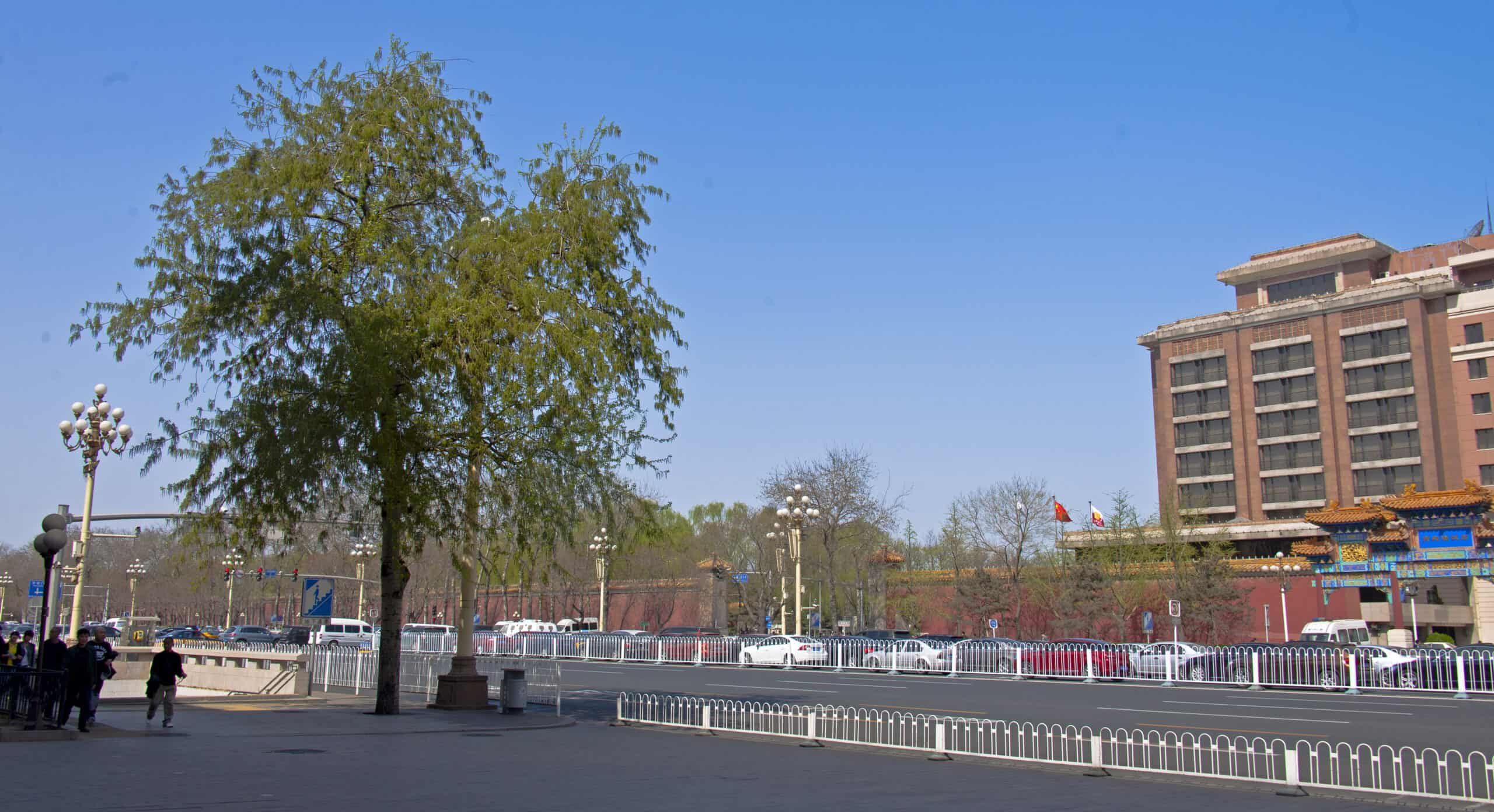
In June 1989, one unidentified man stood before a line of tanks in Beijing and created one of the most recognized images of the modern era. His name, fate, and later life have never been definitively established in public record. That gap has kept the figure suspended between symbol and biography. Unlike many historical mysteries, this one unfolded on camera, yet still denied the world closure. The power of the image comes from that contradiction: maximum visibility in one moment, permanent invisibility in every moment after.
Amelia Earhart
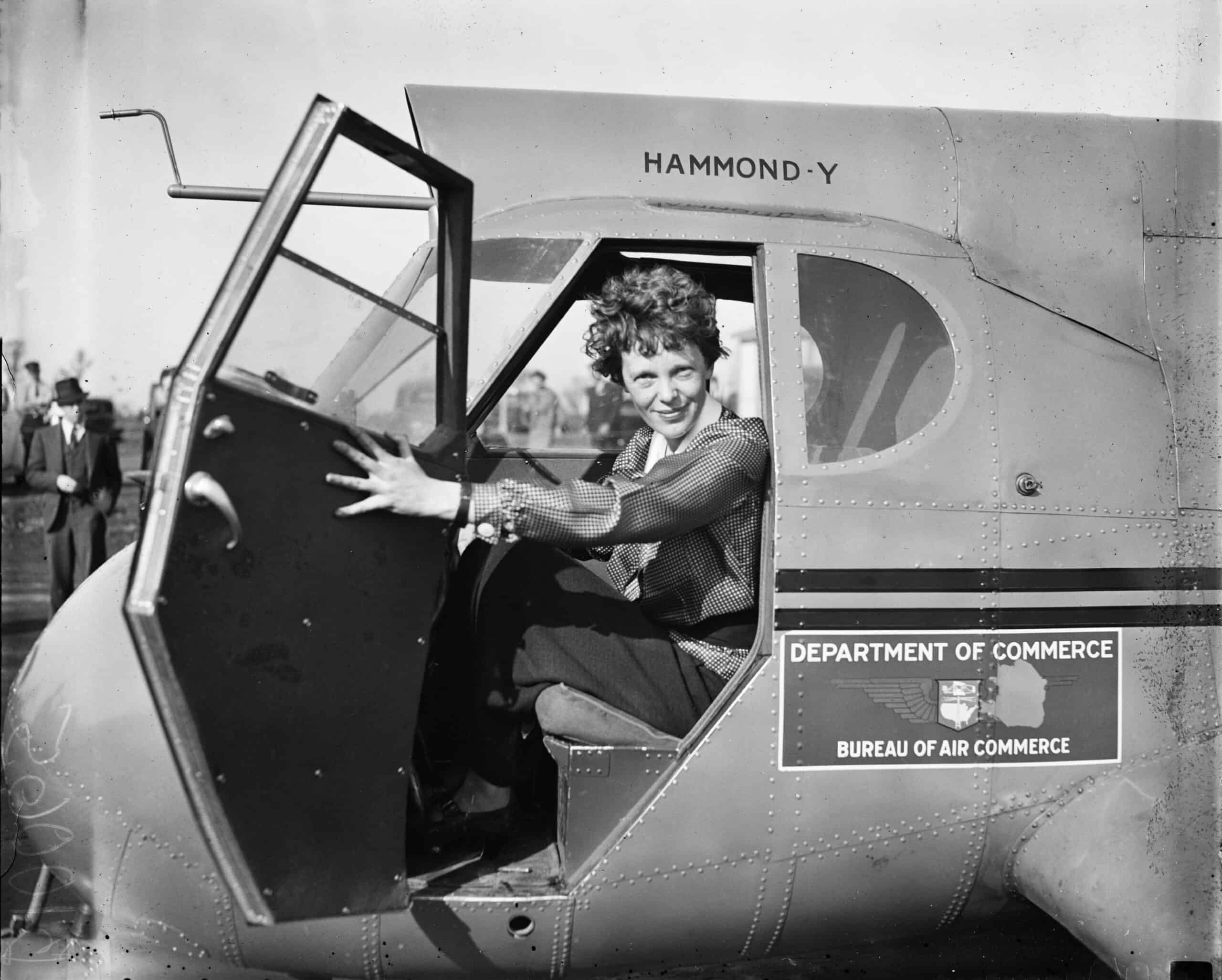
Amelia Earhart’s disappearance during her 1937 world-flight attempt remains one of aviation’s longest-running mysteries. She and navigator Fred Noonan vanished near Howland Island after radio messages suggesting fuel stress and navigational difficulty. Massive searches found no conclusive wreckage tied to final proof, which allowed competing theories to expand for generations. Most researchers still favor a crash at sea near the intended route, yet the absence of definitive physical confirmation keeps debate alive. Her legacy blends achievement with uncertainty in a way few modern figures can match.
Rudolf Diesel
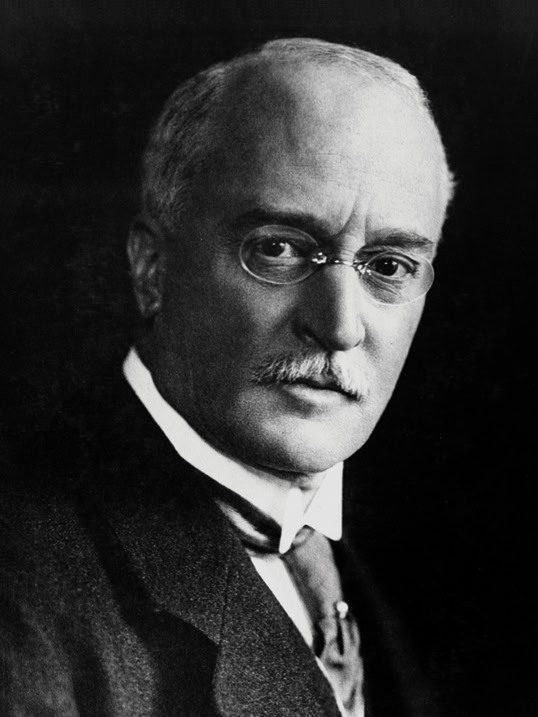
Rudolf Diesel, inventor of the diesel engine, disappeared from a ship in 1913 while crossing toward Britain. Possibilities included suicide, accident, and political motives, and none was proven to universal historical agreement. Personal finances, professional tensions, and prewar European rivalries all fed speculation. Even the most grounded reconstructions depend on inference, because direct evidence from the final hours remains thin. Diesel’s case is unusually resonant: an engineer associated with precision left behind a death narrative defined by ambiguity, at the edge of a continent moving toward global war.
Subhas Chandra Bose
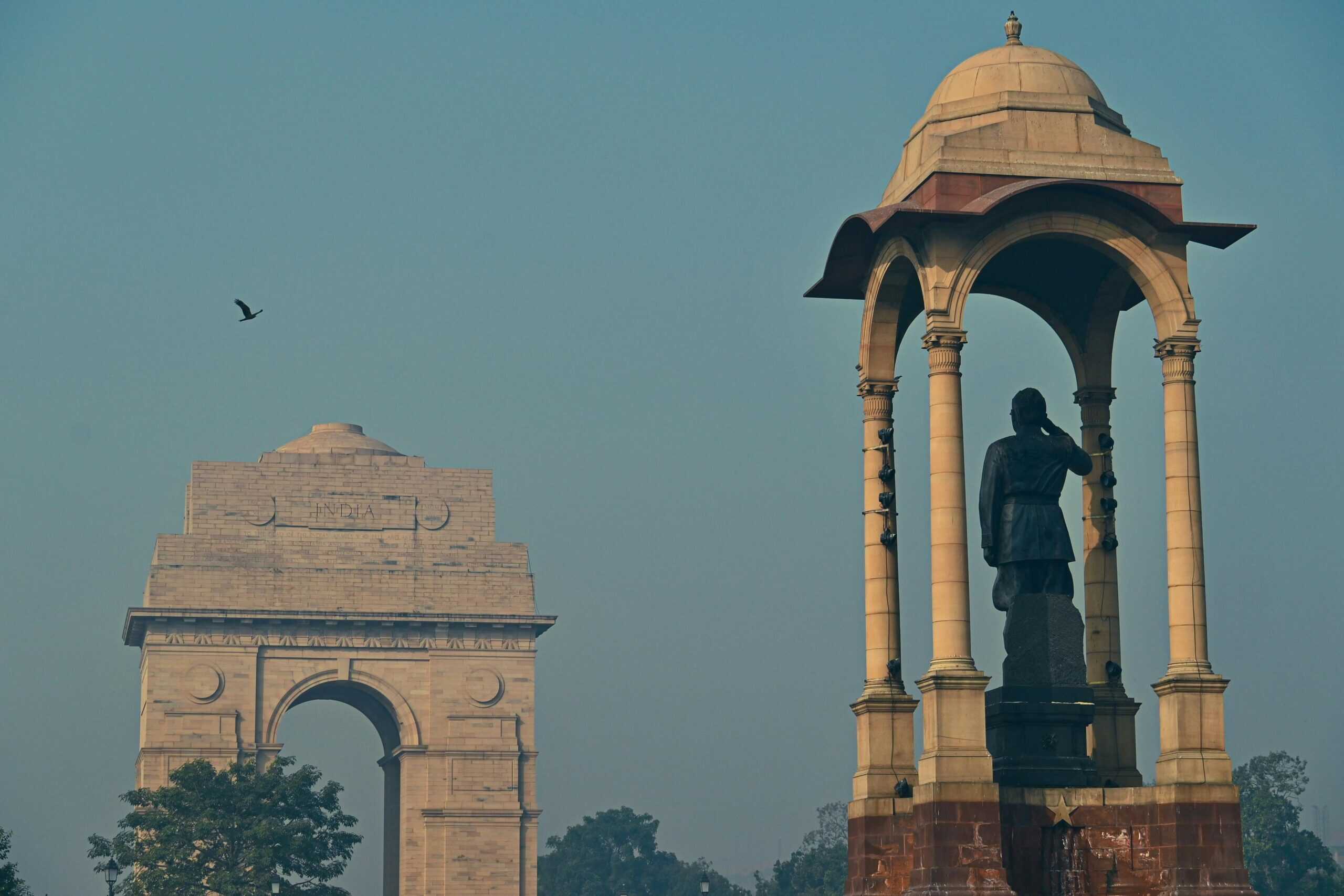
Subhas Chandra Bose remains one of South Asia’s most debated historical figures partly because of unresolved questions around his reported death in 1945. Official inquiries and archival releases have examined the plane-crash account and competing survival theories, yet public skepticism has persisted across generations. The debate carries emotional and political weight beyond biography, touching anti-colonial memory, postwar intelligence, and national identity. What keeps the mystery alive is not simply missing evidence, but the coexistence of documentary findings with deeply rooted alternative narratives that refuse to fade.
Grand Duchess Anastasia
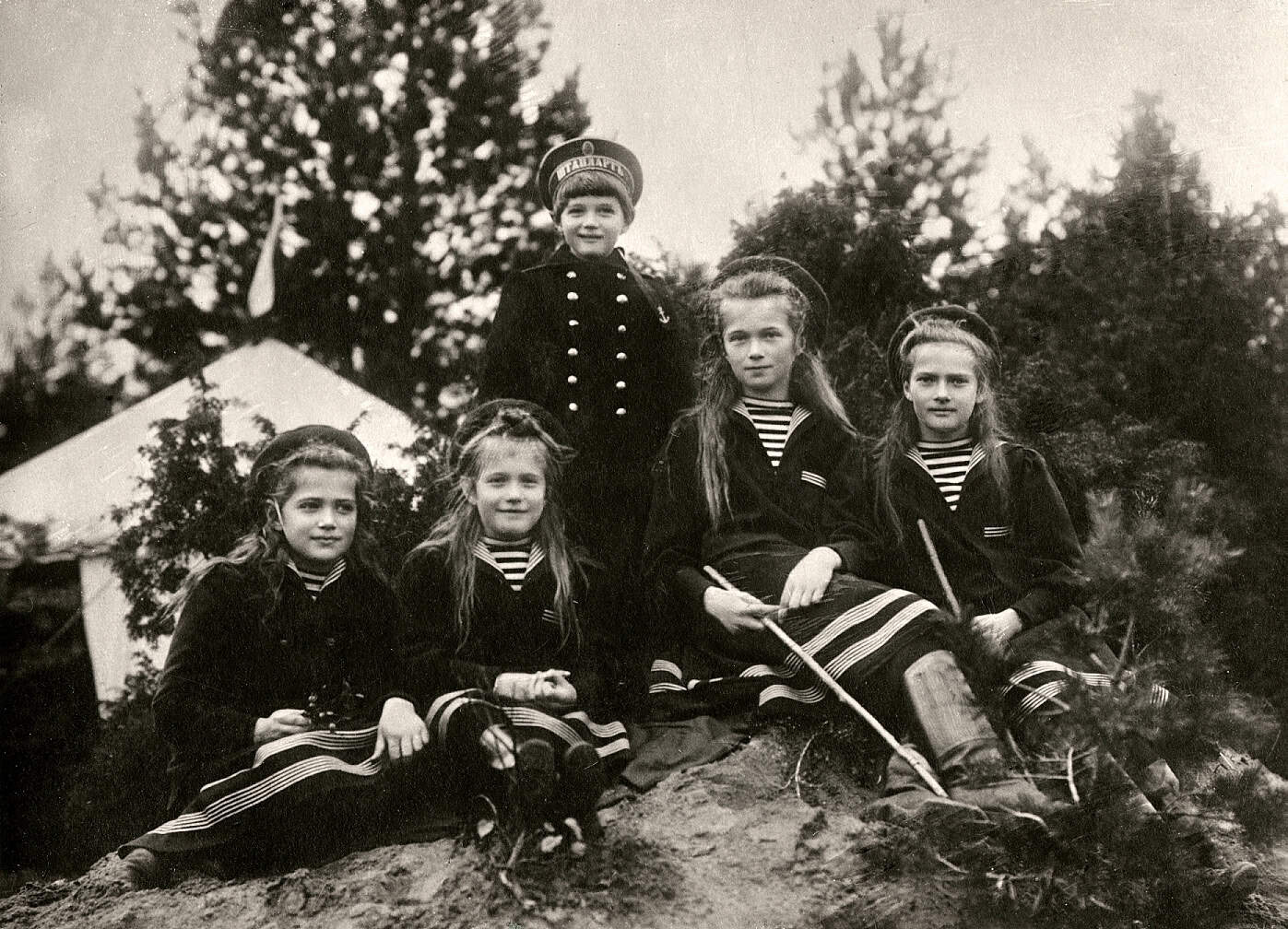
After the Romanov executions in 1918, uncertainty around missing remains allowed decades of claims that Anastasia had survived. Impostors emerged internationally, and legal battles prolonged ambiguity well into the 20th century. Late 20th- and early 21st-century DNA analyses identified remains associated with the imperial family and strongly undermined survival stories, yet popular fascination endured. Her mystery shows how emotional hope can outlast forensic resolution. Even as science closed much of the historical gap, the figure of Anastasia remained culturally powerful as a symbol of interrupted dynasty and imagined escape.
William Shakespeare
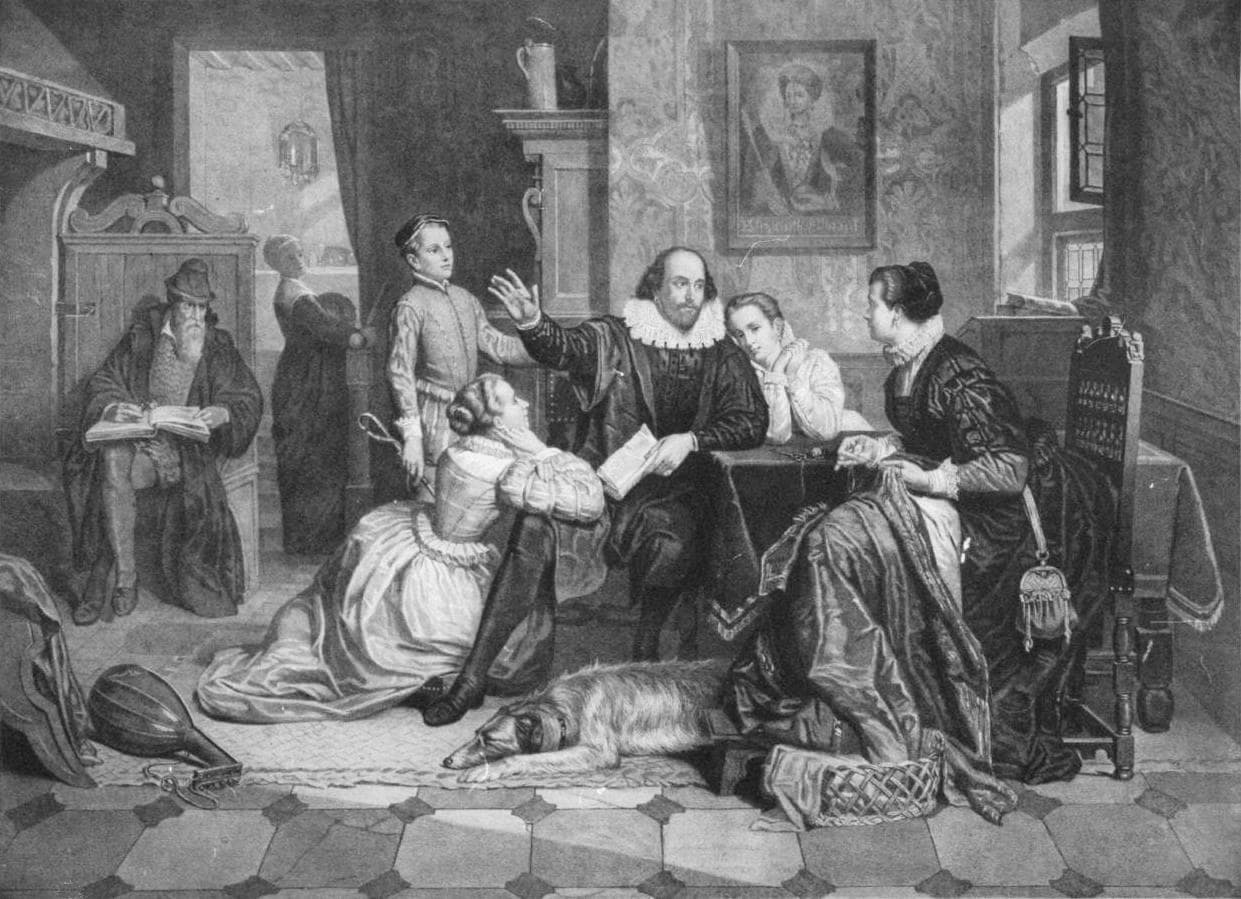
The Shakespeare authorship question asks whether the man from Stratford wrote the works attributed to him, despite the strong mainstream scholarly consensus that he did. Alternative theories point to nobles, courtiers, or collaborative concealment, often emphasizing perceived gaps in biography. Documentary evidence, publication history, and theatrical records support Shakespeare’s authorship, yet doubt survives in popular culture. The enduring mystery says less about missing documents than about expectations: readers often struggle to accept that extraordinary art can emerge from a life that appears ordinary in surviving paperwork.