We may earn money or products from the companies mentioned in this post. This means if you click on the link and purchase the item, I will receive a small commission at no extra cost to you ... you're just helping re-supply our family's travel fund.
In 2026, Europe’s small towns are becoming the preferred choice for travelers who value depth over density. These destinations offer walkable historic centers, visible local life, and landscapes that feel close rather than distant. Without the pressure of packed itineraries, visitors can slow down and engage with places more meaningfully. From coastal harbors to mountain valleys, the towns below combine beauty, affordability, and cultural richness. Each one rewards curiosity, offers strong infrastructure for visitors, and remains small enough to feel personal qualities that define memorable travel in the coming year.
1. Hallstatt, Austria

Hallstatt is a lakeside Alpine village where natural drama and human scale feel perfectly aligned. Wooden houses cluster tightly along the water, reflecting changing light throughout the day. The settlement’s salt mining history spans more than 7,000 years, with underground tunnels extending over 400 meters beneath the mountains. Average summer temperatures sit near 22°C, ideal for walking. While over one million visitors arrive annually, most stay briefly. Early mornings and evenings reveal stillness, when boats move quietly across the lake. Overnight stays average around $195 in 2026, rewarding visitors with calm rarely seen by day trippers.
2. Colmar, France
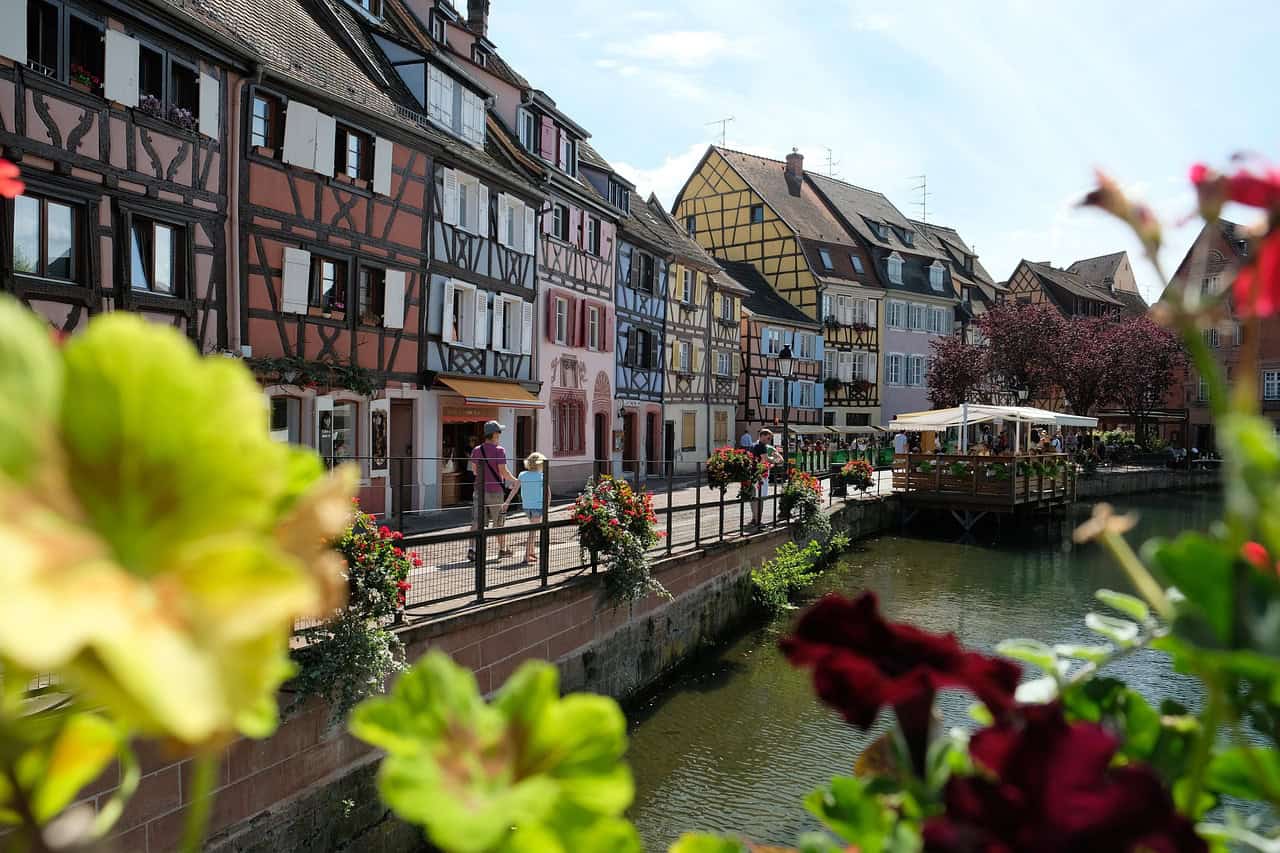
Colmar blends storybook visuals with everyday rhythm, creating a town that feels both polished and lived-in. Its historic core covers roughly 2 square kilometers, making exploration easy on foot. Half-timbered houses line narrow canals, while nearby vineyards produce millions of bottles of wine each year. Summer temperatures average 25°C, and winter markets draw steady seasonal visitors. Although around 3 million tourists visit annually, the town absorbs crowds well due to its layout. Daily visitor spending averages $120, lower than major French cities. Improved rail access in 2026 makes Colmar especially convenient without altering its intimate atmosphere.
3. Piran, Slovenia
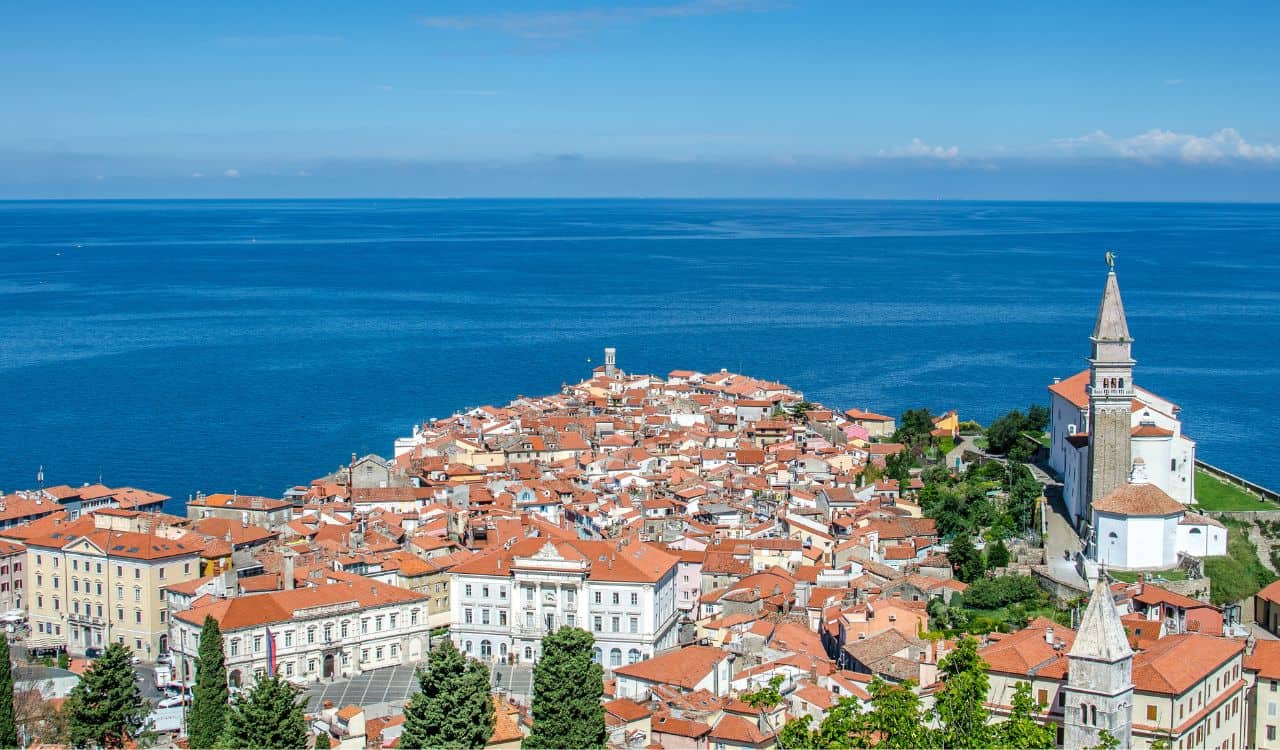
Piran occupies a narrow peninsula where architecture presses gently toward the Adriatic Sea. With no cars allowed in the historic center, movement is slow and deliberate. The town receives roughly 500,000 visitors per year, far fewer than nearby coastal hotspots. Summer sea temperatures reach about 24°C, encouraging swimming and evening waterfront walks. The old town spans less than one square kilometer, yet holds centuries of Venetian influence. Seafood meals average $20, keeping costs accessible. Piran’s strength lies in its compactness; everything is close, quiet, and connected, making it ideal for relaxed coastal travel in 2026.
4. Rothenburg ob der Tauber, Germany
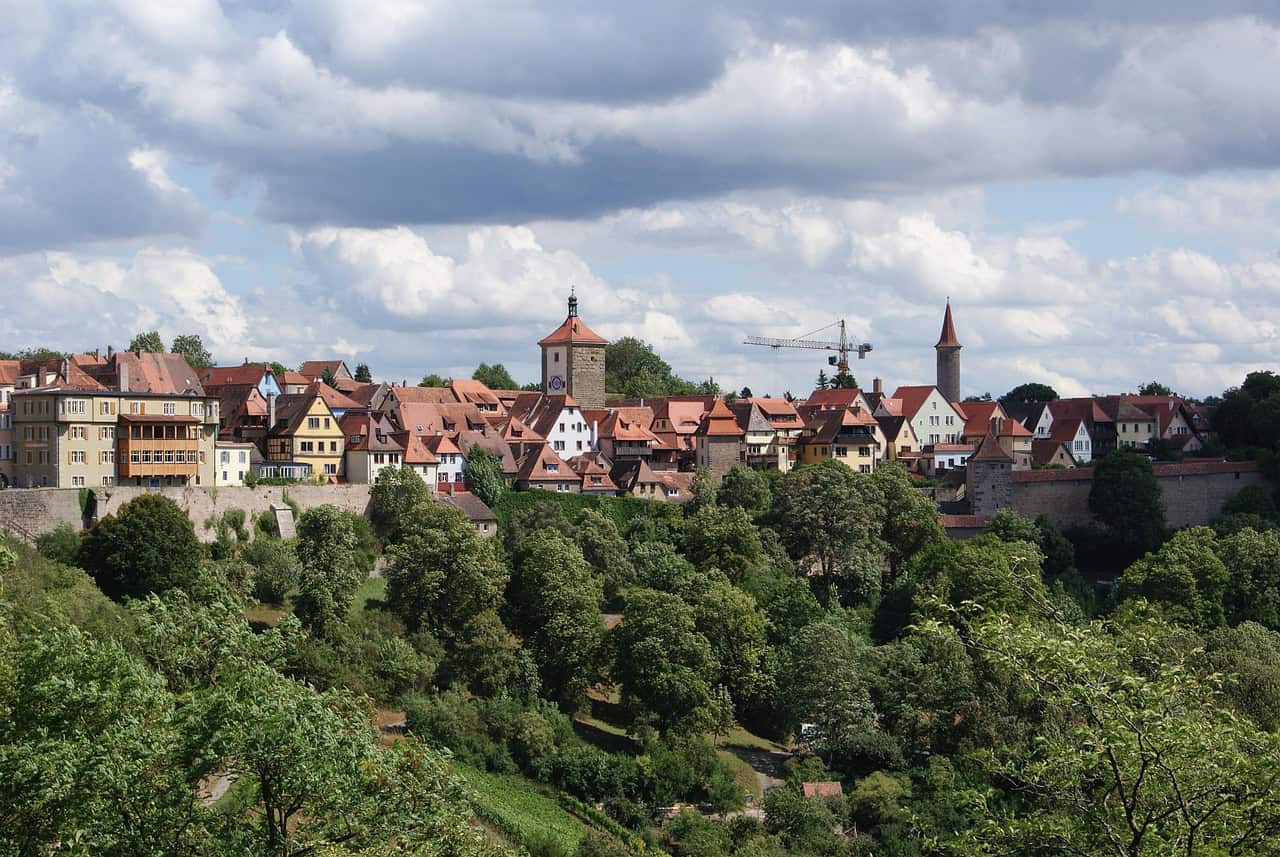
Rothenburg ob der Tauber feels preserved rather than restored, enclosed by medieval walls stretching nearly 4 kilometers. Inside, cobblestone streets follow the same patterns they did centuries ago. Around 2.5 million visitors arrive each year, but most leave before sunset. Staying overnight reveals empty squares and soft evening light. Summer temperatures average 24°C, comfortable for walking the ramparts. The town’s famous night watchman tour operates year-round and remains a cultural highlight. Average accommodation prices reach $150 in 2026. Rothenburg’s charm lies in continuity, offering a complete medieval environment without the need to rush.
5. Kotor, Montenegro
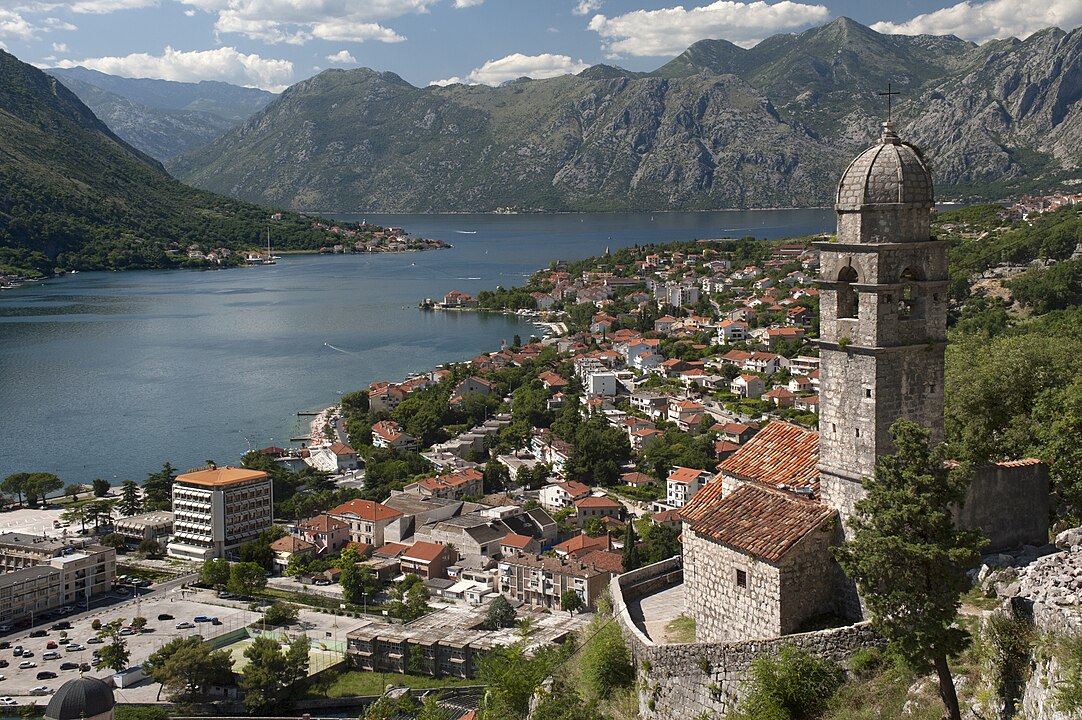
Kotor sits at the edge of a deep bay, where mountains rise sharply behind fortified stone walls. The old town covers just 0.3 square kilometers yet contains more than 30 historic churches and squares. About 1.2 million visitors arrive annually, largely from cruise ships, though evenings remain quiet. The climb to the fortress viewpoint involves 1,350 steps and reaches 280 meters, rewarding hikers with sweeping views. Average daily costs hover around $80, making Kotor one of Europe’s best-value historic towns. In 2026, its balance of affordability, scenery, and density continues to stand out.
6. Reine, Norway
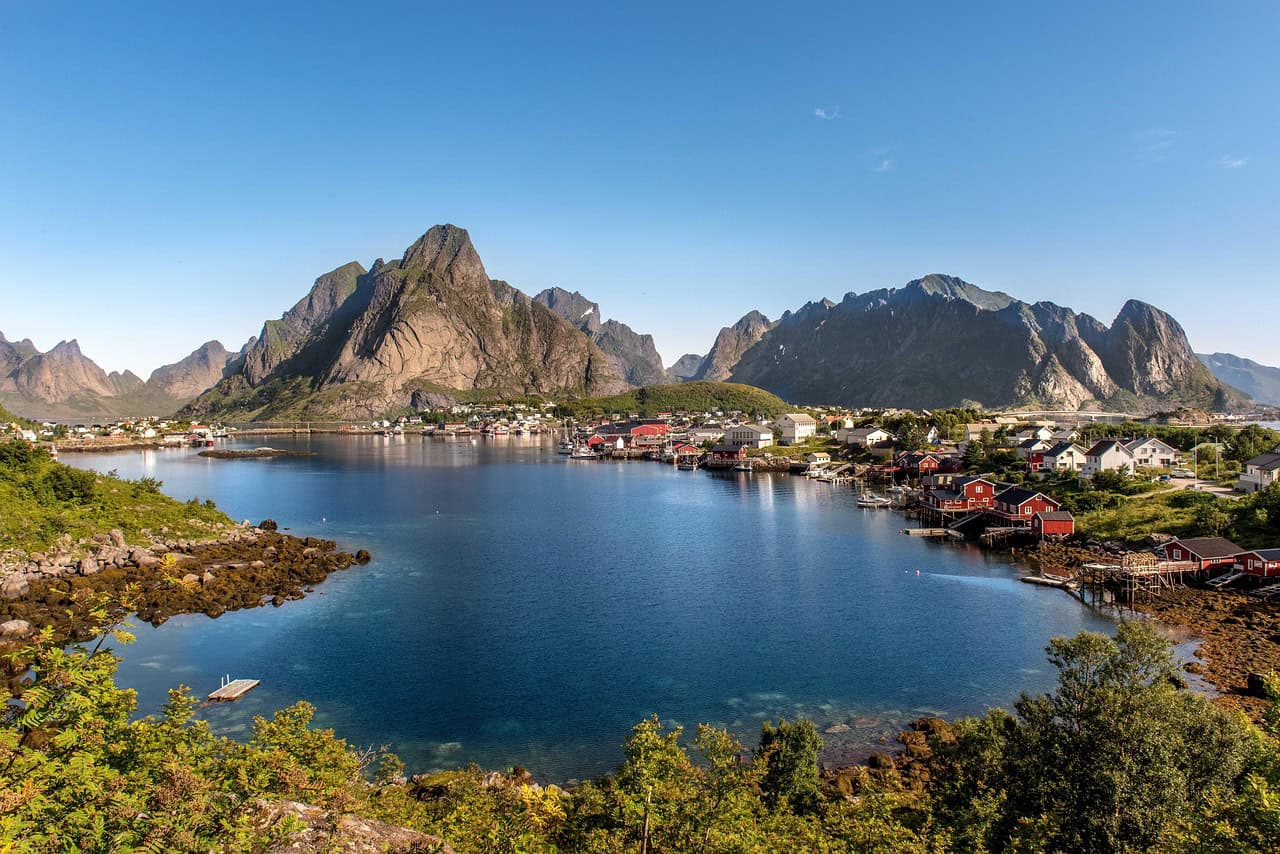
Reine is a fishing village where human presence feels intentionally small against towering peaks. Fewer than 300 residents live among red cabins set along the water. Each summer, around 200,000 visitors arrive, drawn by dramatic landscapes and long daylight hours. Temperatures average 14°C, cool but comfortable for hiking. Mountains surrounding the village rise beyond 1,000 meters, creating constant visual contrast. Converted fishing cabins serve as lodging, averaging $240 per night in 2026. Reine offers little nightlife or shopping, but rewards visitors with silence, clarity, and some of Europe’s most striking natural scenery.
7. Eguisheim, France
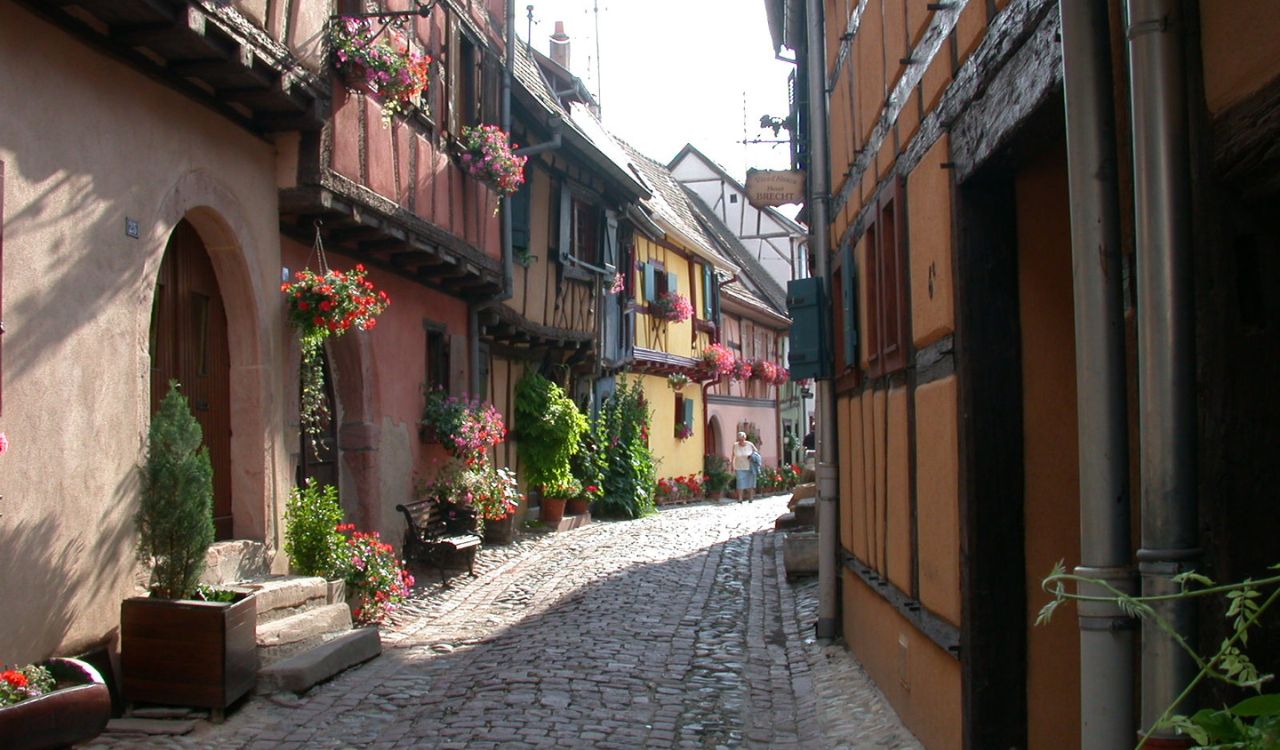
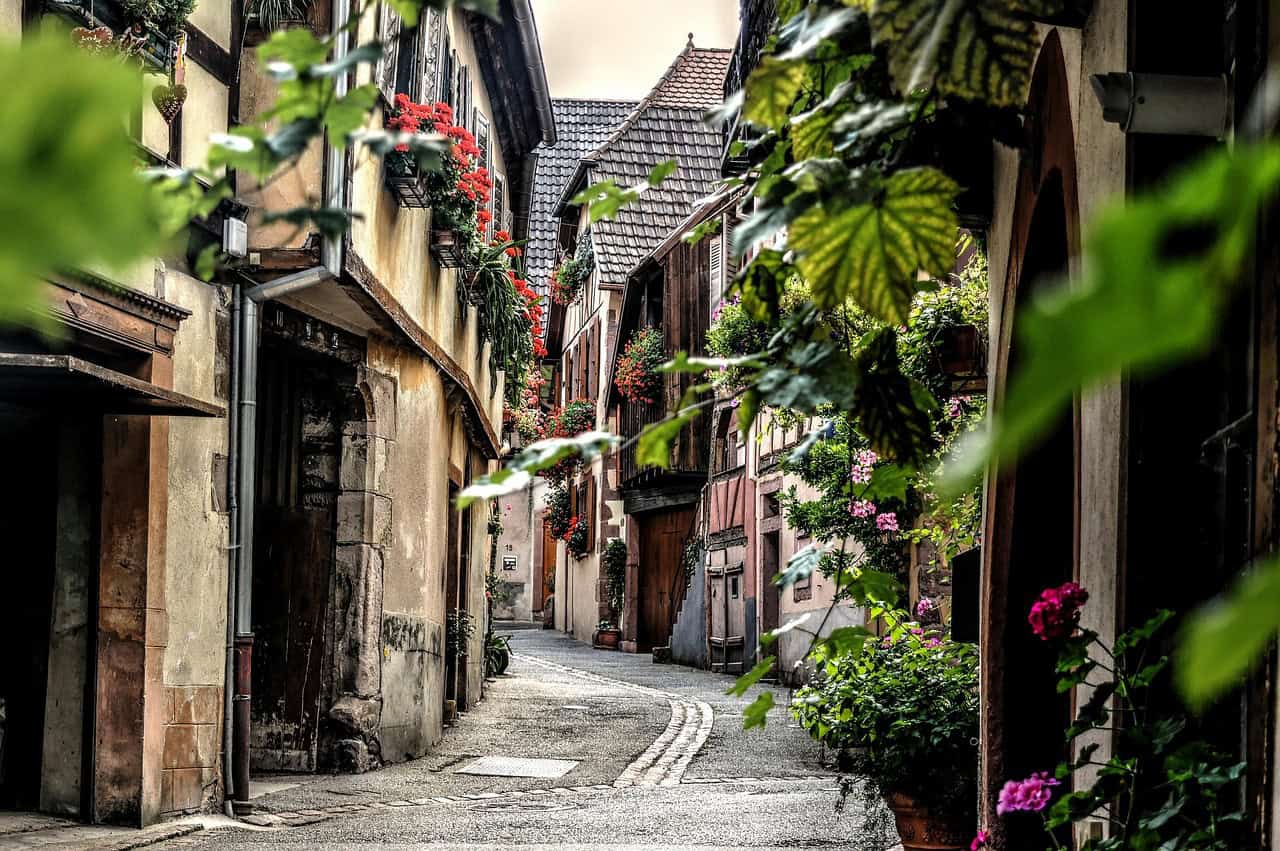
Eguisheim is built in near-perfect concentric circles, allowing visitors to walk its historic core in under 20 minutes. Despite its small size, the town welcomes close to one million visitors annually. Vineyards surrounding the village produce over 4 million bottles of wine each year, shaping both economy and culture. Summer temperatures reach about 27°C, while spring and autumn remain mild. Average lodging costs sit near $130 per night in 2026. Eguisheim’s appeal lies in detail rather than scale; colorful facades, flower-lined windows, and a steady rhythm that encourages lingering rather than sightseeing speed.
8. Giethoorn, Netherlands
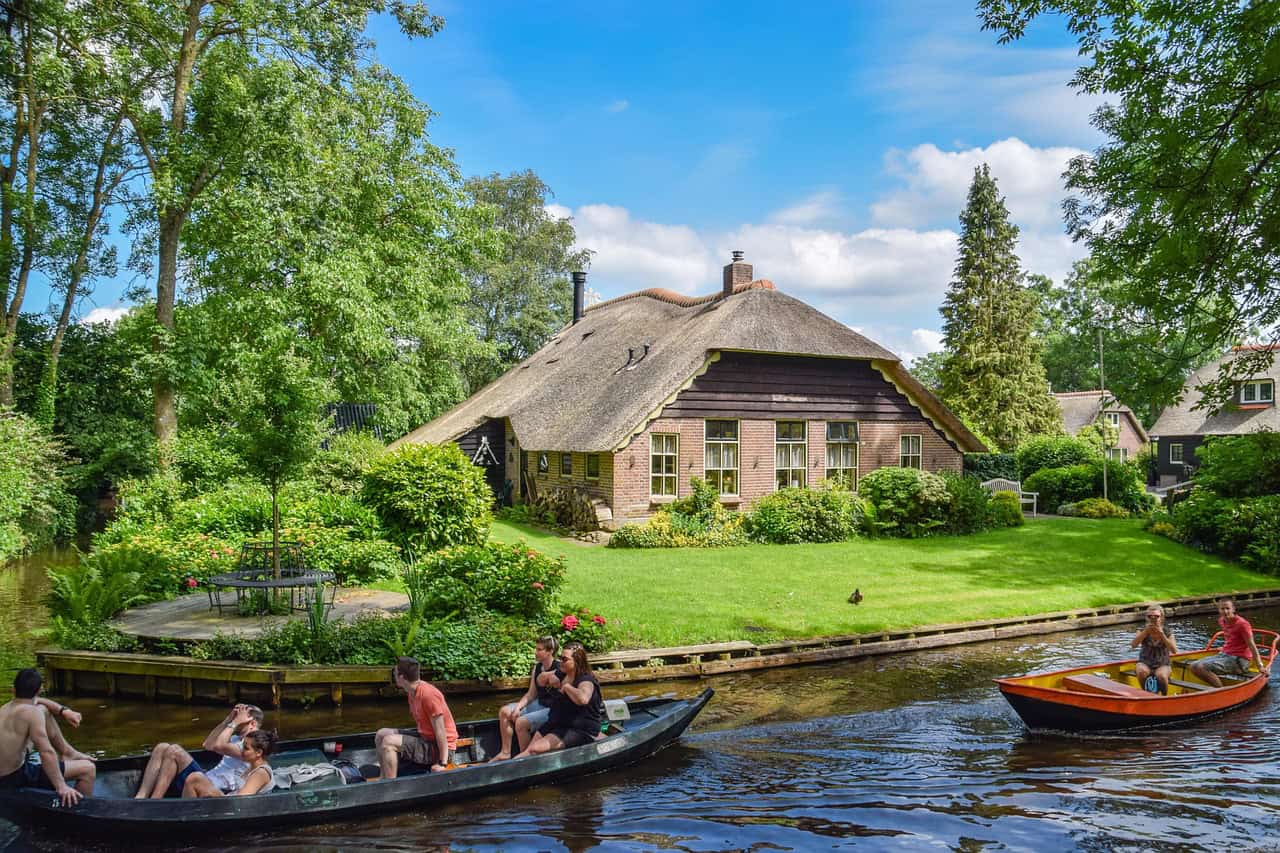
Giethoorn replaces streets with canals, creating a town defined by water rather than roads. Over 170 wooden bridges connect thatched farmhouses dating back to the 18th century. More than one million visitors arrive annually, yet mornings remain calm. Canal boats rent for around $38 per hour, offering a slow way to explore. The village sits just one meter above sea level, enhancing its reflective atmosphere. Cycling paths extend more than 15 kilometers nearby. In 2026, stricter visitor controls improved flow, allowing Giethoorn to retain its quiet character while remaining accessible to travelers.
9. Český Krumlov, Czech Republic
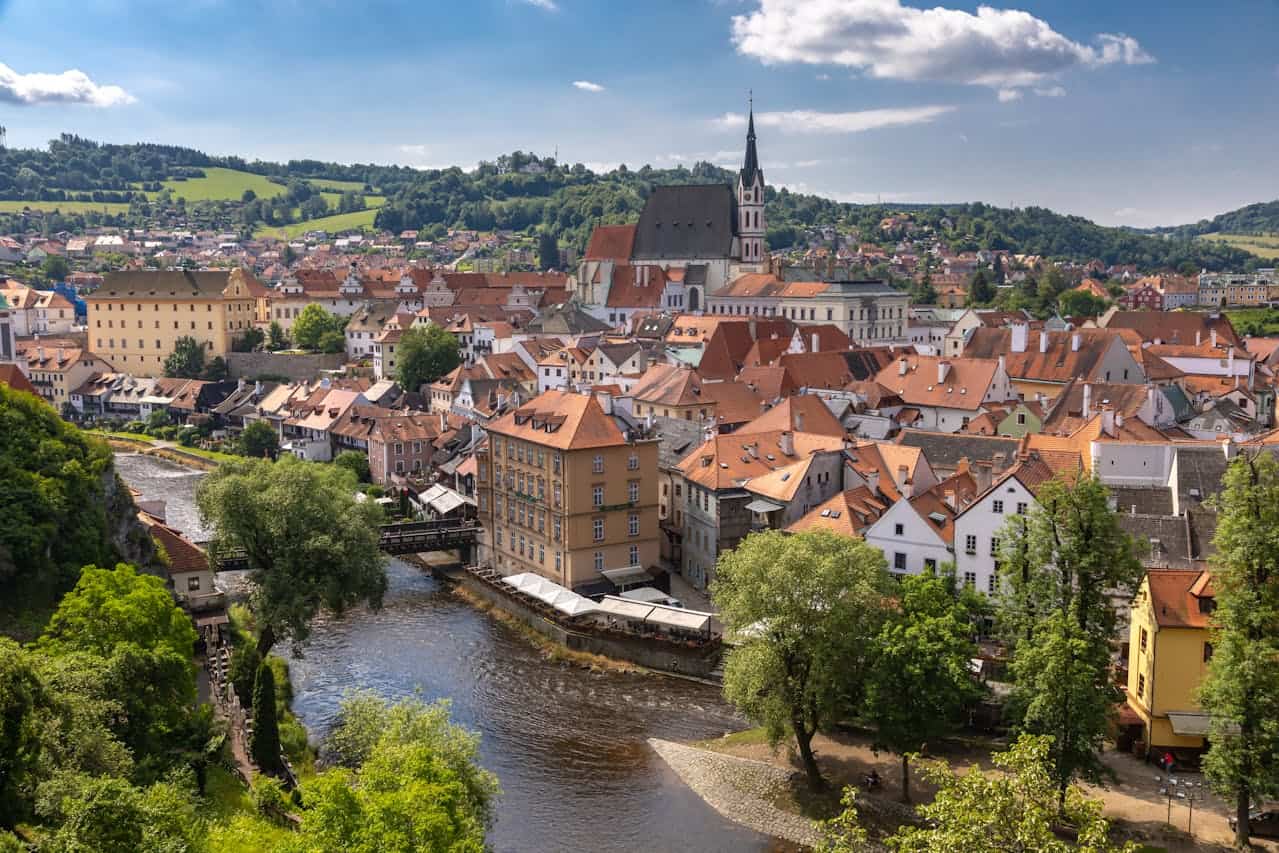
Český Krumlov curves along the Vltava River beneath a castle complex covering 7 hectares. Roughly 2 million visitors arrive each year, yet winding streets disperse crowds effectively. Summer temperatures average 25°C, ideal for walking and river rafting. Entry to major attractions remains affordable, with castle tower access under $9. Daily travel costs average $85, making it budget-friendly by European standards. Despite popularity, local life remains visible due to schools and small businesses. Český Krumlov succeeds by combining visual grandeur with practical affordability, making it more than a brief photo stop.
10. Alberobello, Italy
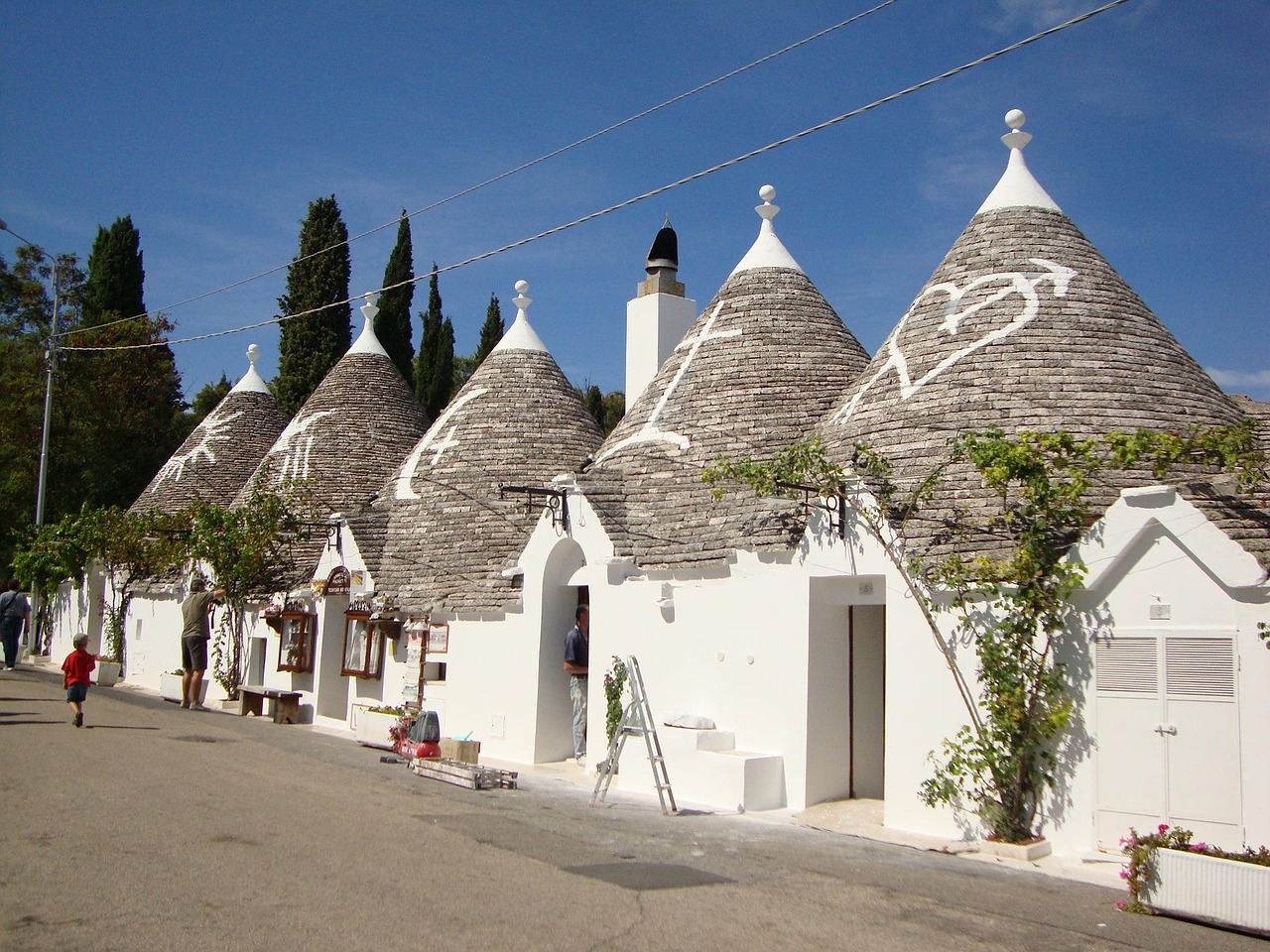
Alberobello is defined by its trulli, white limestone houses topped with cone-shaped roofs found almost nowhere else. More than 1,500 trulli remain preserved within an area smaller than one square kilometer. The town receives about 900,000 visitors annually, most arriving for short visits. Summer temperatures reach 30°C, while spring and autumn average a pleasant 22°C. Entry to most trulli costs under $3.50, keeping exploration affordable. Average accommodation prices in 2026 hover around $110 per night. Alberobello’s strength lies in architectural unity, giving every street a distinctive and cohesive identity.