10 Vacations That Will Destroy Your Travel Budget in Days
We may earn money or products from the companies mentioned in this post. This means if you click on the link and purchase the item, I will receive a small commission at no extra cost to you ... you're just helping re-supply our family's travel fund.
2. Maldives
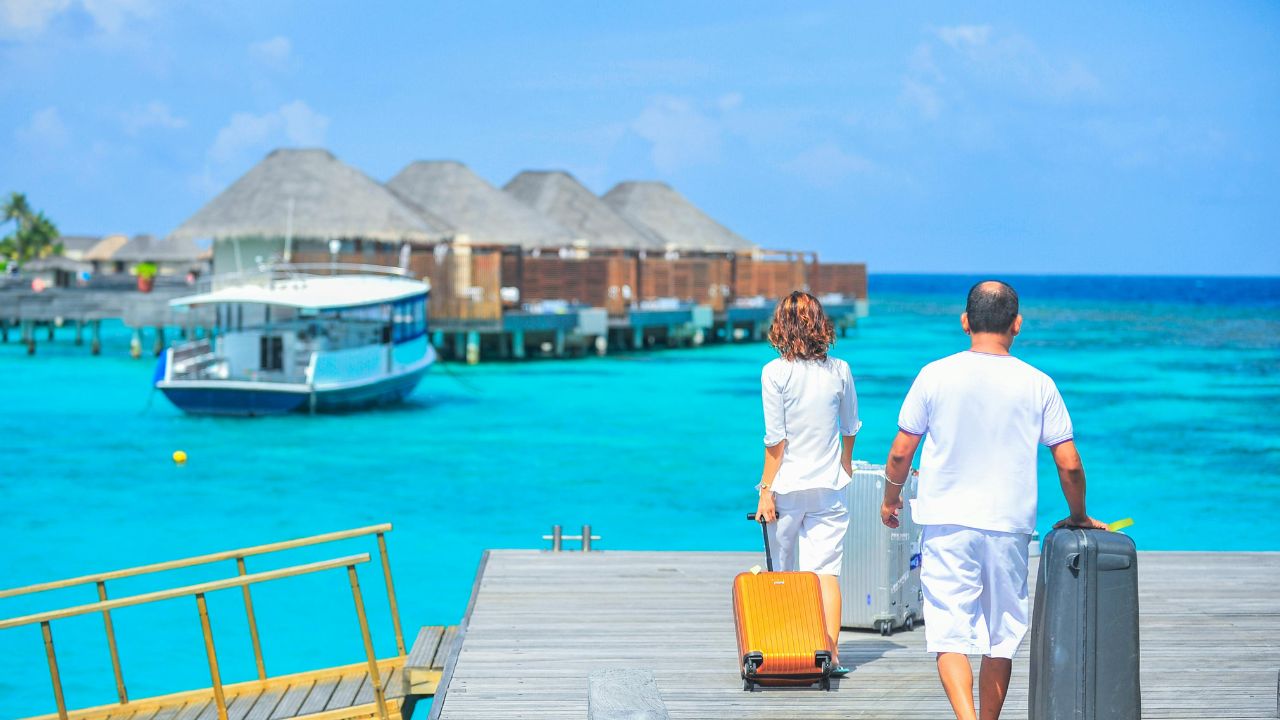
The Maldives operates on a closed-economy resort model that accelerates expenses immediately. Seaplane or speedboat transfers alone cost USD 250–600 per person. Nightly resort rates average USD 600–1,200, and guests are largely restricted to on-site dining where meals range from USD 40–80. Alcohol prices are inflated due to import taxes, often exceeding USD 15 per drink. With snorkeling trips, spa visits, and private excursions averaging USD 100–300, travelers commonly spend USD 1,000 per day with little room to economize.
3. Monaco
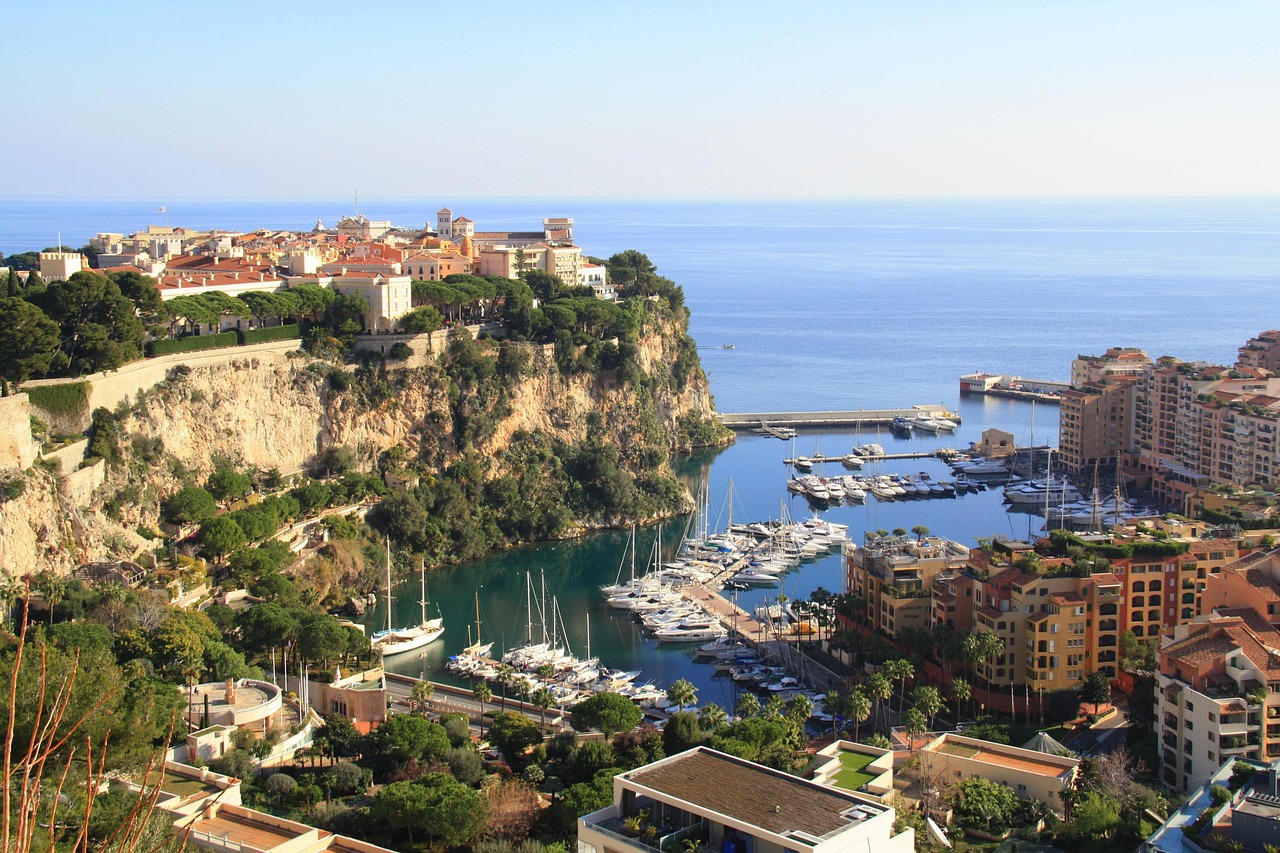
Monaco compresses extreme costs into just 2 square kilometers. Hotel rooms average USD 500–800 per night, with limited mid-range options due to zoning restrictions. A basic restaurant meal typically costs USD 35–45, while fine dining easily exceeds USD 150 per person. Parking can reach USD 40 per day, and museum or attraction entry often surpasses USD 25. Even short stays escalate quickly, with average daily expenses crossing USD 600, driven by exclusivity rather than volume or length of stay.
4. Switzerland
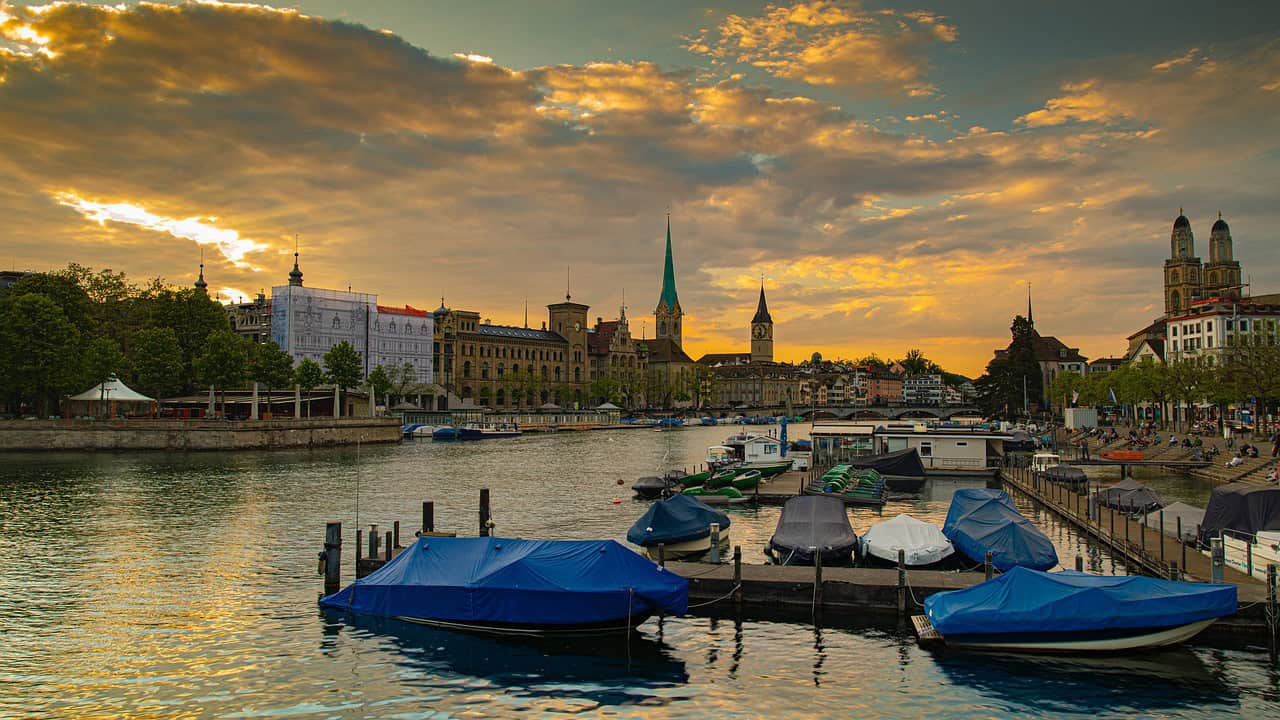
Switzerland’s expenses feel relentless because they’re woven into everyday life. A simple lunch averages USD 25–30, while dinner regularly exceeds USD 50 per person. Train passes, though efficient, cost USD 75–120 per day for regional travel. Mountain cable cars and alpine excursions often range from USD 60–150 each. Hotel rates average USD 250–400 nightly. With one of the world’s highest cost-of-living indexes, travelers routinely spend USD 350–500 per day without engaging in luxury tourism.
5. New York City, USA
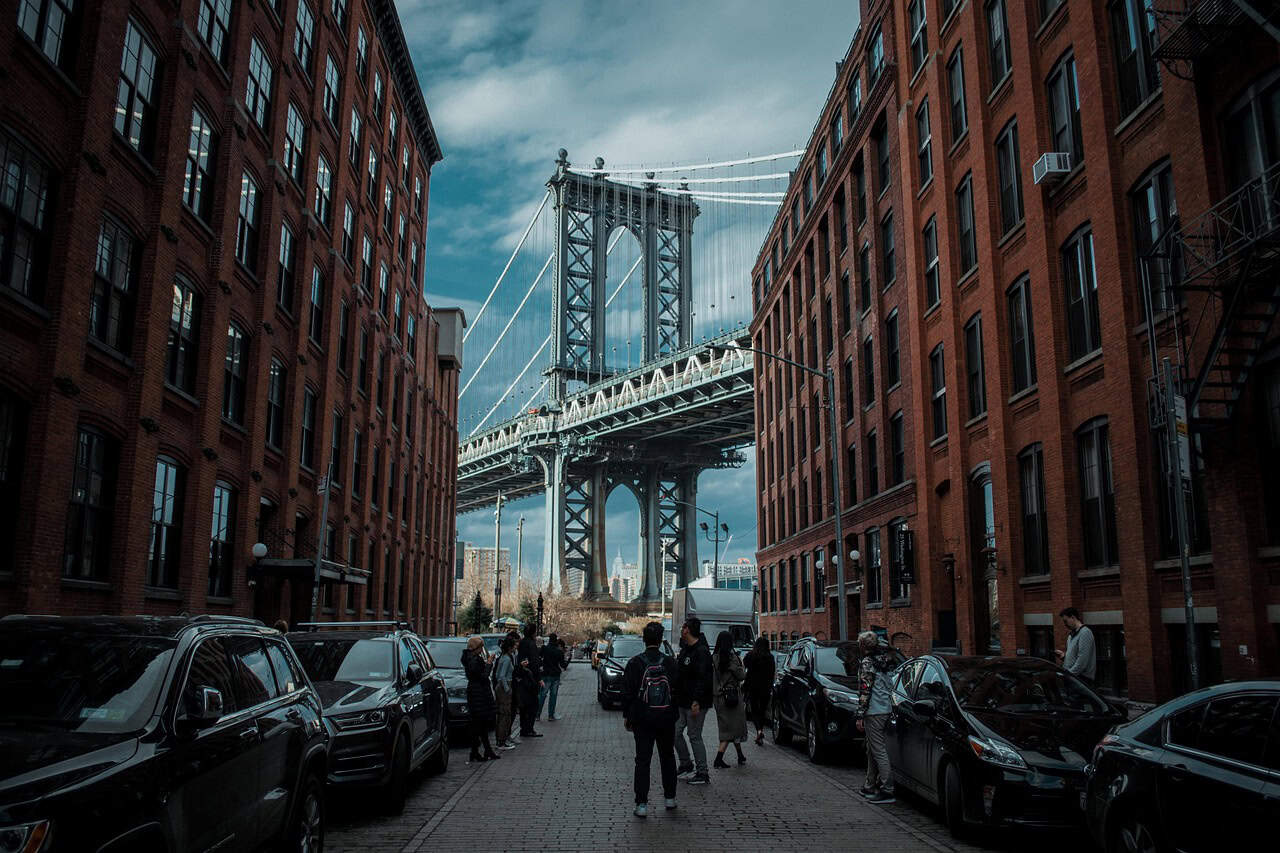
New York City erodes budgets through constant micro-spending. Average hotel prices hover between USD 300–450 per night, even outside peak seasons. Daily transport costs reach USD 15–25, while meals range from USD 20 for casual dining to USD 80+ for popular restaurants. Broadway tickets average USD 120, and museum admissions commonly cost USD 25–30. With entertainment, tipping culture, and surcharges, visitors frequently spend USD 400–600 daily while feeling like they’re simply “doing normal things.”
6. Dubai, UAE
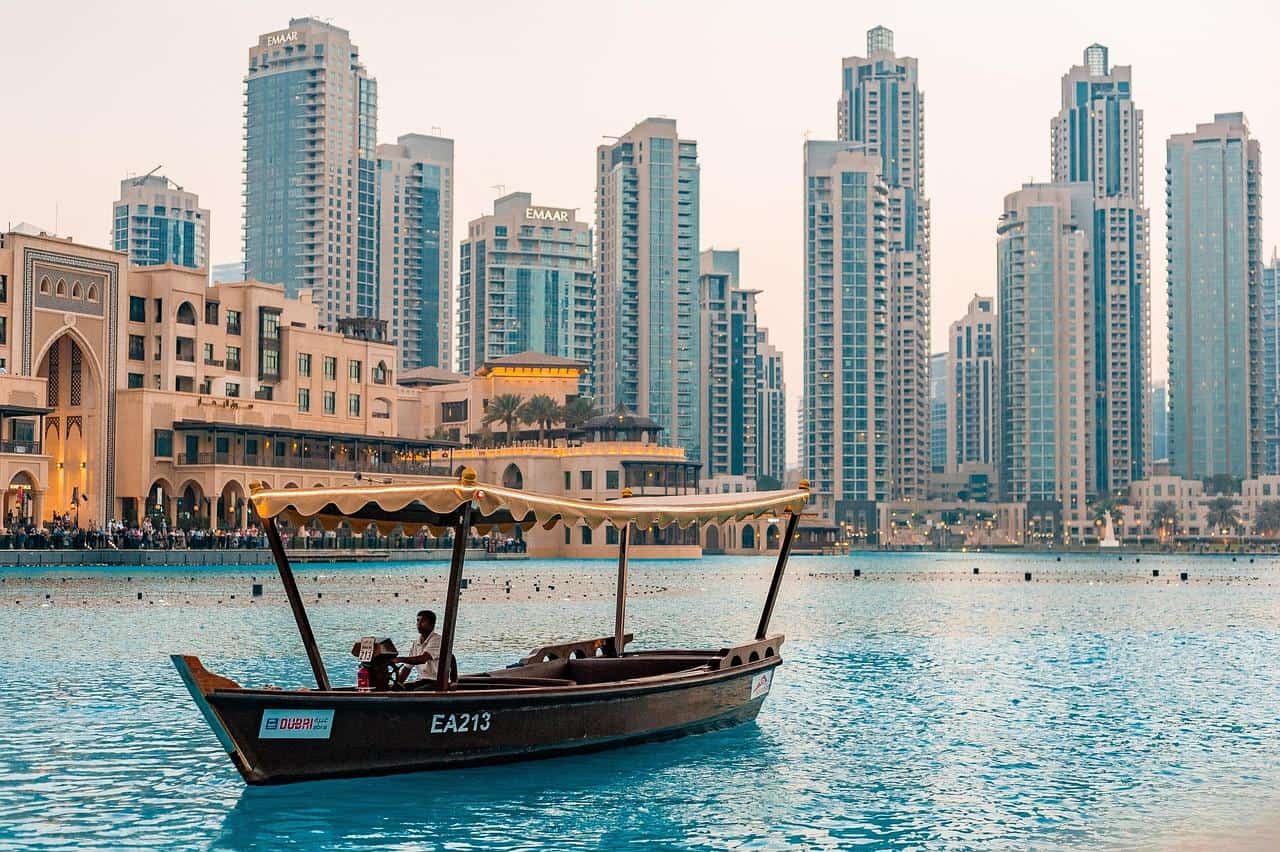
Dubai monetizes convenience at every level. Mid-range hotels average USD 200–350 per night, while taxis, though affordable individually, accumulate quickly at USD 2–3 per kilometer. Attraction entry fees are steep: Burj Khalifa tickets start at USD 45, desert safaris average USD 70–120, and beach clubs charge USD 50+ minimum spends. Dining ranges widely, but even casual meals average USD 25–30. Daily expenses often exceed USD 350 without indulgent shopping.
7. Antarctica
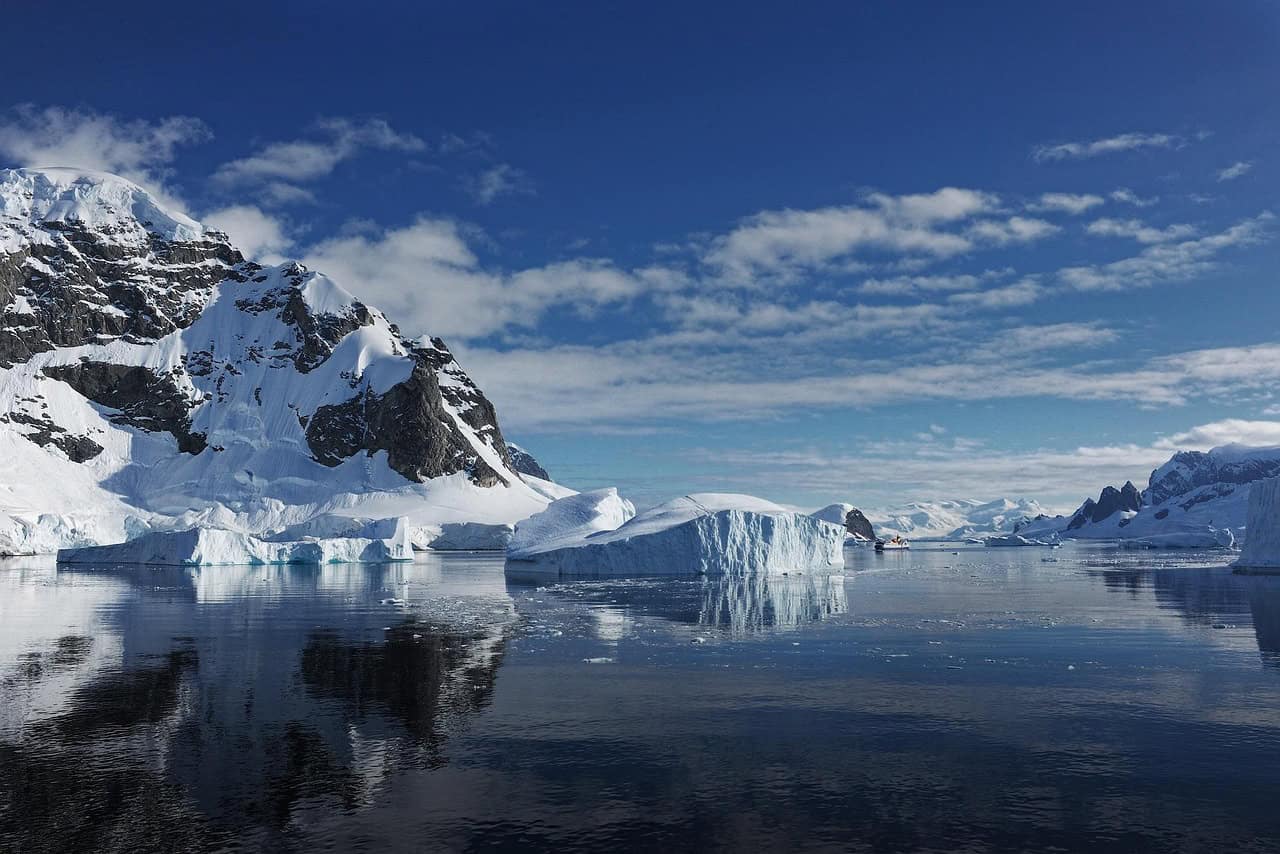
Antarctica’s costs are front-loaded and unavoidable. Expedition cruises typically range from USD 10,000 to 18,000 per person for 10–14 days. Mandatory gear purchases can add USD 1,000, while specialized insurance costs USD 200–400. Flights to departure ports such as Ushuaia increase totals further. There are no cheaper alternatives once booked, and no way to reduce costs mid-trip. When broken down, daily expenses average USD 900–1,200, making it one of the fastest budget-destroying destinations on Earth.
8. Tokyo, Japan
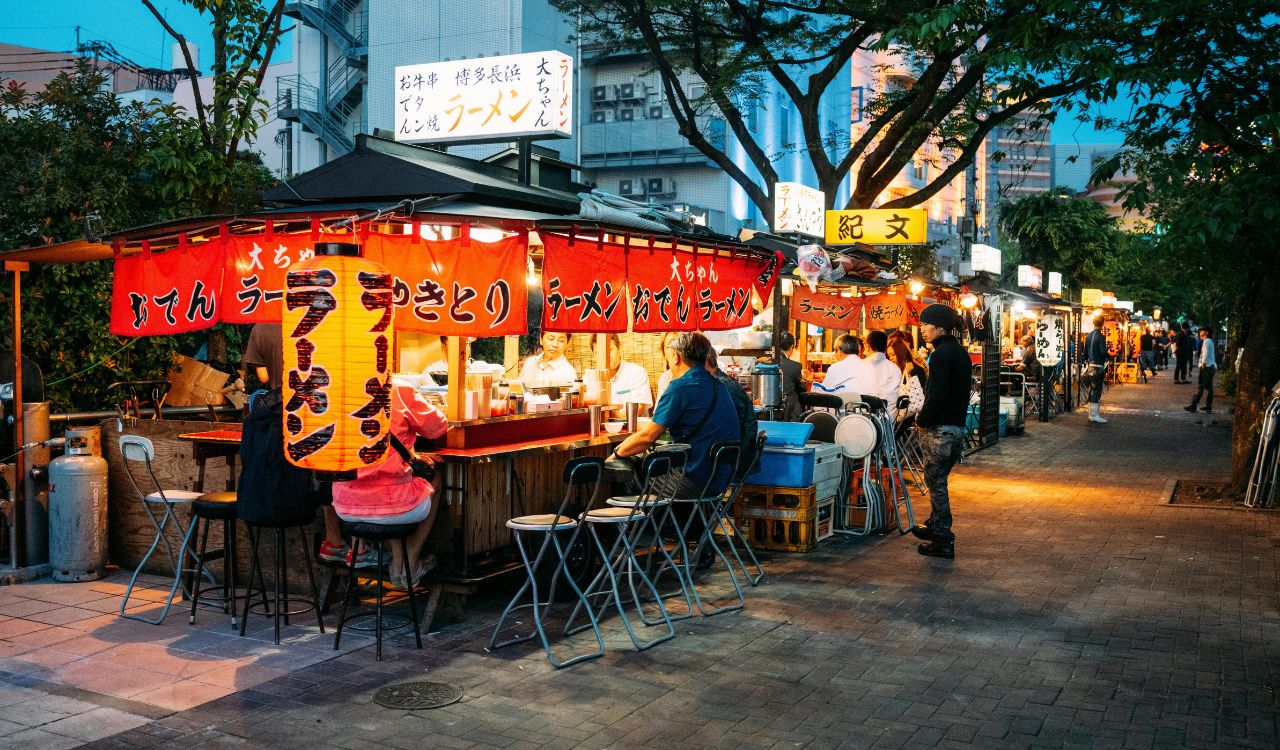
Tokyo’s spending creep is subtle but persistent. Central hotel rooms average USD 180–300 per night, while daily transit costs range from USD 10–15. Meals appear affordable individually at USD 10–20, but frequent dining out multiplies costs quickly. Shopping districts, themed cafés, and specialty experiences often cost USD 20–50 each. Add day trips and souvenirs, and travelers commonly spend USD 250–400 daily without realizing how rapidly expenses accumulate.
9. Iceland
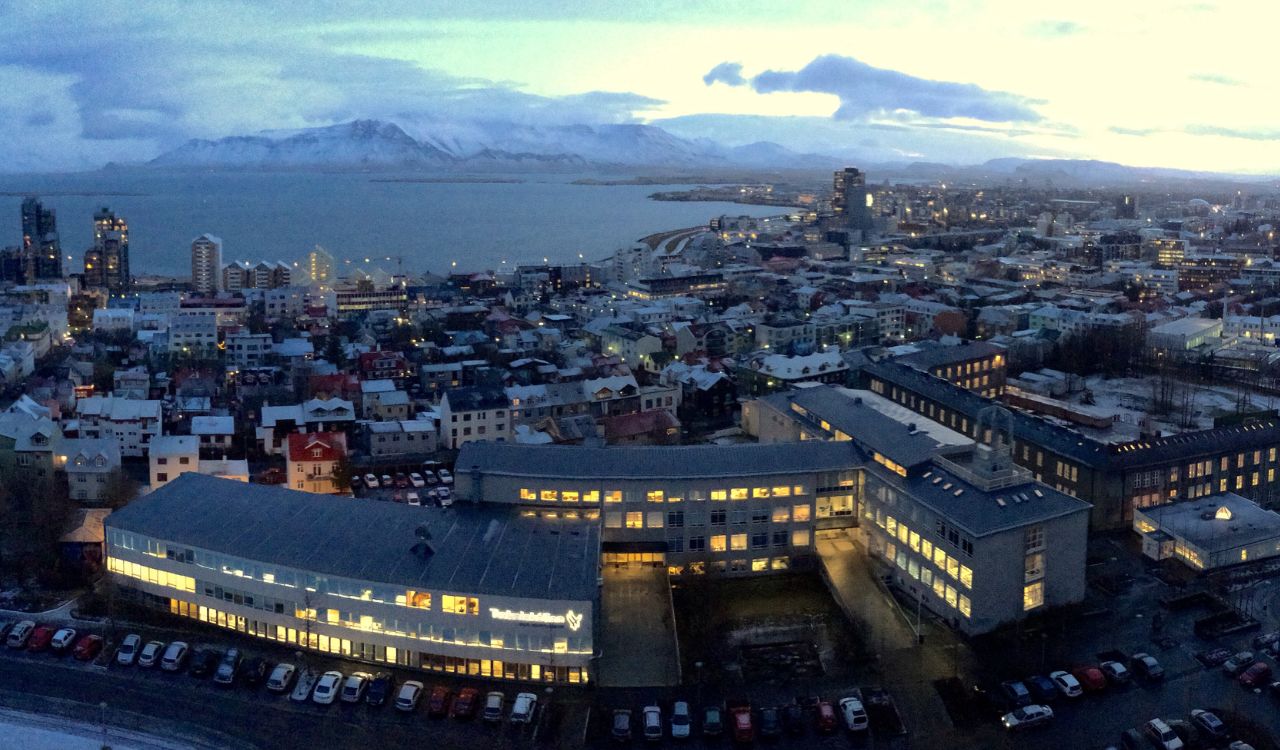
Iceland’s isolation drives nearly all prices upward. Hotel rooms average USD 220–350 per night, while car rentals cost USD 90–150 per day plus fuel at USD 2.30 per liter. Guided glacier or volcano tours range from USD 100–250. Even grocery items cost 30–50% more than mainland Europe. With limited dining alternatives and long driving distances, daily travel costs often reach USD 400–550, even for self-driving travelers avoiding luxury lodging.
10. Aspen, Colorado, USA
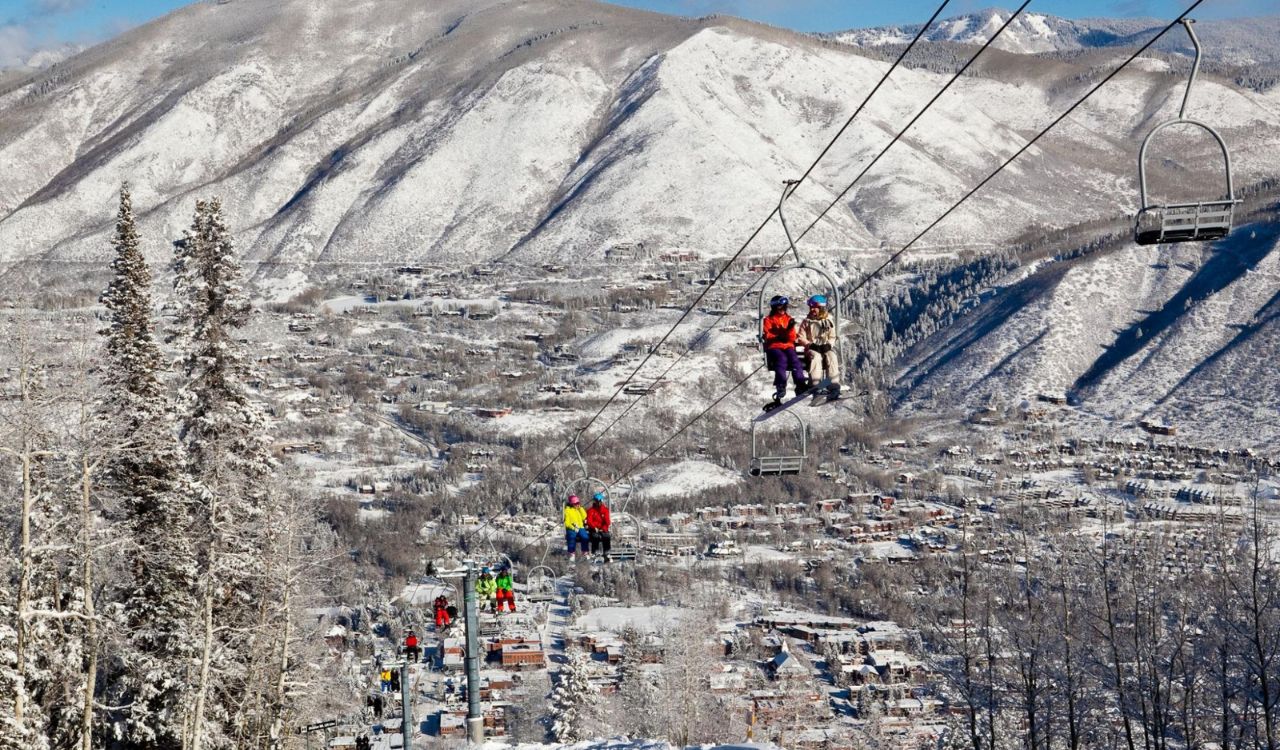
Aspen is engineered for high-end tourism. Winter hotel rates commonly exceed USD 500 per night, while ski lift passes average USD 240 per day. Equipment rentals add USD 60–80 daily, and après-ski dining costs USD 40–70 per meal. Even off-season prices remain elevated due to exclusivity branding. With limited budget lodging and premium pricing across services, visitors frequently spend USD 600–900 per day during peak season.