Taos Has the Most Famous Adobe in America and a Ski Resort That Gets 300 Inches of Snow. Here’s What Nobody Warns You About the Drive
We may earn money or products from the companies mentioned in this post. This means if you click on the link and purchase the item, I will receive a small commission at no extra cost to you ... you're just helping re-supply our family's travel fund.
Taos, New Mexico has multiple legitimate claims to distinction: Taos Pueblo is the oldest continuously inhabited community in North America, dating to around 1000 CE. The Taos art colony — established in 1898 when two painters broke down nearby and decided to stay — became one of the most important in American art history. Taos Ski Valley gets 300 inches of snow annually in a terrain configuration that has made it one of the premier expert ski destinations in the Rocky Mountains. What visitors discover when they arrive: the drive, the altitude, and the specific character of a town that has been the subject of intense artistic and spiritual projection for 125 years.
What Taos Is and What Approaching It Unprepared Looks Like
Taos sits at 6,967 feet elevation in the Taos Plateau, ringed by the Sangre de Cristo Mountains on the east and the Rio Grande Gorge — a 800-foot crack in the earth that the Rio Grande carved through basalt — to the west. The Rio Grande Gorge Bridge, crossing this gorge 10 miles west of town, is one of the most dramatic bridge crossings in the United States. These physical facts are not adequately conveyed by photographs.
The Drive Warning
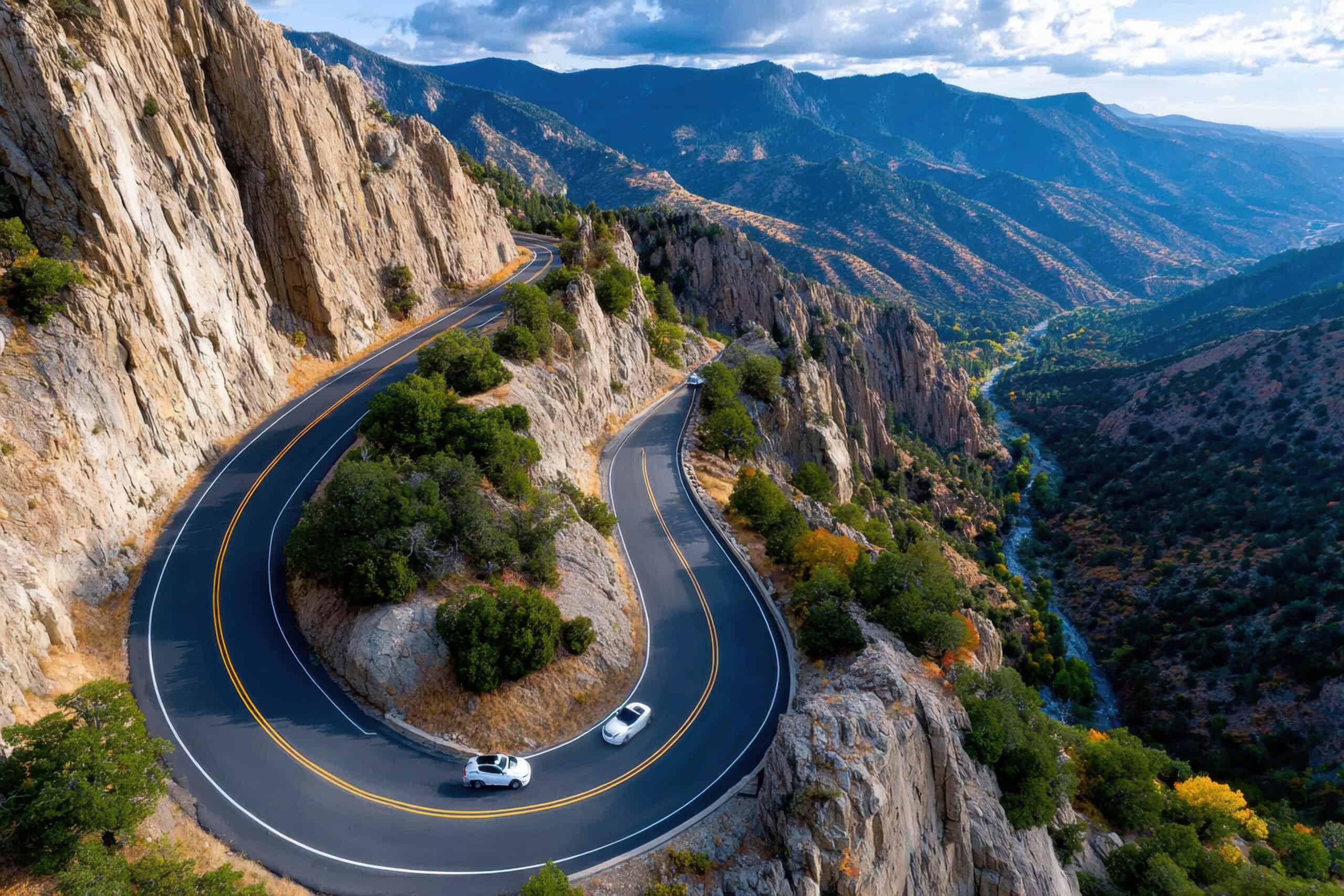
From Santa Fe, the High Road to Taos (NM-503 to NM-76) is 80 miles through villages, mountain passes, and high desert that is one of the most beautiful drives in New Mexico. The Low Road (US-84 to NM-68 through the Rio Grande Gorge) is faster and equally dramatic. Both are mountain roads. In winter, both can be challenging in snow. Taos is 70 miles from Santa Fe as the crow flies but 90–105 miles by road. Travelers who plan tight schedules without understanding this geography regularly run into trouble.
What Makes Taos Worth the Trip
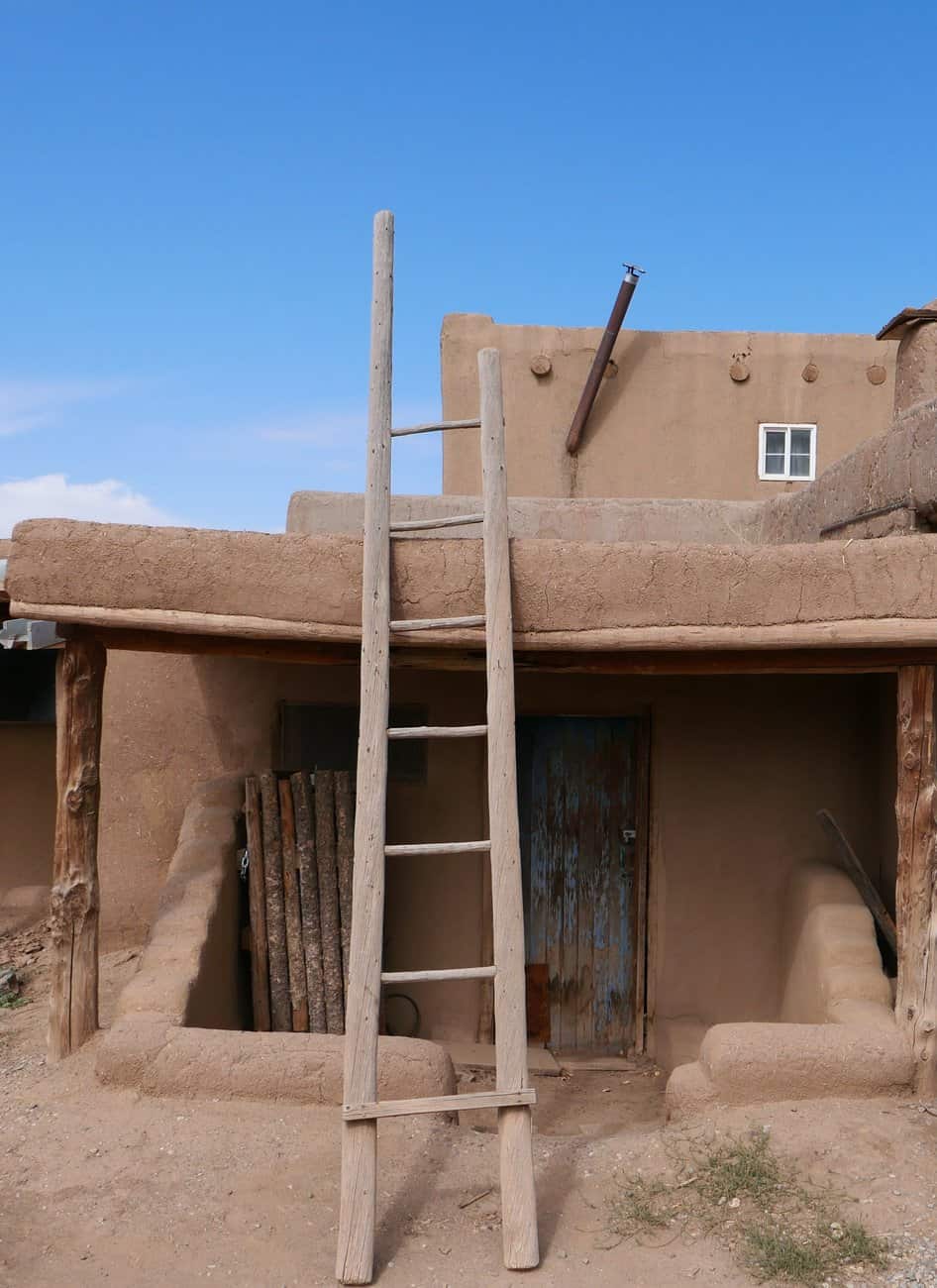
- Taos Pueblo: An active community where Taos Pueblo people live, with the multilevel adobe buildings occupied for centuries — tours are available by permission, and that permission matters: this is someone’s home, not an exhibit
- The Millicent Rogers Museum: A collection of Southwest Native American and Spanish Colonial art assembled by an oil heiress who moved to Taos in 1947 and spent the rest of her short life collecting — one of the finest collections of its type anywhere
- Taos Ski Valley: 20 minutes up NM-150, steep, high, expert-oriented, and genuine — the mountain has been expanded with new terrain but hasn’t lost its character
- The Rio Grande Gorge: Walk to the bridge, look down 800 feet, understand the scale — 30 minutes from town and one of the more vertiginous natural experiences in the Southwest
Taos is worth the drive from Santa Fe or Albuquerque — but it’s a committed trip, not a casual detour. The town’s own character — part art colony, part tourist town, part living Pueblo community — rewards the traveler who engages with all three rather than treating them as a backdrop for photographs. The Pueblo especially deserves more than a quick stop: it’s the most ancient continuously lived-in community in North America, and the people who live there have maintained it through 1,000 years of everything the continent could throw at them. That deserves attention, not just a photo.