We may earn money or products from the companies mentioned in this post. This means if you click on the link and purchase the item, I will receive a small commission at no extra cost to you ... you're just helping re-supply our family's travel fund.

For many travelers, Europe begins as a dream of train windows, old stone streets, and long dinners that stretch past sunset. Rick Steves brings that dream back to earth with one blunt reminder: a passport can quietly undo the whole journey before it starts. The most important date on the document is not always the printed expiration date, but the validity a destination expects beyond the trip itself. That small detail can separate an easy departure from a ruined itinerary before the first boarding call even begins.
The Expiration Date Is Not the Real Deadline
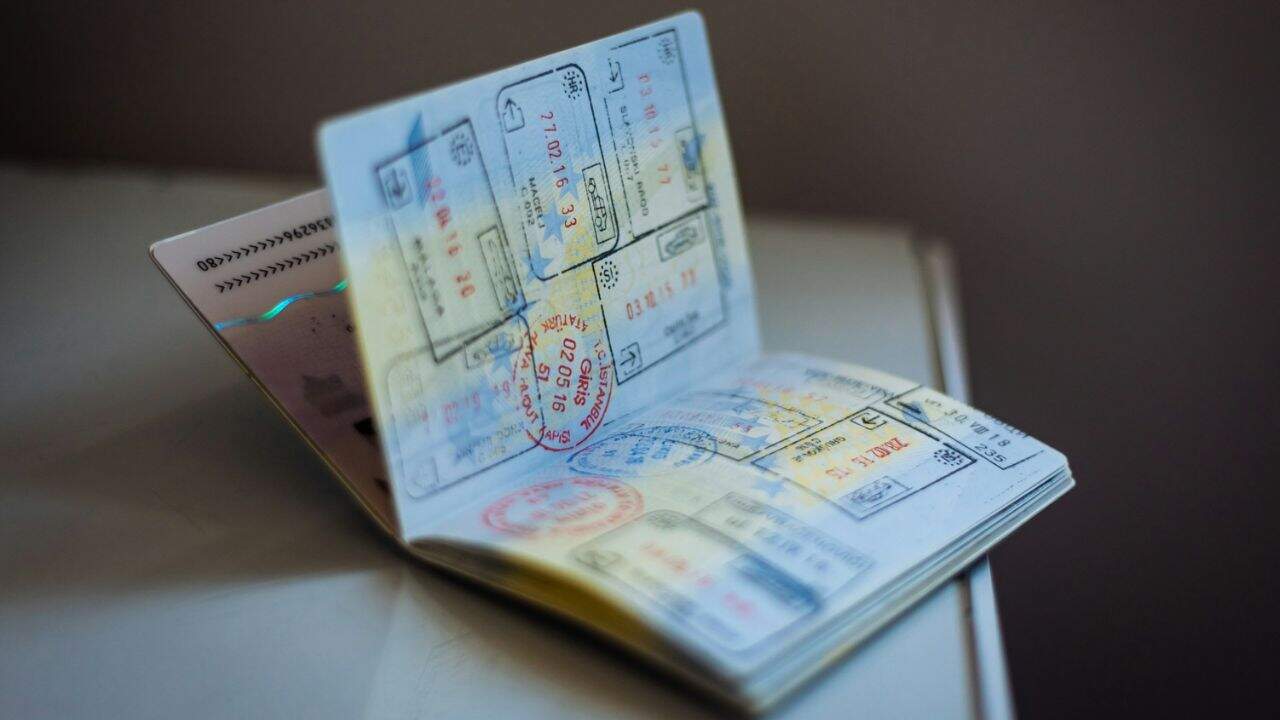
Steves’s core warning is simple because it catches people off guard so often: a passport can still look valid and still be too close to expiration for travel. In his travel guidance, he notes that many European countries expect a passport to remain valid for at least six months after the ticketed return to the United States. That shifts the real deadline far earlier than many travelers assume, turning a document that seems fine at home into a problem at the airport. It is a quiet technicality with outsized consequences, because the trip can collapse long before the first museum ticket or train ride comes into view.
Six Months Is a Safety Buffer, Not a Myth
What makes Steves’s advice useful is that it works as a practical buffer, not just a technical slogan. Official Schengen guidance for U.S. travelers says the passport must be valid for the entire stay and at least three months beyond planned departure from the EU, while EU guidance also says it must have been issued within the last 10 years. In other words, six months is the safer habit, even when the legal minimum for many destinations is lower. That extra cushion leaves less room for confusion, hesitation at check-in, or a last-minute realization that the passport only barely clears the rule on paper.
Careful Plans Can Still Collapse at Check-In

Passport trouble often becomes real before a traveler ever reaches an overseas border counter. Steves warns that a passport that seems valid can still fail to get a person on the plane or into the destination country, which is why he treats validity as an early planning issue rather than a last-minute glance at a document drawer. Once flights, hotels, and rail bookings are in place, a preventable passport problem can suddenly outweigh every other reservation on the itinerary. The passport feels like a formality right up until the moment it becomes the only thing that matters.
Blank Pages and Small Requirements Matter, Too
maraduchetti/123rf
Steves does not frame passport validity as the only thing worth checking. He also notes that some countries may expect at least one blank passport page or impose other entry conditions, and EU guidance says border officials may ask for supporting documents such as proof of lodging or a return ticket. The lesson is that passport readiness is not only about the expiration date; it is about whether the document and the trip paperwork together satisfy the country receiving the visitor. Small omissions feel minor at home, but at a border they can become the detail that slows everything down or stops entry altogether.
Last-Minute Europe Sounds Romantic Until Paperwork Interferes
The fantasy of booking a quick Europe escape can fall apart when the passport sits too close to expiration or lacks other required details. Steves warns that spur-of-the-moment travel is especially vulnerable because document issues leave little room for renewal, corrections, or follow-up checks. A trip that feels spontaneous and glamorous in the planning stage can turn tense very quickly when one overlooked rule becomes more important than every reservation already made. The romance of sudden travel depends on paperwork that was handled long before the sudden urge to leave ever appeared.
Keeping The Passport Safe Is Part Of The Same Advice
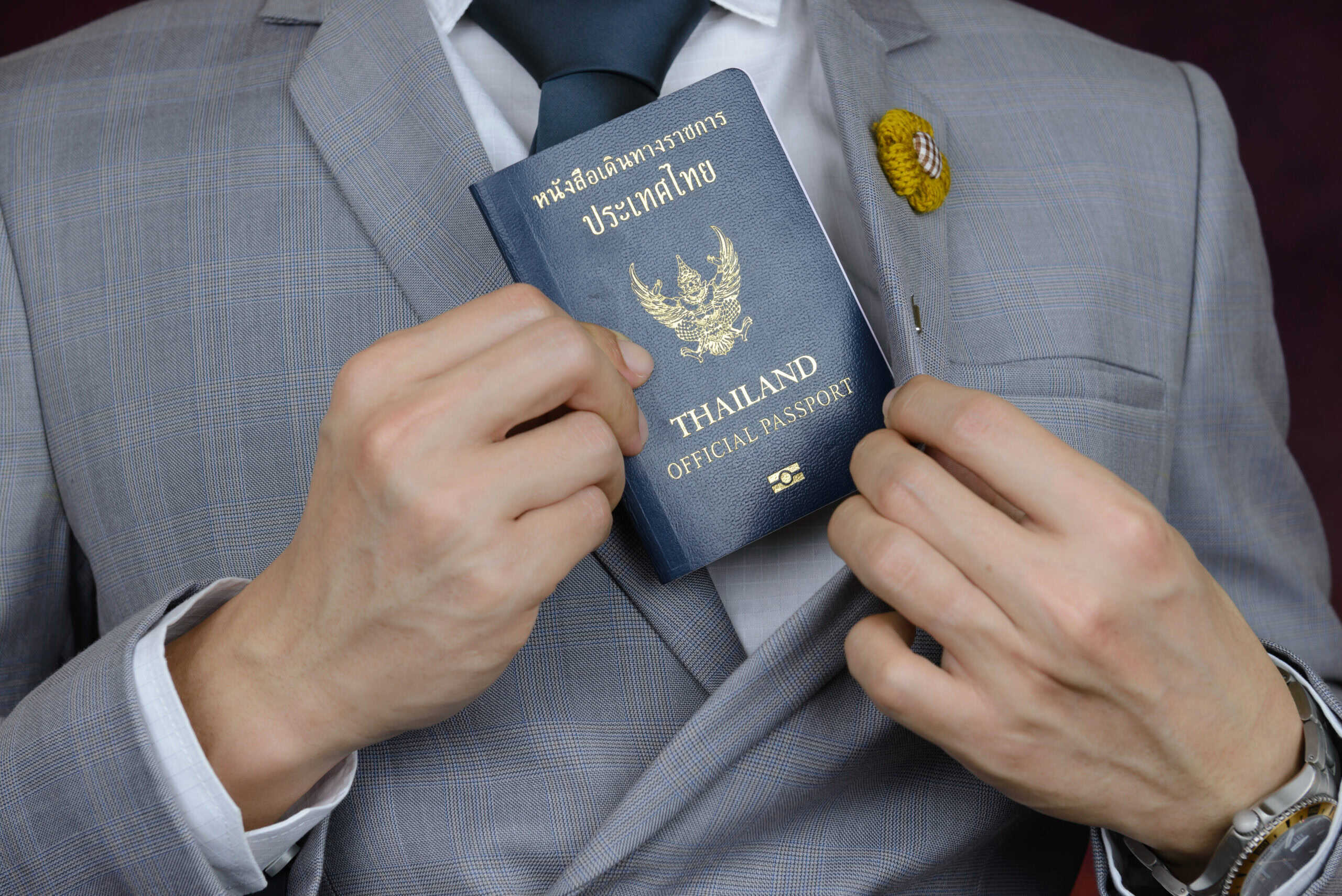
Steves’s passport tip does not end when the traveler lands. He advises keeping the passport secure in a money belt and returning it there immediately after any document check, especially in places where distraction and petty theft can catch visitors at train stations or crowded transit hubs. Because the passport is needed again to leave Europe and reenter the United States, protecting it is not paranoia; it is part of protecting the entire trip from unraveling midstream. A stolen passport can turn a beautiful final week abroad into a scramble of paperwork, appointments, and costly delays.
Copies And Backups Can Save A Bad Day

A missing passport abroad becomes much easier to handle when basic backup steps were taken before departure. Steves recommends carrying copies and having passport photos ready, and he also points travelers toward replacement guidance if the document is lost or stolen. Those precautions may sound tedious while packing, but they create a calmer path through one of the most stressful travel disruptions a person can face far from home. In practical terms, backup documents can shrink panic, speed communication, and restore a sense of order when the trip suddenly feels fragile.
Renewing Early Buys Peace Of Mind

The strongest point behind Steves’s advice is emotional as much as practical. Renewing early does more than satisfy a rule; it removes a quiet layer of uncertainty that can hover over every booking, connection, and border crossing. Europe asks travelers to think ahead, and a passport with generous validity, usable pages, and verified country-specific compliance lets the trip begin with anticipation instead of paperwork anxiety. The smoother journeys are often not the luckiest ones, but the ones where a small administrative task was handled early enough to stop becoming a risk.