Repositioning Cruises Turn Weeks-Long Ocean Crossings Into a Bargain — Here’s Why Most Travelers Discover Them by Accident
We may earn money or products from the companies mentioned in this post. This means if you click on the link and purchase the item, I will receive a small commission at no extra cost to you ... you're just helping re-supply our family's travel fund.
Repositioning cruises, the seasonal voyages cruise lines run when relocating a ship between regions, from the Caribbean to Europe each spring, for instance, or from Alaska back to warmer waters each fall, have steadily become one of the best value segments in the entire cruise industry, often priced at a fraction of the per-night rate of a standard seven-day Caribbean cruise despite covering considerably more days and, in many cases, more genuinely varied itineraries.
These voyages exist purely as a logistical necessity for cruise lines needing to move a ship’s physical location to match seasonal demand elsewhere, meaning the itinerary and pricing reflect operational convenience rather than the carefully optimized, demand-driven pricing structure applied to a line’s standard, most popular sailings.
Why Repositioning Cruises End Up Priced So Much Lower
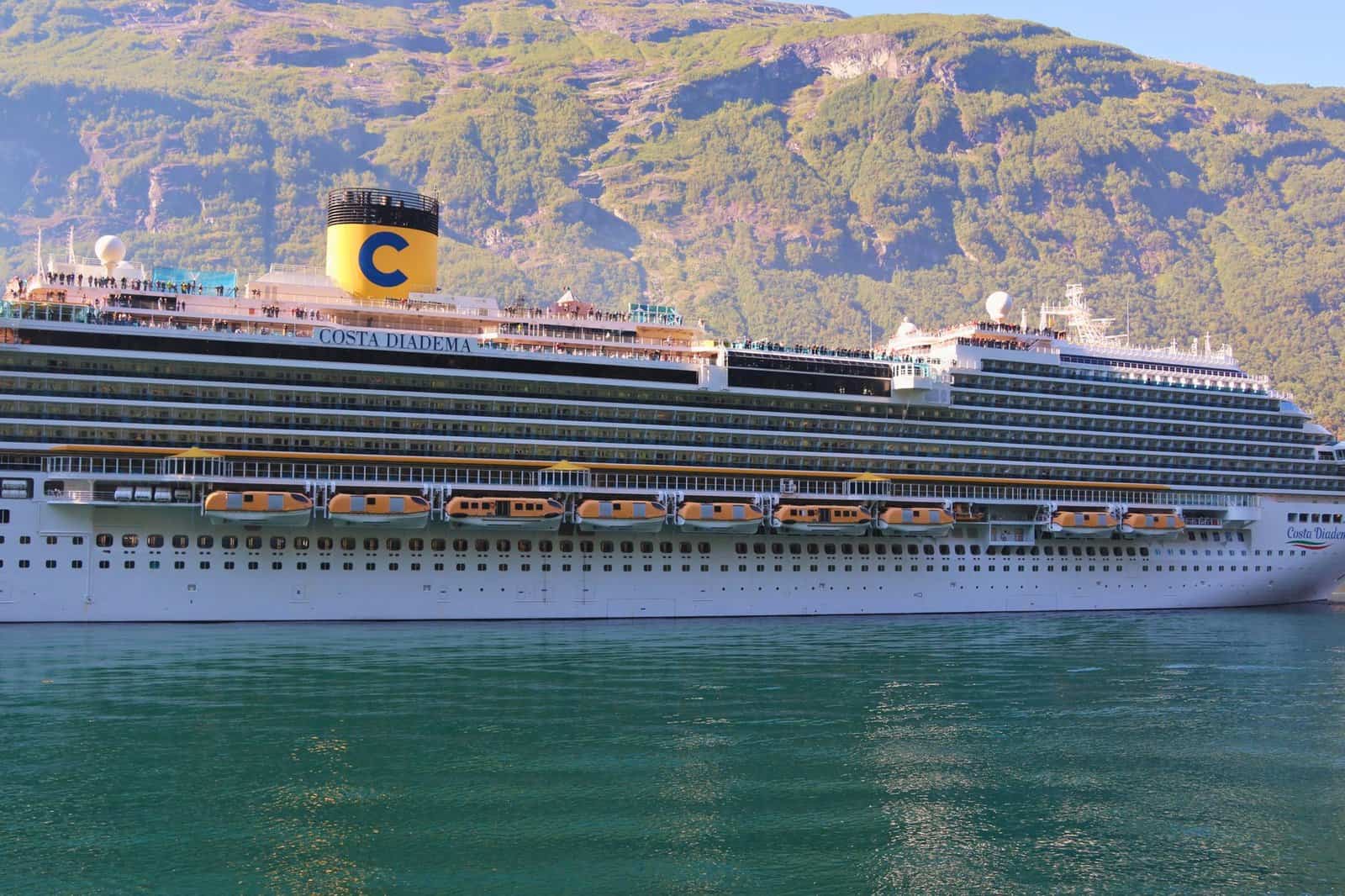
A cruise line must move its ships between seasonal deployment regions regardless of whether it can sell every cabin at a profitable rate, meaning repositioning voyages get priced primarily to fill cabins and offset the sailing’s inevitable operating costs rather than to maximize revenue the way a peak-season Caribbean sailing would be priced, resulting in per-night rates that can run dramatically below what the same cruise line charges for its standard seasonal itineraries.
These voyages also tend to include more consecutive sea days than a typical cruise, since crossing an ocean or traveling a long coastal distance requires genuine transit time between ports, a tradeoff that some travelers view as a drawback but that dedicated repositioning cruise enthusiasts specifically seek out for the extended, uninterrupted onboard relaxation time these longer sea-day stretches provide.
The Specific Routes and Seasons Where These Cruises Appear
Transatlantic repositioning cruises typically run each spring as cruise lines move ships from Caribbean winter deployments to Mediterranean and Northern European summer itineraries, and again each fall in the reverse direction, while similar repositioning voyages occur on the West Coast between Alaska summer deployments and Mexican Riviera or Panama Canal winter itineraries.
Panama Canal transits in particular have become a popular repositioning route specifically because the canal crossing itself functions as a genuine attraction, giving passengers a chance to witness one of the most significant engineering feats in maritime history as a built-in highlight of what is otherwise primarily a logistical relocation voyage.
What Makes These Voyages Different From a Standard Cruise Experience
Repositioning cruises tend to draw a noticeably different passenger demographic than standard sailings, skewing toward retirees and other travelers with the schedule flexibility to commit to a 14- to 21-day voyage, since the extended sailing length that makes these cruises such good per-night value also makes them impractical for travelers with limited vacation time.
The extended sea-day stretches also change the onboard social dynamic considerably, with passengers spending more consecutive days together than on a typical week-long cruise, something repeat repositioning cruise passengers frequently cite as producing a more genuinely social, close-knit onboard atmosphere than shorter, more transactional standard cruise itineraries typically develop.
How to Actually Find and Book a Repositioning Cruise
Repositioning sailings don’t always appear prominently in a cruise line’s standard marketing since they represent a small, seasonal fraction of overall sailings, meaning travelers usually need to specifically search cruise line websites or specialized cruise booking agents using seasonal date ranges and one-way itinerary filters rather than relying on a cruise line’s standard homepage promotions to surface these opportunities.
Booking flexibility matters considerably more for repositioning cruises than standard sailings, since a one-way transatlantic or transpacific voyage requires separate one-way flight arrangements on each end, an added logistical and cost consideration that experienced repositioning cruise travelers factor into their overall trip budget well before booking the cruise itself.