One ATM Withdrawal Abroad Can Trigger Fees From Two Different Banks. Here’s How to Avoid Both
We may earn money or products from the companies mentioned in this post. This means if you click on the link and purchase the item, I will receive a small commission at no extra cost to you ... you're just helping re-supply our family's travel fund.
When you use your debit card at an ATM in another country, two different banks can charge you for the same withdrawal. Your own bank may add an out-of-network ATM fee and a foreign transaction fee, and the bank or company that owns the foreign ATM may add its own access fee. ATM fees abroad can add up quickly, but you can avoid both sets of charges by choosing the right card, the right machine, and the right button on the screen.
There is also a third cost that is easy to miss: some ATMs offer to convert your withdrawal into U.S. dollars on the spot. This is called dynamic currency conversion, and the exchange rate is usually worse than what your bank would give you. The fix is simple: decline the conversion and choose to be charged in the local currency.
Here is how each fee works and how to avoid it.
How ATM fees abroad stack up
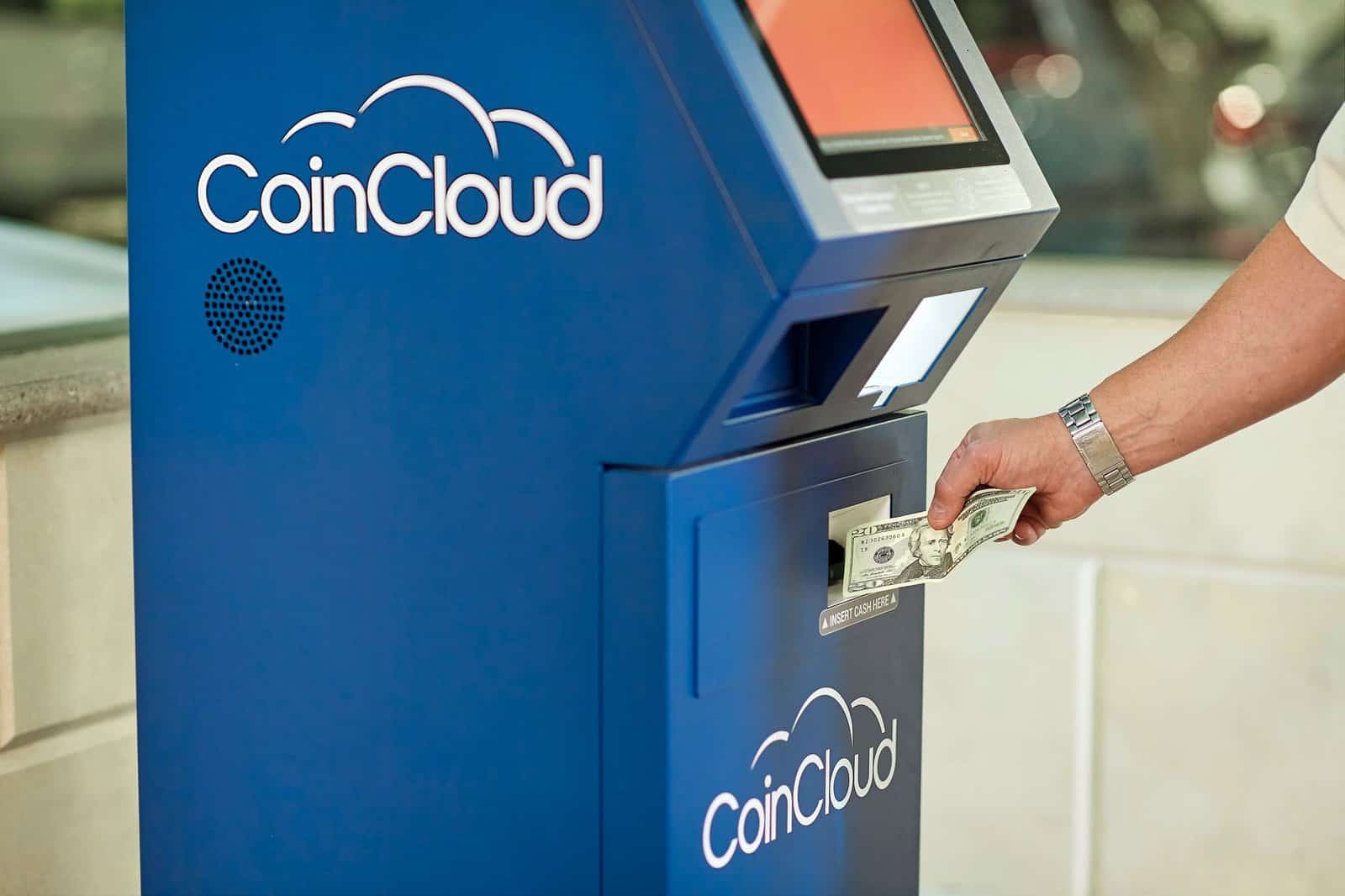
A single withdrawal abroad can include several charges:
- Your bank’s out-of-network ATM fee. Many U.S. banks charge a flat fee when you use an ATM outside their network, often a few dollars per withdrawal. Some charge more for international ATMs.
- Your bank’s foreign transaction fee. Many debit cards charge a percentage of the withdrawal amount, often around 1% to 3%, for transactions in a foreign currency.
- The ATM operator’s fee. The bank or company that owns the ATM may charge an access fee, displayed on screen before you confirm.
- Dynamic currency conversion markup. If you accept the ATM’s offer to convert to dollars, you may get a poor exchange rate.
On a withdrawal of $200, the combination of a $5 out-of-network fee, a 3% foreign transaction fee, and a $4 operator fee would cost $15, or 7.5% of the withdrawal. Add a poor conversion rate, and the cost climbs further.
How to avoid ATM fees abroad from both banks
You can cut or eliminate each of these charges with a few choices.
Choose a debit card with low or no international fees
The biggest savings come from your own bank. Some banks and credit unions offer debit cards with:
- No foreign transaction fees.
- No out-of-network ATM fees.
- Reimbursement of ATM operator fees, sometimes unlimited and sometimes up to a monthly limit.
If your current bank charges high fees abroad, consider opening an account with one of these banks before your trip. Read the fine print, since reimbursement policies and limits vary.
Use ATMs at major local banks
ATMs operated by major banks in the country you are visiting tend to charge lower or no access fees compared with independent ATMs in tourist areas, airports, and convenience stores. Some independent machines are known for high fees and pushy conversion offers.
Look for ATMs attached to bank branches. They are also often safer, since they are in well-lit, monitored areas.
Check for partner networks
Some U.S. banks belong to international ATM alliances or have partnerships with foreign banks that waive fees at partner ATMs. Ask your bank before you travel whether it has partners in your destination.
Always decline the conversion
When an ATM offers to convert your withdrawal into dollars, it usually shows the amount in dollars at its own exchange rate. Decline the conversion and choose to be charged in the local currency. Your bank or card network will then handle the conversion, typically at a better rate.
The screen wording varies. Look for options like “continue without conversion,” “decline,” or “charge in local currency.” Read carefully, since some machines make the conversion option look like the default.
Withdraw larger amounts less often
Flat fees, like out-of-network and operator fees, hit every withdrawal. Taking out larger amounts less often reduces how many times you pay them. Balance that with safety, since carrying a lot of cash has risks, and with daily withdrawal limits on your card.
Know your daily limit
Your bank sets a daily ATM withdrawal limit. Check it before your trip and ask for a temporary increase if needed. Some foreign ATMs also have per-withdrawal limits lower than your bank’s limit, which can force you to make multiple withdrawals.
Should you use a credit card at an ATM?
Using a credit card to withdraw cash at an ATM is usually expensive. Credit card cash advances typically come with a cash advance fee, a higher interest rate than purchases, and interest that starts right away with no grace period. Some cards also charge foreign transaction fees on cash advances. Use a debit card for cash, and use a credit card with no foreign transaction fees for purchases.
How much cash do you need?
In many countries, you can pay by card almost everywhere, so you may need less cash than you think. In others, cash is still common, especially at small shops, markets, taxis, and rural areas. Research your destination before you go.
Many travelers bring a small amount of local currency, or withdraw it at the airport on arrival, then use cards for most purchases.
Exchanging cash before you go
Exchanging dollars for foreign currency at a U.S. bank or an airport exchange counter before your trip is convenient, but exchange rates and fees are often worse than what you get by withdrawing from a bank ATM abroad with a low-fee debit card. Compare rates if you want cash on arrival.
Safety tips for ATMs abroad
- Use ATMs inside or attached to banks during the day when possible.
- Cover the keypad when entering your PIN.
- Check for card skimmers or loose parts on the machine.
- Be aware of people around you.
- Put cash away before leaving the ATM.
- Keep your bank’s phone number handy in case your card is lost, stolen, or swallowed by the machine.
Before you travel
Prepare a few things before you leave:
- Check your bank’s international ATM and foreign transaction fees.
- Ask if your bank has partner ATMs abroad.
- Consider opening an account with a fee-free debit card.
- Check your daily withdrawal limit.
- Tell your bank about your trip if required.
- Bring a backup card from a different bank in case one is lost or blocked.
A quick comparison
Suppose you withdraw the equivalent of $300 four times on a trip.
With a high-fee bank account charging a $5 out-of-network fee, a 3% foreign transaction fee, and a $4 operator fee each time, you would pay $36 in foreign transaction fees and $36 in flat fees, for $72 total.
With a fee-free debit card that reimburses ATM operator fees, you could pay little or nothing in fees, as long as you decline conversion each time.
Reading the ATM screen
Foreign ATMs often present several screens before dispensing cash. You may be asked to choose a language, select an account type, enter an amount, accept or decline a fee, and choose whether to convert the transaction to dollars. Read each screen carefully. If a fee is shown, you can cancel and try another machine if it seems high. If the machine offers conversion, look for the option to proceed in local currency.
Some machines also offer preset amounts that are lower than you need, which can push you toward more withdrawals and more flat fees. Choosing a custom amount may let you withdraw what you need in one transaction.
What to do if something goes wrong
If an ATM keeps your card, contact your bank right away to report it and ask about a replacement. If the machine debits your account but does not dispense cash, note the time, location, and amount, and report it to your bank as soon as possible. Keep receipts when available. A backup card from a different bank helps you keep going while the problem is resolved.
Reviewing your statement after the trip
After you get home, review your bank statement for each withdrawal. Check whether your bank charged the fees you expected and whether any reimbursements for ATM operator fees were applied. If something looks wrong, contact your bank. Reviewing statements also helps you learn which banks and machines worked best, useful information for your next trip.
Mixing cash and cards
The cheapest approach for most travelers is to use a no-foreign-transaction-fee credit card for most purchases, and a low-fee debit card for occasional cash withdrawals. That way, you minimize how many times you pay ATM fees while still having cash for places that do not take cards.
A note on airport ATMs
Airport ATMs are convenient on arrival, but some are independent machines with higher fees. Look for one run by a major bank.
The bottom line
One ATM withdrawal abroad can trigger fees from two different banks: your own bank’s out-of-network and foreign transaction fees, and the foreign ATM operator’s access fee, plus a poor exchange rate if you accept on-the-spot conversion. To avoid them, use a debit card with no international fees and ideally ATM fee reimbursement, choose ATMs at major local banks, always decline conversion and pay in local currency, and withdraw larger amounts less often. A few minutes of planning can save you a meaningful amount on every trip.