Omaha Has Almost Half a Million People and a Metro Area That Just Crossed 1 Million. Almost Nobody Outside Nebraska Has an Opinion About It
We may earn money or products from the companies mentioned in this post. This means if you click on the link and purchase the item, I will receive a small commission at no extra cost to you ... you're just helping re-supply our family's travel fund.
Omaha, Nebraska is the 40th or 41st largest city in the United States depending on which year’s ranking you use, with a population that has hovered right around 486,000 to 489,000 for the last several years, according to the World Population Review’s current estimate and the 2020 US Census. That makes it larger than Miami, larger than Minneapolis, larger than Cleveland. And yet ask ten people outside the Midwest what they know about Omaha and the most common answer, if there is an answer at all, involves Warren Buffett, a steak, or nothing whatsoever. Omaha is a genuinely large American city that has somehow avoided generating a national opinion.
A Metro That Just Crossed a Real Milestone
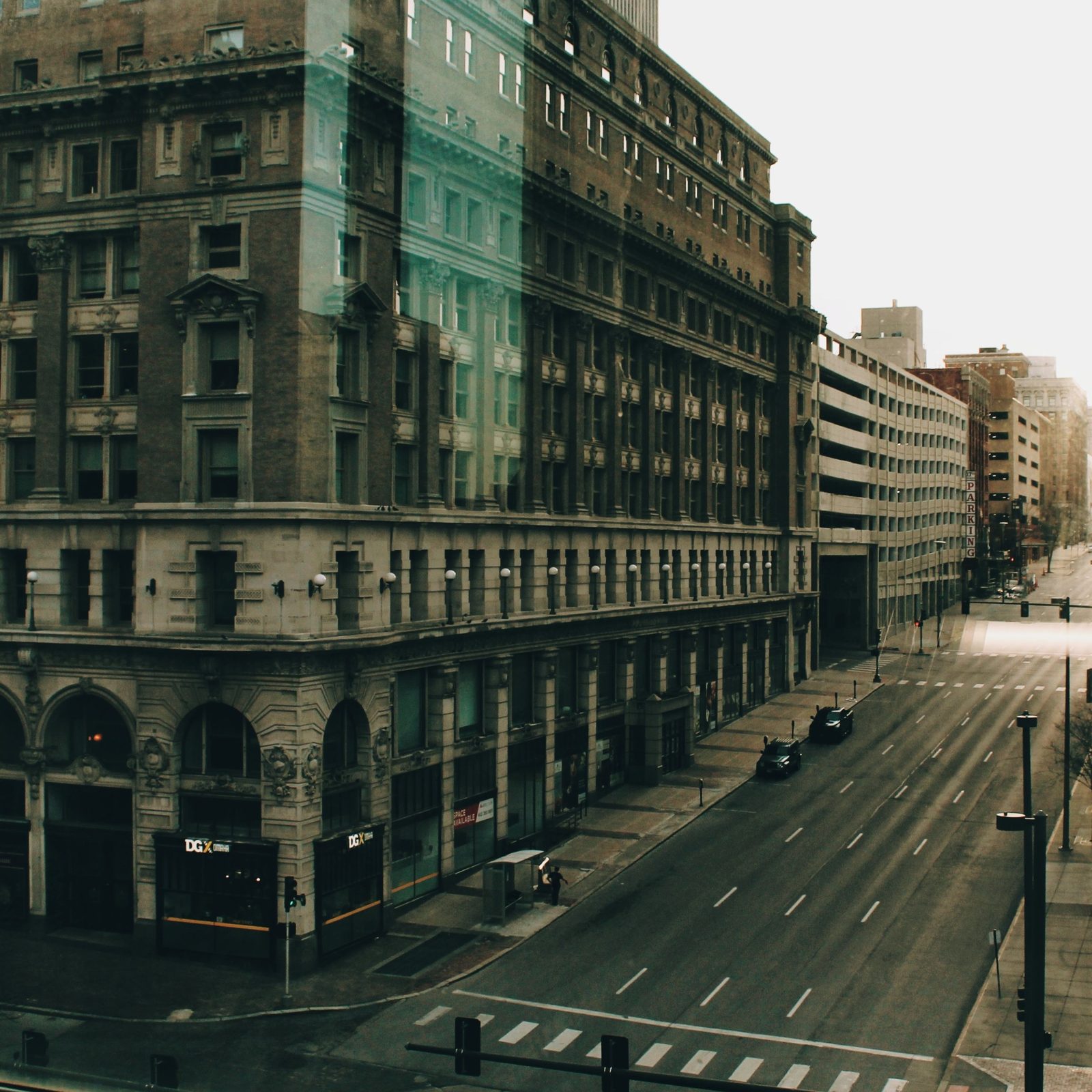
The Omaha-Council Bluffs metropolitan area surpassed 1 million residents for the first time in 2024, growing to an estimated 1,001,010 from 984,548 the year before, according to Census Bureau figures reported by Omaha Magazine’s analysis of decades of city data. That crossing matters because a million-person metro area changes how a region gets categorized by everyone from airlines deciding flight routes to corporations scouting headquarters locations. Omaha itself, the core city, has actually seen a small population dip in recent Census estimates, down from 486,051 in 2020 to roughly 483,000 to 488,000 depending on the year measured, a pattern Omaha Magazine attributes partly to the broader pandemic-era trend of people leaving dense urban cores for surrounding suburbs and exurbs, the same dynamic that hit cities like New York and Los Angeles, just playing out at Omaha’s much smaller scale.
Omaha’s economic anchors are genuinely significant in a way that its national profile does not reflect. Berkshire Hathaway is headquartered here, which means Warren Buffett’s annual shareholder meeting turns downtown Omaha into a temporary convention city for tens of thousands of investors once a year. Mutual of Omaha, one of the country’s larger insurance companies, is headquartered here too, along with a serious concentration of transportation, logistics, and financial services firms that trace back to the city’s 19th-century role as a railroad and stockyards hub, per Encyclopedia Britannica’s history of the city.
The Stockyards City That Reinvented Itself Twice
Omaha was, at one point around 1898, the fastest-growing city in the country, home to the Omaha Stockyards, once among the largest livestock markets in the world, and host to the 1898 Trans-Mississippi Exposition, a World’s Fair-scale event that put the city briefly at the center of national attention. That version of Omaha’s identity, meatpacking and rail freight, faded through the mid-20th century as the stockyards declined and the industry consolidated elsewhere, and the city spent decades finding a new economic identity built around insurance, finance, telecommunications, and logistics instead. It worked well enough that Omaha’s median household income sits around $73,201, with a poverty rate of 13.5 percent, figures that put it roughly in line with national averages rather than standing out as either a boom city or a struggling one.
- City population: roughly 483,000 to 489,000 depending on the estimate
- Metro population: crossed 1,001,010 in 2024, the first time the metro topped 1 million
- Median household income: $73,201, with a 13.5 percent poverty rate
- Home to Berkshire Hathaway and Mutual of Omaha’s corporate headquarters
Why the City Never Built a National Reputation
Part of what makes Omaha genuinely unusual among cities its size is the near-total absence of a strong national narrative, positive or negative. Cities of similar population, Tucson, Fresno, Mesa, tend to at least have a regional stereotype attached to them. Omaha has almost none of that outside the immediate region. It is not associated with crime the way some Midwestern cities are unfairly stereotyped, nor is it associated with any particular boom industry, cultural export, or scandal that would put it in national conversation. The city’s downtown riverfront redevelopment along the Missouri, its genuinely strong zoo (the Henry Doorly Zoo and Aquarium is regularly ranked among the best in the country), and its steady, unglamorous economic base built on insurance and logistics simply do not generate headlines the way tech booms or housing crises do elsewhere.
A City Built on Steady Institutions, Not Booms
Part of why Omaha rarely generates strong outside opinions is that its economy was never built around a single glamorous industry the way Austin has tech or Nashville has music. Omaha’s largest employers include Berkshire Hathaway, Union Pacific Railroad, Mutual of Omaha, and a cluster of major agribusiness and logistics companies, industries that are enormously important to the national economy but generate almost no cultural mythology. A city whose economic identity is insurance underwriting and freight rail simply does not produce the kind of narrative hook that drives people to have opinions about it one way or the other, even when the underlying economic fundamentals, low unemployment, reasonable cost of living, stable population growth, are genuinely strong.
That steadiness has made Omaha a quiet beneficiary of the affordability shift pulling people out of larger coastal metros, with a median home price that remains a fraction of comparable cities on either coast and a downtown riverfront redevelopment along the Missouri River that has genuinely transformed what used to be industrial land into parks, residential towers, and a pedestrian bridge connecting to Council Bluffs, Iowa. None of it makes headlines nationally, which is precisely consistent with a city whose defining trait has always been doing well without needing anyone to notice.
That anonymity is arguably part of what keeps Omaha functional. A city that has spent 125 years absorbing new immigrant populations, first German and Czech, then more recently Latino and East African communities that now make up meaningful shares of the population, without becoming a symbol of anything in particular to the rest of the country, has had the freedom to just keep building itself rather than manage a reputation. Omaha’s future, per the same Omaha Magazine analysis, hinges less on national image and more on whether it can keep growing its metro area at a pace that matches the infrastructure required to support a million people, a distinctly unglamorous problem for a distinctly unglamorous, genuinely large American city.