Northern Nevada’s Basque Restaurants Serve Dinner Family Style. 7 Things to Know Before Your First Picon Punch
We may earn money or products from the companies mentioned in this post. This means if you click on the link and purchase the item, I will receive a small commission at no extra cost to you ... you're just helping re-supply our family's travel fund.
Walk into a traditional Basque restaurant in Elko or Winnemucca for dinner and you will probably be seated next to people you have never met. Bowls of soup, salad, beans, and bread start arriving before your main course. A Basque dinner in Nevada is a family-style meal rooted in the boardinghouses that once fed sheepherders, and it comes with its own customs and its own drink: the Picon Punch.
Basque immigrants from the mountains of northern Spain and southwestern France came to the American West in the late 1800s and early 1900s, many to work as sheepherders on the open range. Boardinghouses opened in railroad towns to give them a place to stay between seasons, with meals served family-style at long tables. Travel Nevada calls Elko’s Star Hotel one of the state’s oldest traditional Basque boardinghouses and, depending on who you ask, the most famous.
Some of those boardinghouses still serve dinner the old way. Here are seven things to know before your first meal and your first Picon Punch.
What to expect at a Basque dinner in Nevada
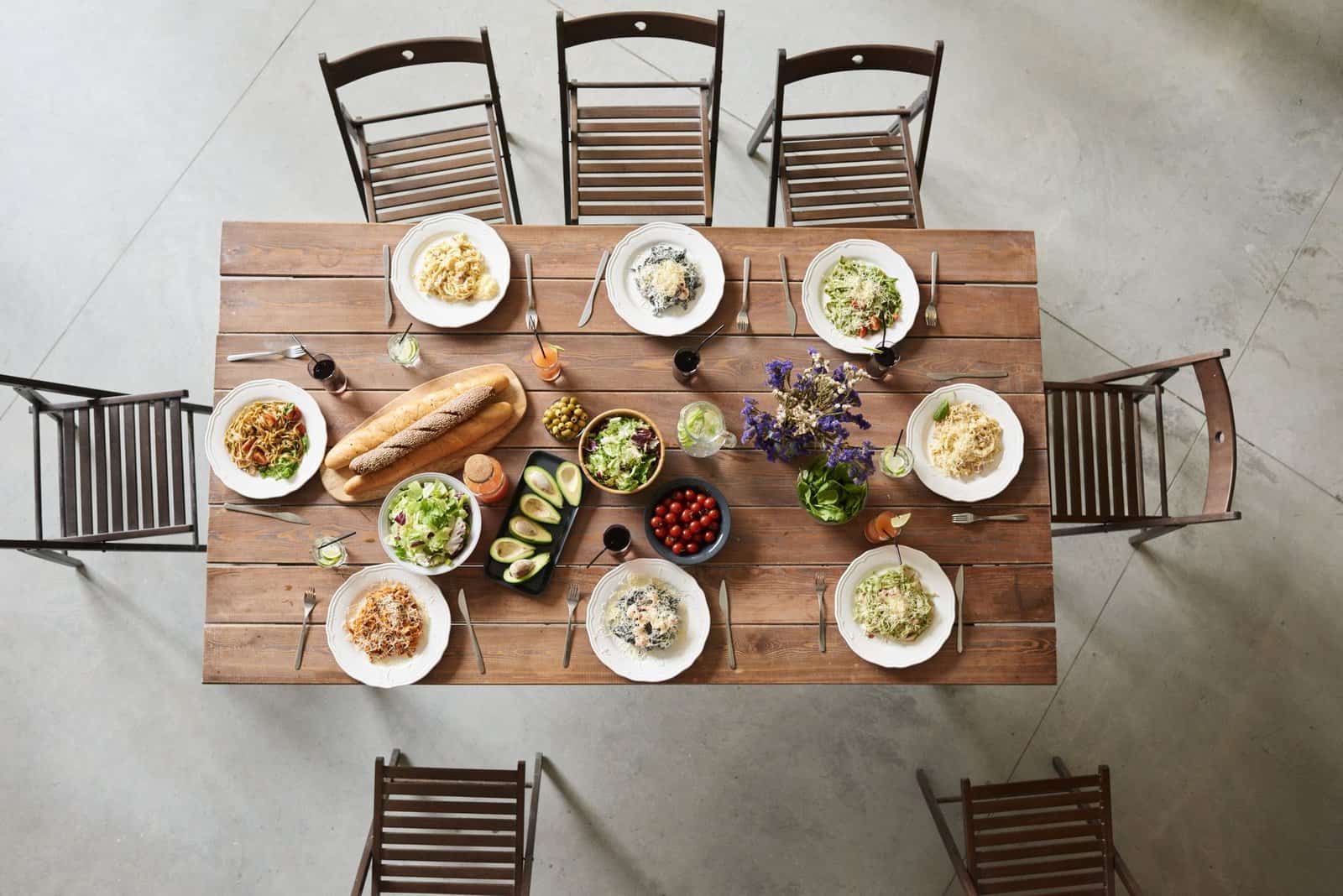
Northern Nevada’s Basque restaurants are concentrated in towns along Interstate 80 and the old railroad lines, including Elko, Winnemucca, Reno, Gardnerville, and Ely. The two most famous historic examples are the Star Hotel in Elko and the Martin Hotel in Winnemucca. Each has its own style, but many share the same traditions.
1. You may share a table with strangers
At traditional Basque boardinghouse restaurants, family-style seating is common. Travel Nevada says that at the Star Hotel, whether you are a party of two or six, you should plan to be grouped with other diners for a true family-style meal. That means sharing long tables and passing dishes.
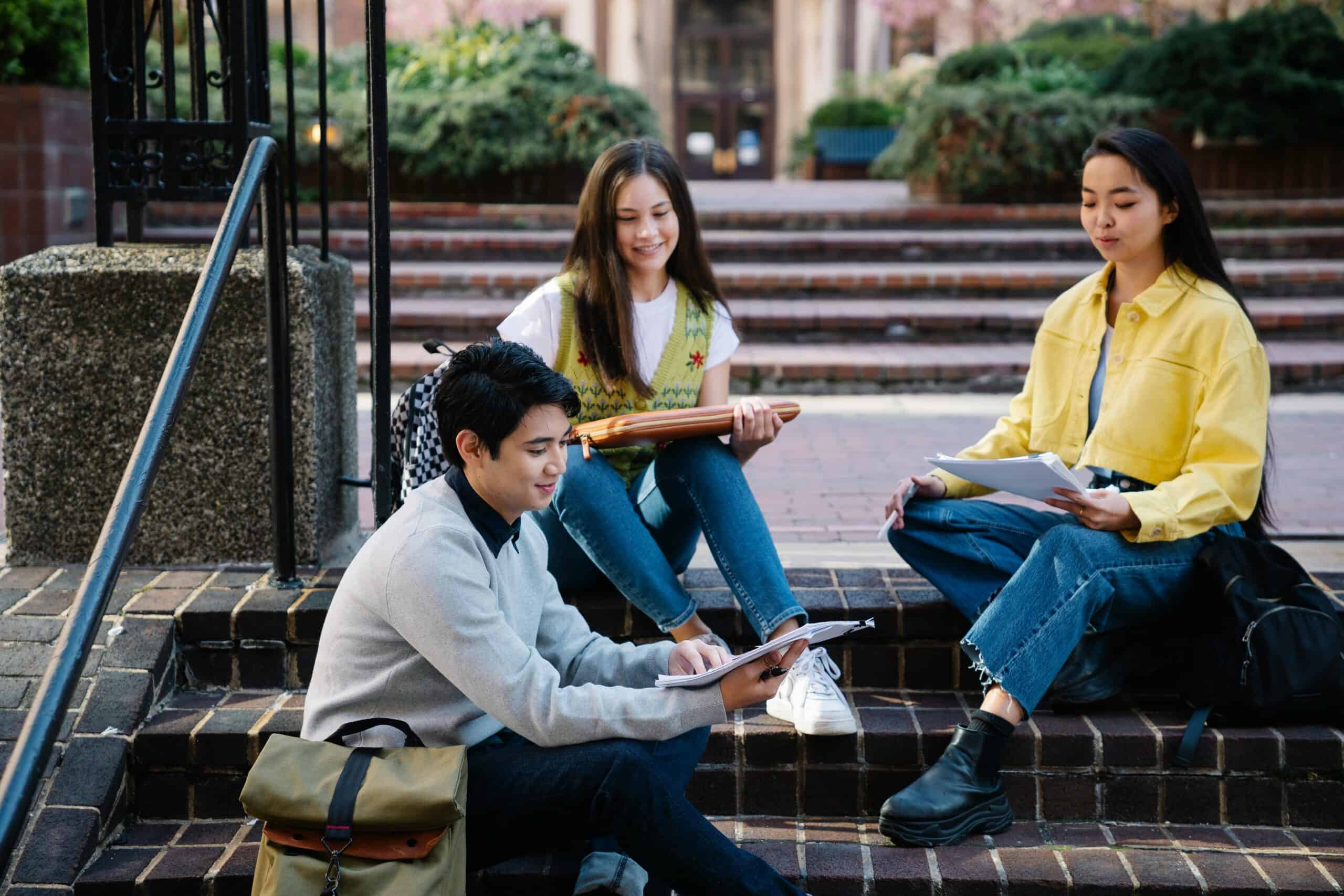
For many visitors, this is the best part. You might end up chatting with ranchers, miners, truckers, or other travelers. If you want privacy, ask whether separate seating is available, but be prepared for the communal approach.
2. The side courses keep coming
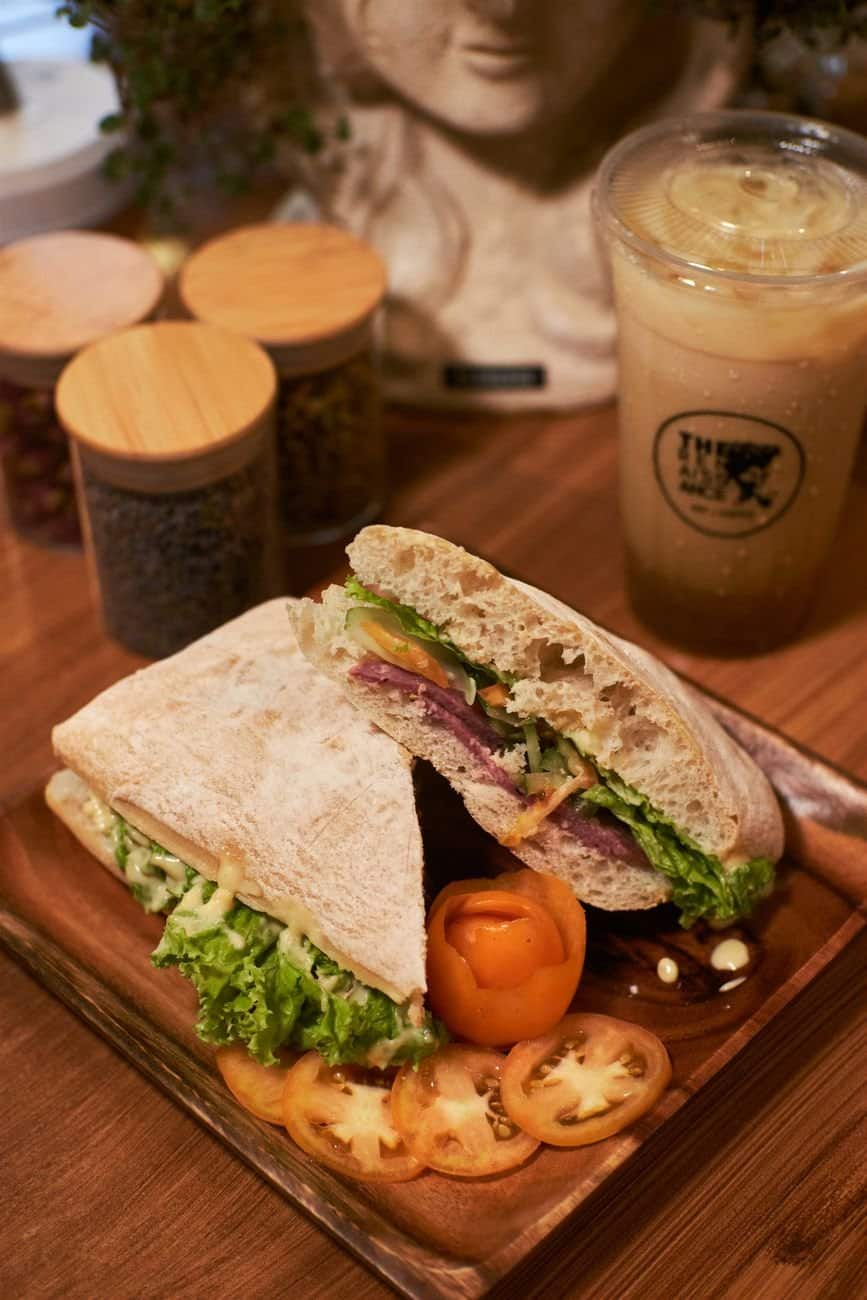
A Basque dinner is not a single plate. It is a series of courses served family-style, and most of them arrive before your main entree. According to Travel Nevada, historic boardinghouse meals had no menu and included staples like soup, rice with chicken, spaghetti, beans, and flan. Today, restaurants vary, but common courses include:
- Soup, often cabbage, leek, or bean soup.
- A green salad, sometimes with a simple vinaigrette.
- Bread, usually crusty and plentiful.
- Beans, often pinquito or red beans.
- Pasta or rice dishes.
- French fries or potatoes.
- Sometimes tongue, oxtail, or other traditional dishes.
These sides are typically included with your entree, so pace yourself.
3. You choose the main entree
While the side courses are shared, you usually choose your main dish. Popular options include garlic-heavy steaks, lamb chops or lamb shanks, roast chicken, pork chops, and seafood. Travel Nevada mentions garlic-loaded steaks, fall-off-the-bone lamb shanks with mint jelly, salmon, and chicken and rice at the Star Hotel.
Lamb is the classic choice, given the Basque connection to sheepherding. Steaks are popular too, often seasoned heavily with garlic.
4. The Picon Punch is the house drink
The Picon Punch is the signature cocktail of Nevada’s Basque restaurants. It is a strong, slightly bitter drink made with Amer Picon, a French orange-flavored bitter liqueur, or a substitute amer, mixed with grenadine and soda water, topped with a float of brandy, and garnished with a lemon twist.
Travel Nevada notes that the Star Hotel’s Picon Punches are “as stiff as ever.” That is a fair warning. The drink goes down easily but packs a punch. One is usually plenty, especially before a big meal or a drive.
Original Amer Picon is hard to find in the United States, so many bars use substitutes made specifically for Picon Punches. Bartenders at Basque restaurants take pride in their versions.
5. Portions are generous
Basque boardinghouse meals were designed to feed hardworking sheepherders, and the tradition of abundance continues. Between the soup, salad, bread, beans, pasta, potatoes, and your entree, you will likely have more food than you can eat. Many diners take leftovers home.
Come hungry, and do not fill up on bread before your main course arrives.
6. The dining rooms carry boardinghouse history
The Star Hotel opened in December 1910, according to the restaurant’s own history, as Pete Jauregui’s dream of a home away from home for Basques. It had 11 rooms, one bath, and wood stove heat for herders who needed a place to stay until spring. Two years later, demand led to an addition that doubled the building to its present size. Downstairs, Travel Nevada says, the dining room remains as it has always been, with a bar counter up front and a large family-style dining room in the back.
The Martin Hotel in Winnemucca opened in 1898 to serve Basque sheepherders working in the mountain ranges of northern Nevada, according to Travel Nevada. Its rooms are no longer rented, but its family-style dining room continues the tradition.
When you eat at these places, you are sitting in rooms that once housed herders far from home. Look for old photos and memorabilia on the walls.
7. Dinner times and reservations matter
Traditional Basque restaurants often have specific hours for family-style dinner, and some have different lunch menus or bar menus. Popular places can fill up on weekends and during events. Call ahead or check websites for hours and reservation policies.
If you are traveling along I-80 and plan to stop for dinner, time your drive so you arrive during dinner hours.
Basque culture in Nevada
Basques have been part of Nevada’s history for well over a century. In addition to restaurants, Basque culture shows up in festivals, music, dance, and sports. Elko hosts the National Basque Festival every summer around the Fourth of July, with dancing, music, games of strength, and food. Other towns hold their own Basque festivals.
The University of Nevada, Reno, has a well-known Center for Basque Studies, one of the leading Basque studies programs outside Europe. And in the mountains of northern Nevada, you can still find tree carvings, called arborglyphs, left by Basque sheepherders on aspen trees.
Planning a Basque dinner road trip
If you want to try more than one Basque restaurant, a road trip across northern Nevada works well:
- Reno: Several Basque restaurants serve family-style meals.
- Winnemucca: About 165 miles east of Reno, home of the Martin Hotel.
- Elko: About 125 miles east of Winnemucca, home of the Star Hotel and other Basque spots.
- Ely: South of I-80 on U.S. 93, with Basque history and a historic railroad museum.
Interstate 80 connects Reno, Winnemucca, and Elko, making a two- or three-day trip easy. In winter, check road conditions for mountain passes and snow.
Tips for first-timers
- Arrive hungry and pace yourself.
- Try the lamb if you can.
- Order a Picon Punch, but just one if you are driving.
- Be open to sharing a table.
- Ask the staff about the restaurant’s history.
- Save room for dessert if it is included.
What it costs
Basque dinners are usually priced by entree, with the side courses included. Prices vary by restaurant and dish, with steaks and lamb typically costing more. For the amount of food you get, many diners consider Basque dinners a good value.
Drinks, including Picon Punches, are extra. Check current prices before you go.
How to make a Picon Punch at home
If you want to recreate the drink at home, the classic method is simple. Fill a tall glass with ice. Add a splash of grenadine, then about one and a half ounces of Amer Picon or a substitute amer made for Picon Punches. Top with soda water, leaving a little room at the top. Float a small amount of brandy over the surface and finish with a twist of lemon peel. Stir gently before drinking, or sip it layered the way many bartenders serve it.
The hardest part is finding the amer. Bottles marketed as substitutes are sometimes available in Nevada and California liquor stores and online. Without one, the drink will not taste quite right.
Basque restaurants beyond Elko and Winnemucca
Basque dining spread wherever sheepherders worked, so you will find family-style Basque restaurants in other parts of the West too. California’s Central Valley, especially Bakersfield, has a strong Basque restaurant tradition. Boise, Idaho, has a Basque Block downtown with a museum, cultural center, and restaurants. Northern Nevada, though, is where the boardinghouse dining rooms feel most intact.
Why Basque food matters in Nevada
Nevada’s Basque restaurants are some of the last places in the American West where you can eat in a working boardinghouse dining room with a direct link to immigrant history. They tell the story of people who left the Pyrenees to herd sheep in the high desert, built communities in railroad towns, and kept their traditions alive.
A Basque dinner is more than a meal. It is a chance to sit at a long table, pass dishes with strangers, and experience a piece of Nevada history.
The bottom line
A Basque dinner in Nevada means shared tables, family-style side courses, a main entree of your choice, a strong Picon Punch, generous portions, historic boardinghouse dining rooms, and set dinner hours. Plan around those seven things, show up hungry, and you will understand why the Star Hotel and the Martin Hotel have been feeding travelers for more than a century.