Nevada’s Oldest State Park Is About 50 Miles From Las Vegas. 8 Reasons November Is the Time to Go
We may earn money or products from the companies mentioned in this post. This means if you click on the link and purchase the item, I will receive a small commission at no extra cost to you ... you're just helping re-supply our family's travel fund.
Valley of Fire State Park is Nevada’s oldest state park, dedicated in 1935, and it sits about 50 miles northeast of Las Vegas. Its swirling red and orange sandstone looks almost unreal in person. Visiting Valley of Fire in November puts you there during one of the most comfortable months of the year to see it.
The park covers roughly 46,000 acres of Mojave Desert and gets its name from Aztec sandstone that seems to glow red in direct sunlight. It is an easy day trip from the Las Vegas Strip, about an hour each way via Interstate 15 and the Valley of Fire Highway. But in summer, temperatures can climb well past 100 degrees, and some trails close because of extreme heat.
November changes that. Here are eight reasons it is the month to go.
Why Valley of Fire in November works so well
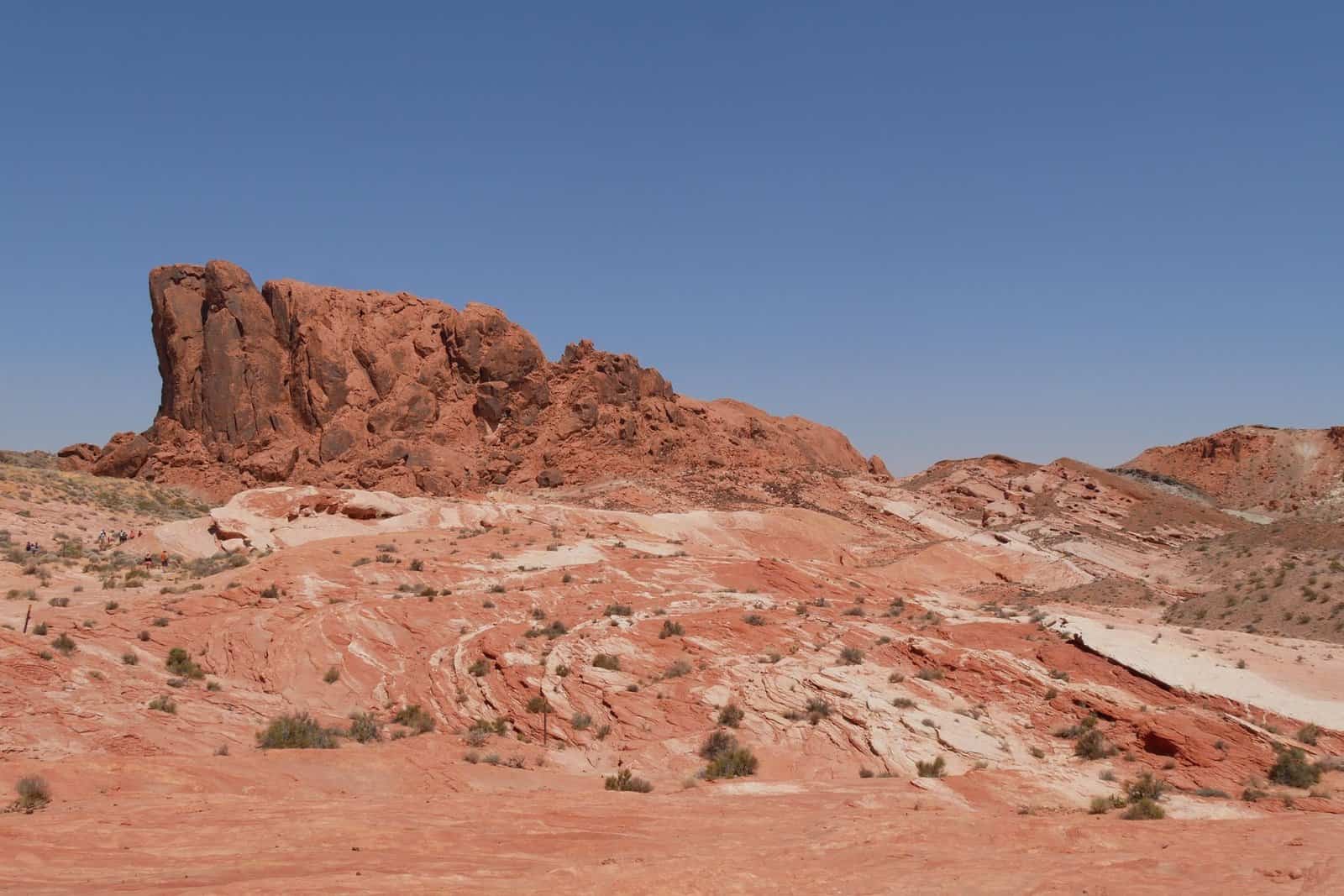
Desert parks reward good timing more than most places. The same trail that feels dangerous on a July afternoon can be pleasant on a November morning. At Valley of Fire, the shift from summer to late fall turns the park from a quick drive-through into a place where you can actually spend the day hiking, scrambling, and exploring.
1. The heat is gone
Average November highs at Valley of Fire tend to fall in the 60s Fahrenheit, with cool mornings and evenings. That is a dramatic change from summer, when highs can exceed 110 degrees and the rock surfaces get hot enough to burn. In November, you can hike in the middle of the day without worrying as much about heat exhaustion.
You still need sun protection and plenty of water. The desert air is dry, there is little shade, and the sun is strong even when the temperature is mild. But the risk of heat-related illness is far lower than in summer.
2. Heat-sensitive trails are open
In recent years, the park has closed some of its most popular trails, including routes like Fire Wave, White Domes, and Seven Wonders, during the hottest months because of heat-related rescues and deaths. Those closures typically lift once temperatures drop in the fall.
By November, those trails are usually open again. Check the Nevada State Parks website for current trail status before you go, but late fall is generally when you get access to the full park.
3. Low sun makes the rock glow
The red and orange sandstone at Valley of Fire is most dramatic in low-angle light. In November, the sun stays lower in the sky all day, so the rock glows longer in the morning and afternoon. Shadows across the formations add depth, and colors shift from pink to deep red to gold.
Photographers often say late fall and winter are the best seasons for shooting at Valley of Fire. Sunrise and sunset are especially striking, so plan to arrive early or stay late. The park’s day-use hours run from sunrise to sunset.
4. Camping is comfortable
Valley of Fire has two campgrounds, Atlatl Rock and Arch Rock, with sites set among red rock formations. In summer, camping can be brutal, with overnight lows that stay warm. In November, nights are cool and often clear, making for good stargazing.
Nights can drop into the 40s or lower, so bring warm sleeping bags and layers. Campsites can fill on weekends, especially around Thanksgiving, so check reservation availability ahead of time.
5. The petroglyphs are easier to explore
Valley of Fire contains rock art created by ancient peoples who lived in or passed through the area. At Atlatl Rock, a metal staircase leads up to a panel of petroglyphs, including an image of an atlatl, an ancient spear-throwing tool. Mouse’s Tank Trail, a short sandy walk, passes many petroglyphs on canyon walls.
In cooler weather, you can take your time studying the rock art instead of rushing back to an air-conditioned car. Never touch or climb on petroglyphs. Oils from skin damage them, and they are protected by law.
6. Wildlife is more active
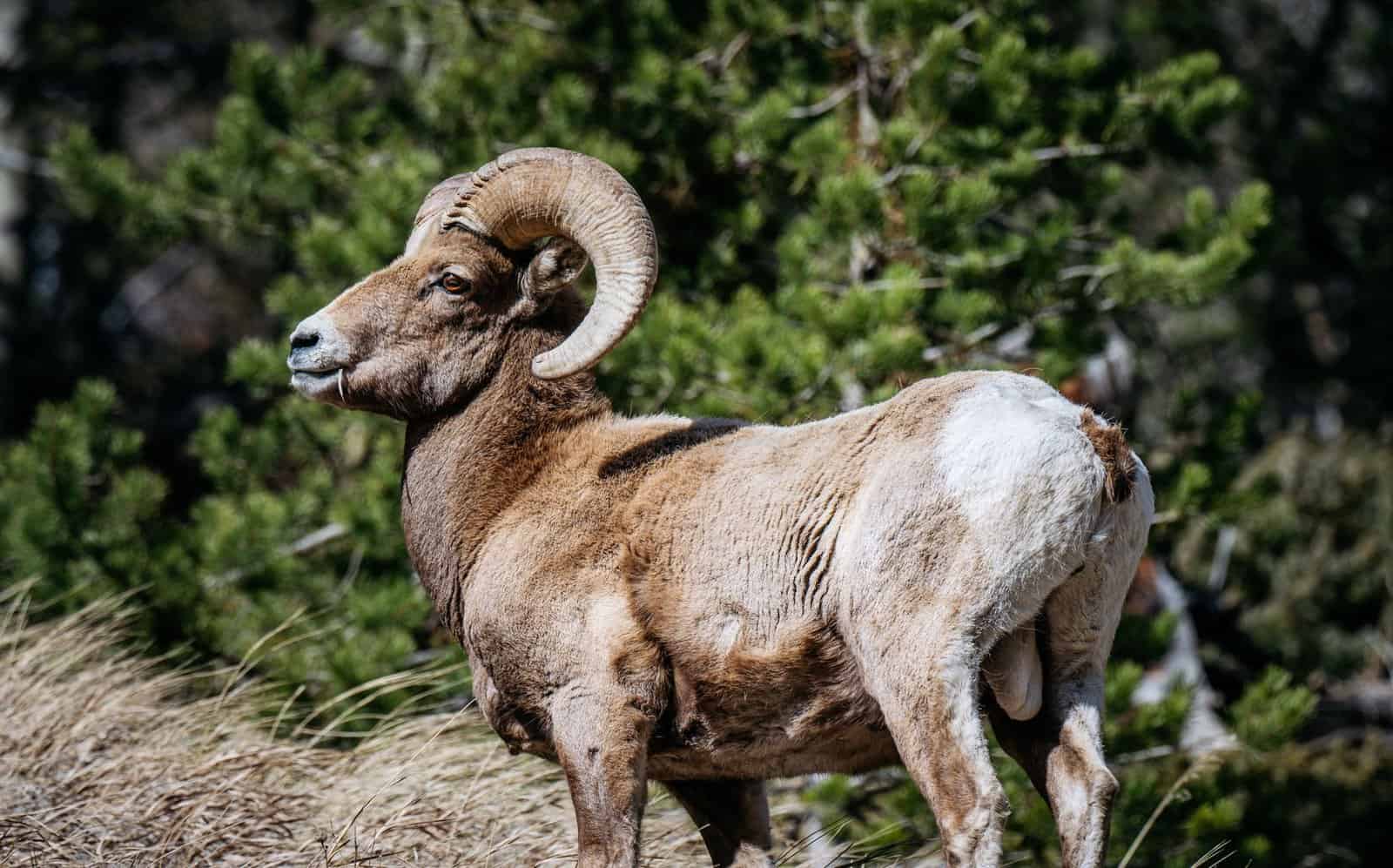
Desert animals adjust their schedules to the heat. In summer, many are active only at night. In cooler months, you have a better chance of seeing desert bighorn sheep, which live in the park, along with lizards, jackrabbits, and birds during the day.
Bighorn sheep sometimes appear near roads and trails. Watch from a distance, do not approach them, and never feed wildlife.
7. Crowds are lighter than in spring
Spring is the park’s busiest season, with wildflowers and pleasant temperatures drawing large crowds, especially on weekends. November usually sees fewer visitors, outside of holiday weekends. You will have an easier time finding parking at popular trailheads like White Domes and Fire Wave, and more space to enjoy viewpoints.
Weekdays are the calmest. If you can visit midweek, you may have some stretches of trail almost to yourself.
8. It pairs well with Lake Mead
Valley of Fire sits next to Lake Mead National Recreation Area, and the Northshore Road connects the two. In November, the drive along Lake Mead’s north shore is a scenic way to return to Las Vegas or continue toward Hoover Dam. The weather is good for short hikes and viewpoints along the way.
You can also stop in Overton, a small town north of the park, for food and gas before or after your visit.
The best things to see at Valley of Fire
With limited time, focus on the park’s most memorable spots:
- Elephant Rock: A sandstone formation shaped like an elephant, near the east entrance.
- Fire Wave: A short hike to swirling stripes of red and white sandstone.
- White Domes: A loop of about a mile through colorful rock with a short slot canyon.
- Mouse’s Tank: A sandy trail past petroglyphs to a natural basin that holds rainwater.
- Atlatl Rock: A staircase to one of the park’s best-known petroglyph panels.
- Rainbow Vista: A viewpoint over multicolored sandstone.
- Seven Sisters: A cluster of red rock formations along the main road.
- Beehives: Rounded sandstone formations shaped by wind and water.
Most of these are short walks, so you can see a lot in one day.
Valley of Fire on screen
The park’s otherworldly look has attracted filmmakers for decades. Scenes from Star Trek Generations, released in 1994, were filmed at Valley of Fire, including Captain Kirk’s final scene. Many commercials and other productions have used its red rock as a backdrop for alien worlds and Western landscapes.
You do not need to be a Star Trek fan to appreciate why. In the right light, the park really does look like another planet.
How to plan your visit
A few practical notes:
- Getting there: From Las Vegas, take I-15 north to Exit 75, then follow the Valley of Fire Highway east into the park. The drive takes about an hour.
- Fees: There is a per-vehicle entrance fee, with a lower rate for Nevada residents. At last check it was about $15 for out-of-state vehicles. Check the Nevada State Parks website for current fees.
- Visitor center: Stop for maps, exhibits, and trail updates.
- Water and food: Bring plenty of water and snacks. Food options inside the park are limited.
- Cell service: Coverage can be spotty, so download maps ahead.
- Pets: Dogs are allowed on a leash, but rock can be rough on paws.
How Valley of Fire got its look
The park’s red rock is Aztec sandstone, formed from huge sand dunes that covered this part of the Southwest during the age of dinosaurs. Over time, those dunes were buried, compressed, and cemented into stone. Iron oxide in the rock gives it the red, orange, and pink colors, while bands with less iron show up as white or cream.
Uplift and erosion later exposed the sandstone and carved it into domes, arches, fins, and pockmarked walls. Wind and water continue to shape the rock today. When you look closely at the Fire Wave or the swirling walls near White Domes, you can see the cross-bedding left by ancient dunes, the angled lines that record which way the wind blew millions of years ago.
Thanksgiving week at Valley of Fire
Thanksgiving weekend is the one November exception to the lighter crowds. Las Vegas fills with holiday visitors, and many of them look for a day trip away from the casinos. Expect more cars at popular trailheads, especially White Domes and Fire Wave, and full campgrounds.
If you are visiting that weekend, arrive at sunrise, hit the most popular trails first, and save the roadside viewpoints for later in the day. Bring your own food, since options in Overton may be closed or busy on the holiday itself.
A simple November day plan
Leave Las Vegas early and arrive at Valley of Fire around sunrise. Drive in from the west entrance, stop at the visitor center, and head to White Domes and Fire Wave while the light is soft and the trailheads are quiet. Have lunch at a picnic area near the visitor center.
In the afternoon, visit Mouse’s Tank and Atlatl Rock, then drive past Elephant Rock toward the east entrance. If you have time, follow the Northshore Road along Lake Mead back toward Las Vegas, timing your drive to catch sunset over the desert.
The bottom line
Valley of Fire is Nevada’s oldest state park and one of its most striking. In summer, extreme heat limits what you can safely do. In November, mild weather, open trails, low golden light, and lighter crowds turn it into one of the best day trips from Las Vegas. If you have only one day to step away from the Strip this fall, this is the place to spend it.