More Than 100 Bonfires Line the Mississippi Levee on Christmas Eve in Louisiana. Here’s How to See Them Lit
We may earn money or products from the companies mentioned in this post. This means if you click on the link and purchase the item, I will receive a small commission at no extra cost to you ... you're just helping re-supply our family's travel fund.
Every Christmas Eve, families in St. James Parish, Louisiana, light more than 100 bonfires along the levees of the Mississippi River. The towering wooden structures, built over weeks, stretch for miles along both banks between New Orleans and Baton Rouge. The St. James Parish bonfires are one of the most distinctive holiday traditions in the South, and thousands of people come to watch them burn.
Here is how to see them lit: the bonfires are traditionally lit at 7 p.m. on Christmas Eve along the levee in the communities of Gramercy, Lutcher, and Paulina. Arrive in the afternoon, park legally along River Road (Louisiana Highway 44), and walk up onto the levee before dark. If you want a preview without the Christmas Eve crowds, the Festival of the Bonfires in Lutcher runs December 11 to 13, 2026.
How to See the Bonfires Lit on Christmas Eve
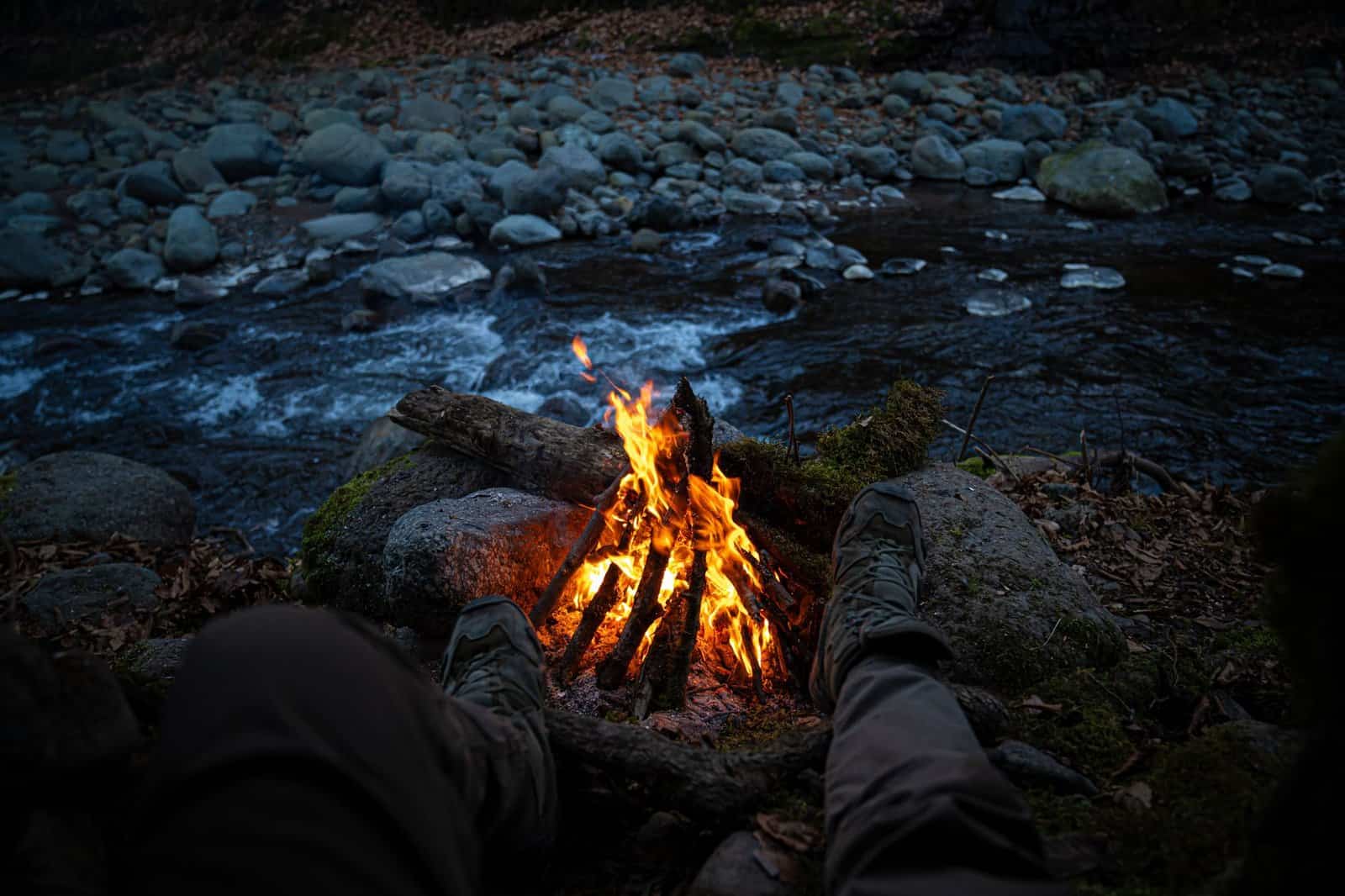
Christmas Eve is the main event. The bonfires are lit at about the same time, creating a chain of flames along the river. Here is how to plan.
Arrive Early
Traffic on River Road builds through the afternoon and can become gridlocked by evening. Plan to arrive by mid-afternoon to find parking and walk the levee in daylight, when you can see the structures up close before they burn.
Pick a Spot
The heaviest concentration of bonfires is in Lutcher and Gramercy, on the east bank of the river. Paulina, just upriver, also has many. Walk up the levee and choose a spot with a view of several structures. Each one is built and lit by a family, club, or group of friends, and many have their own style.
Watch the Lighting
At about 7 p.m., the bonfires are lit. Within minutes, flames shoot high into the night sky. The heat can be intense, so keep a safe distance. Fireworks often go up at the same time, adding to the spectacle.
Stay Safe
The levee can be crowded and uneven in the dark. Bring a flashlight, wear sturdy shoes, and keep children close. Follow instructions from local officials, who manage crowds and safety.
Plan Your Exit
Leaving can take as long as arriving. Many visitors stay for hours, walking the levee and visiting with locals. Expect slow traffic heading back toward New Orleans or Baton Rouge.
Where the St. James Parish Bonfires Tradition Comes From
The origin of the bonfires is debated. One popular explanation is that the fires light the way for Papa Noël, the Cajun version of Santa Claus, as he travels along the river. Others trace the tradition to French and German settlers who brought bonfire customs from Europe. Some say the fires once guided people to midnight Mass on Christmas Eve.
Whatever its origins, the tradition has been carried on by families for generations. In St. James Parish, building a bonfire is a community event, with family members and friends working together.
How the Bonfires Are Built
Bonfire builders start work weeks before Christmas. They cut willow logs from the river’s edge and stack them into tall, pyramid-shaped structures, often 20 feet or more in height. Cane reeds fill the gaps, and the reeds pop and crackle as they burn.
Some builders go beyond the classic pyramid. Over the years, bonfires have been shaped like plantation homes, riverboats, log cabins, and other structures. Many families take pride in their designs, and some have become known for their creativity.
Builders must follow rules set by the parish and the levee board, including limits on height and materials. Burning tires or other banned materials is not allowed.
The Festival of the Bonfires
The Festival of the Bonfires, held in Lutcher Recreation Park, gives visitors a chance to enjoy the tradition before Christmas Eve. The 2026 festival runs December 11 to 13.
The festival typically features:
- Live music, including Cajun and swamp pop bands.
- Food booths serving Louisiana dishes, such as gumbo, jambalaya, and boudin.
- Arts and crafts.
- Children’s activities.
- A nightly bonfire lighting at the festival.
The festival is a good option for visitors who want to experience the bonfire tradition in a more relaxed setting. Check the festival’s website for schedules, ticket prices, and parking.
Other Ways to See the Bonfires
If you prefer not to deal with traffic, there are other options:
- River cruises. Some companies in New Orleans and Baton Rouge offer Christmas Eve cruises along the river to view the bonfires from the water. These tend to sell out early.
- Bus tours. A few tour companies offer bus trips from New Orleans to the bonfires, handling the driving and parking.
- Dinner reservations. Some restaurants in the area offer Christmas Eve dinner with a view of the bonfires. Book well in advance.
Getting There
St. James Parish is about 45 miles west of New Orleans and about 40 miles southeast of Baton Rouge. From New Orleans, take Interstate 10 west to the Gramercy exit, then follow Louisiana Highway 641 to River Road. From Baton Rouge, take Interstate 10 east to the same exit.
River Road (Louisiana Highway 44) runs along the east bank, through Gramercy, Lutcher, and Paulina. Louisiana Highway 18 runs along the west bank.
Where to Stay
St. James Parish has limited lodging. Most visitors stay in New Orleans or Baton Rouge and drive in for the evening. Some nearby plantation properties along River Road offer lodging, including Oak Alley Plantation in Vacherie, which has cottages for overnight guests.
Book early if you want to stay nearby, since rooms fill quickly around Christmas.
What to Bring
- A flashlight or headlamp.
- Warm clothing. Christmas Eve on the river can be cool and damp.
- Sturdy shoes for walking on the levee.
- Snacks and water, since lines at local businesses can be long.
- A camping chair, if you plan to stay in one spot.
- A camera or phone for photos.
Tips for First-Time Visitors
- Respect private property. Many bonfires are built on levee land near private homes. Stay on public areas and ask permission before approaching structures.
- Be patient. Traffic and crowds are part of the experience.
- Talk with locals. Many builders are happy to share stories about their bonfires.
- Check for weather updates. Strong winds or rain can affect the lighting.
- Consider a mid-week visit before Christmas Eve to see the structures in daylight without crowds.
Visiting the Levee Before Christmas Eve
Some of the best views of the bonfires come before they are lit. In the weeks leading up to Christmas, the structures rise along the levee, and a drive along River Road in daylight lets you see them at your own pace. Builders are often at work in the afternoons and on weekends, stacking logs and tying cane. Many are glad to talk about their designs, as long as you ask first and keep out of the way.
A daylight visit also helps you plan Christmas Eve. You can scout parking areas, find levee access points, and decide which stretch you want to watch from. Gramercy and Lutcher tend to have the densest rows of structures, so they are a good place to start.
Pairing the Bonfires With River Road Sights
River Road follows the Mississippi through some of Louisiana’s oldest communities, and a trip to see the bonfires can include other stops. Several historic plantation sites lie along the river within a short drive of St. James Parish, including Oak Alley in Vacherie and the Whitney Plantation in Wallace, which focuses on the lives of enslaved people. San Francisco Plantation in Garyville is also nearby. Check each site’s holiday hours, since many close or shorten hours on Christmas Eve and Christmas Day.
Lutcher and Gramercy also have small restaurants and shops. Expect them to be busy on Christmas Eve, and consider eating earlier in the day.
What the Lighting Looks Like
Visitors who see the bonfires for the first time are often surprised by the scale. A single structure can burn for a long time, throwing heat and sparks high above the levee. When dozens are lit within a short span, the river glows orange for miles. Smoke drifts over the water, and the crackle of burning cane mixes with music and fireworks. Families gather near their own bonfires, and the mood is part neighborhood party, part holiday ritual.
Rules for Builders and Spectators
Parish officials and fire departments oversee the bonfires each year, and the rules can change, so check the parish’s announcements before you go. Builders typically need to follow guidelines on where structures can stand, how tall they can be, and what can be burned. Spectators should expect road closures or restrictions along parts of River Road on Christmas Eve, and parking enforcement in some areas. If weather conditions such as high wind or drought create a fire risk, officials can delay or cancel lighting.
Why the Bonfires Matter
The St. James Parish bonfires are more than a spectacle. They are a living tradition that connects families and communities along the river. For visitors, they offer a chance to see a part of Louisiana culture that is rooted in history, faith, and community pride.
Standing on the levee as the fires light up the night, with music, fireworks, and the smell of burning willow in the air, is an experience unlike any other holiday event in the country.