Moab Is Still Worth the Trip — But Not the Way Most People Are Taking It
We may earn money or products from the companies mentioned in this post. This means if you click on the link and purchase the item, I will receive a small commission at no extra cost to you ... you're just helping re-supply our family's travel fund.
Moab, Utah sits between Arches and Canyonlands national parks on the Colorado River, and it has become one of the most visited outdoor recreation towns in the American West. The 5,000-person town hosts roughly 3–4 million visitors annually. US-191 through town backs up on peak spring and fall weekends. Parking at the Arches National Park entrance backs up onto the highway. Sand Dune Arch on a Saturday morning has lines. This is the reality. And yet Moab is still absolutely worth visiting — you’re just doing it wrong if you’re doing it the way most people do it.
How to Experience Moab When Everyone Else Is There
The Timing Fix
The Arches timed entry reservation window opens at 6 AM Mountain Time for entries between 7 AM and 4 PM. If you’re staying in Moab, you can enter Arches before 7 AM without a reservation — and you should. Arriving at sunrise (or just before) means parking is available, trails are empty, and the light on the red rock is at its most extraordinary. An entry at 6:15 AM gives you 60–90 minutes before the reservation holders begin arriving. This single adjustment transforms the Arches experience entirely.
Canyonlands Instead of Arches
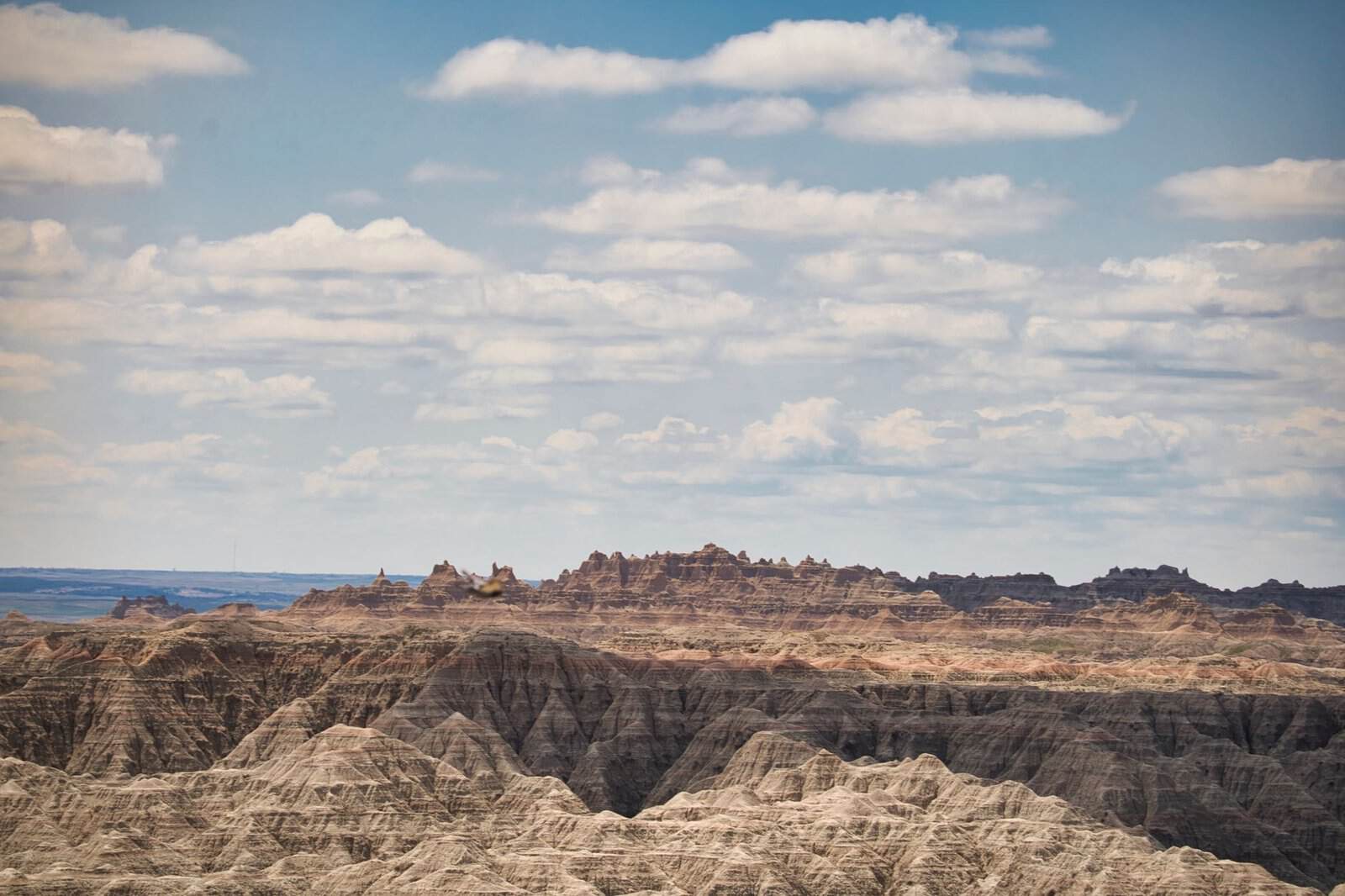
Canyonlands National Park receives approximately one-third of Arches’ visitors despite being significantly larger and, in many places, more geologically dramatic. The Island in the Sky district is 32 miles from Moab on US-191 and UT-313. The Grand View Point overlook provides one of the most expansive canyon vistas in North America. Mesa Arch at sunrise is a legitimate photography destination that still feels possible compared to the Arches crowds. No reservation currently required.
The Dead Horse Point Detour
Dead Horse Point State Park, 4 miles past the Canyonlands Island in the Sky turnoff, provides a view of the Colorado River’s Gooseneck from 2,000 feet above that rivals the Grand Canyon in visual impact. The narrow neck of the mesa — “Dead Horse Point” — is where cowboys once corralled wild mustangs on a natural pen. The view west at sunset has been described as the best canyon sunset in Utah by people who have seen all the competitors. Entry is $20 per vehicle, not covered by the America the Beautiful Pass, and the parking lot is never as full as Arches on the same day.
The Colorado River After Everyone Leaves
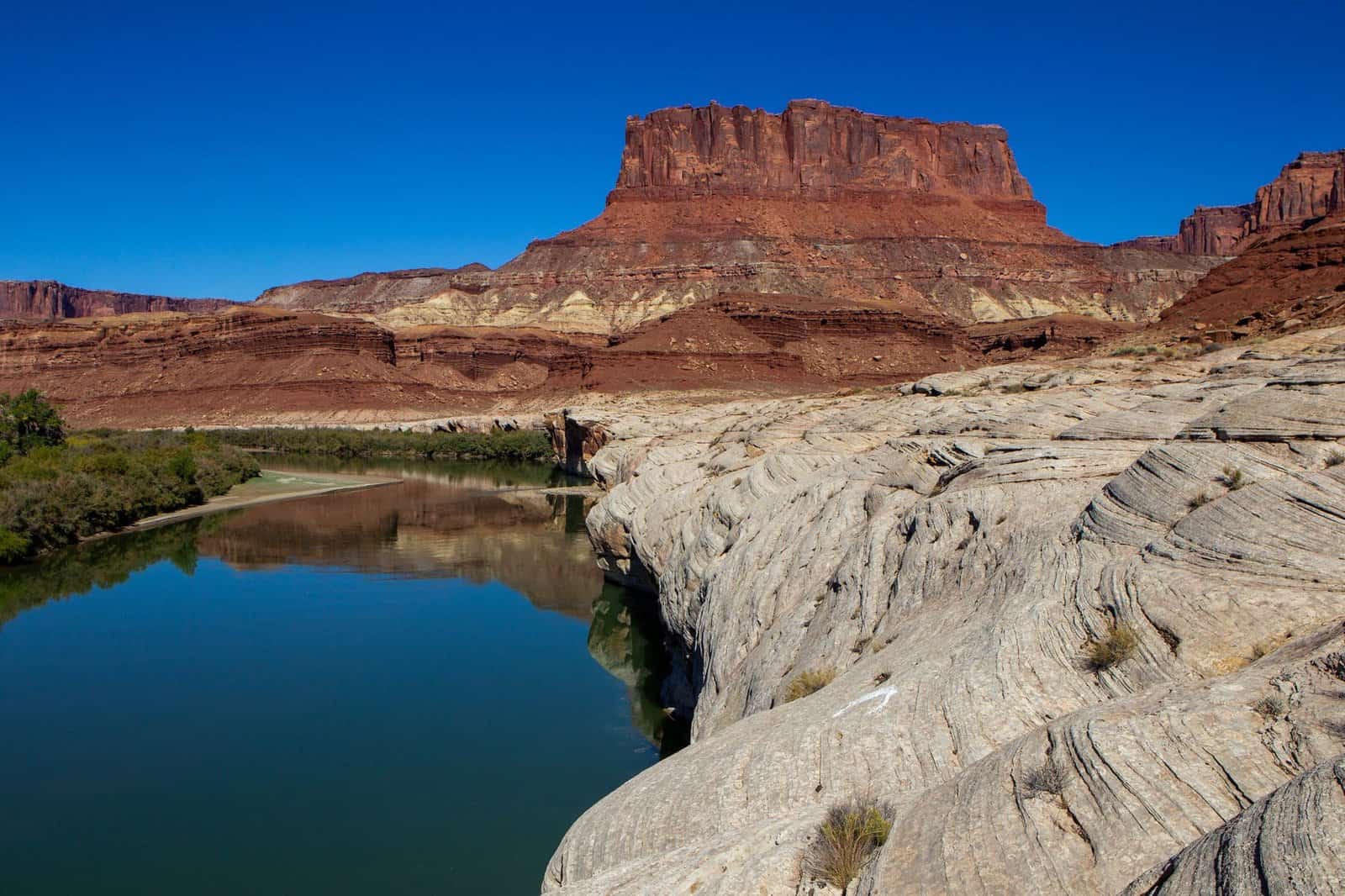
The Colorado River runs directly through Moab, and the UT-128 highway up the river canyon north of town — the River Road — is one of the most beautiful drives in Utah with almost none of Arches’ traffic. Sunset at the Fisher Towers, 21 miles up the River Road, involves massive sandstone monoliths that cast 1,000-foot shadows over the river as the light drops. Half-day and full-day rafting trips on the Colorado leave from town and provide a completely different way to experience the canyon landscape that 90 percent of Moab visitors never consider.
Moab is worth every visit. The crowds are a management problem, not a destination problem. The landscape is real, extraordinary, and accessible to anyone willing to adjust when they go and what they do once they’re there. The desert before sunrise is empty. The overlooks at sunset are quieter than you’d expect. And the Colorado River is right there, flowing through it all, indifferent to the parking situation at Arches.