Marblehead, Massachusetts Has More Registered Sailboats Per Capita Than Almost Any Town in America. That’s the Whole Story.
We may earn money or products from the companies mentioned in this post. This means if you click on the link and purchase the item, I will receive a small commission at no extra cost to you ... you're just helping re-supply our family's travel fund.
Marblehead, Massachusetts, a town of roughly 20,000 people on a rocky peninsula north of Boston, maintains one of the highest concentrations of registered recreational sailboats per capita of any municipality in the United States, a statistic that shapes essentially every other fact about the town, from its property values to its harbor infrastructure to its year-round calendar of racing events that most visiting tourists never fully register as anything more than pretty boats bobbing in a scenic harbor.
Unlike most New England coastal towns that built their identity around fishing, whaling, or later tourism, Marblehead’s economy and social structure organized specifically around recreational sailing starting in the late 19th century, and that specialization has persisted with unusual consistency for well over a century, making it a genuinely distinct case among the dozens of similar-looking colonial-era harbor towns that dot the Massachusetts coast.
How Marblehead Became a Sailing Town Specifically
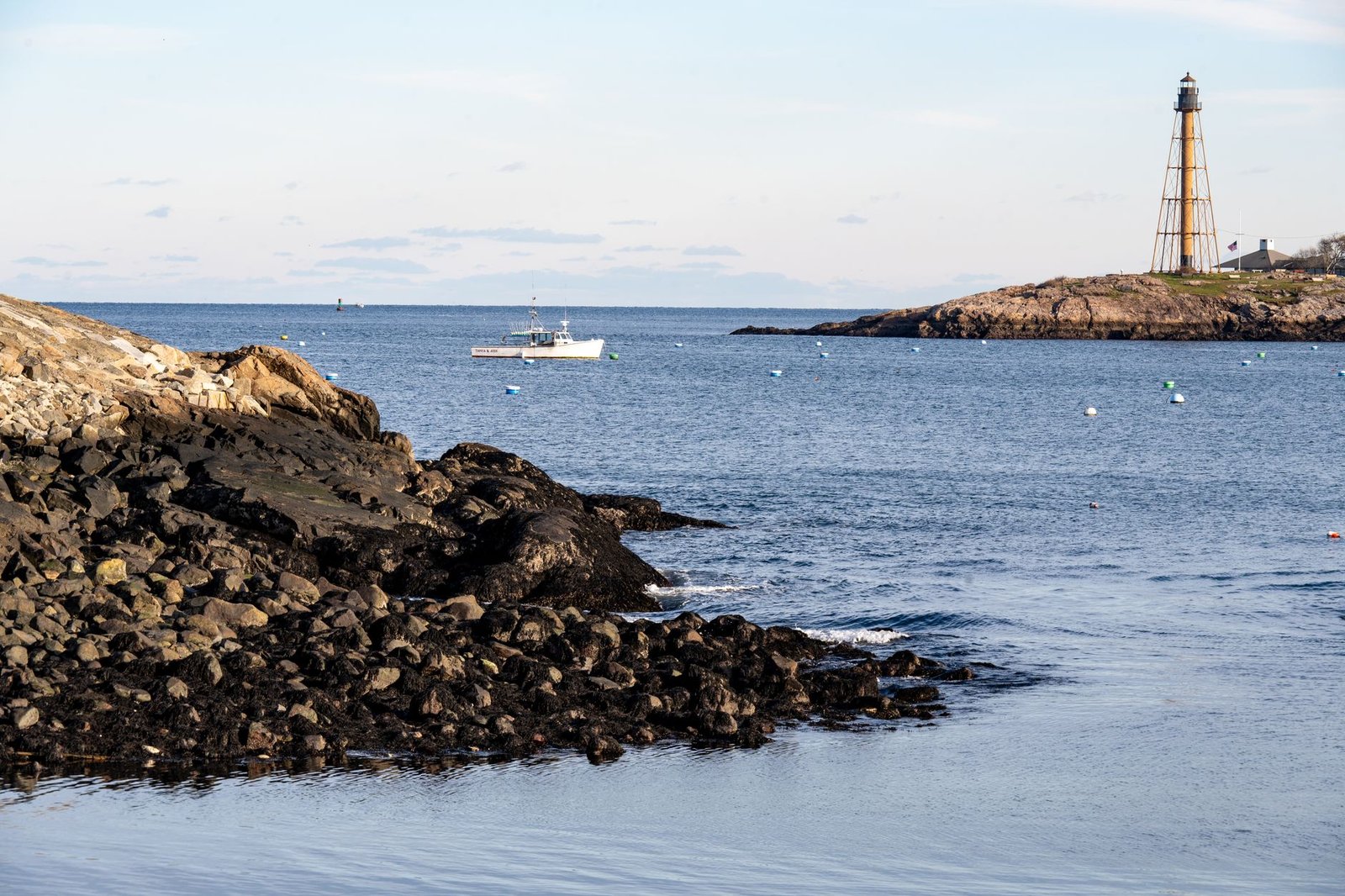
Marblehead’s harbor, well-protected and deep enough for substantial vessels while still compact enough for easy navigation, attracted wealthy Boston-area yacht owners starting in the 1880s and 1890s, a period when recreational sailing was transitioning from a purely elite pastime into a more organized competitive sport with formal yacht clubs and racing associations.
The Eastern Yacht Club, founded in Marblehead in 1870, and the Boston Yacht Club, which relocated much of its activity to Marblehead shortly after, established the town as a competitive sailing hub decades before most other New England harbor towns had developed comparable racing infrastructure, giving Marblehead a first-mover advantage in the recreational sailing world that compounded over subsequent generations.
That early institutional investment attracted a self-reinforcing cycle: serious sailors moved to Marblehead for its racing culture and protected harbor, which strengthened the local yacht clubs and racing calendar, which in turn attracted more serious sailors, a pattern that has repeated consistently enough over 150 years that the town’s sailing identity now feels less like a marketing choice and more like an inherited civic character.
What Marblehead Harbor Actually Looks Like
Marblehead Harbor holds thousands of moorings and slips serving a fleet that ranges from small dinghies used for junior sailing instruction to serious offshore racing yachts, and on a summer weekend the harbor’s water surface can appear almost entirely covered with sailboat traffic during major regatta events, a visual density that has become one of the town’s signature tourist draws even though most visitors come specifically to watch rather than participate.
- Marblehead hosts several major annual sailing races, including Race Week, one of the oldest and most prestigious sailing regattas in the country
- The town’s junior sailing programs have produced numerous Olympic and America’s Cup sailors over multiple generations
- Waterfront property in Marblehead commands some of the highest per-square-foot prices on the Massachusetts North Shore
- Marblehead’s Old Town historic district, separate from the harbor sailing culture, preserves one of the best-maintained collections of pre-Revolutionary architecture in New England
The Cost of Living in a Town Built Around Yachting
Marblehead’s median home price sits well above the Massachusetts state average, driven substantially by the premium attached to harbor-view and harbor-access properties that serious sailing families compete for specifically because of the mooring rights and yacht club proximity those properties provide, a pricing dynamic that has little parallel in towns without a comparable sailing culture.
Non-sailing residents of Marblehead, and there are many, since the town functions as a genuine bedroom community for Boston commuters as well as a sailing hub, generally accept the harbor’s dominant cultural and economic role as simply part of what living in Marblehead means, even for households with no boat and no yacht club membership of their own.
How Race Week Transforms the Town Every Summer
Marblehead’s Race Week, held annually since 1889 and among the oldest continuously run sailing regattas in the country, draws competitive sailors from across the Northeast and beyond, filling the harbor with racing fleets and turning the town’s restaurants, inns, and yacht club facilities into a concentrated hub of sailing-focused economic activity for the better part of a week.
Local businesses plan their summer staffing and inventory around Race Week and the broader summer racing calendar with the same seasonal precision that a ski town plans around snowfall, since the sailing calendar, more than the generic New England summer tourist season, actually drives the sharpest peaks in Marblehead’s visitor and spending patterns.
Why This Concentration Is So Unusual Nationally
Few American towns of Marblehead’s modest size maintain a single recreational activity’s infrastructure and cultural dominance for over a century without significant dilution or diversification, and sailing historians and sociologists studying American yacht club culture frequently cite Marblehead specifically as a rare case of sustained, multi-generational specialization around a single recreational identity.
That specialization has both preserved the town’s distinctive character and made it considerably more expensive and, in some ways, more socially insular than comparable Massachusetts coastal towns that diversified their economic base beyond a single recreational niche over the same historical period.
What a Visitor Actually Experiences Now
A visitor arriving in Marblehead without a sailing background typically experiences the town primarily through its harbor views, historic district walking tours, and waterfront restaurants, a genuinely pleasant experience but one that misses the deeper institutional and cultural infrastructure, the yacht clubs, junior sailing programs, and racing calendar, that actually explains why the town looks and feels the way it does.
Understanding Marblehead accurately requires recognizing that the picturesque harbor scene isn’t simply scenic backdrop but the visible surface of a sailing culture and economy that has operated with remarkable continuity for a century and a half, longer and more consistently specialized than almost any comparable American recreational tradition tied to a single small town.
The town has occasionally debated whether to expand mooring capacity or harbor infrastructure to accommodate growing demand, but Marblehead has generally resisted large-scale harbor expansion, preferring to preserve the harbor’s current scale and character even at the cost of a waiting list for moorings that can stretch years for new applicants without existing family connections to the sailing community.