Louisa May Alcott Wrote Little Women in Concord in 1868. 8 Places Worth Seeing There Before Winter Sets In
We may earn money or products from the companies mentioned in this post. This means if you click on the link and purchase the item, I will receive a small commission at no extra cost to you ... you're just helping re-supply our family's travel fund.
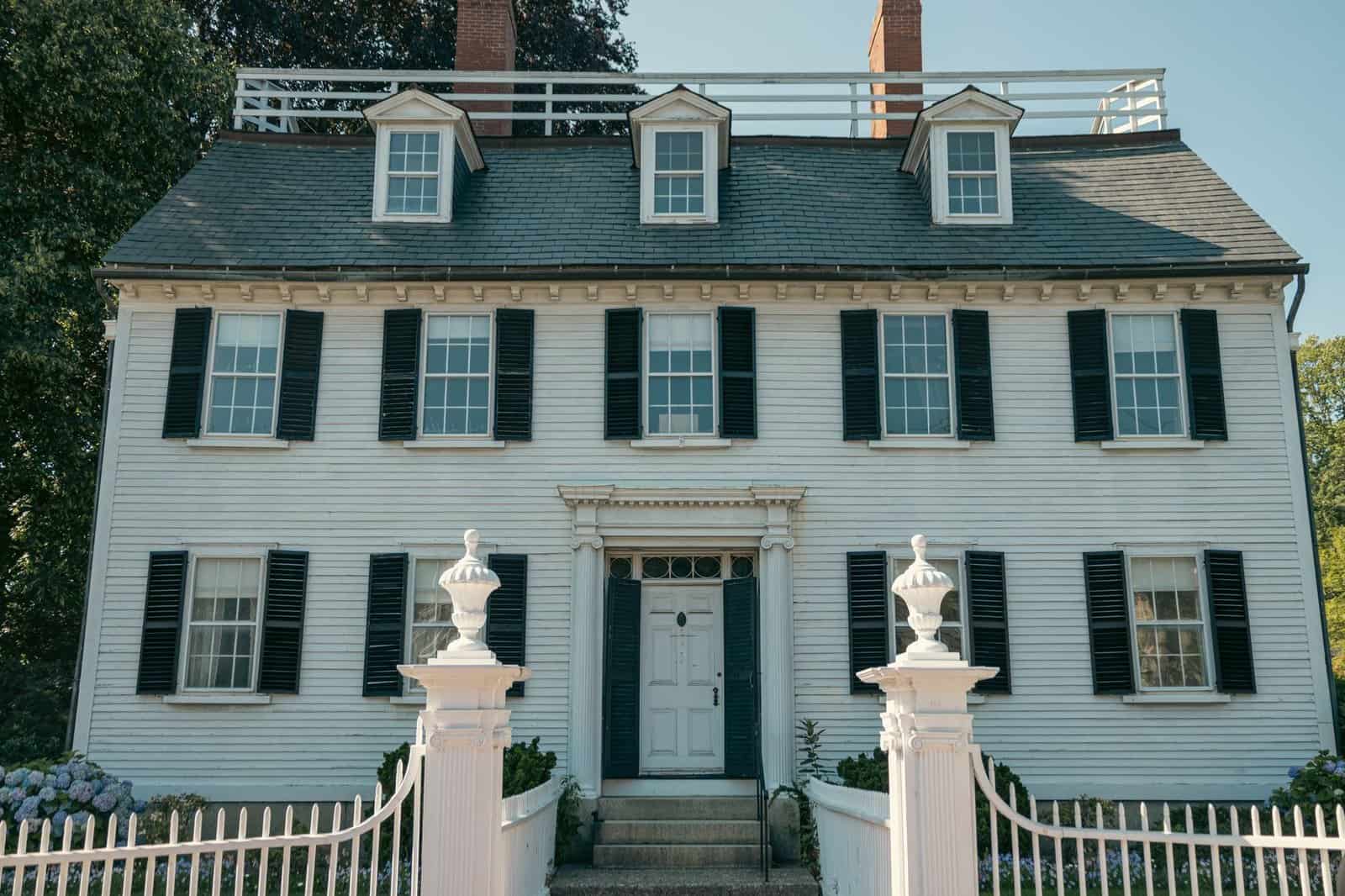
A short drive west of Boston, a brown clapboard house on Lexington Road is where one of the best-loved American novels was written and set. Things to do in Concord MA start at that house, Orchard House, and run through a small town that produced more American literature and history per square mile than almost anywhere else in the country.
Louisa May Alcott wrote “Little Women” at Orchard House in 1868, according to the Louisa May Alcott’s Orchard House museum. The museum notes that the home became internationally known not just as the place where the novel was written, but also as the place where it was set. The March sisters’ home in the book is modeled closely on the Alcott family’s life in this house, where they lived from 1858 to 1877.
Late fall is a good time to visit. The crowds from foliage season are gone, the light is low and golden, and the bare trees make the old houses and stone walls stand out. Some sites close for the winter, though, so it pays to go before December. Here are the eight places worth your time.
8 Places Worth Seeing in Concord Before Winter Sets In
These stops are clustered within a few miles, and you can see most of them in one full day.
1. Louisa May Alcott’s Orchard House
Orchard House is the reason many people come to Concord. It is shown only by guided tour, according to the museum, and the guides bring the Alcott family’s rooms to life: Louisa’s writing desk, a shelf built between the front windows by her father Bronson; May Alcott’s sketches drawn directly on the walls of her bedroom; and many of the family’s original furnishings.
Know the off-season hours. The museum says that from November 1 through March 31, Orchard House is open weekdays from 11 a.m. to 3:30 p.m., Saturdays from 10 a.m. to 5 p.m., and Sundays from 1 to 5 p.m. It is closed on Thanksgiving, Christmas Eve, and Christmas Day. Tours fill on weekends, so book ahead.
2. Authors’ Ridge in Sleepy Hollow Cemetery
Sleepy Hollow Cemetery, a short walk from Concord center, has one of the most remarkable burial grounds in America. On Authors’ Ridge, a wooded rise in the back of the cemetery, you will find the graves of Louisa May Alcott and her family, Henry David Thoreau, Ralph Waldo Emerson, and Nathaniel Hawthorne, all within a few yards of each other. Visitors leave pens and pencils on Alcott’s and Thoreau’s graves. Follow the signs to Authors’ Ridge from the Bedford Street entrance.
3. Walden Pond State Reservation
Thoreau lived in a small cabin near the shore of Walden Pond from 1845 to 1847 and wrote “Walden” about the experience. Today the pond is a state reservation run by the Massachusetts Department of Conservation and Recreation. A trail circles the pond, about 1.7 miles, and leads to the site of Thoreau’s cabin, marked by stone posts and a cairn. A replica of the cabin stands near the parking lot.
Parking fees are charged year-round, according to the state. Massachusetts-registered vehicles pay $8 a day, and out-of-state vehicles pay $30. Cash is not accepted, so pay with a card at the machines or buy a pass online in advance. The lot closes when the park reaches capacity, which happens on nice weekends.
4. The Old North Bridge
The Old North Bridge, part of Minute Man National Historical Park, is where colonial militia fired on British regulars on April 19, 1775, an exchange Emerson later called “the shot heard round the world” in his “Concord Hymn.” The current bridge is a replica, but the setting is the same: a quiet river, a field, and Daniel Chester French’s Minute Man statue on the far side. The site is free and open year-round. In late fall, the bare trees reveal the river and meadows.
5. The Old Manse
Next to the Old North Bridge, the Old Manse is a 1770 house built for Emerson’s grandfather, the Rev. William Emerson, who watched the fight at the bridge from the property. Ralph Waldo Emerson later lived here and wrote his essay “Nature,” and Nathaniel Hawthorne rented the house as a newlywed in the 1840s. Hawthorne and his wife, Sophia, scratched messages into the window glass with her diamond ring, and you can still see them. The house is run by The Trustees, and tours run on a seasonal schedule. Check before you go, because hours drop or stop in the colder months.
6. The Concord Museum
The Concord Museum on Lexington Road covers the town’s history from Native American life through the Revolution and the literary era. Its collection includes items connected to the opening day of the Revolution and the contents of Emerson’s study, along with objects from Thoreau’s life at Walden, including furniture from the cabin. It is a good stop on a cold or rainy day and gives you the context for everything else you will see in town.
7. The Battle Road Trail
The Battle Road Trail in Minute Man National Historical Park follows about five miles of the route the British retreated along on April 19, 1775, from Meriam’s Corner in Concord toward Lexington. The trail passes historic houses, stone walls, fields, and wetlands. It is mostly flat and is good for walking or biking. In late fall, the open fields and bare woods give you a good sense of the land as it was in 1775. Some visitor facilities are seasonal, but the trail is open year-round.
8. Main Street and the Colonial Inn
Concord center is a classic New England town square, with a green called Monument Square, white churches, and a short Main Street of shops and cafés. The Colonial Inn, on the square, has been serving guests since the early 1700s in parts of its building, and it is a popular spot for a drink or meal. Walk Main Street for independent bookstores, a cheese shop, and coffee shops. In December, the town decorates the square and the storefronts.
What Closes in Winter
Concord’s outdoor sites are open year-round, but several houses close or cut hours as winter sets in.
- Orchard House: Open year-round with reduced weekday hours from November through March. Closed briefly in early January.
- The Old Manse: Seasonal tours. Check The Trustees’ schedule.
- The Wayside: The National Park Service house where the Alcotts and Hawthorne both lived operates seasonally and is generally closed in winter.
- The Ralph Waldo Emerson House: Open seasonally, generally closed in the winter months.
- Outdoor sites: The Old North Bridge, the Battle Road Trail, Sleepy Hollow Cemetery, and Walden Pond are open year-round.
A One-Day Plan: Things to Do in Concord MA
- 10 a.m.: Start at the Old North Bridge and the Old Manse grounds.
- 11 a.m.: Walk or drive to Monument Square for coffee on Main Street.
- 11:45 a.m.: Orchard House guided tour, booked in advance.
- 1 p.m.: Lunch in Concord center.
- 2 p.m.: Sleepy Hollow Cemetery and Authors’ Ridge.
- 3 p.m.: Walden Pond, walking at least part of the loop to the cabin site.
- 4:15 p.m.: Sunset at the pond, around 4:15 p.m. in late November.
If you have a second day, add the Concord Museum and the Battle Road Trail.
Getting There
Concord is about 20 miles northwest of downtown Boston.
- By car: About 30 to 45 minutes from Boston via Route 2.
- By train: The MBTA Fitchburg Line commuter rail stops at Concord station, a short walk from Main Street. This is an easy car-free option.
- Parking: Concord center has metered and time-limited parking. Minute Man sites and Walden Pond have their own lots.
What It Costs
- Orchard House: Admission is charged for guided tours. Check the museum’s website for current prices.
- Walden Pond: $8 parking for Massachusetts vehicles, $30 for out-of-state vehicles.
- Minute Man National Historical Park: Free.
- Sleepy Hollow Cemetery: Free.
- Lunch: About $15 to $30 per person in Concord center.
Tips for a Better Visit
- Book Orchard House first: Tours are the hardest thing to schedule, so plan the rest of your day around your tour time.
- Bring a card for Walden: Parking machines do not accept cash.
- Dress for the outdoors: Most of Concord’s sites involve walking outside.
- Go on a weekday: Weekends are busier at Orchard House and Walden.
- Read before you go: A chapter of “Little Women,” “Walden,” or Emerson’s “Concord Hymn” makes the sites more vivid.
Concord in the Holiday Season
In December, Concord center is decorated for the holidays, and local shops stay open for gift shopping. Orchard House has historically held special holiday programs, so check its calendar if you are visiting later in the season.
The Bottom Line
Concord is where Alcott wrote “Little Women” in 1868, where Thoreau lived at Walden, where Emerson wrote “Nature,” and where the first shots of the Revolution were fired at the North Bridge. In late fall, you can see it all without the crowds. Go before the houses close for winter, book your Orchard House tour, bring a card for the Walden parking machines, and save time for Authors’ Ridge at the end of the day.