Lewes Calls Itself the First Town in the First State. 8 Reasons to Visit It in Winter
We may earn money or products from the companies mentioned in this post. This means if you click on the link and purchase the item, I will receive a small commission at no extra cost to you ... you're just helping re-supply our family's travel fund.
Most beach towns shut down when the summer crowds leave. Lewes does not, partly because it was a town long before it was a beach destination. Lewes Delaware in winter is a walkable historic district, a free museum on the Dutch settlers who arrived in 1631, a huge state park with World War II towers, and a ferry that runs to New Jersey every day of the year.
Lewes calls itself “The First Town in the First State,” and the claim goes back to 1631. According to Delaware’s Division of Historical and Cultural Affairs, that year a group of 28 Dutch men established Swanendael, a whaling and trading post near present-day Lewes, the first European settlement in what would become Delaware. The settlement was destroyed within about a year after a conflict with the local Native people, but the claim stuck. Delaware was the first state to ratify the U.S. Constitution, in 1787, which is where the “First State” part comes from.
Lewes sits where Delaware Bay meets the Atlantic Ocean, just north of the busier resort towns. In winter, it is calm, affordable, and still very much open. Here is why it is worth the trip.
8 Reasons to Visit Lewes in Winter
1. The Zwaanendael Museum Is Free
The Zwaanendael Museum, at 102 Kings Highway, tells the story of the 1631 Dutch settlement and the town’s long maritime history. The building itself is worth seeing. It was built in 1931 for the 300th anniversary of the settlement, with an ornate Dutch Renaissance design, a stepped gable, and decorative stonework inspired by a town hall in the Netherlands. Exhibits cover the Swanendael settlement, shipwrecks off Cape Henlopen, the War of 1812 bombardment of Lewes, and the local pilots who guided ships up the bay.
According to the state, admission is free, and the museum is open Wednesday through Saturday from 10 a.m. to 4:15 p.m. It is closed Sunday through Tuesday. Donations are welcome.
2. Cape Henlopen State Park Is Nearly Empty
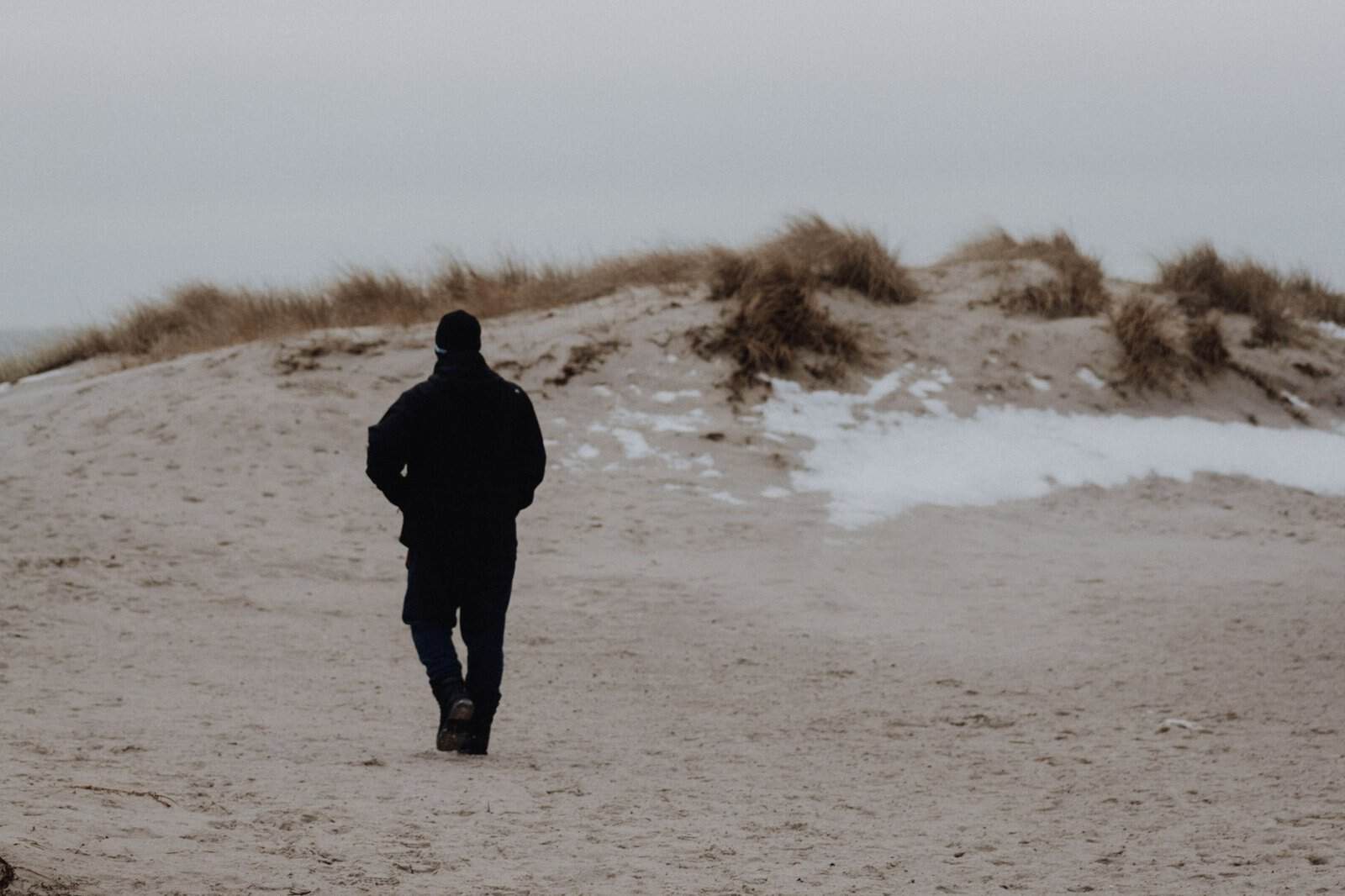
Cape Henlopen State Park, just east of downtown, covers roughly 5,000 acres of beaches, dunes, pine forest, and marsh at the mouth of Delaware Bay. In summer, it is packed. In winter, you can walk miles of beach and trails and see almost no one. The park is open year-round, and its paved bike loop, nature trails, fishing pier, and the Walking Dunes Trail are all accessible in the cold months. Winter is also a good time for birding, with sea ducks, loons, and gannets offshore.
3. The WWII Observation Towers
Cape Henlopen’s skyline is defined by tall, round concrete towers. These are fire control towers from World War II. According to WBOC, 11 observation towers were built between 1939 and 1942 along the coast from Cape Henlopen to Bethany Beach, as part of the Harbor Defenses of the Delaware. Soldiers inside them watched for German U-boats and used triangulation to direct artillery fire from Fort Miles.
One tower in Cape Henlopen State Park has been restored with a staircase, and visitors can climb it for a 360-degree view over the park, the bay, and the ocean. Check whether it is open on the day you visit, since access can be limited in winter or in bad weather.
4. Fort Miles
Fort Miles was a major coastal defense installation built in World War II to protect the entrance to Delaware Bay, and with it Philadelphia, Wilmington, and the industrial cities upriver. Inside Cape Henlopen State Park, you can see bunkers, gun emplacements, and Battery 519, which houses a museum run in partnership with a historical association. Museum hours are limited in the off-season, but the outdoor exhibits, including large artillery pieces, can be seen any time the park is open.
5. The Ferry Runs Every Day of the Year
The Cape May-Lewes Ferry crosses Delaware Bay between Lewes and Cape May, New Jersey. According to the ferry operator, it sails year-round, every day of the year, and the crossing takes about 85 minutes. In winter, the ferry is calmer and less crowded than in summer, and the views of the bay, the Lewes breakwaters, and the lighthouses at the harbor entrance are excellent on a clear day. You can take a car across or go as a foot passenger for a day trip. Schedules change by season, so check sailing times before you go.
6. The Junction and Breakwater Trail
The Junction and Breakwater Trail is a paved and crushed-stone path that runs about six miles between Lewes and Rehoboth Beach along a former railroad corridor. It passes through woods, farm fields, and wetlands, and it is flat and easy for walking or biking. In winter, it is quiet and good for a long walk on a sunny day. The Lewes end connects to the town’s streets and to Cape Henlopen State Park’s bike paths, so you can make a longer loop.
7. A Walkable Historic District
Lewes has one of the best collections of historic buildings on the Delaware coast. The Lewes Historical Society maintains a group of historic buildings, including early houses, and its campus in the historic district tells the story of daily life in the town. Other buildings to look for:
- The Ryves Holt House: Often described as the oldest house in Delaware still on its original site, dating to the 1600s.
- The Cannonball House: A house struck by a British cannonball during the War of 1812 bombardment, now a maritime museum run by the historical society.
- Shipcarpenter Square: A neighborhood of historic houses moved to Lewes and restored.
Walking the side streets around Second Street and Front Street, you will see houses from the 1700s and 1800s with historical markers.
8. Second Street Shops and Restaurants
Second Street is Lewes’s main shopping street, with independent boutiques, bookstores, gift shops, galleries, cafés, and restaurants. Unlike many beach towns, a good number of businesses stay open year-round, and the town is decorated for the holidays. Restaurants serve local seafood, including oysters in the cold months, and several have cozy dining rooms for winter evenings. A casual lunch typically runs about $15 to $25 a person, and dinner about $30 to $60.
Winter on Lewes Beach and the Bay
Lewes Beach faces Delaware Bay rather than the open ocean. It is a calm, gentle beach, and in winter it is nearly empty. Walk along the bay, look out to the breakwaters and the Harbor of Refuge Lighthouse, and watch the ferry come and go. Canalfront Park, on the Lewes-Rehoboth Canal near downtown, has a boardwalk-style path along the water and is a good spot for sunset.
A Sample Winter Weekend in Lewes Delaware
- Friday evening: Check in and have dinner on Second Street.
- Saturday morning: Zwaanendael Museum when it opens at 10 a.m., then a walk through the historic district.
- Saturday afternoon: Cape Henlopen State Park, the observation tower if open, Fort Miles, and a beach walk.
- Saturday evening: Dinner downtown and a walk to see holiday lights in December.
- Sunday morning: Bike or walk the Junction and Breakwater Trail.
- Sunday afternoon: Optional ferry round trip to Cape May, or a walk at Lewes Beach before heading home.
What to Pack
- A warm windproof jacket: Wind off the bay and ocean is cold.
- Hat and gloves: Especially for the ferry deck and the beach.
- Comfortable walking shoes: The historic district and trails are best on foot.
- Binoculars: For winter birds and ships in the bay.
Getting There
- From Philadelphia: About 120 miles, usually 2 to 2.5 hours via I-95 and Route 1.
- From Washington, D.C.: About 120 miles, roughly 2.5 hours via Route 50 and the Chesapeake Bay Bridge.
- From Baltimore: About 115 miles, roughly 2.25 to 2.5 hours.
- From New Jersey: Drive to Cape May and take the ferry across the bay.
Where to Stay
Lewes has historic inns, B&Bs, and small hotels, many within walking distance of Second Street. Winter rates are often much lower than summer rates, with many rooms running about $120 to $250 a night. Some properties have minimum stays on holiday weekends. Chain hotels along Route 1 between Lewes and Rehoboth often cost less.
Tips for Visiting Lewes Delaware in Winter
- Check hours: Some shops and restaurants close one or two days a week in winter.
- Plan around the museum: Zwaanendael is closed Sunday through Tuesday.
- Go on a sunny day: Beaches and trails are at their best in clear weather.
- Book the ferry ahead on holiday weekends: Vehicle reservations are recommended.
- Watch the weather: Coastal storms can bring wind and flooding, especially at high tide.
Who Lewes Suits Best in Winter
Lewes in winter suits couples looking for a calm weekend, history fans, birders, walkers and cyclists, and anyone who likes the beach without the crowds. Families with kids will enjoy Cape Henlopen, Fort Miles, and the ferry. It is less suited to travelers looking for nightlife, which is limited in the off-season.
The Bottom Line
Lewes calls itself the First Town in the First State because a group of 28 Dutch men founded the Swanendael settlement there in 1631. In winter, it is a calm coastal town with a free museum, a huge state park, World War II towers and bunkers, a ferry that runs every day of the year, a flat trail to Rehoboth, a historic district, and shops and restaurants that stay open. Go for a weekend, dress warm, and walk the beach while it is empty.