Lake Tahoe Has 72 Miles of Shoreline and a Housing Crisis That’s Changing Everything About How It Feels to Visit
We may earn money or products from the companies mentioned in this post. This means if you click on the link and purchase the item, I will receive a small commission at no extra cost to you ... you're just helping re-supply our family's travel fund.
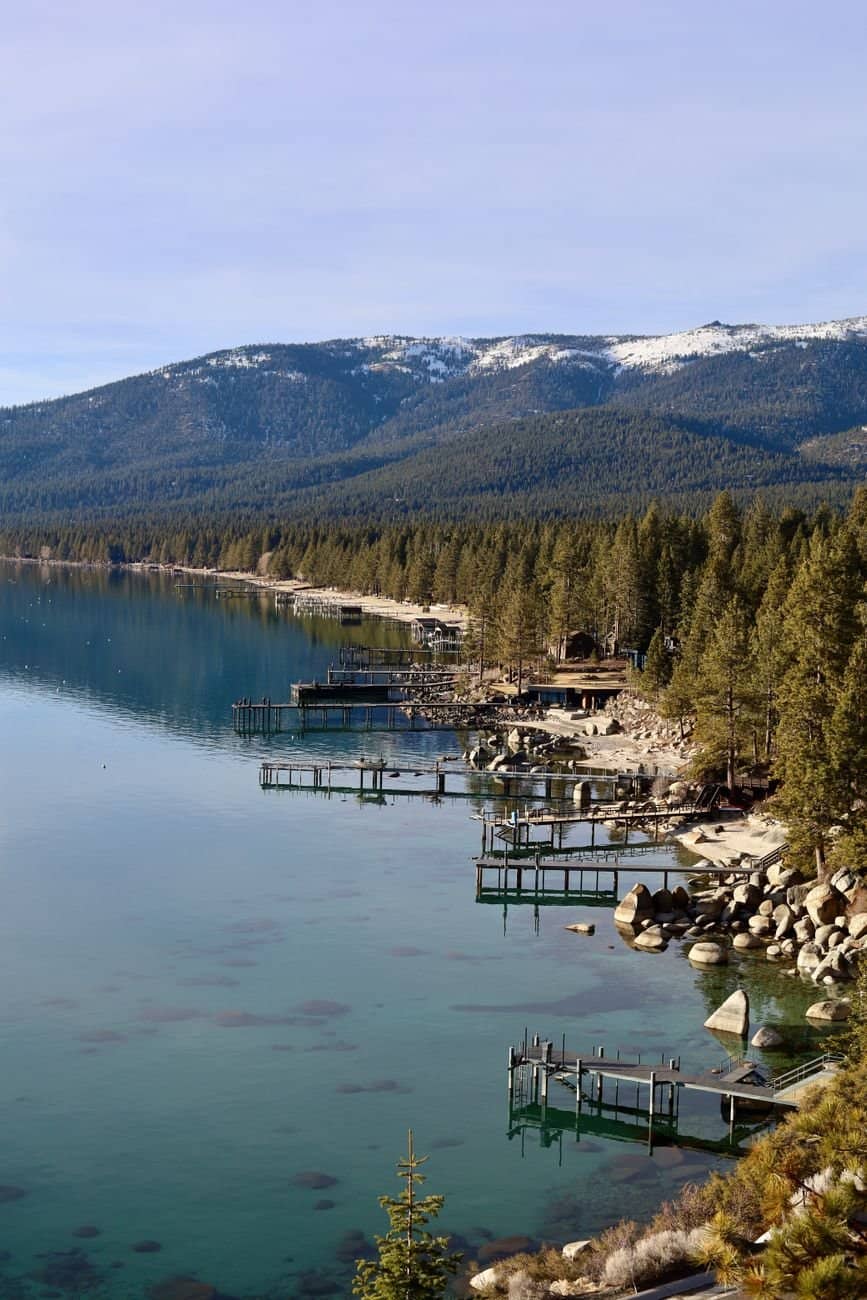
Lake Tahoe has been a destination since the transcontinental railroad made it accessible in the 1860s. Mark Twain wrote about it in “Roughing It” in 1872. The lake — 22 miles long, 12 miles wide, 1,645 feet deep, and so clear you can see 70 feet down — is one of the natural wonders of North America, and the Sierra Nevada peaks surrounding it provide both summer recreation and world-class winter skiing. The pandemic-era migration changed the communities around Tahoe in ways that are still playing out in 2026.
What Changed at Lake Tahoe — and What That Means for Visitors in 2026
Between 2020 and 2023, remote workers from the Bay Area and Sacramento discovered that a Tahoe house purchase provided both a vacation property and a functional workspace at a fraction of the Bay Area cost — even when Tahoe prices were rising fast. The influx compressed already limited housing supply, pushed long-term rental prices up 40–60 percent, and squeezed the service workers who staff the ski resorts, restaurants, and hotels that make Tahoe function as a destination. By 2024 and 2025, the service worker housing shortage had become an operational problem: ski resorts struggled to hire, restaurants shortened hours, and the visitor experience began to reflect the staffing gap.
The Traffic Problem
US-50 from Sacramento to South Lake Tahoe is among the most chronically congested mountain corridors in California. On any Friday afternoon in ski season, traffic backs up from Placerville to the summit. Highway 89 around the lake loops past constrained single-lane sections that create bottlenecks at Sand Harbor, Tahoe City, and Emerald Bay. The Tahoe Regional Planning Agency has been managing environmental limits on development, but traffic mitigation has not kept pace with visitor growth. Arriving outside Friday-Saturday peak times is genuinely important for the experience, not just a preference.
What Lake Tahoe Still Delivers That Justifies the Trip
- The water: No photograph captures the specific clarity and color — seeing it in person still produces the reaction that has driven people to Tahoe for 160 years
- The skiing: Heavenly, Palisades Tahoe, Northstar, Kirkwood — the combined Tahoe ski terrain is the largest in North America and world-class by any measure
- Sand Harbor: The Nevada state park on the east shore with the clearest swimming water at the lake — a reservation system now manages peak summer access, which is the right approach even when it’s inconvenient
- Emerald Bay: The glacially carved inlet with Vikingsholm castle, accessible by boat or a 2-mile round-trip hike that remains one of the finest short hikes in California
Tahoe requires planning in 2026 in a way it didn’t in 2015. Reservations for campgrounds, beach access, ski days, and restaurant tables fill far in advance. Accommodation prices have risen substantially. But the lake itself — that specific blue-green clarity at altitude — remains exactly what it has always been. Go on a weekday in October or May, when the crowds are thinner and the light is extraordinary, and understand that what you’re visiting is irreplaceable. That’s worth some planning friction.