Fort Worth Is Not Dallas With a Western Theme. Here’s Why Texans Keep Saying That and What It Actually Means
We may earn money or products from the companies mentioned in this post. This means if you click on the link and purchase the item, I will receive a small commission at no extra cost to you ... you're just helping re-supply our family's travel fund.
Dallas and Fort Worth share an airport, share a metropolitan statistical area, and are 30 miles apart on I-30. They are also, by the accounts of people who have lived in both, meaningfully different cities with different characters, different economies, different built environments, and a longstanding civic rivalry that neither city has ever quite gotten over. “Dallas is where the East ends and Fort Worth is where the West begins” is the aphorism that Texans use, and it’s more than a tourism slogan.
What Fort Worth Is — and Why It’s Not Just a Western Museum
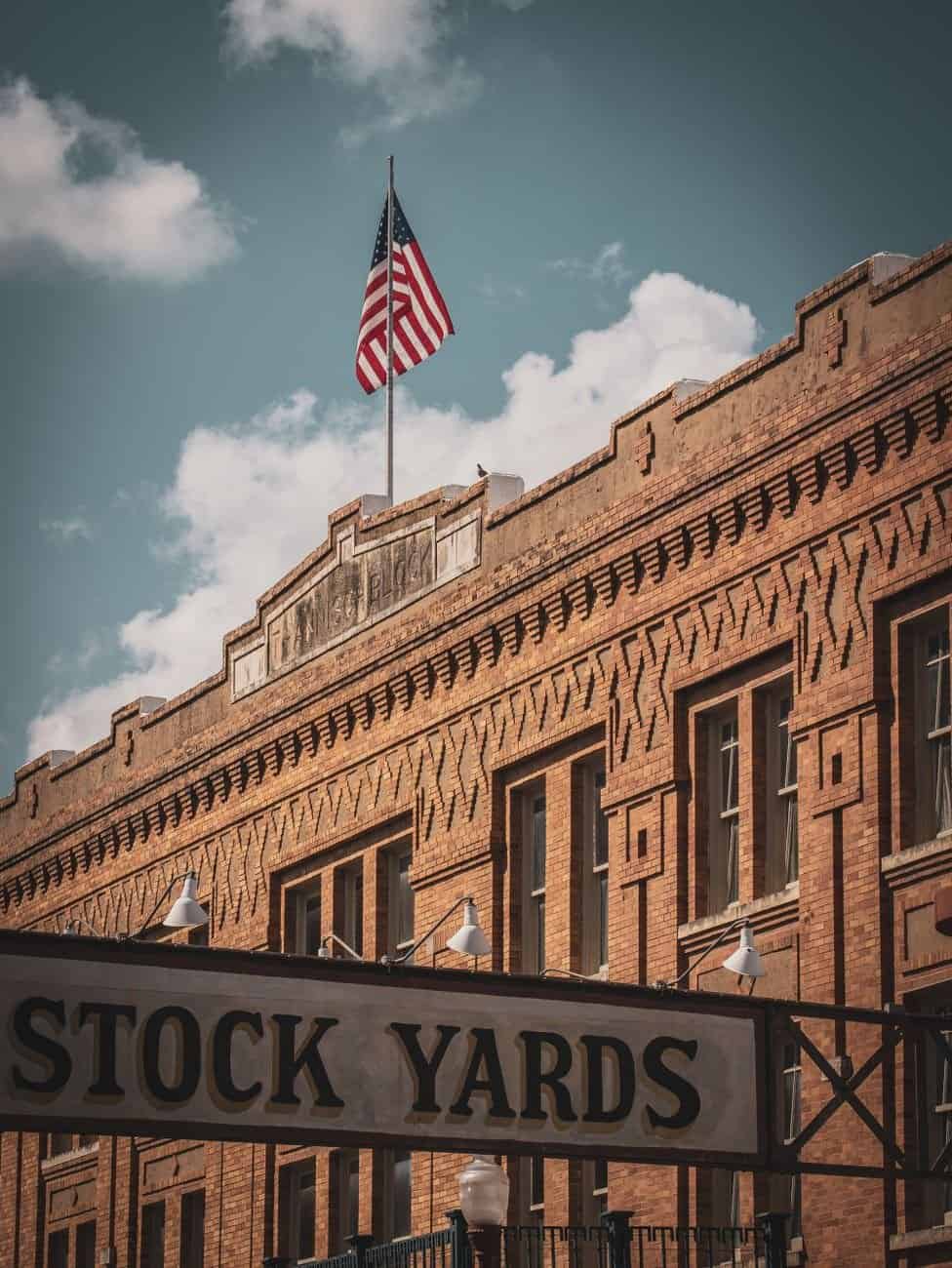
Fort Worth was built on cattle, railroads, and oil. The Fort Worth Stockyards, where longhorn cattle are driven down Exchange Avenue twice daily in a performance that was started as a tourist attraction in 1999 but has become a genuine civic ritual, represent one authentic thread of the city’s identity. The cultural district — which contains three world-class museums within walking distance of each other — represents another thread that is equally real and more surprising.
The Museum District That Most Texas Visitors Never Go To
- Kimbell Art Museum: One of the finest art museums in the United States, in a Louis Kahn building considered one of the masterworks of 20th-century American architecture — free general admission, collections that include Michelangelo, Velázquez, Rembrandt, and Picasso at a level most cities can’t match
- Modern Art Museum of Fort Worth: Designed by Tadao Ando, with one of the strongest collections of post-WWII modern and contemporary art in the Southwest — its Kiefer and Rothko holdings are extraordinary
- Amon Carter Museum of American Art: The finest single collection of American art in Texas, with particular strength in Western American art and photography — Georgia O’Keeffe, Frederic Remington, and a photographic archive of enormous depth
The Stockyards — What They Are and How to Do Them Right
The Fort Worth Stockyards were, from the 1870s to the 1960s, one of the major livestock processing centers in the United States. The Exchange Building, where cattle deals were made, still stands. The daily longhorn cattle drive is a performance, not a working operation — but the stockyards district has real honky-tonk bars, real Western wear stores that sell to actual ranchers, and a genuine energy that differs from the theme-park feel of Nashville’s Broadway. Billy Bob’s Texas, billed as the world’s largest honky-tonk, is real and worth experiencing for the scale alone.
Fort Worth is 30 minutes from Dallas-Fort Worth International Airport, which means it’s accessible to everyone who flies into DFW. Most visitors use DFW to access Dallas. The percentage who make it to Fort Worth’s cultural district is small, and the percentage who see both the Stockyards and the Kimbell Museum on the same trip is smaller still. That combination — cattle drives and a Michelangelo drawing — is uniquely Fort Worth and the best argument for treating the city as a destination rather than a Dallas suburb.