Jacksonville, Oregon Became a National Historic Landmark in 1966. Its Victorian Christmas Is the Reason to Go
We may earn money or products from the companies mentioned in this post. This means if you click on the link and purchase the item, I will receive a small commission at no extra cost to you ... you're just helping re-supply our family's travel fund.
Jacksonville, Oregon was founded in the early 1850s after gold was found in a nearby creek, and it grew into the largest town in southern Oregon. Then the railroad bypassed it, the county seat moved to Medford, and Jacksonville stopped growing. That stalled history left it with more than 100 buildings from the 19th century, and on November 13, 1966, the entire town was designated a National Historic Landmark. Today, Jacksonville Oregon Victorian Christmas celebrations turn that preserved downtown into one of the most festive small towns on the West Coast.
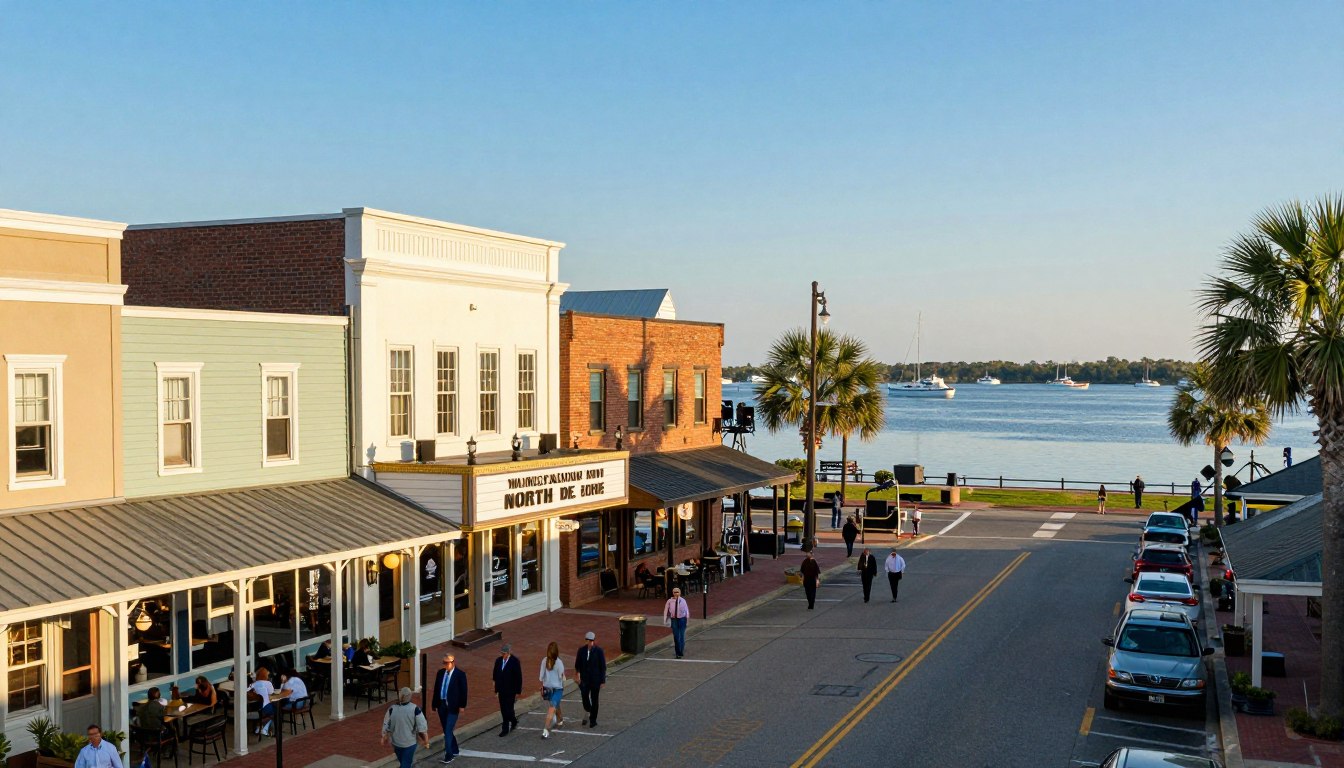
Here is why the holiday season is the reason to go. On weekends from late November through Christmas, the town decorates its brick storefronts and Victorian homes with lights and garlands. Carolers in Victorian costumes stroll the streets, Father Christmas makes appearances, and visitors can take trolley or carriage rides through town. Historic homes and buildings may open for holiday tours, and shops and restaurants stay open into the evening. It is a small, walkable celebration that feels genuinely old-fashioned.
Jacksonville sits about five miles west of Medford in the Rogue Valley, with a population of about 3,000. It is surrounded by wineries, orchards, and the Siskiyou Mountains.
Why Jacksonville Oregon Victorian Christmas Is the Reason to Go
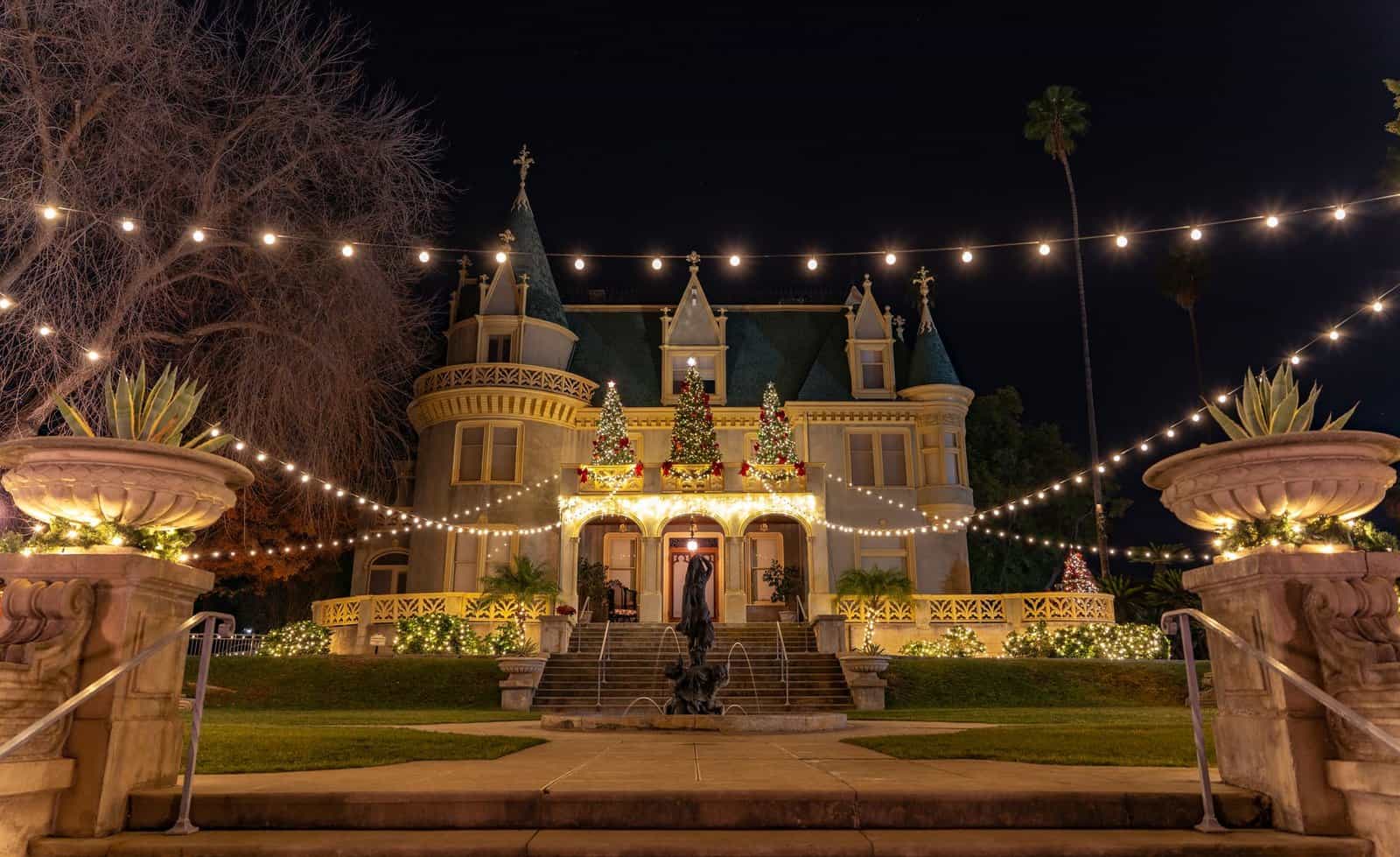
The town’s holiday celebration builds on its historic character. Here is what typically happens:
- Holiday lights and decorations on the historic downtown and Victorian homes.
- Costumed carolers singing traditional carols on street corners.
- Father Christmas, a Victorian-style Santa, greeting visitors.
- Trolley rides through the historic district.
- Holiday open houses at shops, galleries, and historic buildings.
- Special events at historic sites, such as the Beekman House.
Event details change from year to year, so check the town’s chamber of commerce and visitor center for the current schedule.
The Gold Rush Town That Stopped Growing
Gold was found in Rich Gulch in 1851 or 1852, and miners flooded into the area. Jacksonville quickly grew into a commercial center for southern Oregon, with banks, hotels, newspapers, and churches. It became the county seat of Jackson County.
In the 1880s, the Oregon and California Railroad built its line through the valley but bypassed Jacksonville, choosing a route through what became Medford. Business shifted to the railroad town. In 1927, the county seat moved to Medford. Jacksonville’s growth stalled, and many of its 19th-century buildings survived because no one tore them down.
In 1966, the federal government designated the town a National Historic Landmark, one of the first towns in the country to receive that honor as a whole.
Why the 1966 Landmark Status Matters
National Historic Landmark status is the federal government’s highest recognition for historic places, and it is relatively rare for an entire town to receive it. For Jacksonville, the 1966 designation helped protect the town at a time when many American downtowns were tearing down old buildings for parking lots and modern storefronts. Residents formed preservation groups, restored buildings, and adopted rules to protect the town’s character.
The result is a downtown where you can still see the layout of a 19th-century gold rush town: narrow lots, brick commercial buildings close to the street, churches on the hillsides, and homes built by merchants and miners. That preserved setting is exactly what makes the Victorian Christmas feel authentic rather than staged.
What to See Downtown
- California Street, the main street, with brick buildings from the 1850s through 1880s.
- The Beekman Bank, a well-preserved 1860s bank building.
- The Beekman House, a Victorian home with period furnishings.
- The old Jackson County Courthouse, built in 1883.
- Historic churches, including St. Joseph’s Catholic Church and the Methodist church.
- The Jacksonville Cemetery, a historic cemetery on a hill above town.
A Walk Through the Historic District
The best way to see Jacksonville is on foot. Start at the visitor center and pick up a walking tour map, which identifies dozens of historic buildings by date and original use. California Street holds the densest collection of brick commercial buildings, many with iron shutters that merchants closed at night to protect goods from fire. Side streets lead to churches, Victorian and Gothic Revival houses, and small cottages built by miners and tradespeople.
Look for plaques that tell each building’s story. Some housed saloons, general stores, and newspapers in the 1850s and 1860s. Others were banks that held gold dust from local mines. In December, many of these storefronts are framed in garlands and white lights, and the town looks much as it might have in a Victorian holiday card.
Jacksonville’s Chinese History
Chinese miners and merchants played a major role in Jacksonville’s early decades. Many came during the gold rush, worked claims others had abandoned, and ran businesses in a Chinese quarter near the center of town. Like Chinese communities across the West, they faced discrimination and violence, and the quarter eventually disappeared. Local historical groups and interpretive signs now tell part of this story, and archaeological work has uncovered artifacts from the community.
Trails in the Jacksonville Woodlands
Right behind town, the Jacksonville Woodlands trail system offers miles of paths through oak woodland, madrone, and pine, with views over the valley. Trails connect to the Britt Gardens and historic mining sites, including old ditches and tailings. A morning walk here pairs well with an afternoon of holiday shopping downtown. Trails can be muddy after winter rain, so wear sturdy shoes.
Peter Britt and the Britt Festival
Peter Britt, a Swiss-born photographer, arrived in Jacksonville in 1852 and took some of the earliest photographs in the Pacific Northwest. His home site is now the location of the Britt Music and Arts Festival, held in summer.
Wine Country
Jacksonville is the gateway to the Applegate Valley wine region, with dozens of wineries nearby. Many offer tastings in winter.
What December Weather Is Like
The Rogue Valley has a milder winter than much of Oregon. December highs in Medford and Jacksonville are often in the 40s, with nights near or below freezing and frequent rain. Snow falls occasionally in town and more often in the surrounding mountains. Fog can settle into the valley for days at a time, which makes the holiday lights glow even more. Pack a warm coat, an umbrella, and waterproof shoes for walking on brick sidewalks.
Nearby Stops for a Longer Trip
- Medford: Harry & David, the gift fruit company famous for its holiday pear boxes, is headquartered here and runs a store popular in December.
- Ashland: about 20 miles southeast, with a walkable downtown, Lithia Park, and the Oregon Shakespeare Festival campus, though its main theater season usually ends in fall.
- Applegate Valley: wineries and farm stands in the rolling hills west of town.
- Crater Lake National Park: about 80 miles northeast, with winter access to Rim Village from the south when the road is open.
- Table Rocks: two flat-topped mesas near Medford with hiking trails and valley views.
A Holiday Weekend Plan
- Friday evening: check into a historic inn, then stroll California Street under the lights.
- Saturday morning: breakfast in town, a Woodlands trail walk, and a visit to the Beekman Bank.
- Saturday afternoon: holiday shopping, a trolley ride, and carolers downtown.
- Saturday evening: dinner at a local restaurant, often with Rogue Valley wine.
- Sunday: a winery or two in the Applegate Valley before heading home.
Shopping and Eating Downtown
Jacksonville’s shops lean toward independent boutiques, galleries, antique stores, and specialty food shops, which makes the town a good place to find holiday gifts you will not see in a mall. Look for local wines, artisan chocolates, pottery, and handmade ornaments. During the holiday weekends, many businesses stay open later and serve hot cider or cookies.
Restaurants range from casual cafes and bakeries to upscale dining rooms in historic buildings, many featuring Rogue Valley produce, cheese, and wine. Southern Oregon is known for pears and for Rogue Creamery’s blue cheeses, made in nearby Central Point. Make dinner reservations for holiday weekends, since the town fills with visitors.
Tips for Visiting During the Holidays
- Arrive early on Saturdays to find parking near California Street.
- Check the schedule for caroling times and Father Christmas appearances.
- Dress for rain and cold, and wear comfortable shoes.
- Book lodging early, since inns fill quickly in December.
- Bring cash for small vendors and donations.
Where to Stay
Jacksonville has historic inns and bed-and-breakfasts, some in Victorian buildings. Medford, five miles away, has more hotels.
Getting There
Jacksonville is about five miles west of Medford, which has an airport with flights from several West Coast cities. From Portland, it is about a four-and-a-half-hour drive south on Interstate 5.
The Bottom Line
Jacksonville, Oregon became a National Historic Landmark in 1966, and its Victorian Christmas celebration is the best time to see it. Visit on a December weekend for carolers, lights, and history.