We may earn money or products from the companies mentioned in this post. This means if you click on the link and purchase the item, I will receive a small commission at no extra cost to you ... you're just helping re-supply our family's travel fund.
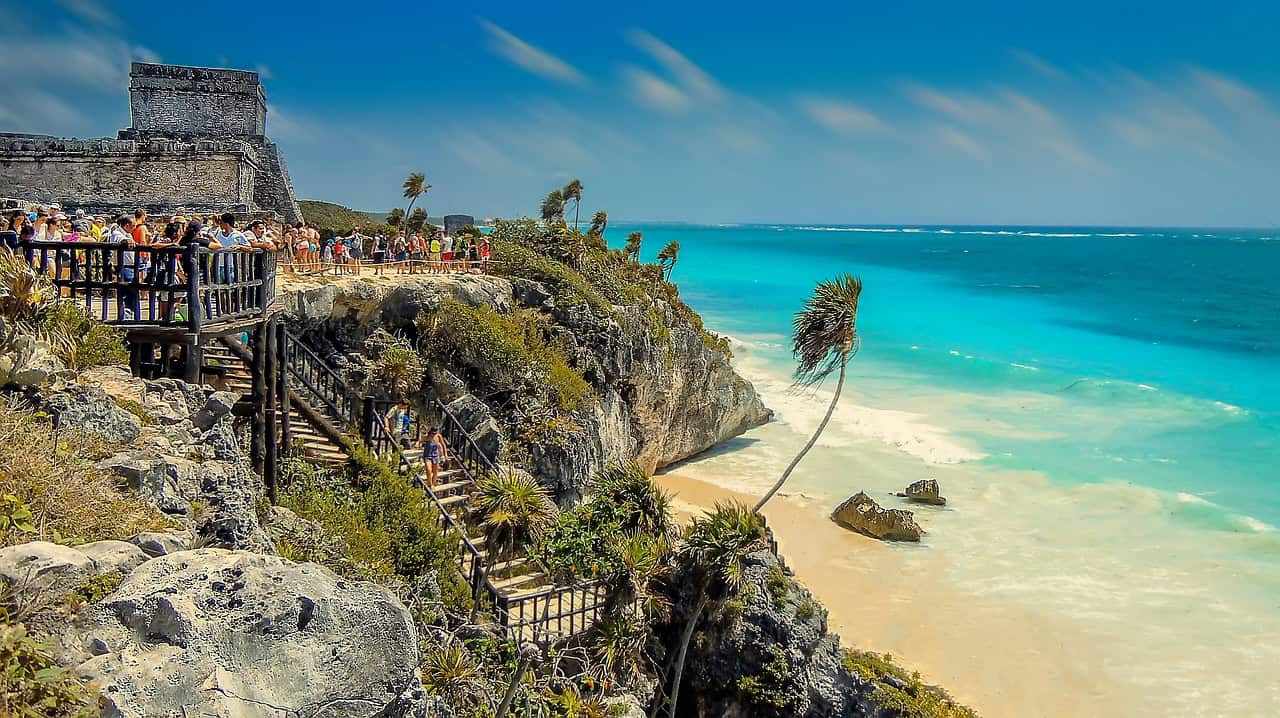
Social media frames the world in perfect light, empty viewpoints, flawless sunsets, and serene streets. Yet many of the planet’s most photographed destinations handle millions of visitors each year, turning once-peaceful settings into tightly managed attractions. These places remain culturally and visually significant, but the experience on the ground can feel very different from the filtered version online. Below is a balanced, data-backed look at 12 viral destinations where reality often contrasts sharply with expectation.
1. Santorini, Greece
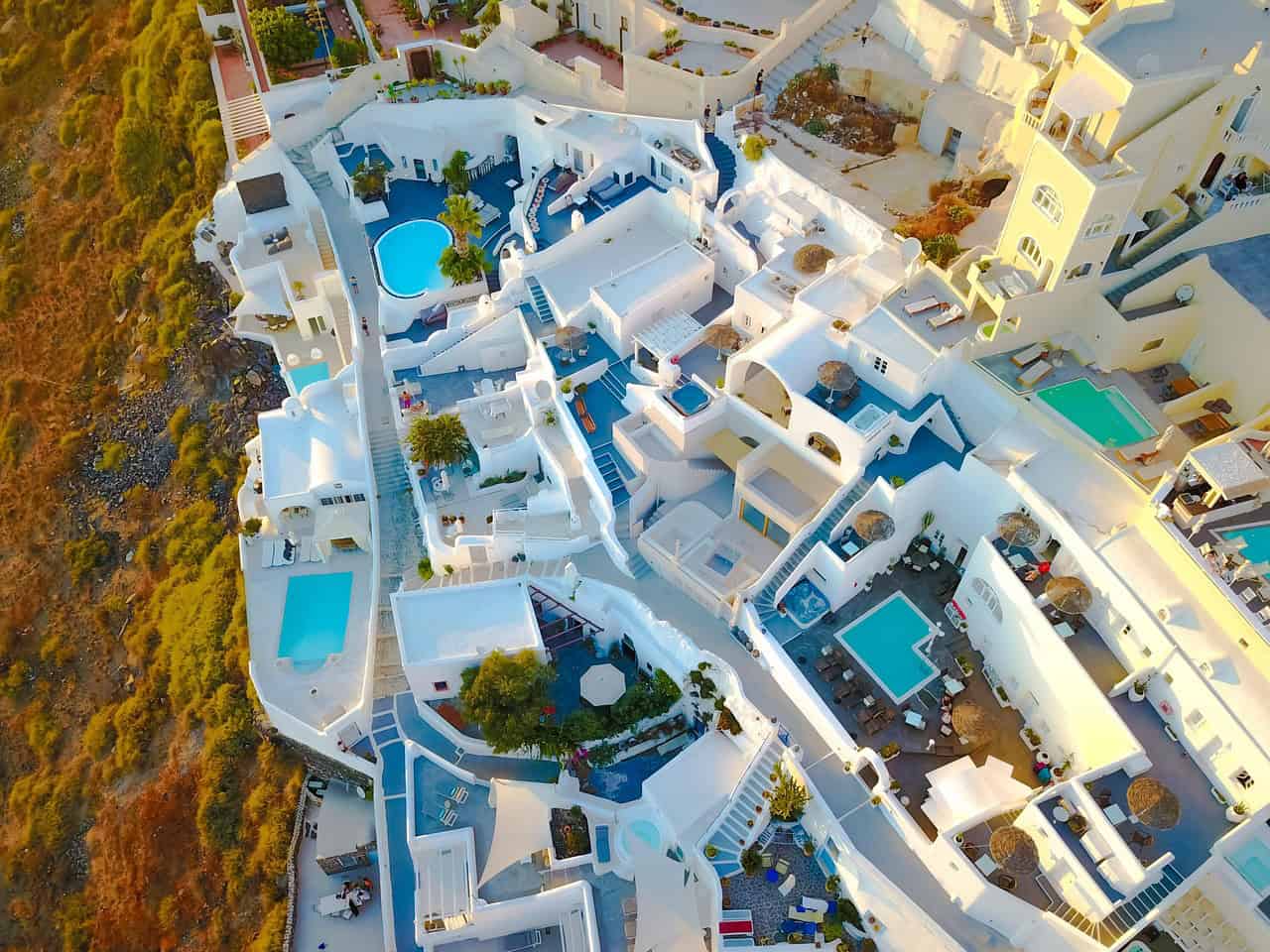
Santorini receives over 2 million tourists annually, while fewer than 16,000 residents live there year-round. In peak summer, multiple cruise ships can deliver more than 8,000 visitors in a single day, crowding Oia’s narrow cliffside lanes.
Caldera-view hotels frequently exceed $500 per night, with luxury suites topping $1,000. Sunset viewpoints fill up to 90 minutes early. The iconic blue-domed churches are mostly private. The scenery is stunning, but peak-hour congestion often replaces the tranquility seen online.
2. Tulum, Mexico
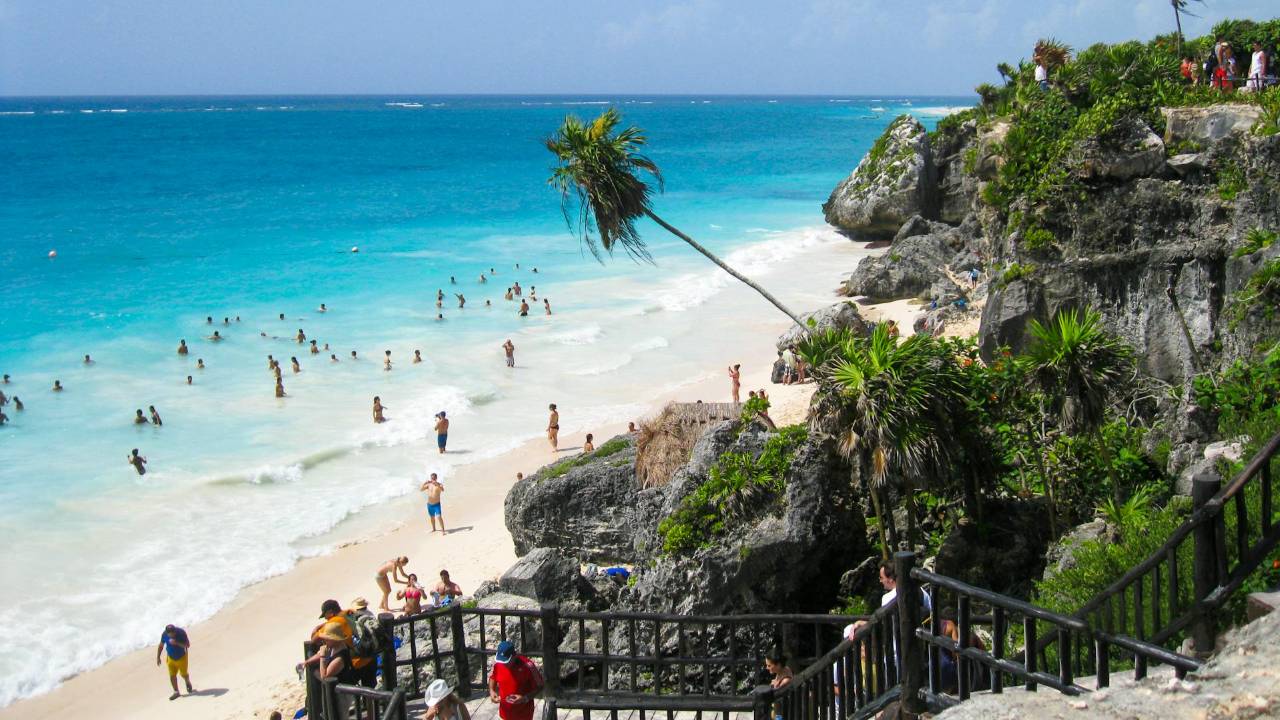
Tulum now attracts close to 2 million visitors yearly. Boutique beachfront hotels often range from $450 to $900 per night during high season, and popular beach clubs charge $75–$150 minimum spend per guest.
The single 5-mile coastal road frequently gridlocks after sunset. Seasonal seaweed can blanket beaches for weeks. Entry to the cliffside ruins costs about $6, yet midday temperatures regularly exceed 90°F. The visual appeal remains strong, though commercialization has reshaped the atmosphere.
3. Bali, Indonesia
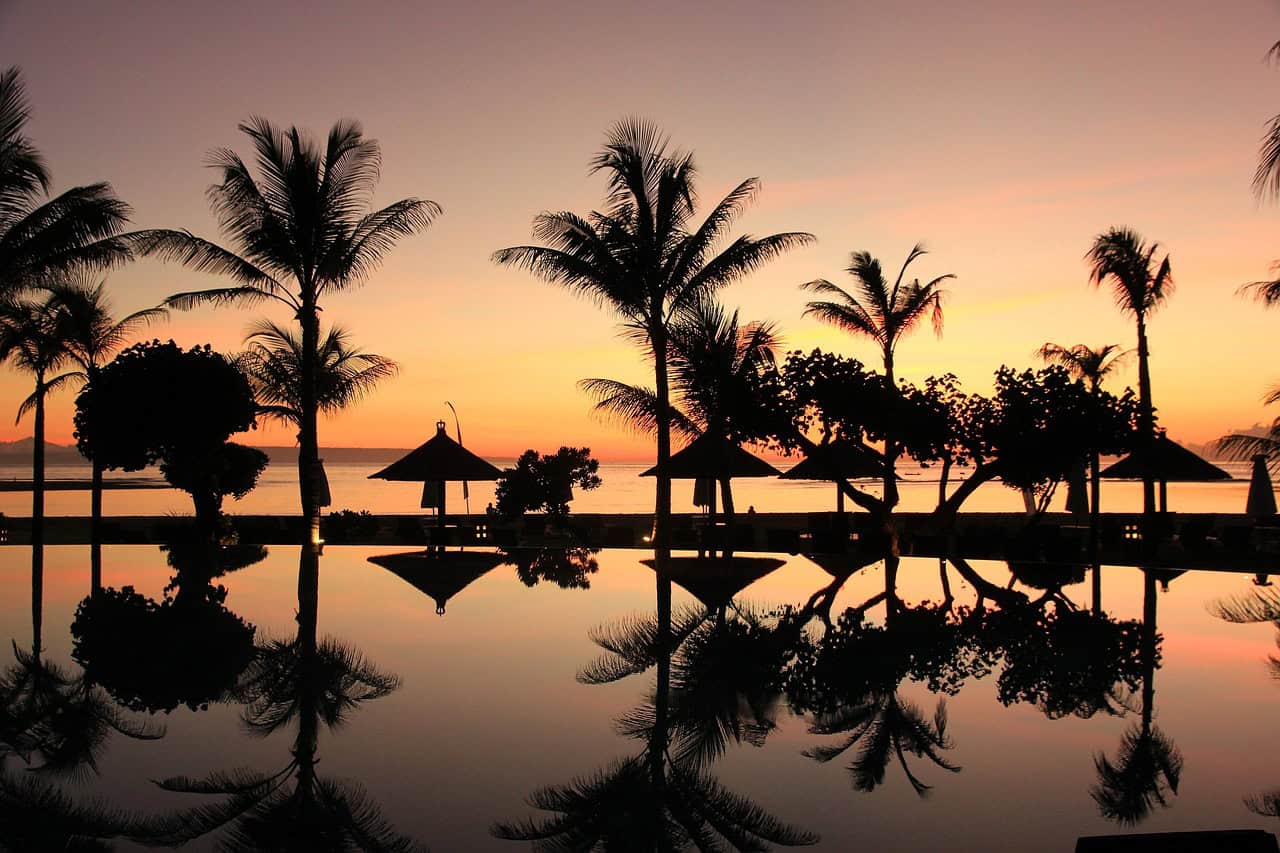
Bali has recorded more than 5 million international arrivals in strong tourism years. While local meals cost under $10, influencer-favored villas regularly exceed $400 per night.
At Lempuyang Temple, photo waits for the “Gates of Heaven” can surpass 2 hours. The famous reflection effect is created using a mirror, surprising some visitors. Traffic near Ubud can stretch a 7-mile drive into an hour-long journey. The island’s culture thrives beyond the curated hotspots.
4. Machu Picchu, Peru
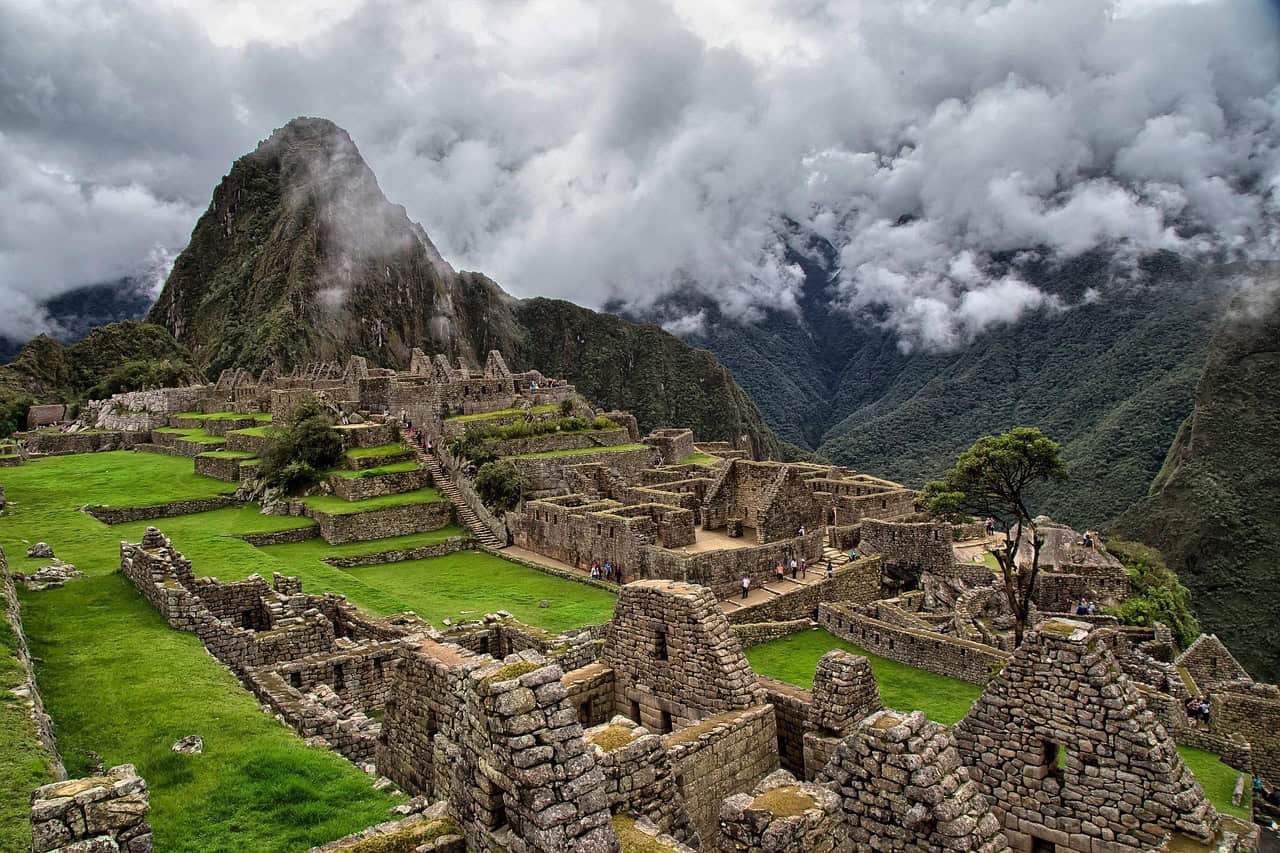
Machu Picchu limits entries to about 4,500 visitors per day. Tickets cost roughly $50, while round-trip train fares from Cusco range between $140 and $300. Reservations often sell out weeks ahead.
Located at 7,970 feet above sea level, altitude fatigue is common. Visitors must follow timed circuits lasting 2–4 hours. Guides typically cost $30 per group. The ruins remain extraordinary, though strict scheduling shapes the visit more than solitude.
5. Paris, France (Eiffel Tower District)
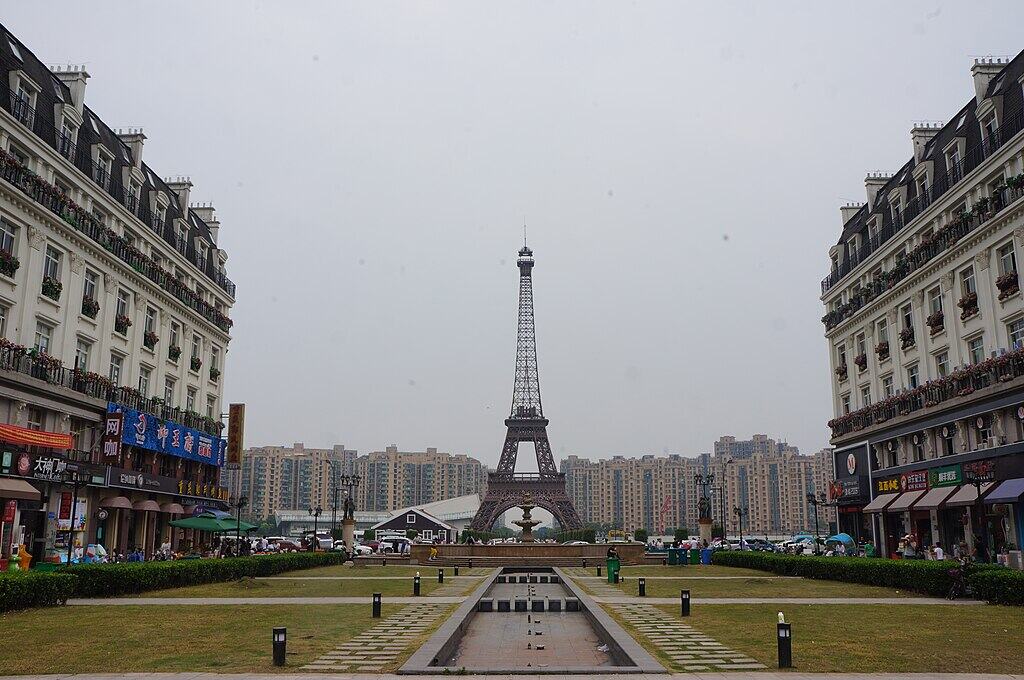
Paris welcomes nearly 30 million tourists annually. Around the Eiffel Tower, daily visitor numbers can exceed 20,000 in summer. Summit access costs about $30 and often sells out.
Nearby restaurants price entrées between $30 and $50. Pickpocketing reports cluster in crowded areas. Lines without advance tickets can surpass 2 hours. The landmark remains iconic, yet the surrounding buzz feels far busier than the peaceful picnic scenes often portrayed.
6. Venice, Italy
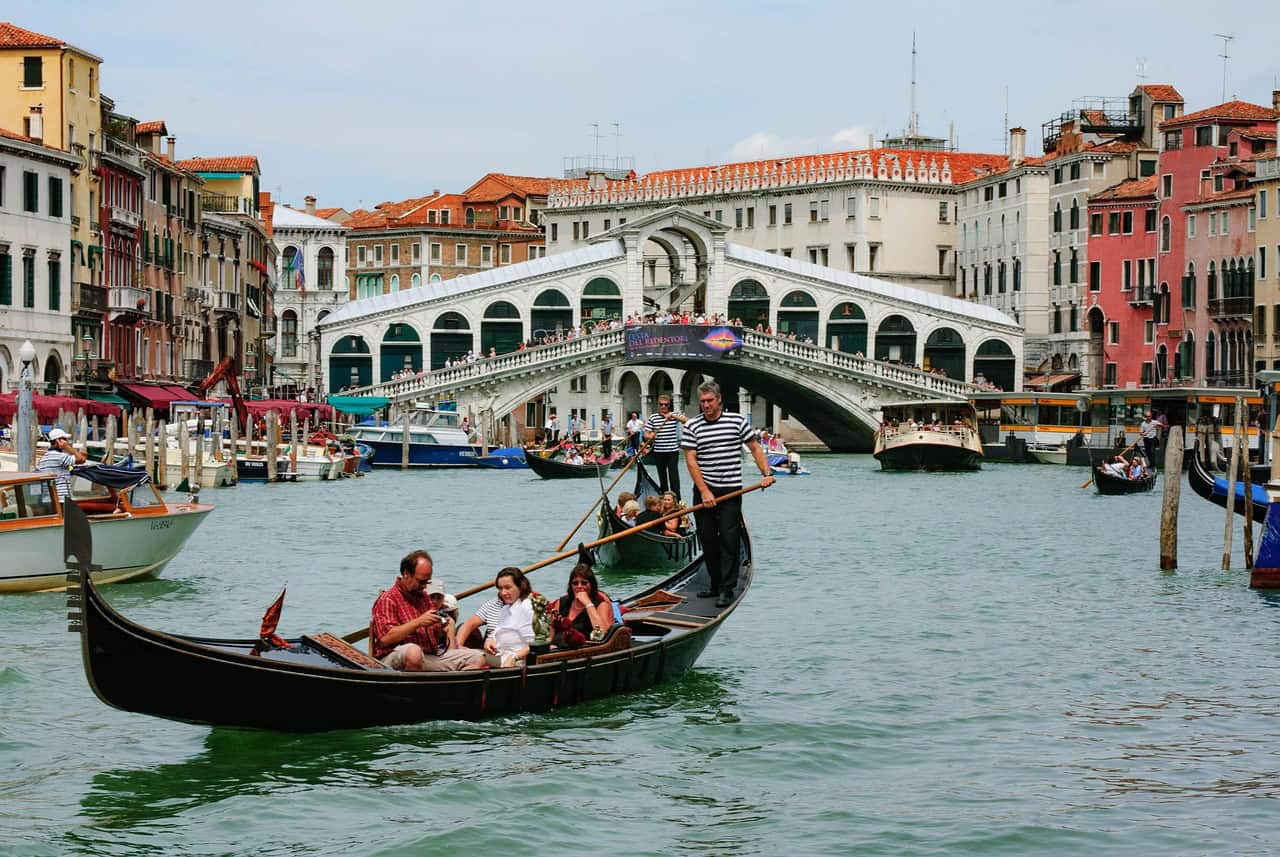
Venice sees around 20 million visitors yearly, despite having fewer than 50,000 residents in its historic center. On heavy cruise days, tourists can outnumber locals by 5 to 1.
A 30-minute gondola ride costs approximately $90 per boat. Peak-season hotels often exceed $350 nightly. Near St. Mark’s Square, walkways become densely packed between late morning and mid-afternoon. Early hours offer calm, but congestion dominates much of the year.
7. Banff National Park, Canada
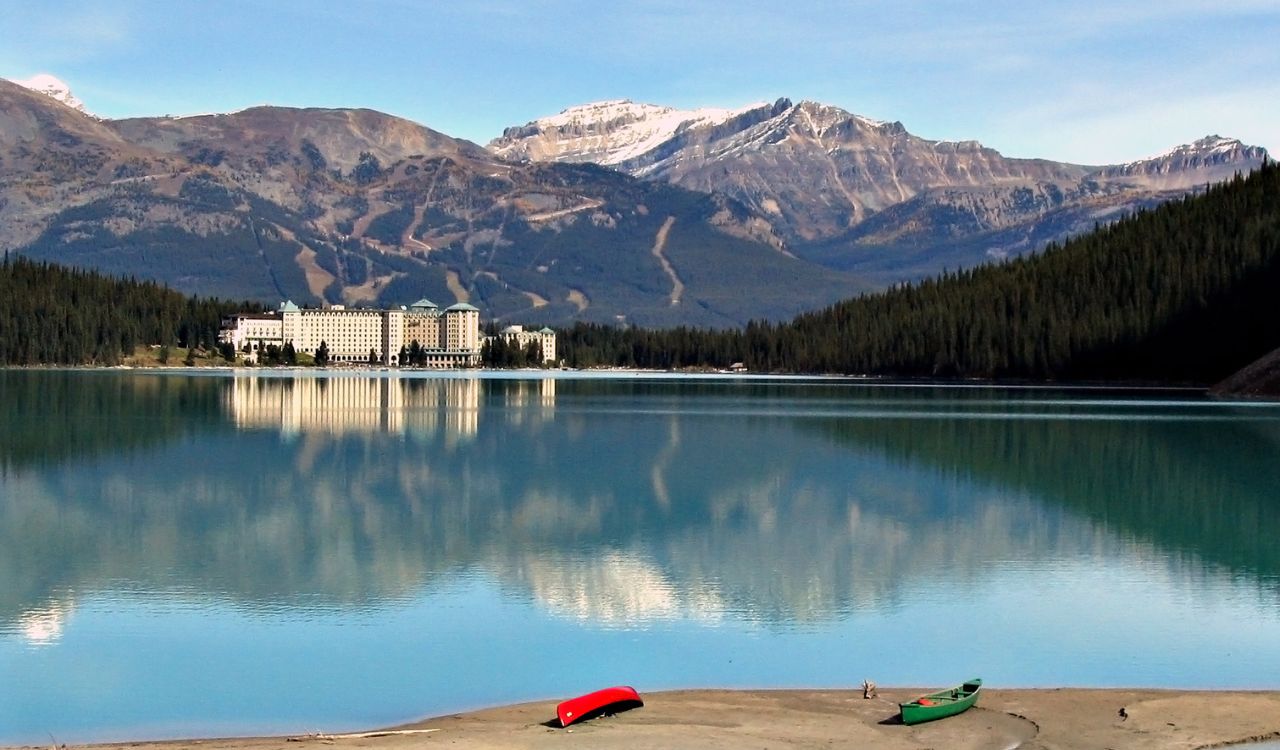
Banff National Park spans 2,564 square miles and draws roughly 4 million visitors annually. Lake Louise parking typically fills before 8 a.m. during July and August.
A daily park pass costs about $8 per adult, while shuttle tickets range from $6 to $10. Peak-season lodging often exceeds $400 per night. The alpine scenery is remarkable, yet popular lakeside boardwalks can feel crowded rather than secluded.
8. Blue Lagoon, Iceland
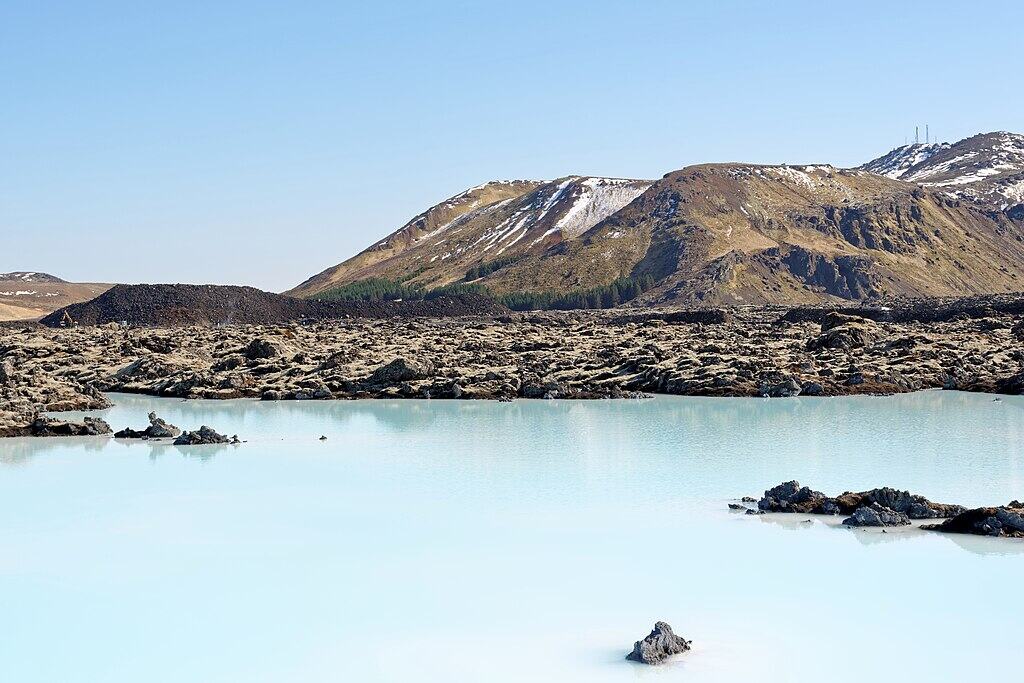
Blue Lagoon charges between $65 and $120 per person, depending on package tier. Premium upgrades can push totals beyond $150. Reservations are mandatory and often sell out in advance.
Located about 12 miles from Keflavík Airport, the lagoon welcomes hundreds daily. The milky-blue water is man-made and geothermally heated. While relaxing, peak hours between 10 a.m. and 3 p.m. can feel lively rather than tranquil.
9. Dubrovnik, Croatia
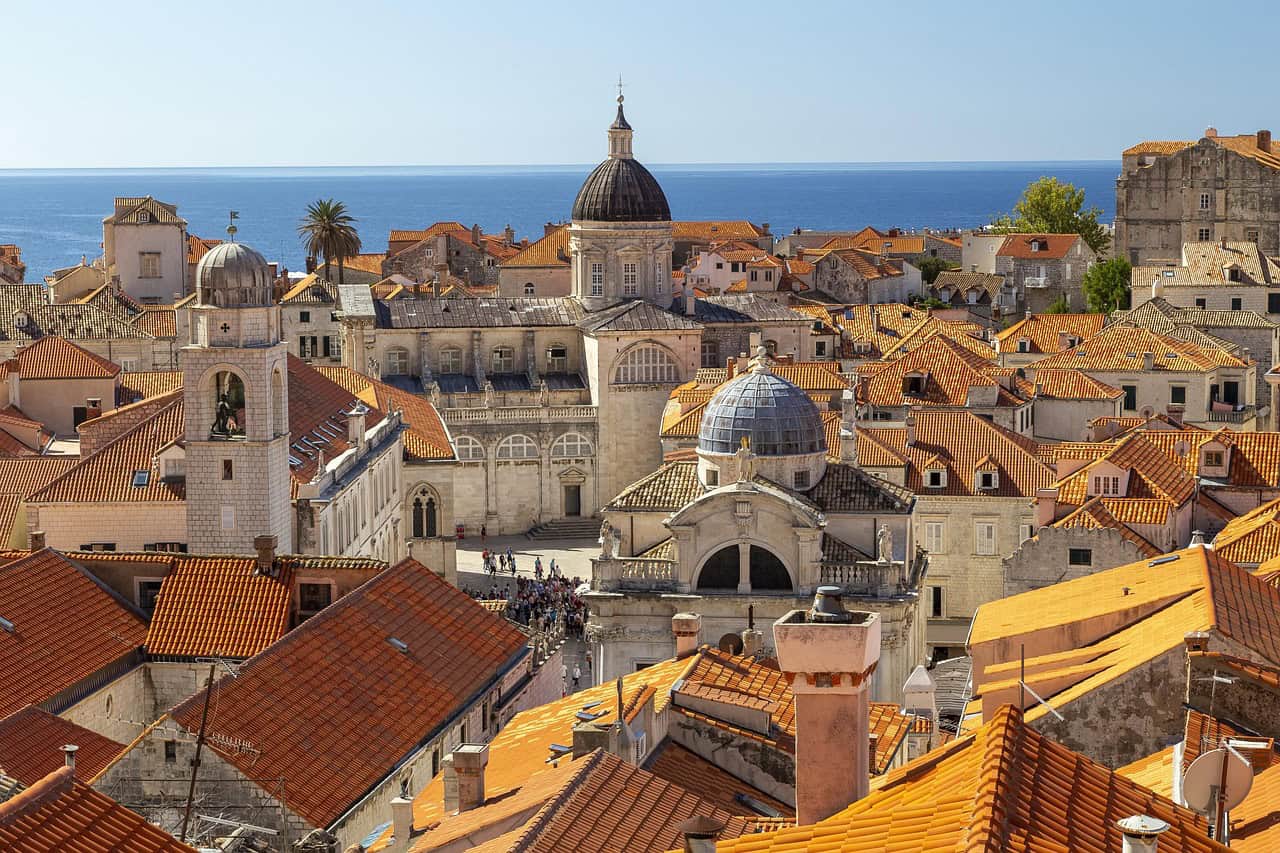
Dubrovnik attracts over 1.5 million visitors annually. Cruise arrivals can bring 6,000 passengers into the Old Town within a few hours.
Walking the medieval walls costs roughly $38 per adult. The 1.2-mile circuit offers minimal shade, and summer temperatures frequently exceed 86°F. Restaurants inside the walls often charge $25–$45 per main course. The architecture shines at sunset, though daytime crowds are substantial.
10. Hollywood Walk of Fame, USA
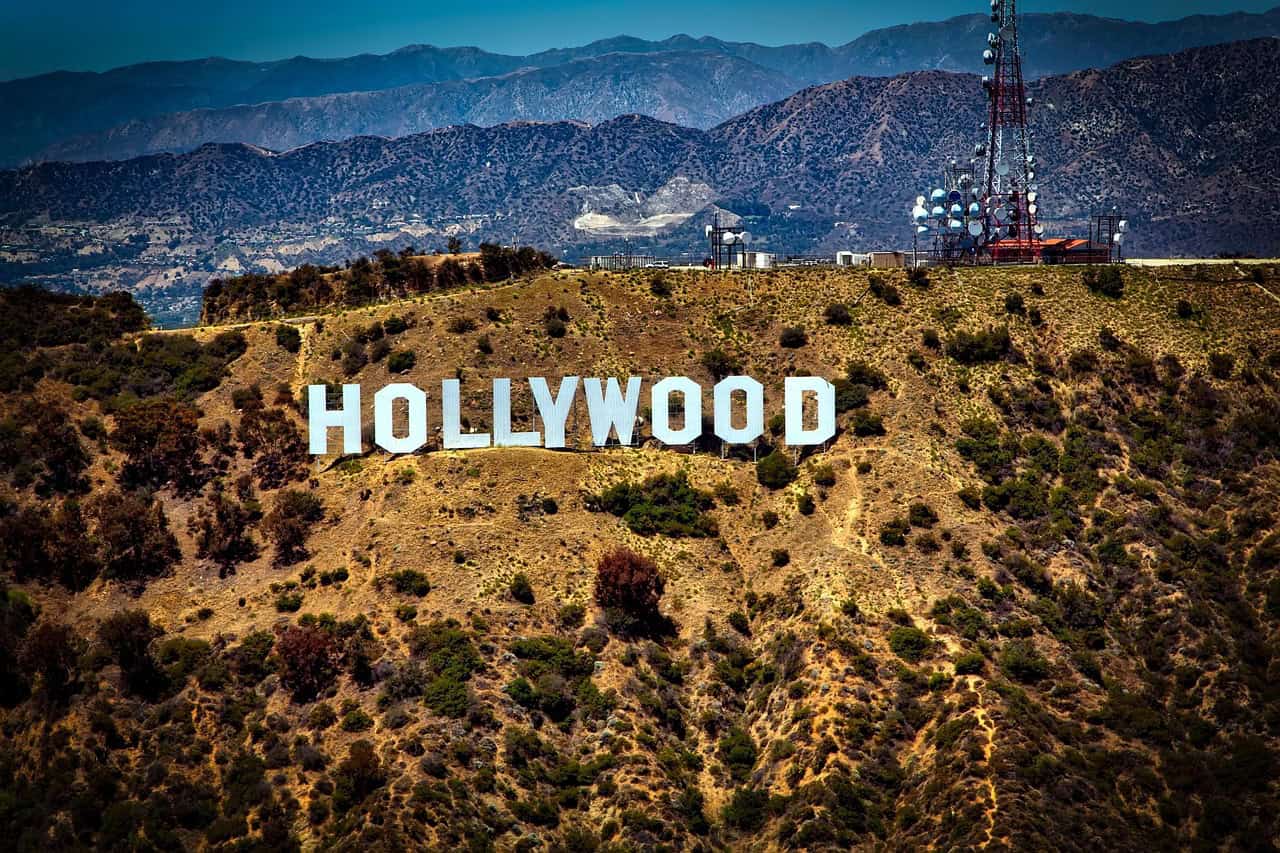
Hollywood Walk of Fame stretches 1.3 miles and features over 2,700 brass stars. Thousands visit daily, especially on weekends.
Parking nearby typically costs $20–$40 for a few hours. Street performers request tips ranging from $10 to $20 for photos. The surrounding area experiences heavy traffic and visible wear. While culturally notable, the environment feels more urban than glamorous.
11. Taj Mahal, India
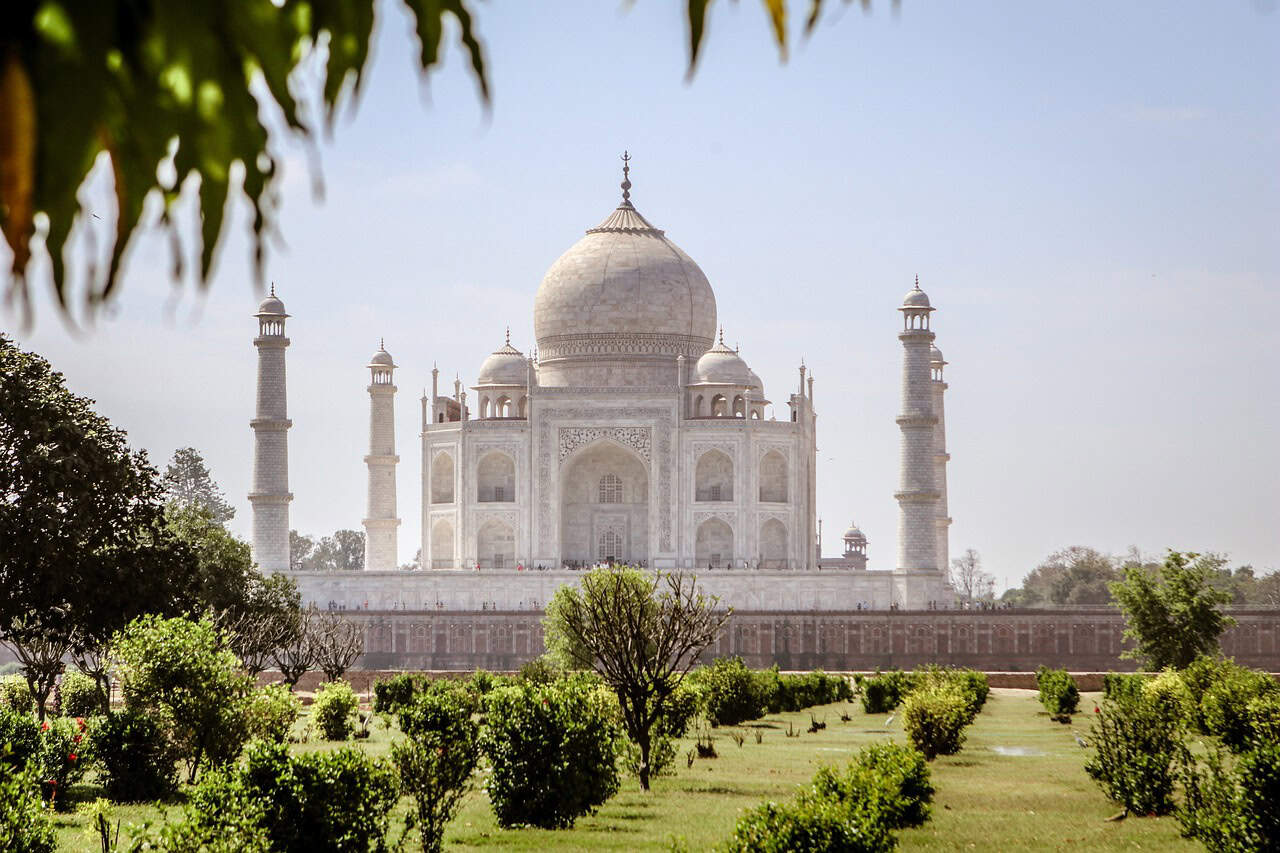
Taj Mahal receives between 7 and 8 million visitors annually. Foreign entry costs around $13, with a small extra fee for interior access.
Security lines during peak months can last 30–60 minutes. Sunrise entry begins near 6 a.m., offering about an hour of lighter crowds. Air quality can occasionally soften visibility. The monument remains magnificent, yet crowd density defines much of the daytime experience.
12. Roy’s Peak, New Zealand
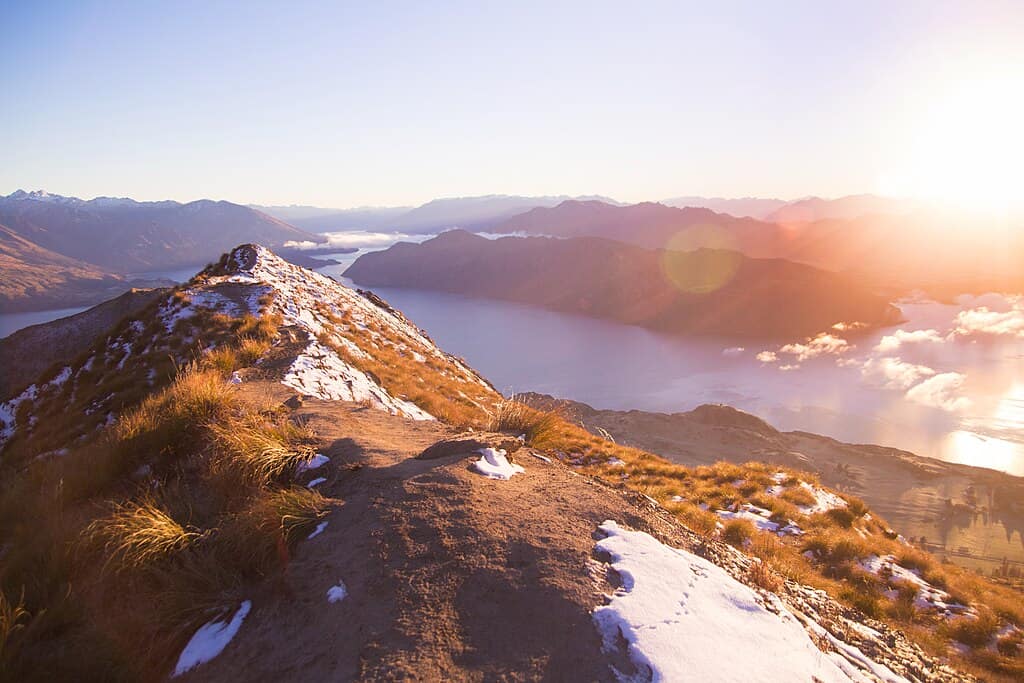
Roy’s Peak involves a 10-mile round-trip hike with nearly 3,900 feet of elevation gain. During peak season, hundreds begin the climb before sunrise.
The trek takes roughly 5–7 hours total and offers little shade. Wind speeds near the summit ridge can exceed 25 mph. Parking fills before 5 a.m. The panorama over Lake Wānaka is sweeping, though photo queues are common at the iconic viewpoint bend.