I Checked Into 34 Budget Hotels Across the US — These Are the 8 Red Flags I Now Walk Out On
We may earn money or products from the companies mentioned in this post. This means if you click on the link and purchase the item, I will receive a small commission at no extra cost to you ... you're just helping re-supply our family's travel fund.
I’ve spent more nights than I want to count in budget hotels across the United States. Motels off interstates, city hotels listed under $80 on booking platforms, roadside spots with parking lots that tell a story. Most were fine. A handful were genuinely good. But eight times, I walked in the door and immediately knew I needed to leave — and each time, the warning signs were visible within the first two minutes.
Why Budget Hotels Fail — and How to Spot It Before You Unpack
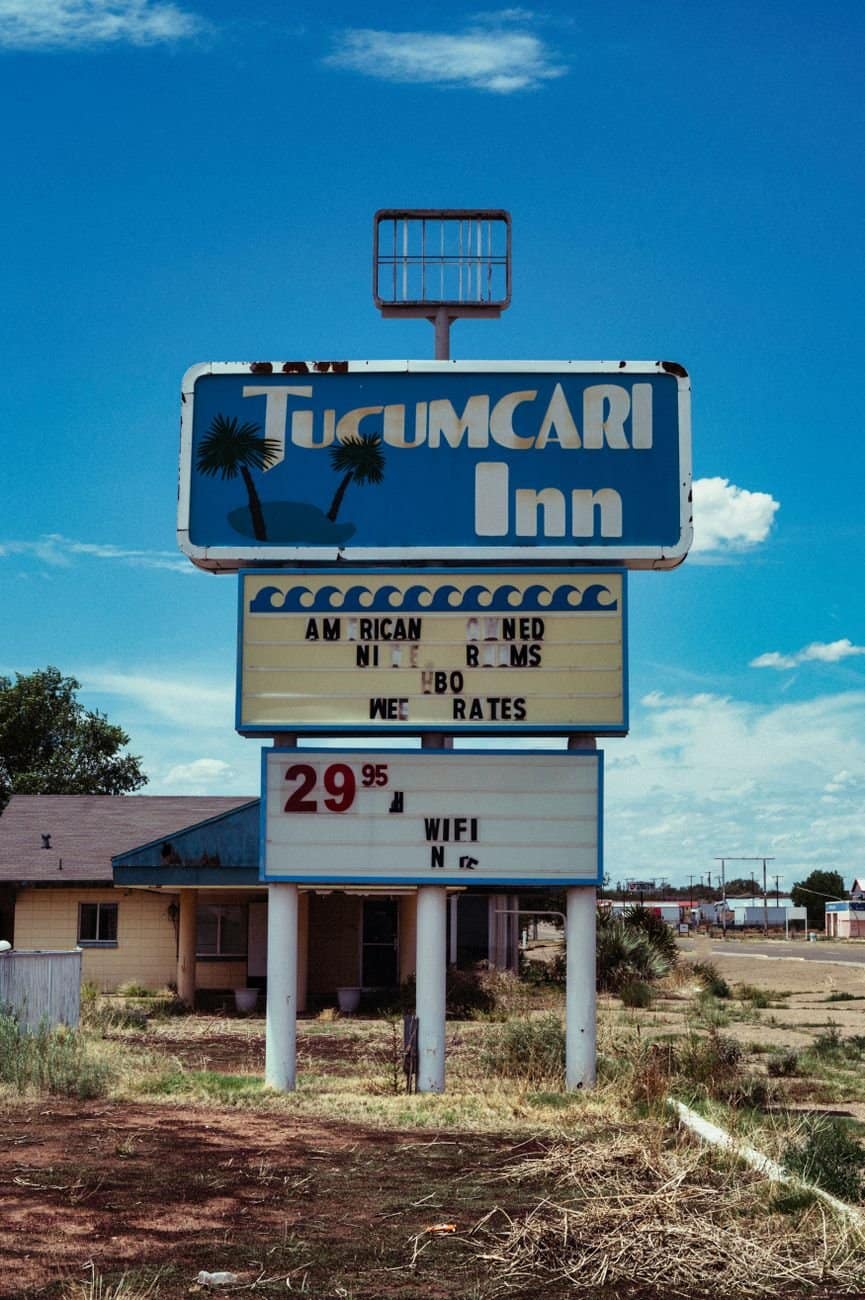
Budget hotels fail in predictable ways. The physical signs — stains, broken fixtures, strange smells — are the obvious ones. But some of the most reliable red flags are behavioral: how the front desk staff acts, how the property handles reviews online, what the parking lot looks like at 9 PM. These are the eight that I’ve learned to trust absolutely.
Red Flag 1: Cigarette Smell in a Non-Smoking Room
Hotels can clean surfaces. They cannot fully remove smoke odor from carpets, curtains, and HVAC systems. If a non-smoking room smells like cigarettes — even faintly — it means the property has either had smokers in the room and done inadequate remediation, or the hotel doesn’t enforce its own smoking policy. Either way, that smell signals that room standards aren’t being maintained. Leave.
Red Flag 2: The Door Lock Feels Wrong
Test your door lock the moment you enter. It should feel solid and engage cleanly. If the card reader hesitates, if the deadbolt requires effort to throw, or if there’s visible damage around the lock plate, ask for a different room immediately. A compromised lock is a property maintenance failure — and it means the room hasn’t been properly inspected in a while.
Red Flag 3: Reviews That All Sound Like Corporate Templates
Before booking, read the five-star reviews, not just the one-stars. If the positive reviews all say things like “Great value, clean room, friendly staff” with no specific detail, you’re likely looking at either incentivized reviews or review gating — where management only encourages reviews from guests who express satisfaction. Real positive reviews mention specific staff names, actual meals, specific room numbers. Generic positives are a warning sign.
Red Flag 4: The Front Desk Can’t Tell You What Year They Last Renovated
I started asking this question about three years ago. It takes five seconds and tells you everything. Staff at well-run properties know when the last renovation happened because they’re proud of it or use it as a selling point. Staff at neglected properties either don’t know or give a number that doesn’t match what you’re seeing. If the answer is hesitation or something vague like “oh, a few years back,” trust your eyes over their answer.
Red Flag 5: Bathtub Caulk Condition
Bathroom caulk tells you everything about a hotel’s maintenance cycle. Black or pink mold in caulk lines means moisture problems that were either ignored or cleaned superficially. Pulling or missing caulk means the room hasn’t had a proper deep clean in months. This is not a cosmetic issue — mold in bathroom caulk can aggravate respiratory conditions and is evidence of a systemic housekeeping failure.
Red Flag 6: No One at the Front Desk at 10 PM
Budget hotels sometimes staff the front desk on a skeleton crew at night, which is understandable. But if you walk in after 10 PM and there is genuinely no one present and no way to reach staff — no phone number posted, no bell, no intercom — that’s a safety issue. If you have a problem at 2 AM, you need to be able to reach someone. Properties that can’t provide that shouldn’t have your business.
Red Flag 7: Photos on the Booking Site Are More Than 3 Years Old
Most booking platforms show the upload date for property photos if you look for it. On Booking.com, photo dates are visible if you hover. On Expedia, you can sometimes see this in source metadata. If a property’s main photos are from 2020 or earlier and the property looks unchanged in Street View, you’re probably seeing photos from before whatever decline led to the current low prices. New photos mean a property is actively managing its presentation — and usually its condition.
Red Flag 8: The Parking Lot Has Permanent-Looking Vehicles
This one sounds odd but it’s never once failed me. If the parking lot has cars with expired tags, cars with visible damage and no apparent owner concern, or the same cars in the same spots every time you check — on arrival, at night, and in the morning — the hotel is functioning partly or largely as extended-stay housing. That’s not inherently dangerous, but it means the property is operating under different norms than a travel hotel. Security, cleanliness standards, and guest behavior norms shift in that context.
What to Do When You Spot These Signs
- Ask to see the room before providing payment — legitimate budget hotels allow this
- If you’ve already paid through a third-party site, document the condition immediately with photos and timestamps
- Credit card chargebacks for materially misrepresented accommodations are a legitimate tool — use them
- Keep a list of backup hotels in the area before you arrive — never arrive without a plan B
- Leave a factual, specific review — not emotional, just what you found — so the next traveler has accurate information
Budget travel doesn’t require accepting bad conditions. It requires knowing the difference between a property that’s inexpensive and one that’s actually neglected. These eight signals make that distinction reliably and fast.