The Absolute Best Thing to Do in Every State (According to People Who Live There)
We may earn money or products from the companies mentioned in this post. This means if you click on the link and purchase the item, I will receive a small commission at no extra cost to you ... you're just helping re-supply our family's travel fund.
Tourist lists and locals lists almost never agree.
The tourist list for any state leads with the things that have the most parking. The locals list leads with the things that require you to know someone, drive an unmarked road, or show up at the right time of year.
This is the locals list.
Why Locals Always Know Better Than the Guidebooks
Guidebooks and TripAdvisor rankings have a structural problem: they optimize for what’s easiest to photograph, easiest to describe, and easiest to reach. They do not optimize for what’s actually the best experience.
- The most photographed thing in a state is almost never the most memorable thing to do there
- Locals return to the same places year after year because those places are genuinely excellent — not because they got a good review in 2019
- Off-season and early-morning access to local favorites is almost always unrestricted
- A local recommendation comes with context: the right time of day, the right parking spot, the right season, the thing to order
Use this list as a starting point. Then when you get there, ask a local to refine it.
The Northeast: Experiences That Require a Local to Find
Maine — Paddle the Allagash Wilderness Waterway
— 92 miles of canoe route through some of the most remote forest in the eastern U.S. No roads. No electricity. Just lakes, rivers, and old-growth timber. Most Mainers consider this the truest experience the state offers. Requires planning and a shuttle but no special skills.Vermont — Swim a Swimming Hole
— Vermont’s swimming holes — Warren Falls, Hamilton Falls, Pikes Falls — are locals-only knowledge passed down through families. None are on official maps. All are stunning. Ask at any general store in any small Vermont town and you’ll get directions.New Hampshire — Hike the Presidential Traverse
— A 23-mile ridge traverse across the Presidential Range including Mount Washington. One of the most demanding single-day hikes in the Northeast and one of the most rewarding. Most visitors drive or take the cog railway to Washington’s summit. Walking it is completely different.Massachusetts — Eat Fried Clams in Essex
— Not just fried clams. Whole-belly fried clams from Woodman’s of Essex, which invented them in 1916. The difference between whole-belly clams and clam strips is the difference between a real experience and a tourist approximation. Essex is 40 minutes from Boston.Rhode Island — Watch a Sunset from Beavertail
— Beavertail State Park on Conanicut Island has the best ocean-facing sunset view in New England and almost no visitors compared to the Newport Cliff Walk nearby. The lighthouse has been guiding ships since 1749.Connecticut — Kayak the Thimble Islands
— A cluster of 365 granite islands in Long Island Sound off Branford. Most can only be accessed by water. Kayak rentals are available in Stony Creek. The islands were once a pirate stronghold and have been vacation retreats for wealthy New Yorkers since the 1800s.New York — Hike the Adirondack High Peaks
— New York has 46 peaks over 4,000 feet. The 46ers are the people who’ve climbed all of them — a decades-long community tradition. Even just one High Peak hike (Cascade and Porter are the easiest) reveals a wilderness that most New Yorkers have never seen.New Jersey — Visit Island Beach State Park at Dawn
— One of the last undeveloped barrier islands on the Eastern Seaboard. At dawn in spring and fall, the bird migration along the Atlantic Flyway makes this one of the best birding spots in the country. The beach itself is one of the cleanest in the state.Pennsylvania — Float the Delaware River
— A two-day canoe or tube trip from the Delaware Water Gap National Recreation Area. Campsites along the river, no motor boats, and a stretch of river that looks exactly as it did when Washington crossed it on Christmas night 1776.Maryland — Eat a Steamed Crab at a Picnic Table
— Not from a restaurant. From a steamed crab carry-out place — LP Steamers in South Baltimore or Bay Ridge Crab Hut in Annapolis — with newspaper on the table, a wooden mallet, and a pitcher of National Bohemian beer. This is the Maryland experience and nothing substitutes for it.Delaware — Watch the Horseshoe Crab Spawning
— Every May and June, hundreds of thousands of horseshoe crabs come ashore at Delaware Bay beaches to spawn. One of the oldest natural events on earth — horseshoe crabs have been doing this for 450 million years. Pickering Beach and Prime Hook National Wildlife Refuge are the best viewing spots. Completely free, completely surreal.
The South: Where the Best Experiences Aren’t on Any Map
Virginia — Float the James River Through Richmond
— An urban whitewater river running through the middle of a major city. Class III–IV rapids accessible from city parks. Rent a tube for the flat sections or a kayak for the rapids. No other major American city has anything remotely like it.North Carolina — Drive the Back Side of the Blue Ridge
— The BRP gets all the attention. Highway 181 south of Morganton climbs into the Linville Gorge Wilderness on roads so steep and winding that Google Maps adds disclaimers. The views over the gorge are arguably better than anything on the Parkway itself.South Carolina — Kayak the ACE Basin
— 350,000 acres of tidal creeks, salt marshes, and blackwater rivers between Charleston and Beaufort. One of the largest undeveloped estuaries on the East Coast. Alligators, bald eagles, wood storks, and complete silence. Several outfitters in Beaufort run guided paddles.Georgia — Hike Blood Mountain on the Appalachian Trail
— The highest point on the AT in Georgia, accessible from the Vogel State Park side on a 6-mile round trip. Rocky summit with 360-degree views. The surrounding Chattahoochee National Forest turns electric in October.Florida — Snorkel Crystal River
— Manatees congregate in the warm springs of Crystal River during winter months (November through March) in numbers that rival nowhere else in Florida. Guided snorkel tours are the ethical way to see them — you float, they approach you. One of the great wildlife encounters in North America.Alabama — Visit Little River Canyon
— Alabama’s version of the Grand Canyon, carved by the only river in the U.S. that runs its entire length atop a mountain (Lookout Mountain). Canyon Mouth Park has swimming, the falls are spectacular in spring, and almost no one outside Alabama has heard of it.Mississippi — Drive the Natchez Trace at Dusk
— Already mentioned in the road trip piece, but locals specify: dusk, when deer come to the road edges and the light through the trees turns golden. The Trace is 444 miles of the most peaceful driving in America and it’s free.Louisiana — Take a Swamp Tour From a Small Outfitter
— Not the big Airboat tours from New Orleans. Drive to Breaux Bridge or Henderson and find a local guide with a flat-bottom boat. Cypress trees, Spanish moss, blue herons, and alligators close enough to touch. The difference between a corporate tour and a local guide is the difference between a zoo and the wild.Tennessee — Hike to Alum Cave Bluffs in the Smokies
— A 4.4-mile round trip trail in Great Smoky Mountains NP that’s less crowded than the top picks but has better geological formations: a curved rock overhang 100 feet tall dripping with minerals. The crowds thin after the first mile.Kentucky — Visit Red River Gorge at Sunset
— Natural arches, cliffs for rock climbing, and the hemlock-shaded Red River running below. The Sky Bridge arch at sunset turns orange-pink and looks like a painting. One of the great outdoor experiences east of the Rockies that almost nobody outside Kentucky knows about.Arkansas — Float Buffalo National River
— The first national river in the U.S., preserved in 1972. Canoeing the upper Buffalo through limestone bluffs is one of the premier float trips in the South. The water is clear enough to see the bottom at 15 feet. Spring is peak flow; summer is gentler.West Virginia — Whitewater Raft the New River Gorge
— The New River Gorge National Park has the best whitewater in the eastern U.S. Class III–V rapids depending on section and water level. The gorge itself — 1,000 feet deep — rivals anything in the West. ACE Adventure Resort near Oak Hill is the best outfitter.
The Midwest: The Activities That Will Change Your Mind About the Region

Ohio — Explore Hocking Hills at Night
— The sandstone caves and gorges of Hocking Hills State Park — Old Man’s Cave, Ash Cave, Conkle’s Hollow — are extraordinary in daylight. At night, with a headlamp, they’re genuinely otherworldly. The park is open 24 hours and the night experience is almost entirely free of crowds.Indiana — Visit the Indiana Dunes
— Lake Michigan dunes up to 200 feet high, a National Park since 2019, and still wildly undervisited relative to its proximity to Chicago. The Three Dunes Challenge — climb three dunes back-to-back — is brutal and worth it. The view from Mt. Baldy is one of the great surprise landscapes in the Midwest.Illinois — Canoe the Cache River
— Southern Illinois has a bottomland swamp ecosystem more reminiscent of Louisiana than the Midwest. Ancient bald cypress trees over 1,000 years old stand in still black water. Canoe rentals available. Population of Illinois that has visited: estimated 2%.Michigan — Watch a Sunrise Over Lake Superior From the Pictured Rocks
— The Pictured Rocks National Lakeshore on the Upper Peninsula: 40 miles of multi-colored sandstone cliffs dropping directly into Lake Superior. Kayaking the cliffs is the definitive experience. A sunrise from Chapel Rock — after camping overnight — is the experience locals describe as life-changing.Wisconsin — Canoe the Boundary Waters
— Technically Minnesota, but Wisconsin’s gateway to the BWCA through the Northwoods is worth noting. A million-acre wilderness of lakes connected by portage trails, with strict permit limits that ensure genuine solitude. One of the last true wilderness experiences in the lower 48.Minnesota — Boundary Waters Canoe Area Wilderness
— Listed as Wisconsin’s recommendation above because it genuinely merits both. The BWCA: over 1,000 lakes, no motors, no roads, no Wi-Fi. Permits are required and limited. The silence is absolute. It is the closest thing to true wilderness remaining east of the Rockies.Iowa — Canoe the Upper Iowa River
— A clear-water limestone river cutting through the Driftless bluffs of northeast Iowa. Multi-day canoe trips with primitive camping. Eagle sightings are common. It looks nothing like what people picture Iowa looking like and that is precisely the point.Missouri — Explore the Current River
— The Ozark National Scenic Riverways protects 134 miles of spring-fed river. Float it in a canoe or inner tube. The water emerges from massive springs at a constant 58°F and is so clear you can read a book through 10 feet of it.Kansas — Visit the Tallgrass Prairie National Preserve at Dusk
— One of the last significant tallgrass prairie ecosystems on earth. 11,000 acres of grassland that once covered 170 million acres of North America. At dusk, bison silhouettes against the sunset sky over unbroken grass to the horizon is an image that recalibrates your sense of what America looked like.Nebraska — Watch the Sandhill Crane Migration at Sunrise
— Every March, 500,000+ sandhill cranes — 80% of the world population — concentrate along a 60-mile stretch of the Platte River near Kearney, Nebraska. The predawn sound of half a million birds waking up is described by everyone who’s heard it as one of the most profound natural experiences of their lives. Free viewing at the Iain Nicolson Audubon Center.South Dakota — Hike the Notch Trail in Badlands
— A short, ladder-assisted trail into a canyon that ends at a dramatic overlook above the White River Valley. Most Badlands visitors stay in their cars. The Notch Trail takes 90 minutes and feels like a completely different park.North Dakota — Drive the Maah Daah Hey Trail in Theodore Roosevelt NP
— A 144-mile non-motorized trail through the North Dakota Badlands. Mountain biking on the trail is an emerging world-class destination among the cycling community. Horseback riding and hiking permitted. Zero crowds. Bison, wild horses, prairie dogs.
The Mountain West: Where the Locals Go When Tourists Aren’t Looking
Montana — Float the Smith River
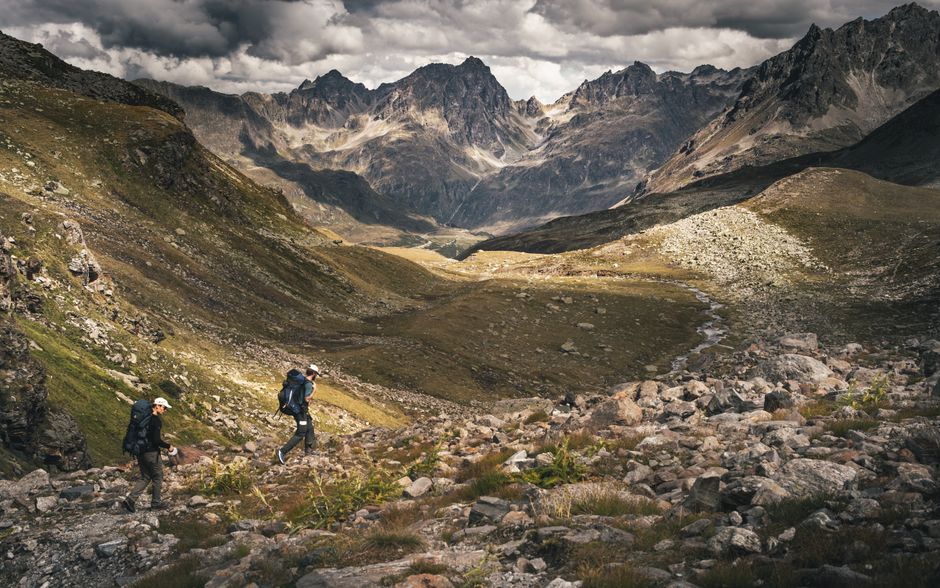
— A 59-mile permitted float through a limestone canyon with no road access. The only way in or out is by boat. Five days, primitive camping, canyon walls hundreds of feet high. Permit lottery opens in February and fills within hours. Worth applying for annually until you get it.Wyoming — Soak in Granite Hot Springs
— Not a commercial hot spring. A geothermal pool in the Bridger-Teton National Forest south of Jackson, accessible via a 10-mile gravel road. $8 fee. The pool sits at 6,800 feet surrounded by granite peaks. No resort, no service, no noise.Colorado — Mountain Bike Crested Butte
— Crested Butte is the birthplace of mountain biking and the trails remain among the most technical and spectacular in the U.S. The 401 Trail above the town — singletrack through wildflower meadows to 12,000-foot views — is consistently ranked among the top 10 mountain bike trails on earth.Utah — Canyoneer Zion Narrows Top-Down
— The crowds do the bottom-up Narrows walk from the temple. The locals and permit-holders do the full top-down: a 16-mile overnight technical canyoneering trip beginning in Zion Canyon Wilderness. Permit required. Entirely different experience than the tourist version.Idaho — Raft the Middle Fork of the Salmon
— Widely considered the greatest whitewater river trip in the lower 48. 100 miles through the Frank Church-River of No Return Wilderness, the largest roadless area in the contiguous U.S. Class IV rapids. Hot springs. No roads in or out. Six days. One of the bucket list experiences of a lifetime.Nevada — Explore the Black Rock Desert at Sunrise
— The playa where Burning Man happens is a 400-square-mile dry lake bed in northern Nevada. Outside of Burning Man week, it is completely empty, completely silent, and completely flat to the horizon in every direction. Drive out at 4am and watch the sunrise from the center of nothing. It is one of the most singular landscapes on earth.Arizona — Hike the Wave
— A sandstone rock formation in the Vermilion Cliffs Wilderness on the Utah-Arizona border. Looks like a frozen ocean of red and orange swirls. 20 permits per day issued by lottery. Apply months in advance. The hike is 6 miles round-trip with no trail markings. When you get there, you will immediately understand why people enter the lottery for years to see it.New Mexico — Soak in Jemez Springs
— Hot springs along the Jemez River in a red rock canyon. Some commercial, some wild. The Jemez Mountains surrounding them — ponderosa pine, aspen groves, volcanic crater — make the drive as good as the destination. Bandelier National Monument is 30 minutes away.
The Pacific States: Locals’ Picks That Go Way Beyond the Obvious

California — Hike the Lost Coast
— A 25-mile backpacking route along the most remote coastline in California, where the King Range Mountains plunge directly into the Pacific Ocean without room for a road. Black sand beaches, tide timing required, zero cell service. The most dramatic coastal wilderness in the state and almost unknown outside California.Oregon — Stand-Up Paddleboard on Crater Lake
— Crater Lake is the deepest lake in the U.S. at 1,943 feet and the clearest. The water is an almost impossible shade of blue. SUP and kayak rentals are available at Cleetwood Cove. Paddling on a mirror-blue lake inside a volcanic caldera at 6,000 feet elevation is a genuinely transcendent experience.Washington — Backpack the Enchantments
— A permit-only overnight area in the Alpine Lakes Wilderness above Leavenworth. Mountain goats, turquoise lakes, granite peaks, and larches that turn gold in late September. The permit lottery for the Core Enchantments zone is among the most competitive in the national park system. Worth entering annually.Alaska — Take the Alaska Marine Highway From Bellingham to Juneau
— The state ferry system runs from Bellingham, WA through the Inside Passage to Southeast Alaska. Three-to-four day trip through fjords, islands, and whale habitat. Bring a tent and camp on the deck. One of the great slow travel experiences available to Americans that almost no Americans take.Hawaii — Snorkel Molokini at Dawn
— The crescent-shaped volcanic crater off Maui with 150-foot visibility underwater. The first boat of the day — 6am — has the crater to itself. By 10am, six boats are anchored and the fish have scattered. Go first, go early, go once, remember forever.
How to Find the Real Local Recommendations Wherever You Go
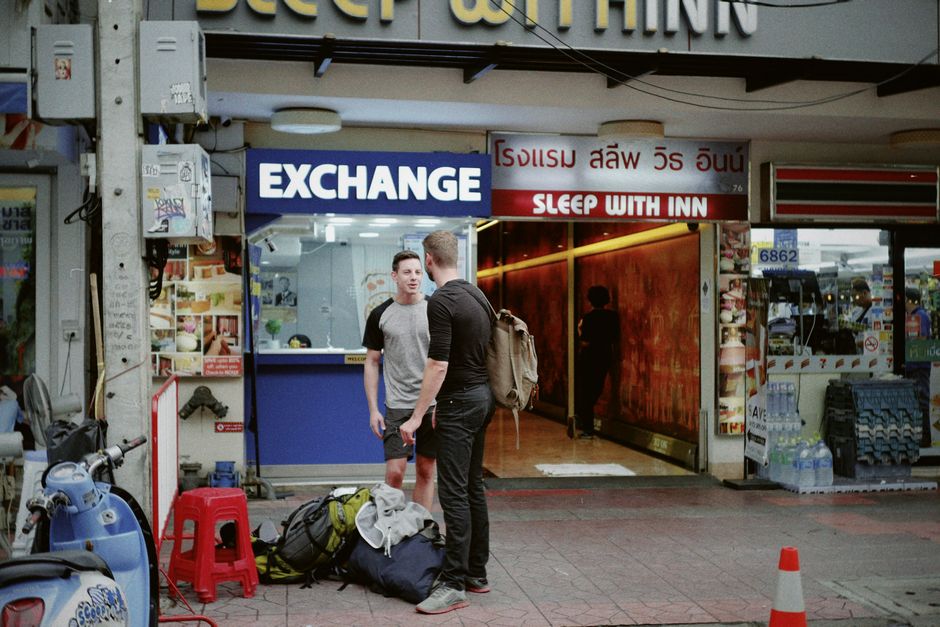
Once you arrive, here is how to get past the tourist layer.
- Ask at local coffee shops, diners, or hardware stores — not hotels or visitor centers. Hotels optimize for easy and liability-free. Hardware stores and diners give you what locals actually do.
- Subreddits for the state or city are invaluable — search “hidden gems” or “what do locals do” in any state subreddit and you’ll get dozens of specific, recent, genuine recommendations
- Ask specifically: “What’s the one thing around here that most visitors never find?” — the specificity of the question gets specific answers
- Talk to rangers at state parks and national forests. They know every trail, every viewpoint, every seasonal phenomenon, and they love telling people about them.
- Farmers market vendors know the landscape intimately — especially berry farmers, mushroom foragers, and anyone who works the land
The best experience in any state is usually waiting about 20 minutes past where most tourists stop.