Pickpockets Stole $3,200 From Americans in Rome Last Summer — Here’s Exactly How They Did It and How to Stop Them
We may earn money or products from the companies mentioned in this post. This means if you click on the link and purchase the item, I will receive a small commission at no extra cost to you ... you're just helping re-supply our family's travel fund.
Here’s something the travel industry doesn’t love to say out loud: pickpocketing in major European tourist cities is not a random crime of opportunity. It’s organized. It’s practiced. It’s a profession. The people working the Colosseum, the Trevi Fountain, the Barcelona Metro, and the Paris RER aren’t amateurs — they are skilled operatives who drill these moves and can empty your pocket in under two seconds without you feeling a thing.
Last summer, reports out of Rome documented hundreds of tourists losing hundreds to thousands of dollars in single incidents — often in broad daylight, surrounded by crowds. Americans, in particular, tend to travel with a level of naïve confidence that makes them attractive targets. We keep our wallets in our back pockets. We stop to take photos in high-traffic areas. We’re friendly when someone approaches us.
This guide is going to change how you move through a city. By the end, you’ll understand every technique, know which gear actually works, and have the habits that make professional thieves move on to easier targets.
The Techniques Pickpockets Use
The Distraction: The Classic Setup
This is the most common technique and the most elegant. One person approaches you — drops something, spills mustard on your shirt, shoves a newspaper or map in your face, or simply asks for the time. While you’re processing that interaction and looking at the distractor, an accomplice standing slightly behind you or to the side reaches into your bag, pocket, or purse.
The key to this technique is the emotional disruption. When someone spills something on you, your entire attention narrows to the spill. You’re worried, maybe annoyed, maybe trying to help clean it up. You’re not thinking about your wallet. That’s exactly the point.
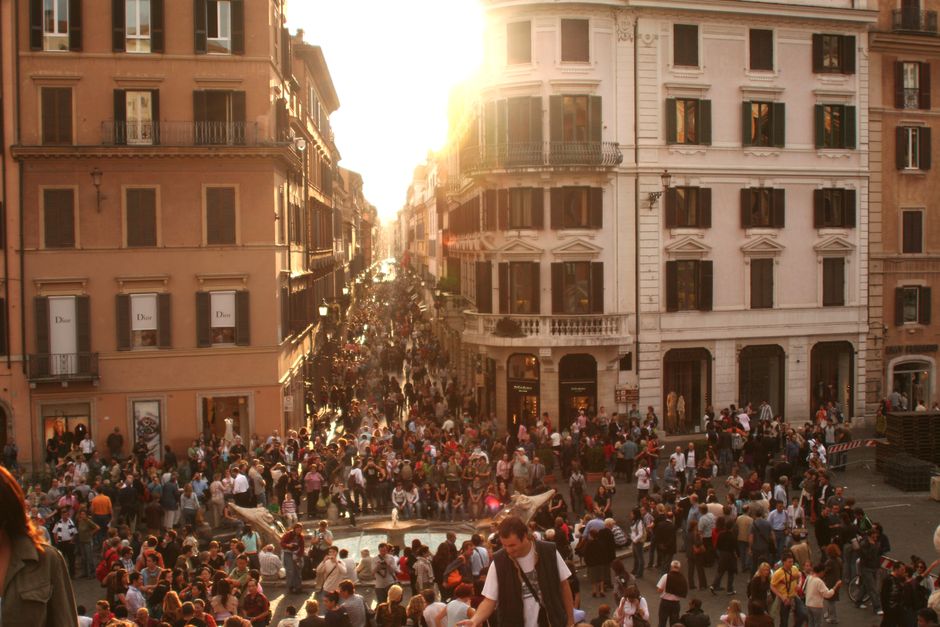
This version is especially common near the Colosseum, around the Trevi Fountain, and on the Spanish Steps in Rome — all dense tourist areas where being approached by strangers feels normal and the ambient chaos provides cover.
The Bump: Urban Mass Transit’s Gift to Pickpockets
Crowded metro cars and buses are the ideal environment for The Bump. A deliberate, hard bump or jostle in a crush of bodies gives the pickpocket both the cover and the physical access. Your wallet moves slightly from the impact. Their hand is already there.
Barcelona’s L1 and L3 Metro lines are so notorious for this that the city posts multilingual warning signs inside the cars — which most tourists read and immediately forget. Rome’s Bus 64, which runs from Termini station to the Vatican, is widely considered the most pickpocketed single bus route in Europe. It’s packed, it runs along a major tourist corridor, and the bus itself is a known working ground.
If you’re riding these routes, your wallet should not be in your pocket, full stop.
The Petition Clipboard: The Soft Approach
A well-dressed person — often appearing to be a student or young professional — approaches you with a clipboard and a petition to sign. Maybe it’s for deaf children, an environmental cause, refugees. Something sympathetic. While you’re reading, signing, or responding, an accomplice works below your eyeline.
The response: “No, thank you” stated firmly and with zero hesitation, and keep walking. Don’t look at the clipboard. Don’t read it. Don’t engage. This is not rude — this is the correct response, and locals in these cities do it automatically.
The Helpful Local at the Ticket Machine
You’re at a metro ticket machine in an unfamiliar city, fumbling with a foreign interface. A friendly local offers to help. They guide you through the steps while their accomplice (or they themselves) observe your PIN, clone your card details, or physically take the card while your attention is on the screen.
At ticket machines, always cover your PIN with your hand — every time, as reflex. Decline all unsolicited help. If the machine is confusing, step away and figure it out on your phone rather than accepting guidance from a stranger.
The Fake Police Officer: The Most Audacious Con
A man in plainclothes flashes what looks like a police badge. He tells you that there’s been counterfeit money circulating in the area and he needs to inspect your wallet for fake bills. He’s authoritative, convincing, and completely fake.
Real police officers in every European country will never approach a tourist on the street and ask to inspect their wallet or cash. Never. If this happens, say you’ll only cooperate at an official police station, and do not hand over your wallet under any circumstances. Ask for a uniformed officer. The fake cop will disappear.
The Baby Throw: Yes, This Is Real
This technique sounds like an urban legend but has been documented in multiple cities. A woman tosses what appears to be a baby toward you — it’s either a doll or a very briefly airborne real infant. Your instinctive, human reaction is to catch it. Both your hands go up, your body is fully occupied, and you are completely open to the accomplices working your pockets and bag.
If this happens to you, let it fall. It’s a doll. The thing being tossed at you is not a real baby in danger. This is an incredibly hard piece of advice to follow because it goes against every human instinct, but it’s correct.
How to Protect Yourself
The Money Belt: Your True First Line of Defense
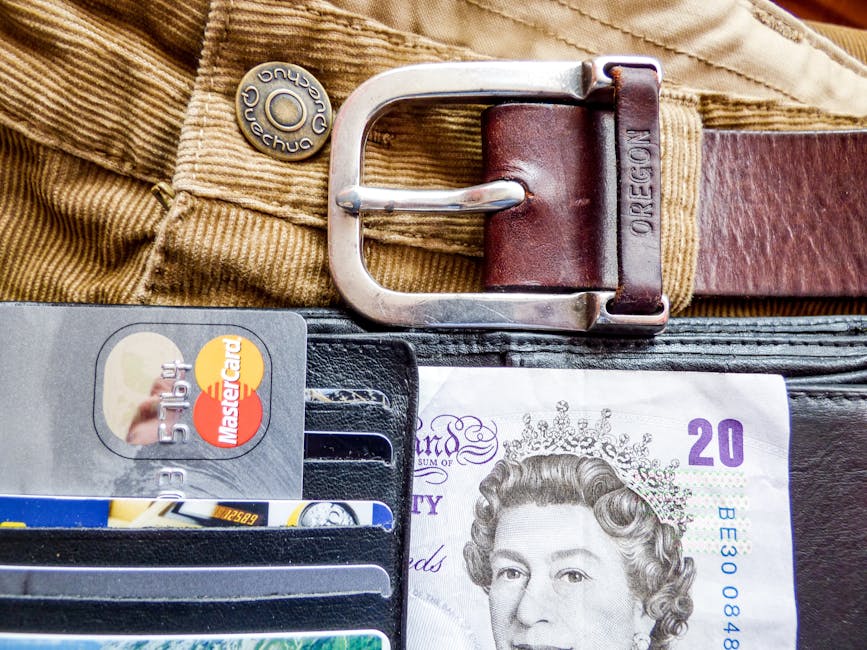
The Eagle Creek Silk Undercover money belt is the gold standard and the one I personally wear on every trip to a high-risk city. It sits flat against your skin beneath your clothing, is completely invisible under a shirt or blouse, and holds your passport, emergency cash, and backup credit card. It cannot be accessed without your knowledge. A pickpocket cannot reach it without physically undressing you.
Don’t buy the cheap canvas version from Amazon. It’s bulky, shows through clothing, and you’ll stop wearing it. The silk version lies flat, breathes, and becomes a reflex after one trip.
Anti-Theft Crossbody Bag: Worn in Front
A good anti-theft crossbody bag (Travelon and Pacsafe both make excellent options) has slash-resistant straps, lockable zippers, and RFID-blocking pockets built in. The critical part: wear it in front of your body, not at your hip. A bag at your side or back is a target. A bag sitting against your chest, with zippers facing inward, is dramatically harder to access.
Don’t put anything valuable in an external pocket, regardless of the lock. Keep the things you need — transit card, walking-around cash, phone — accessible but not grabbable.
Divide Your Cash
Never carry all your money in one place. Keep a small amount — what you might spend in a given hour — in an accessible pocket or card slot. Keep the bulk of your cash in your money belt or hidden pocket. If you are pickpocketed, you lose the walking-around money and not your emergency fund.
A good target amount for walking-around cash: €30-50 per person per day. Enough to cover transit, meals, and incidentals. Not enough to ruin your trip if it disappears.
The Back Pocket: Never, Ever, Ever
Your back pocket is the single most accessible part of your body. It is the default location pickpockets check first. A wallet in your back pocket in a European tourist zone is essentially a public offering. Put nothing of value there. Your phone especially — the back pocket phone pull is one of the most common and fastest thefts in every city on this list.
RFID-Blocking Card Sleeves
Contactless card technology has created a newer form of theft: electronic skimming. Someone with a pocket reader walks near you and captures your card data without physical contact. RFID-blocking sleeves or a wallet with built-in RFID protection prevent this. They cost $10-15 and are a completely passive protection layer.
The Pat-Down Habit Before Entering Crowds
Before you push through a turnstile, board a bus, or enter a crowded market, do a quick physical pat-down. Phone? Check. Wallet? Check. Passport (if carrying)? Check. This takes three seconds and builds the muscle memory that tells you immediately if something is missing — and gives you the awareness going in that you’re about to enter a higher-risk environment.
City-by-City Hot Zones
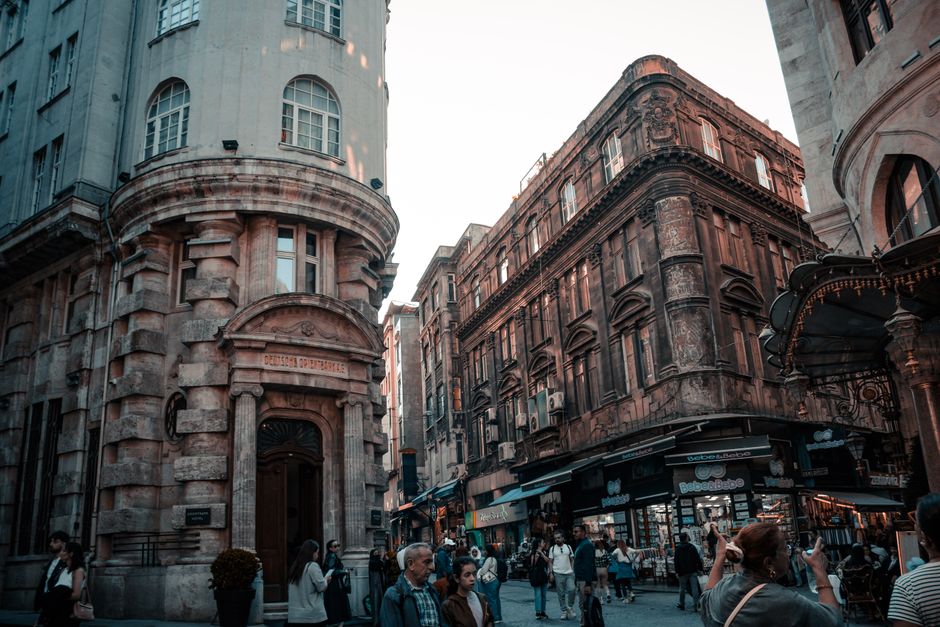
Rome, Italy
Rome is the undisputed European capital of organized pickpocketing. The hot zones are exactly where you’d expect:
- Bus 64 (Vatican to Termini) — avoid at peak hours or keep everything in your money belt
- Trevi Fountain — the crowd crush is the point. All hands in front, bag on chest.
- The Colosseum queue — petition clipboard operators work this line relentlessly
- Metro Line A — especially at Termini, Spagna, and Barberini stops
Barcelona, Spain
Barcelona has the highest pickpocket rate in Europe by most measures. La Rambla is the most famous street for it and is essentially a gauntlet:
- La Rambla — the entire length, especially near La Boqueria market
- Metro L1 and L3 lines — bump specialists work both
- Barceloneta beach — bag grabs while you swim
- Park Güell — crowded, narrow paths, distraction techniques
Paris, France
Paris pickpockets often work in groups and target the tourist belt:
- The Eiffel Tower — petition clipboard operators in abundance
- RER B to Charles de Gaulle — tired travelers with heavy luggage are easy targets
- Sacré-Cœur steps in Montmartre
- Museum queues — especially the Louvre
Prague, Czech Republic
Prague’s historic center funnels tourists into predictable paths:
- Charles Bridge — extremely crowded at peak hours, bump technique common
- Old Town Square — tram stops around the square
- Tram 22 — the tourist tram, and therefore the pickpocket tram
Lisbon, Portugal
Lisbon has seen a surge in pickpocketing as tourism has exploded over the past decade:
- Tram 28 — the famous vintage tram is a tourist attraction and a known theft location. The car is cramped by design.
- Alfama neighborhood — narrow streets, crowded at sunset
- Baixa-Chiado area — particularly at the Chiado Metro stop
The truth is that visiting any of these cities is absolutely worthwhile — they are extraordinary places. You just need to move through them with a different level of awareness than you would at home. With the right gear and the right habits, you make yourself a difficult target, and difficult targets get skipped. That’s the whole goal.