Forget Yellowstone. Locals Say These State Parks Are Better — and Nobody’s There
We may earn money or products from the companies mentioned in this post. This means if you click on the link and purchase the item, I will receive a small commission at no extra cost to you ... you're just helping re-supply our family's travel fund.
In 2025, Yellowstone received nearly 4.5 million visitors. The state parks of Wyoming — Sinks Canyon, Boysen, Guernsey — received a combined 500,000. The scenery at Sinks Canyon is not inferior to Yellowstone. The crowds are not comparable.
This is the state park story everywhere in America. The national parks get the Instagram algorithm. The state parks get the actual peace and quiet.
Why State Parks Are the Best Travel Secret in America

The case for state parks over national parks is compelling.
- No timed entry reservations required at most state parks
- Lower admission fees — most state parks charge $5–$10 per vehicle vs. $35 at national parks
- Many state parks allow camping with full hookups within walking distance of trails
- State parks are distributed across every county — you’re almost never more than an hour from a significant one
- Maintenance is often excellent — state parks have local political stakeholders who care deeply about upkeep
- The America the Beautiful pass does not cover state parks — meaning state parks are genuinely uncrowded even during national park peak season
Northeast State Parks That Rival Anything in the National System
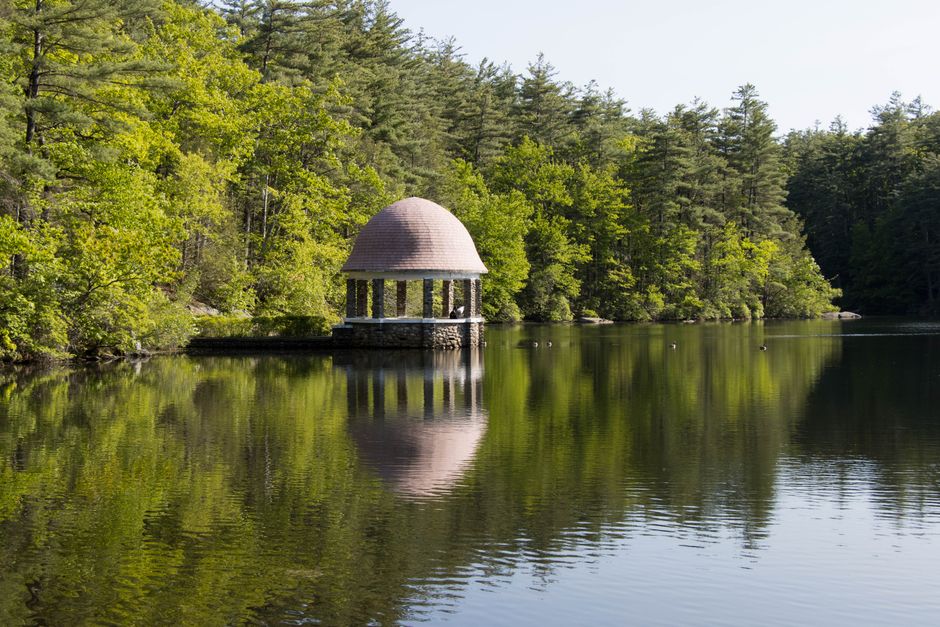
Maine — Grafton Notch State Park
— A mountain notch in the Mahoosuc Range with Screw Auger Falls (a 23-foot waterfall through a pothole-carved gorge), Moose Cave Gorge, and Old Speck Mountain (4,170 feet). More dramatic than most of Acadia and receives a fraction of the visitors.Vermont — Groton State Forest
— Vermont’s largest state-owned land — 26,000 acres of lakes, ponds, granite ledges, and boreal forest. The view from Owl’s Head Mountain overlooks Lake Groton and the surrounding forest without a building in sight. Exceptionally good camping.New Hampshire — Franconia Notch State Park
— Actually one of the state’s most visited parks, but still dramatically less crowded than White Mountain National Forest’s most popular spots. The Flume Gorge is one of the Northeast’s most impressive geological features — a 90-foot-tall natural gorge with waterfalls.Massachusetts — Quabbin Reservoir area (Ware River Watershed)
— Not technically a state park but public land. The Quabbin is the largest body of water in New England managed as a public water supply. Undeveloped shoreline, bald eagle nesting, wild turkeys, and solitude within 90 minutes of Boston.Rhode Island — Colt State Park
— A 464-acre park on Narragansett Bay with 4 miles of paved bike path along the water, apple orchards, and views across the bay to Bristol Harbor. The most serene park in the smallest state.Connecticut — Sleeping Giant State Park
— The ridgeline profile resembles a giant lying on its back. The Tower Trail to the summit castle overlook is 1.6 miles and delivers a 360-degree view over the Connecticut Valley. Under an hour from Hartford.New York — Watkins Glen State Park
— A gorge with 19 waterfalls over 2 miles of trail, carved by a stream cutting through shale. The walkway runs alongside and through the waterfalls — you pass behind one. Rivals anything in the national park system east of the Rockies and admission is $10.New Jersey — High Point State Park
— The highest point in New Jersey (1,803 feet) with a monument visible for 50 miles and views into three states. Lake Marcia at the summit is a glacial lake. Almost completely uncrowded despite being an hour from New York City.Pennsylvania — Ricketts Glen State Park
— 21 named waterfalls on a 7.2-mile loop trail, the highest (Ganoga Falls) plunging 94 feet. Old-growth hemlocks line the canyon walls. One of the most complete waterfall experiences in the eastern U.S. Gets busy on summer weekends — arrive before 8am.Maryland — Cunningham Falls State Park
— The largest cascading waterfall in Maryland (78 feet wide) in the Catoctin Mountains, an hour from Washington D.C. Presidents from Roosevelt to Biden have retreated to nearby Camp David — the park around it is completely public and almost completely unknown.Delaware — Cape Henlopen State Park
— At the mouth of Delaware Bay where it meets the Atlantic Ocean. Walking dunes over 80 feet tall, a lighthouse, WWII bunkers, and a beach that’s genuinely uncrowded compared to Cape May across the bay.
Southern State Parks That Should Be Famous

Virginia — Grayson Highlands State Park
— Wild ponies roam freely above 5,000 feet in the Blue Ridge — the same ponies that have grazed these balds for centuries. The Appalachian Trail runs through the park. The views from Wilburn Ridge are among the finest in the southern Appalachians.North Carolina — Hanging Rock State Park
— The quartzite summit of Hanging Rock rises 2,149 feet with cliff faces, waterfalls, and swimming areas in a natural rock pool. Less crowded than Pilot Mountain next door and more rewarding.South Carolina — Caesars Head State Park
— A granite promontory at 3,208 feet in the Blue Ridge escarpment with views across the South Carolina piedmont. The fall hawk migration through this pass — September and October — is one of the most dramatic raptor events in the eastern U.S.Georgia — Providence Canyon State Park
— Called Georgia’s Little Grand Canyon. Gullies up to 150 feet deep carved by erosion since the 1800s now form a canyon of pink, purple, orange, and red soil layers. The rarest wild azalea in North America — the plumleaf azalea — blooms here in July and August.Florida — Ichetucknee Springs State Park
— Nine crystal-clear springs feed a river so blue and clear it looks computer-generated. Tube rentals in summer, kayak access year-round. The manatee count in winter can reach 30+ animals in a single float. Florida’s most underrated park by a wide margin.Alabama — Cheaha State Park
— The highest point in Alabama (2,405 feet) with a Depression-era stone observation tower and cabin lodge that looks out over the Talladega National Forest. The CCC-built cabins have been there since the 1930s and are genuinely excellent.Mississippi — Tishomingo State Park
— The rugged end of the Appalachians in Mississippi — ancient rock formations, a swinging bridge over Bear Creek, and landscapes that look nothing like what people picture when they picture Mississippi.Louisiana — Chicot State Park
— On Lake Chicot — an oxbow lake formed by the old channel of the Red River — in the heart of Cajun country. The bald cypress around the lake are enormous. The fishing is legendary. The arboretum has the best collection of native Louisiana trees in the state.Tennessee — Fall Creek Falls State Park
— Home to Fall Creek Falls (256 feet — the tallest free-falling waterfall in the eastern U.S.) plus seven other significant waterfalls within hiking distance. The natural pool at the base is a swimming hole that no sane person would walk past.Kentucky — Natural Bridge State Resort Park
— A 65-foot natural sandstone arch spanning 78 feet in the Red River Gorge geological area. The trail to the top is 1.5 miles and the skybridge overlook at the summit is stunning. The historic lodge is a bonus.Arkansas — Devil’s Den State Park
— Sandstone bluffs, caves, a cave spring, and 15 miles of mountain bike trail in the Ozark Mountains. The CCC-built structures from the 1930s give the park a historic quality that feels like a different era. The swimming lake is cold, clear, and perfect.West Virginia — Blackwater Falls State Park
— The Blackwater River plunges 57 feet over a ledge stained amber by tannins from fallen spruce and hemlock needles. The canyon below is 500 feet deep. The Canaan Valley next door is the highest valley east of the Rockies.
Midwest State Parks That Will Rewrite What You Think the Region Is

Ohio — Hocking Hills State Park
— Already mentioned as a locals’ pick. Worth emphasizing: the combination of Old Man’s Cave, Cedar Falls, Ash Cave, and Conkle’s Hollow is a 6-mile trail system through sandstone caves and gorges that genuinely belongs in a national park.Indiana — Turkey Run State Park
— Sugar Creek cuts a canyon through soft sandstone and glacial outwash, creating boulder scrambles, creek crossings, and canyon walls coated in ferns and mosses. The footbridge over the canyon at Suspension Bridge is one of Indiana’s iconic views.Illinois — Starved Rock State Park
— 18 canyons carved into sandstone by glacial meltwater 10,000 years ago. Waterfalls appear after rain. Canyon walls rise 100 feet. On the Illinois River an hour southwest of Chicago. Gets busy on summer weekends — visit in November when the light through the bare trees turns the canyon walls copper.Michigan — Pictured Rocks (Lakeshore area)
— Technically a national lakeshore, but the adjacent Miners Beach and Munising Falls area managed by the state is equally spectacular. The multi-colored sandstone cliffs along Lake Superior turn orange and gold in morning light.Wisconsin — Devil’s Lake State Park
— A glacial lake surrounded by quartzite bluffs up to 500 feet high, with rock climbing, swimming, and views across the lake from the East Bluff trail that justify every step of the climb. The most-visited state park in Wisconsin — get there early or go on a weekday.Minnesota — Tettegouche State Park
— On Lake Superior’s north shore, with the state’s highest waterfall (High Falls of the Baptism River, 70 feet), sea caves, and an inland lake system accessible by trail. One of the North Shore’s best parks with a fraction of Gooseberry Falls’ crowds.Iowa — Backbone State Park
— Iowa’s oldest state park, on a narrow limestone ridge (the “backbone”) above the Maquoketa River. Caves, trout fishing, and forest trails that look like New England. Not what you picture when you picture Iowa.Missouri — Ha Ha Tonka State Park
— The ruins of a 1905 stone castle on a bluff above the Lake of the Ozarks, with sinkholes, caves, a natural bridge, and a spring that emerges from the bluff face at 48 million gallons per day. Missouri is karst topography — water-dissolved limestone creating caves and springs everywhere — and Ha Ha Tonka shows it at its most dramatic.Kansas — Mushroom Rock State Park
— Kansas’s smallest state park (5 acres) contains the most surreal geology in the state: concretion boulders shaped by differential erosion into perfect mushroom forms. Used as landmarks by Oregon Trail pioneers. Free admission.Nebraska — Niobrara State Park
— Where the Niobrara River meets the Missouri River. A place where Eastern deciduous forest, Western ponderosa pine, and Northern boreal forest all meet — creating a transition zone found nowhere else in the world. The swimming beach on the Missouri is a bonus.South Dakota — Custer State Park
— 71,000 acres of the Black Hills with one of the largest free-roaming bison herds in the world (about 1,400 animals). The Wildlife Loop Road at dusk produces wildlife sightings — bison, burros, pronghorn, wild turkeys, prairie dogs — that rival any African safari in terms of density. Better than Mount Rushmore nearby in every way.North Dakota — Lake Metigoshe State Park
— On the Canadian border in the Turtle Mountains, a region so unlike the surrounding prairie that it feels like a different state entirely. Glacial lakes, hardwood forest, and bird diversity that draws serious birders from across the region.
Mountain West State Parks With National Park-Quality Scenery

Montana — Makoshika State Park
— Montana’s largest state park contains the most complete badlands landscape in the state — buttes, hoodoos, and eroded sedimentary formations in colors from cream to rust to charcoal. T. rex and Triceratops fossils have been found here. Miles City is the gateway. Almost no tourists.Wyoming — Sinks Canyon State Park
— The Middle Fork of the Popo Agie River disappears underground into a limestone cave (the “sink”) and reemerges a quarter mile away (the “rise”) — with the mystery of what happens underground unsolved despite dye-tracing experiments. The canyon is stunning. The rainbow trout in the rise pool are so enormous they look fake.Colorado — Roxborough State Park
— Dramatic red sandstone fins rising 200 feet from the prairie at the base of the Front Range — similar to Red Rocks Amphitheatre nearby but with hiking trails and no concerts. 30 minutes from Denver. No vehicles allowed past the visitor center. Genuinely extraordinary landscape that most Denver residents have never visited.Utah — Goblin Valley State Park
— Three square miles of eroded sandstone formations in shapes so unusual — mushrooms, eggs, goblins — that the valley was used as the alien planet in the 1999 film Galaxy Quest. Free-roaming allowed: you can climb and touch every formation. No other park in the U.S. allows this level of physical engagement with the geology.Idaho — Bruneau Dunes State Park
— The tallest single-structured sand dune in North America (470 feet) in the Snake River desert. The park has two lakes at the base of the dune. The observatory runs public star parties on clear weekends. Sandboarding is permitted.Nevada — Valley of Fire State Park
— Nevada’s oldest and largest state park: 40,000 acres of Aztec sandstone formations in deep red and orange, with ancient petroglyphs and petrified trees. 50 miles northeast of Las Vegas. While tourists are standing in line at the High Roller, this is happening an hour away. Go at sunrise.Arizona — Red Rock State Park (Sedona)
— Not the same as the wilderness areas around Sedona. The 286-acre state park has a visitor center, guided walks, and access to Oak Creek with swimming. The bird list is extraordinary — over 150 species recorded.New Mexico — City of Rocks State Park
— A volcanic field that cooled into enormous columns, now weathered into a labyrinth of rooms and passages in the Chihuahuan Desert. Camping inside the rock formations. International Dark Sky Park designation. Completely unknown outside New Mexico.
Pacific State Parks That Outperform Their National Neighbors
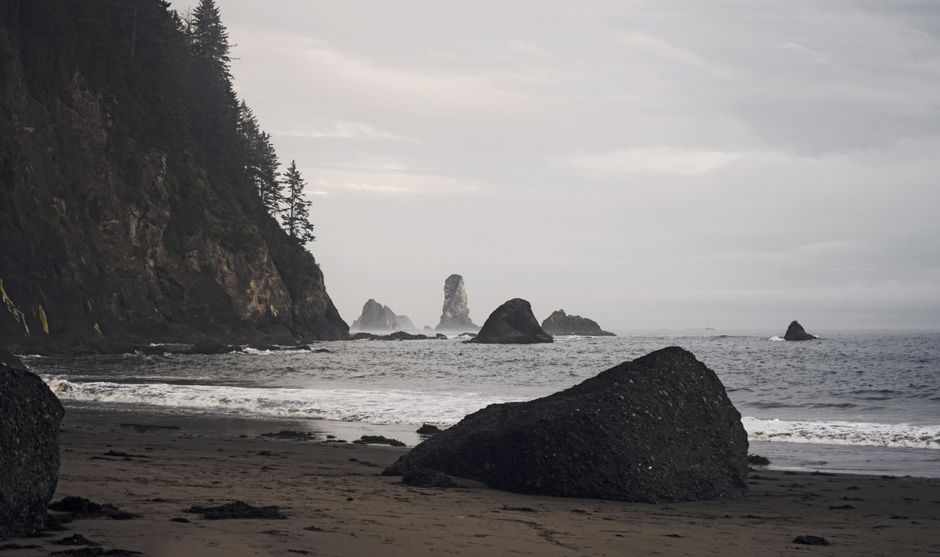
California — Julia Pfeiffer Burns State Park
— McWay Falls plunges 80 feet directly onto a pristine beach cove with turquoise water. One of the most-photographed views in California and accessible from a 0.5-mile trail. The canyon hike above is dramatically less visited and equally beautiful.Oregon — Silver Falls State Park
— The Trail of Ten Falls — a 7.2-mile loop passing behind, beside, and below 10 waterfalls, the tallest of which drops 177 feet. One of Oregon’s greatest hiking experiences. Less than 30,000 people visit annually while Crater Lake receives 600,000.Washington — Deception Pass State Park
— A dramatic tidal strait between Whidbey Island and Fidalgo Island spanned by a 1935 bridge that looks like something from a European postcard. Tide pools, old-growth forest, dunes, and views of the San Juan Islands. The most-visited state park in Washington — and still infinitely less crowded than Olympic NP.Alaska — Chugach State Park
— Half a million acres of wilderness immediately adjacent to Anchorage — essentially a national park that the state owns. Flattop Mountain (the most-climbed peak in Alaska) is a 45-minute drive from downtown. Brown bears are common on the trails above 3,000 feet.Hawaii — Na Pali Coast State Wilderness Park (Kauai)
— The 17-mile Kalalau Trail along the Na Pali Coast cliffs is one of the most dramatic coastal hikes on earth. Permits required for overnight camping at Kalalau Beach. The 2-mile roundtrip to Hanakapi’ai Beach requires no permit and is accessible to most hikers — the views of the fluted cliffs rival anything in national park Hawaii.
The State Park Road Trip Strategy
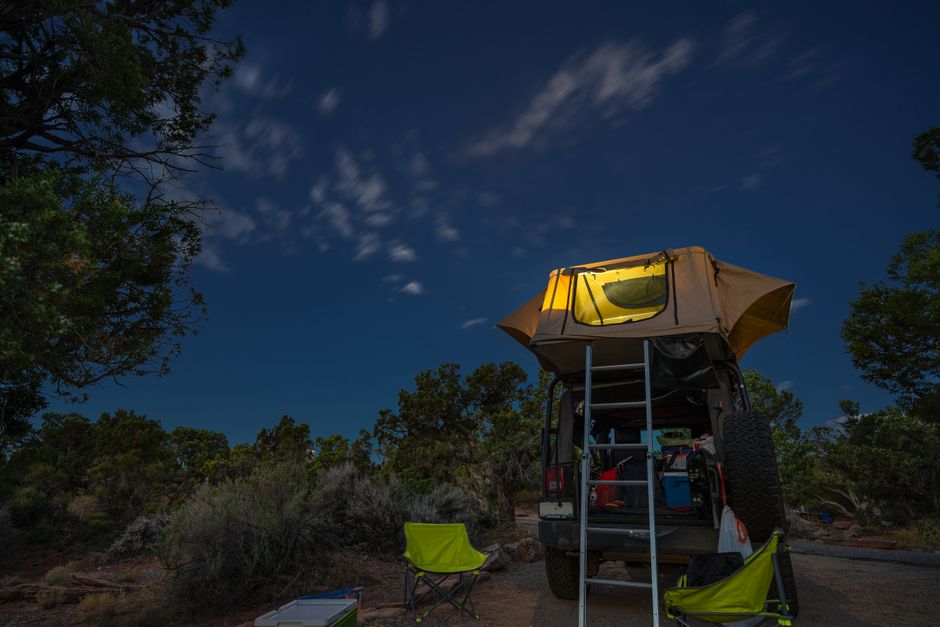
Here is how to build a state park road trip that works.
- Download the state park app for each state you’ll visit — most states have apps with offline trail maps and camping reservation systems
- Reserve campsites 2–6 months in advance for the most popular parks (Watkins Glen, Devil’s Lake, Custer) — first-come sites fill before 9am in summer
- Buy state park passes for any state you’ll visit for more than 2 days — annual passes typically pay for themselves in 2 visits
- Target weekday visits for state parks that get weekend-heavy crowds — the difference is dramatic
- Ask rangers at each park what’s blooming, hatching, migrating, or happening — state park rangers are spectacularly knowledgeable and almost always delighted to share
- Build in unscheduled time — the best state park moments are the ones that happen when you follow a trail that isn’t on your list
The national parks are magnificent. The state parks are where the country actually lives.