Galveston Was the Most Sophisticated City in Texas in 1900. Here’s the Storm That Changed Everything and the City That Survived
We may earn money or products from the companies mentioned in this post. This means if you click on the link and purchase the item, I will receive a small commission at no extra cost to you ... you're just helping re-supply our family's travel fund.
In 1900, Galveston was the most prosperous city in Texas, the fourth-largest port in the United States, and a city whose Victorian architecture, commercial sophistication, and cultural life made it one of the most important urban centers in the South. On September 8, 1900, a Category 4 hurricane made landfall and killed an estimated 8,000–12,000 people in what remains the deadliest natural disaster in American history. Houston, which had been Galveston’s upstart inland neighbor, became Texas’s commercial capital almost immediately afterward. Galveston never fully recovered that role — and the city that exists today, 126 years later, is one of the most historically layered places on the Gulf Coast.
Galveston in 2026 — What Survived and What Visitors Miss
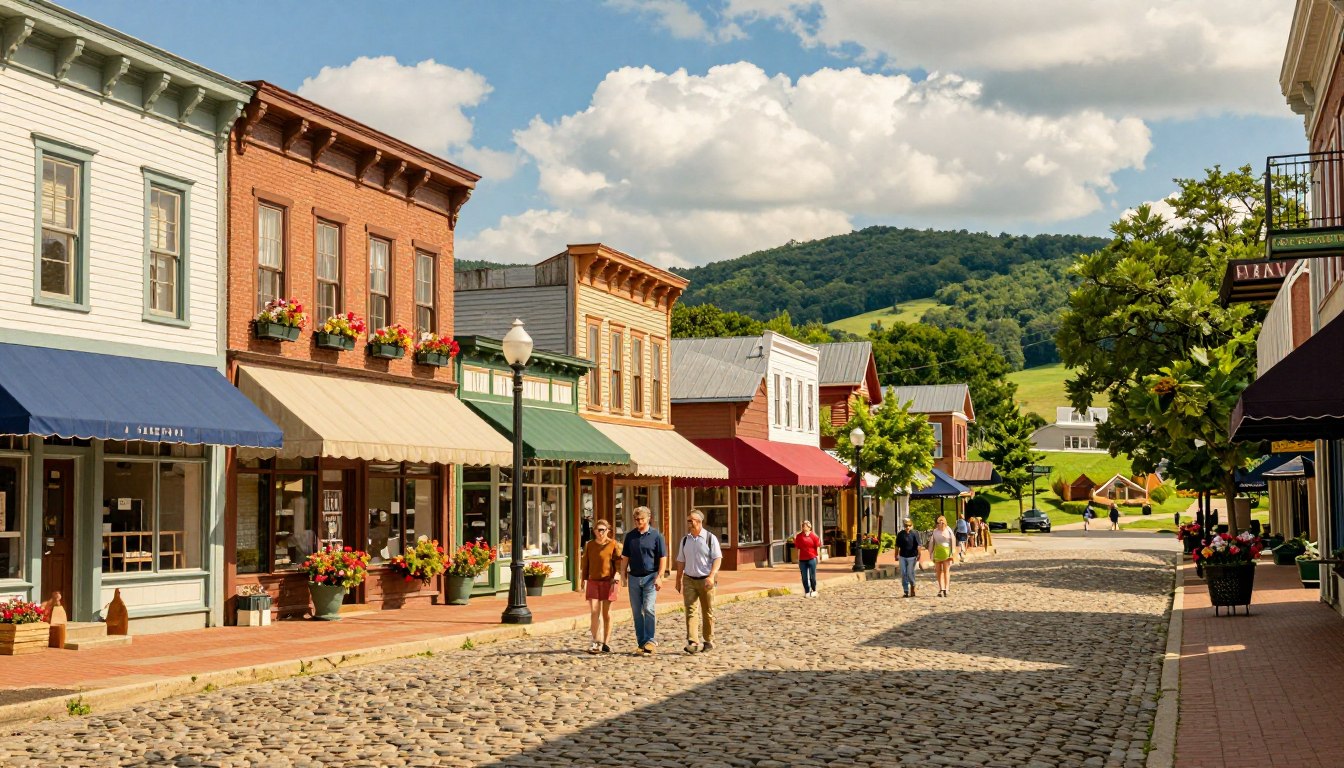
The Strand Historic District — the commercial core of 19th-century Galveston — survived the 1900 storm and subsequent hurricanes with its Italianate and Victorian architecture largely intact. Walking the Strand today is one of the few experiences in Texas that puts you in genuine contact with the Gulf Coast’s 19th-century commercial world: the cast-iron facades, the warehouses adapted for modern use, and the scale of the buildings that reflect Galveston’s pre-storm ambition. It is a more authentic historic district than most Texas cities can offer because the economic stagnation that followed the 1900 storm meant fewer buildings were torn down and replaced.
The Seawall and What It Represents
After the 1900 storm, Galveston did something remarkable: it built a 17-foot seawall and raised the entire island’s grade by up to 16 feet through a massive hydraulic fill project. The Galveston Seawall — over 10 miles long, completed in stages between 1902 and 1963 — is one of the great feats of American civil engineering and the reason Galveston survived the subsequent century of Gulf Coast hurricanes with dramatically lower casualties than the 1900 storm produced. Driving or biking Seawall Boulevard with that context in mind changes how it looks.
What to See in Galveston Beyond the Beach
- The Galveston Historical Foundation’s house museums: The Bishop’s Palace and Moody Mansion are two of the finest Victorian houses in Texas
- The Ocean Star Offshore Drilling Rig and Museum: A retired jackup rig that provides the most comprehensive public explanation of offshore oil drilling available anywhere
- The Texas Seaport Museum and tall ship Elissa: The 1877 iron barque Elissa is one of the oldest operational ships in the world, still certified for sail
- The 1900 Storm exhibit at the Rosenberg Library: The definitive local account of the deadliest natural disaster in American history
Galveston’s tourist identity — beach town, spring break destination, cruise port — substantially undersells what the city actually is. The history alone justifies a dedicated trip that has nothing to do with the seawall beach. Understanding what was here before the 1900 storm, what the storm destroyed, and what Galveston chose to do in the aftermath — the engineering, the rebuilding, the acceptance of a permanently diminished role — gives the city a depth that few beach towns in America can match.