Fort Worth Is Not Dallas. Here’s What It Is — And Why People Who Move There Stop Comparing Them
We may earn money or products from the companies mentioned in this post. This means if you click on the link and purchase the item, I will receive a small commission at no extra cost to you ... you're just helping re-supply our family's travel fund.
Fort Worth is routinely described relative to Dallas — the western half of the DFW metroplex, the less flashy sibling, the cow town that cleaned up. People who actually live in Fort Worth bristle at the comparison, and they have a point. Fort Worth has the Kimbell Art Museum, one of the finest art museums in the United States. It has the Stockyards National Historic District, a genuine working stockyard that predates Dallas’s financial industry by decades. And it has a character that’s distinctly different from its eastern neighbor in ways that matter to people deciding where to spend time or money.
What Fort Worth Has That Dallas Doesn’t
The Kimbell Art Museum
The Kimbell is one of the few museums in the United States where the architecture and the collection are equally significant. Louis Kahn’s 1972 building, with its signature vaulted concrete roof and natural light management, is studied in every architecture program in the world. The collection inside — focused on masterworks rather than volume, with works by Velázquez, El Greco, Michelangelo, Rembrandt, Monet, and Picasso — is consistently rated among the top American museum collections by any serious measure. Admission is free for the permanent collection. In Fort Worth. This is not common knowledge outside of Texas.
The Stockyards National Historic District
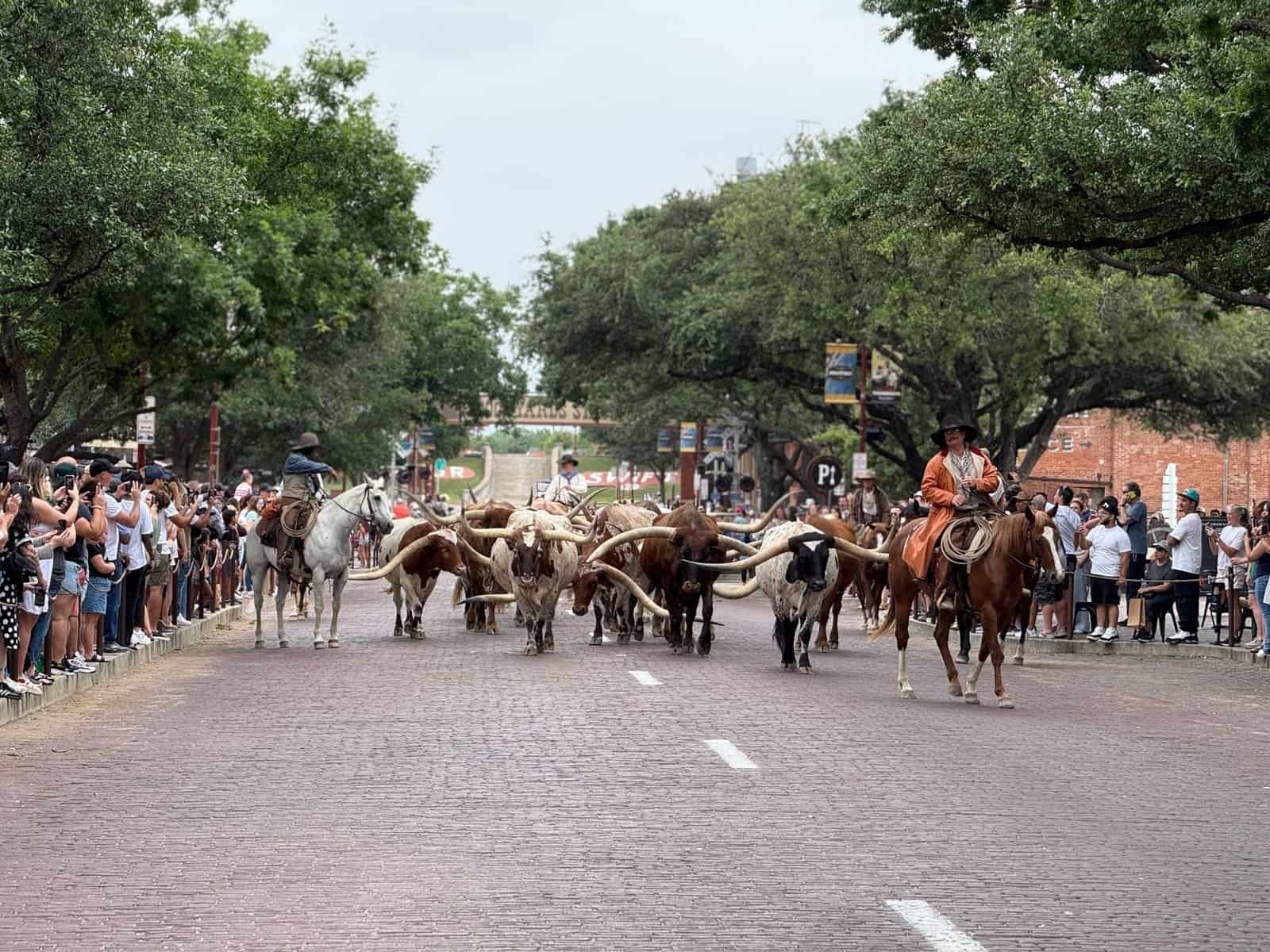
The Fort Worth Stockyards was the center of the American cattle industry from the 1870s through the 1950s. The daily longhorn cattle drive down Exchange Avenue — running twice daily and drawing visitors from around the world — is simultaneously tourist spectacle and genuine cultural preservation. Billy Bob’s Texas, the world’s largest honky-tonk at 127,000 square feet, books national country acts and has been running live music since 1981. The Stockyards Hotel, where Bonnie and Clyde once stayed, still operates. The combination of genuine history and ongoing culture makes the Stockyards an attraction that requires no irony to enjoy.
What a Fort Worth Visit Costs
Accommodation:
- Stockyards area hotel: $160–$250/night
- Downtown Fort Worth boutique hotel: $150–$230/night
- Significantly less expensive than comparable Dallas properties
Key activities:
- Kimbell Art Museum: free permanent collection, $20–$25 for special exhibitions
- Modern Art Museum of Fort Worth (across the street from the Kimbell): $18/adult
- Cattle drive viewing: free, twice daily at 11:30 AM and 4 PM
- Billy Bob’s Texas: varies by act, typically $15–$45 cover for live music nights
Fort Worth rewards the visitor who gives it two full days over the visitor who fits it into a half-day on the way through Dallas. The Kimbell alone is worth building a day around. The Stockyards is worth an evening and a morning. The downtown Sundance Square dining district has real quality. Together they make a trip that’s genuinely different from the Dallas experience — more historical depth, less financial-hub energy, and a cowboy-and-world-class-art combination that’s not available anywhere else in the country.
Fort Worth’s Specific Strengths
Fort Worth’s cultural district — 35th Street and Museum Way, 1.5 miles west of downtown — is one of the most significant museum concentrations in the American South. The Kimbell Art Museum, designed by Louis Kahn in 1972 and housing a collection that includes El Greco, Caravaggio, Mondrian, and Picasso in a vaulted concrete and travertine building considered one of the most beautiful museum buildings in the world, is one of the top 20 art museums in the United States and free for permanent collection visits. The Modern Art Museum of Fort Worth, designed by Tadao Ando in 2002, houses one of the finest modern art collections in the region. The Amon Carter Museum of American Art is 100 yards from the Kimbell.
The Fort Worth Stockyards National Historic District provides the Western heritage experience that Dallas lacks the authentic physical context for: the twice-daily longhorn cattle drive down Exchange Avenue (the last operating cattle drive in the country, happening at 11:30am and 4pm daily), the working auction facilities, and the historic stockyards buildings have been operating continuously since the 1870s. The Stockyards are 2 miles north of downtown and are entirely walkable from the hotel cluster along the main strip. Billy Bob’s Texas — the world’s largest honky-tonk, 127,000 square feet with 40 bar stations and a professional bull riding arena — operates on the Stockyards and is specific to Fort Worth in a way that no comparable entertainment venue anywhere in Texas is.