I Flew First Class on Five Different Airlines in 2026. Here’s the Honest Truth About Whether It’s Still Worth It
We may earn money or products from the companies mentioned in this post. This means if you click on the link and purchase the item, I will receive a small commission at no extra cost to you ... you're just helping re-supply our family's travel fund.
I want to start with a confession: I am a travel writer who spent three years aggressively defending the value of premium cabin travel. I told people about the lie-flat beds, the amuse-bouches, the Evian misting sprays that Singapore Airlines hands out with a warm smile.
Then I started flying more domestically and less internationally. And I had to reckon with the fact that “first class” on a United Airlines flight from Denver to Phoenix is, objectively, three extra inches of legroom and a free Bloody Mary.
The word “first class” is doing an enormous amount of dishonest work in the travel industry right now. This is your guide to cutting through that.
The Problem: ‘First Class’ Now Means Five Completely Different Things
When you see “first class available” on a flight search, it could mean any of the following, each representing an almost incomprehensibly different product:
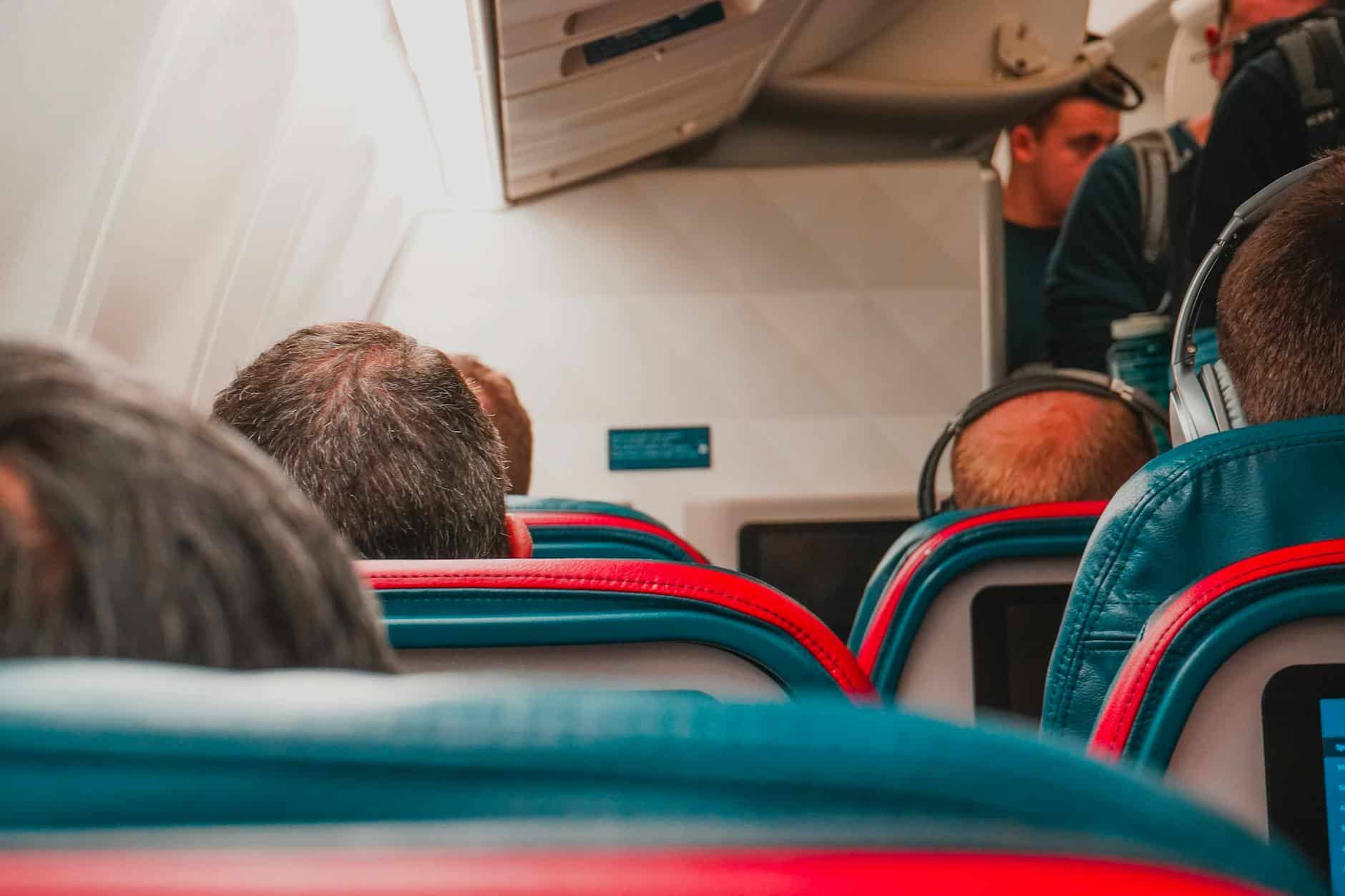
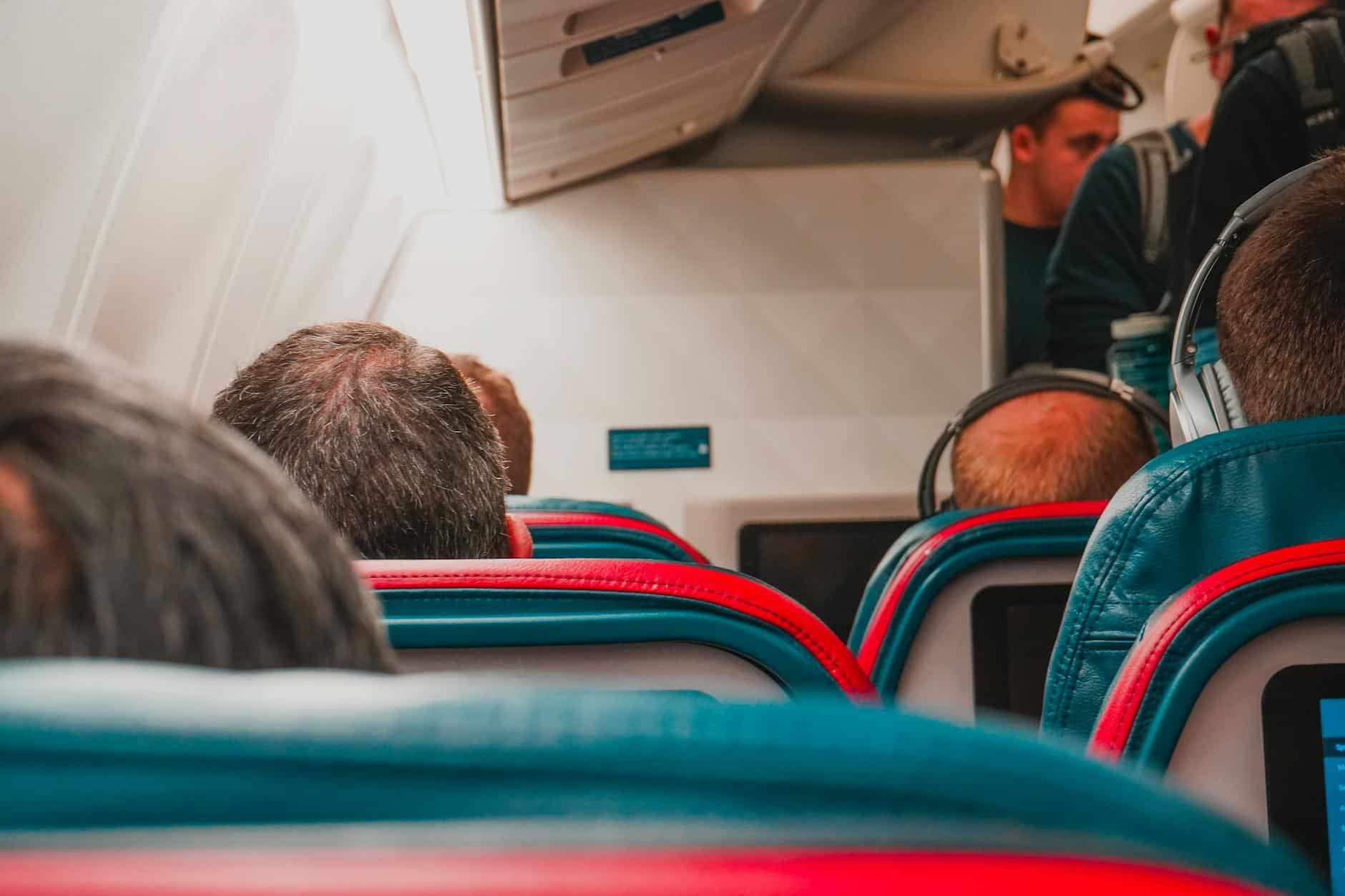
- Domestic U.S. First Class Wider leather seat, 2-4 extra inches of pitch, free alcohol, and a meal on longer routes. On flights under two hours, the meal is a warm cookie and a snack bag. You are in the same aircraft as economy. The difference between first and economy on a domestic flight is the difference between sitting at the front of the bus and the back.
- International Business Class Lie-flat beds, direct aisle access on most modern widebody aircraft, multi-course meals, premium liquor, amenity kits with actual products in them, and on some carriers, access to onboard showers. This is what most people imagine when they imagine “flying fancy.”
- True International First Class This now exists only on a handful of carriers: Emirates, Singapore Airlines, Lufthansa (First Class Terminal in Frankfurt), ANA, and a few others. Private suites with closing doors. In-flight bars. Multiple pajama sets. On Emirates A380, there are onboard showers. This is not transportation; it is a destination.
- Premium Economy Not first class at all, but airlines have gotten aggressive about making it sound more glamorous than it is. Usually 38–41 inches of pitch versus economy’s 31, sometimes a wider seat, a better meal. For flights over eight hours, this is a meaningful upgrade. For six hours or under, it’s a significant cost for modest gain.
- Basic Economy “First” Some carriers have rebranded their slightly-less-miserable economy seats as “first” on regional routes. A JetBlue Mint on a transcon route is genuinely excellent. A “first class” seat on a 45-minute regional jet hop is just the front row with better boarding order.
What International First Class Actually Delivers in 2026
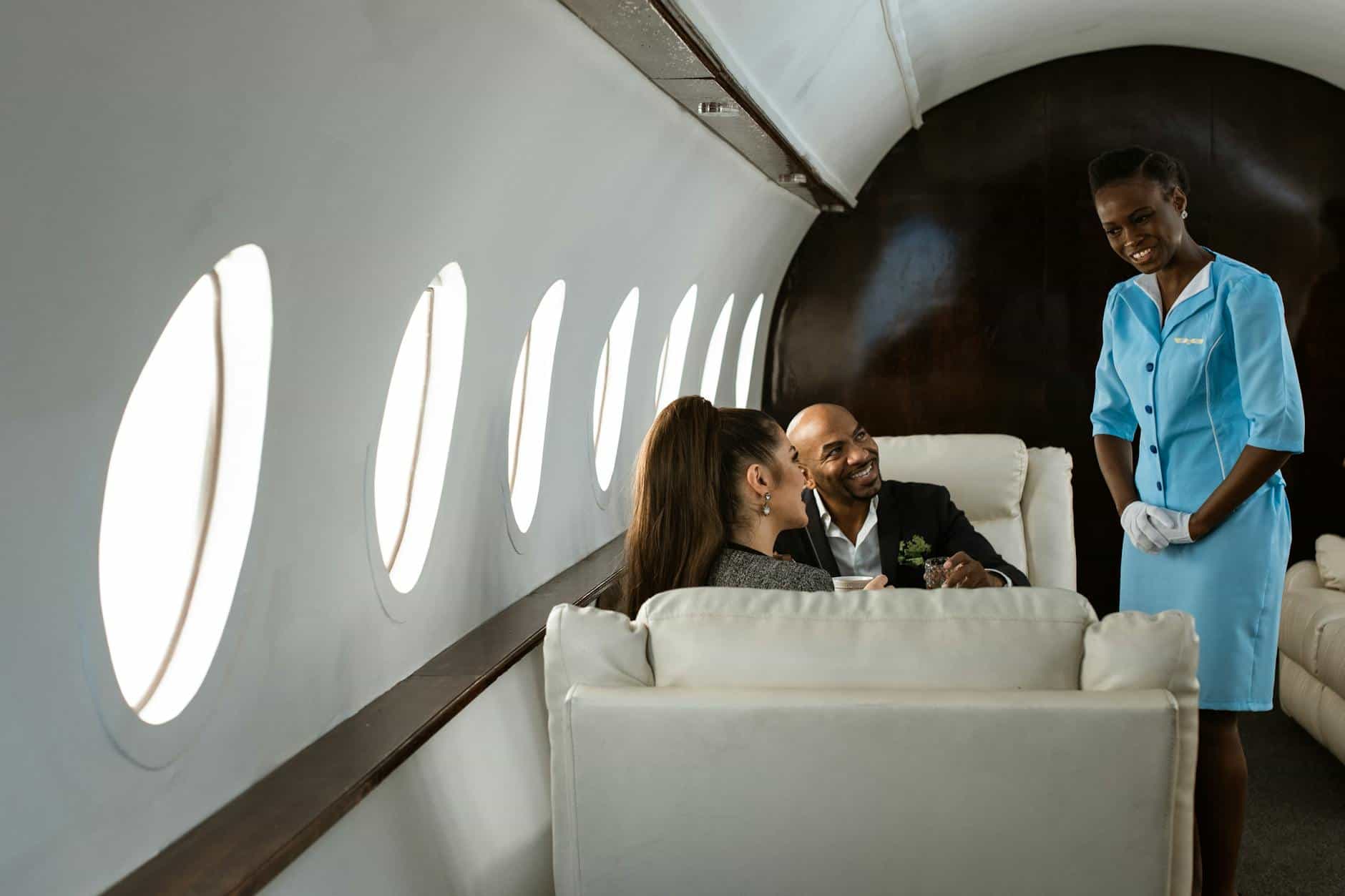
If you are flying Emirates First Class on the A380, let’s be specific about what you are getting:
- A private suite with a closing door, a full-size bed (not a flat seat — an actual bed with a mattress topper and duvet), and a 32-inch TV screen
- Access to the onboard shower spa — you can shower at altitude
- Dining on demand with no fixed meal service; a menu that includes items like lobster thermidor and wagyu beef
- A dedicated flight attendant assigned to your suite
- Ground transportation included in some fare classes
- Access to dedicated first class airport check-in, lounge, and terminal facilities
The current retail price for Emirates First Class from New York JFK to Dubai is approximately $13,000–$18,000 round trip.
Lufthansa’s First Class Terminal in Frankfurt — accessible only to Lufthansa first class passengers and Senator card holders — includes a personal attendant who meets you at a dedicated facility, drives you to the aircraft, and boards you after all other passengers are seated. There are no lines. There are no crowds. You walk from a private lounge directly onto the aircraft.
This is real. This exists. And for the right person at the right life moment, it is transformative. But almost nobody should pay retail for it.
Domestic First Class: What You’re Paying $400–$1,200 Extra For
Here is an honest accounting of the domestic first class value proposition in 2026.
On a 3-hour flight from Chicago to New York:
- Seat width: 20–21 inches vs. 17–18 inches in economy
- Seat pitch: 37–39 inches vs. 30–31 inches in economy
- Meal: a hot entree (often quite good on American, Delta, and United now) versus buy-on-board in economy
- Free checked bag: worth approximately $35–$45
- Priority boarding: subjective value, mostly useful if you have a lot of carry-on items
- Free alcohol: if you drink and plan to, this can be worth $15–$30
And the things you are NOT getting:
- A lie-flat seat on most domestic routes
- Any meaningful noise improvement — you are in the same tube with the same engines
- Significantly faster boarding or deplaning on most routes
- Any guarantee that your flight will be less delayed
The math suggests that domestic first class at a $600 premium over economy is generally not worth it on a pure value basis. Where it edges toward worth it: flights over four hours, red-eye routes where the extra seat width lets you sleep, or situations where you are traveling for work and your employer is paying.
The Sweet Spot Nobody Talks About: Business Class on Long-Haul Flights
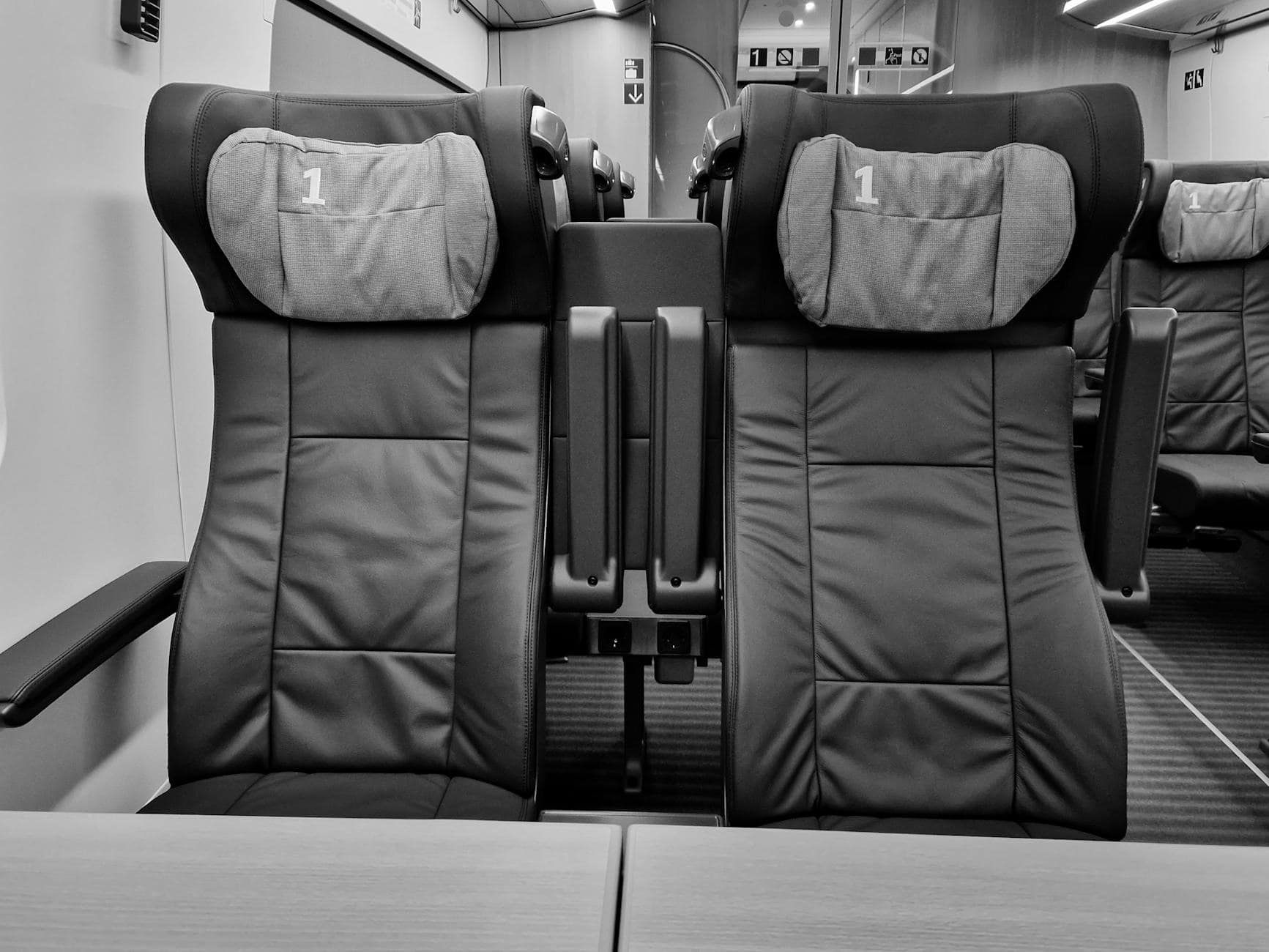
The single best value in premium air travel in 2026 is not domestic first class and is not true international first class. It is international business class on routes over eight hours, particularly when booked with points and miles.
Here’s why:
- The product gap between international business and first class has narrowed dramatically since 2015. Airlines have invested heavily in business class suites — many now have closing doors, direct aisle access, and 75-inch lie-flat beds.
- The price gap has not narrowed. Business class on a transatlantic route might run $3,000–$5,000. First class runs $10,000–$18,000. You are paying 3–5x more for marginally more space and a better dinner.
- Business class redemptions on airline miles and credit card points are dramatically undervalued compared to first class. You can often fly business class lie-flat to Europe for 50,000–70,000 points. The same journey in first class runs 100,000–150,000 points on most programs.
How to Fly Premium Without Paying Full Fare
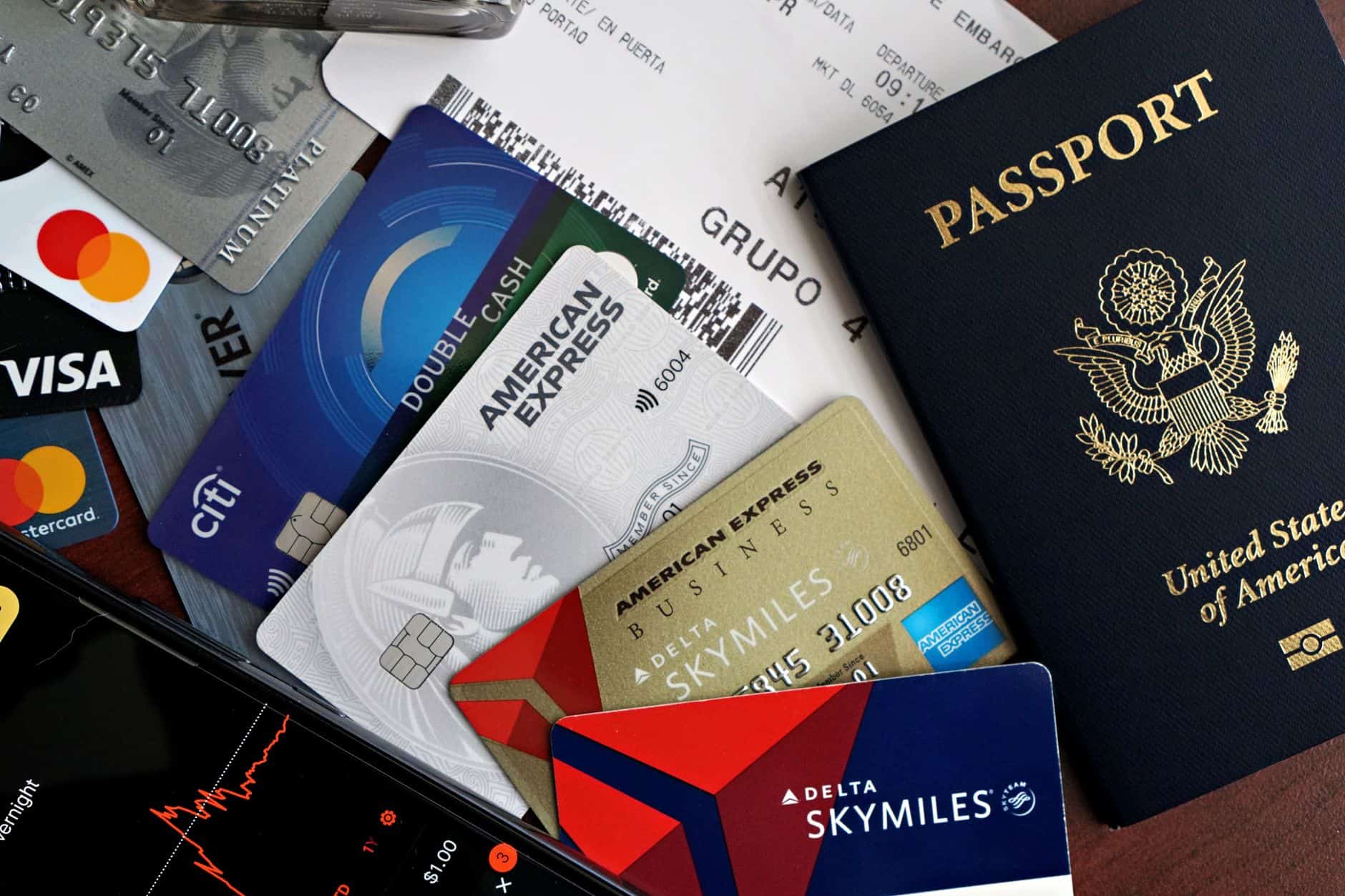
- Chase Sapphire Reserve and Amex Platinum Both cards earn transferable points that convert to airline miles for business and first class redemptions. The annual fees ($550 and $695 respectively) are offset by travel credits and lounge access for frequent flyers.
- Mileage Run Pricing Errors Airlines occasionally publish first and business class fares at economy prices due to IT errors. Sites like Secret Flying, The Flight Deal, and Airfarewatchdog alert subscribers when these appear. Act immediately — they’re corrected within hours.
- Last-Minute Upgrades Most major airlines now auction unsold premium cabin seats to eligible status holders in the 72–24 hours before departure. United’s upgrade bidding, Delta’s upgrade auction, and British Airways’ TravelUp system can put you in business class for $200–$400 above what you paid for economy.
- Corporate Rate Negotiation If you fly more than 20 times a year for business, your company may qualify for corporate rates that include complimentary or discounted upgrades. Most companies never ask for this. Yours might be leaving money on the table.
The Honest Verdict: When It’s Worth It and When It’s Not
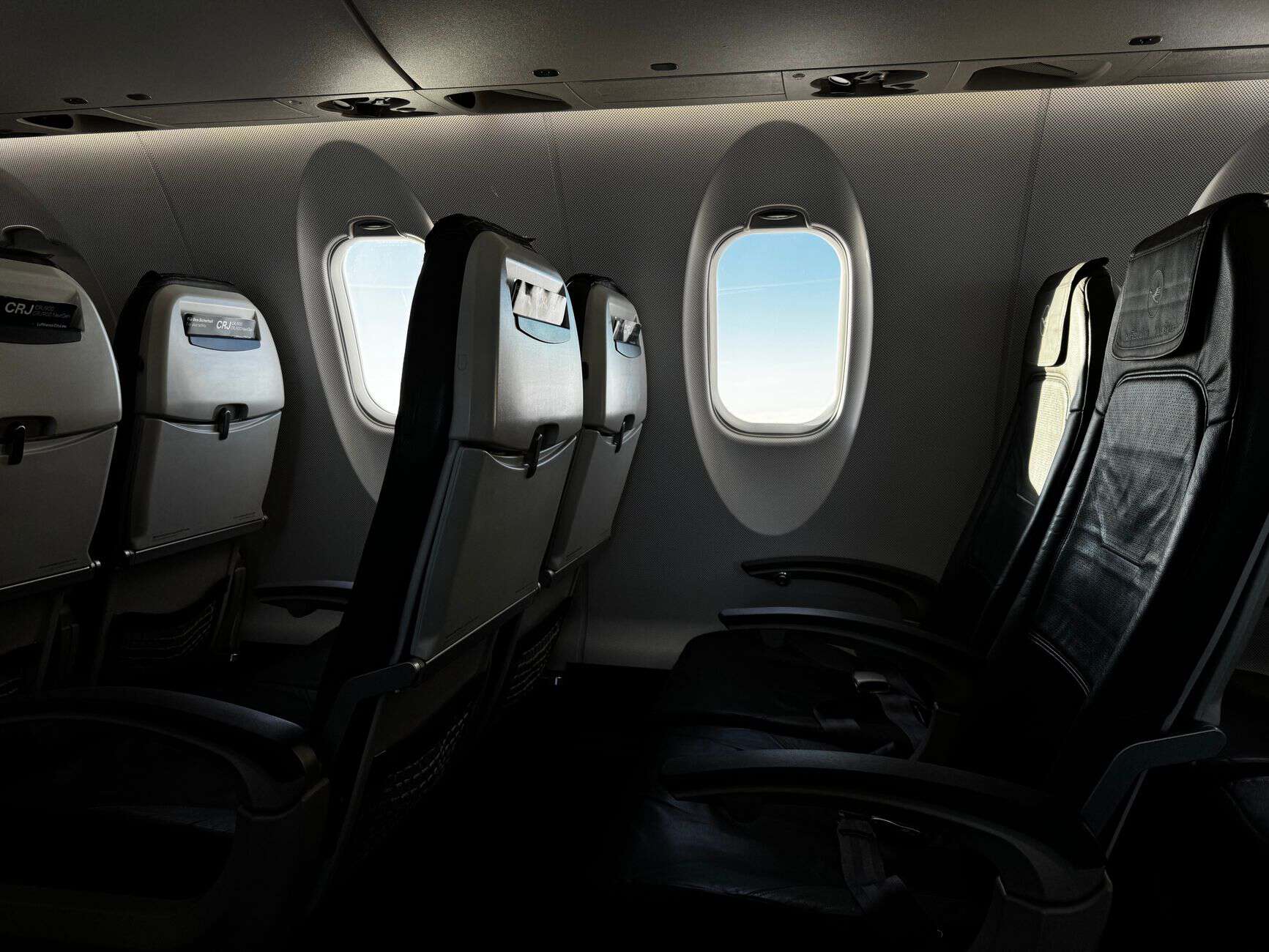
- Worth it International business class on flights over 8 hours when paid with points. First class on any flight over 12 hours for travelers with back problems or sleep issues. Domestic first class when the price difference is under $150 and the flight is over 4 hours.
- Not worth it Domestic first class at a $500+ premium on flights under 3 hours. Any premium cabin booked at full retail price that could be had for 40–60% less with advance points planning. “First class” on a regional aircraft where the seat is literally just the front row.
The romance of first class is real. The product, at its best, is genuinely extraordinary. But the word has been diluted to the point where booking anything labeled “first” requires you to read the fine print carefully.
Buy the lie-flat when you can get it with points. And when you can’t, economy plus a good neck pillow will get you there just fine.