I Almost Lost $3,400 to a Fake Airline Website — The New Travel Scam Nobody Is Warning You About
We may earn money or products from the companies mentioned in this post. This means if you click on the link and purchase the item, I will receive a small commission at no extra cost to you ... you're just helping re-supply our family's travel fund.
How the Scam Actually Works — Step by Step

The mechanics are disturbingly simple. A scammer creates a website that mirrors a real airline or hotel’s site almost perfectly — same logo, same color scheme, same booking interface, same language. They then pay Google to run a sponsored advertisement that puts their fake site at the very top of search results, above the real airline’s actual website. When you search for Delta Airlines book flight or Marriott customer service, the first thing you see might be their ad.
You click. You book. You enter your payment information. The site processes your card — often using a legitimate-looking payment portal — and sends you a confirmation email. The confirmation email looks real. It has a booking reference number, flight details, and branding consistent with the real airline. Everything about the experience feels authentic until you try to use it.
Some variants of the scam go a step further. Instead of simply taking your money and disappearing, the scammers will send a follow-up call or email claiming there is a problem with your booking and that you need to pay an additional verification fee or change fee to confirm your reservation. This second-hit extraction can push the total loss significantly higher. The FTC has documented cases where travelers paid multiple rounds of fees to fix fake bookings before realizing the entire enterprise was fraudulent.
Bitdefender’s cybersecurity researchers documented in March 2026 how scammers are also exploiting hijacked Google Ads accounts — meaning the ads sometimes run from real businesses’ compromised advertising accounts, which makes them appear even more credible to Google’s fraud detection systems. The sophistication of these operations has increased dramatically in the past 18 months.
The Fake Customer Service Number Trap

A related but distinct scam is exploding simultaneously. Travelers with real bookings — legitimate reservations on real airlines — search Google for the airline’s customer service phone number when they need to make a change or deal with a cancellation. Scammers buy sponsored ads for search queries like Delta customer service phone number or United Airlines change flight that put fake phone numbers at the top of results.
The UK consumer protection organization Which? documented a case in which a traveler searched for Virgin Atlantic’s contact number on her phone, clicked the top result — a sponsored click-to-call ad — was connected directly to a scammer posing as airline support, and was told her flight was at risk without an immediate payment. She approved a 370 pound credit card charge through her banking app. The confirmation that followed came from a third-party email domain. The money was gone, according to Bitdefender’s March 2026 reporting on the case.
This scam works because it intercepts travelers at their most stressed moment. You are dealing with a cancellation, a delay, a missed connection — you need help now. The scammer on the other end sounds professional, knows exactly what to say, and creates urgency that overrides your normal caution. Legitimate customer service agents do not pressure you to make immediate payments over the phone. Real airlines do not charge fees to rebook during their own operational delays. Those two rules alone will protect you from most phone-based travel scams.
The Red Flags That Reveal a Fake Site or Number
The good news is that fake travel sites and numbers share identifiable patterns. The challenge is that in the heat of a booking, people do not always slow down enough to look. Here is what to watch for, broken down by category.
On websites: The word Sponsored or Ad in the search results label is not itself a red flag — legitimate businesses advertise legitimately. But it is a signal to slow down and verify before you click through. Check the URL carefully: common fake airline URLs include subtle misspellings like booklng.com instead of booking.com, or expedia-support-deals.net. The real United Airlines website is united.com — nothing else. Delta’s is delta.com. Any variation, any hyphen, any extra word is suspicious. Look for a physical address and verifiable phone number on the site. If the booking confirmation arrives from a generic Gmail address or a domain that does not match the airline’s real URL, stop immediately.
On reviews: AI-generated review spam has become common on fake booking sites. Signs include reviews that all use similar language and structure, clusters of five-star reviews posted in a very short time window, and reviewer profiles with no history beyond a single review. A site that is genuinely trusted by travelers will have a diverse, specific, and sometimes critical review history.
On payment: Any request for payment via Venmo, Zelle, Cash App, wire transfer, or gift cards is a definitive scam signal. No legitimate airline, hotel, or travel booking platform accepts gift cards as payment for reservations. If someone on a customer service call tells you to purchase Apple gift cards to hold your booking, hang up immediately.
Why Google Ads Are the Perfect Delivery Mechanism
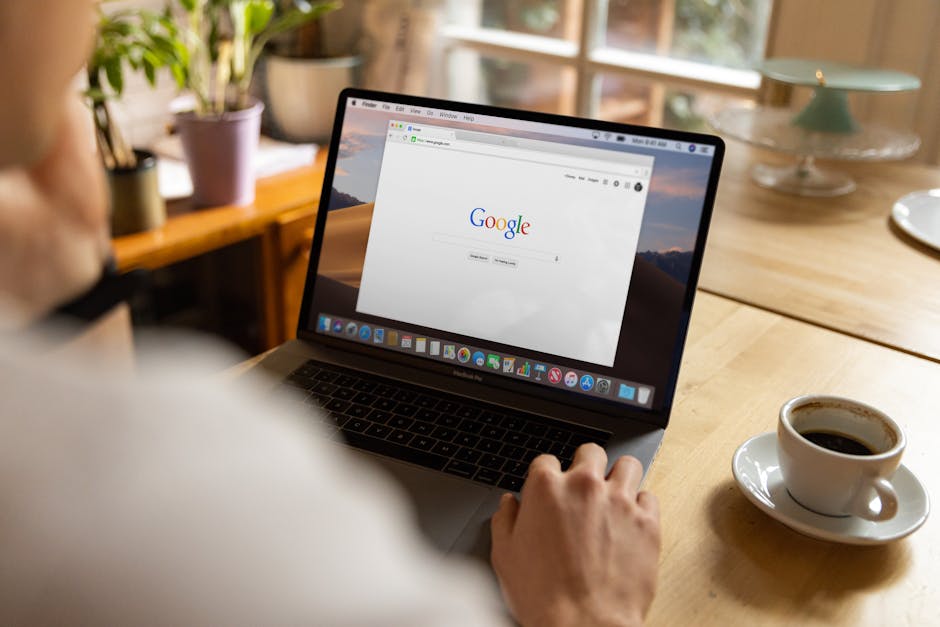
This scam is so effective specifically because of where it appears. We have been trained — correctly, for most of our digital lives — to trust the top results on Google. The implicit assumption is that Google has done some quality filtering. In practice, Google’s ad platform is largely self-service, and while Google does have fraud prevention systems, scammers have found ways to run convincing ads by purchasing legitimate accounts, using hijacked advertiser credentials, and structuring their sites to pass initial review before the fraud is reported.
The distinction between a sponsored result and an organic result is visually subtle — a small Sponsored label above the ad in a different font from the headline. On mobile, where the screen is smaller and the distinction even less clear, it is easy to miss entirely. The fact that scammers are specifically investing in paid ad campaigns tells you something important: the return on investment is high enough to justify the cost. They are making far more than they spend, because the approach works.
Until Google closes this loophole more aggressively, the only reliable defense is behavioral: never rely on search result position as a proxy for legitimacy. Always navigate to airline and hotel sites by typing the known URL directly into your browser, or by using a saved bookmark from a prior verified visit.
The Safe Booking Checklist — Follow This Every Single Time

I am going to make this as practical and specific as possible, because this is the section I want you to screenshot and keep on your phone.
Step one: Never click a sponsored ad to book travel. Type the airline’s or hotel’s URL directly into your browser. If you do not know it, search for it, then carefully read the URL before clicking — or use the brand’s official app.
Step two: Verify the domain exactly. Delta.com. United.com. AA.com. Southwest.com. Hilton.com. Marriott.com. Any variation is suspicious. Legitimate companies do not need hyphens in their domain names or extra words like support or deals.
Step three: Pay with a credit card — not a debit card, not a bank transfer, not a digital wallet for anything you cannot verify. Credit cards have dispute rights under the Fair Credit Billing Act that give you real leverage if you are defrauded. Debit cards offer far weaker protection, and Venmo and Zelle payments are essentially irreversible.
Step four: Look up any customer service number on the airline’s official website before calling, not in a search engine. Bookmark the pages. Screenshot the numbers. If you call and something feels off — pressure, unusual fees, payment requests — hang up and call back using the number on your actual booking confirmation.
Step five: Cross-reference your booking on the airline’s real website using your confirmation number. Every major airline allows you to look up a reservation by confirmation code. Do this within 24 hours of booking anything. If the confirmation number does not pull up a real reservation on the airline’s official site, call the airline immediately through a verified number.
Step six: If in doubt, check the Better Business Bureau’s Scam Tracker at bbb.org/scamtracker before using a site or number. The CAFC’s toll-free reporting line is 1-888-495-8501. The FTC accepts fraud reports at ReportFraud.ftc.gov.
What to Do If You Think You Have Already Been Scammed
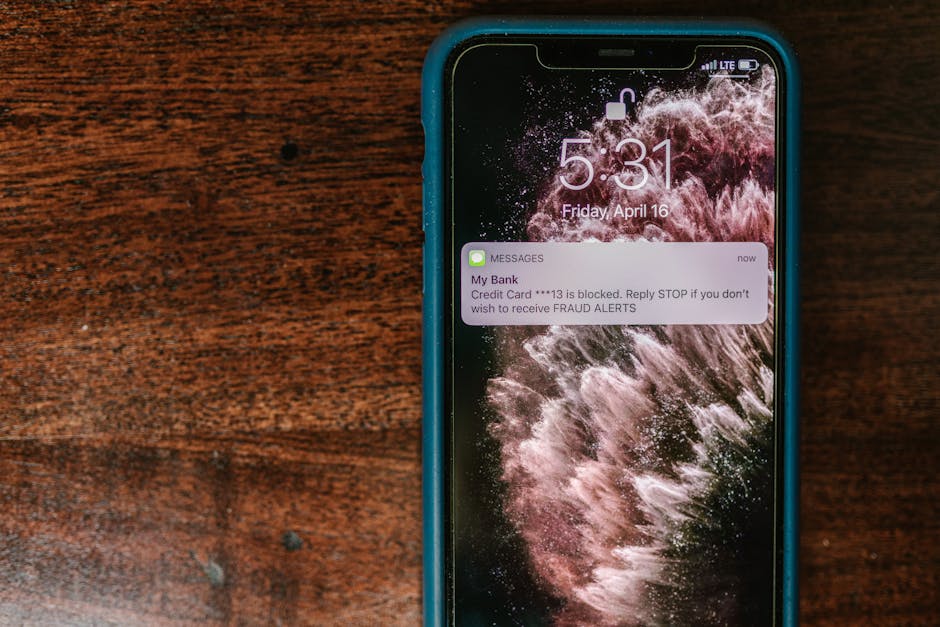
If you realize mid-process that something is wrong — you are on the phone with someone pressuring you for payment, or you submitted your card to a site that now seems suspicious — act immediately. Do not wait and hope it resolves itself.
Call your credit card company first. Dispute the charge and tell them you believe it is fraudulent. Most issuers have 24-hour fraud lines. If the payment has not yet posted, they may be able to block it. If it has posted, you have 60 days to file a dispute under FCBA rules for most cards. Do not delay past that window.
Change any passwords that may have been compromised. If you entered your airline frequent flyer login credentials on a fake site, assume those credentials are stolen. Change the password on that airline account and any account where you use the same password immediately.
Report the site or phone number. Google has a reporting mechanism for malicious ads at google.com/safebrowsing/report_phishing. The FTC at ReportFraud.ftc.gov and the CAFC both collect reports that help identify patterns and shut down scam operations faster. Your report genuinely helps other travelers avoid the same trap.
Document everything: screenshots of the site, the confirmation email, any text messages or call logs. You will need this for both your credit card dispute and any law enforcement report. The more documentation you have, the stronger your case.