We may earn money or products from the companies mentioned in this post. This means if you click on the link and purchase the item, I will receive a small commission at no extra cost to you ... you're just helping re-supply our family's travel fund.
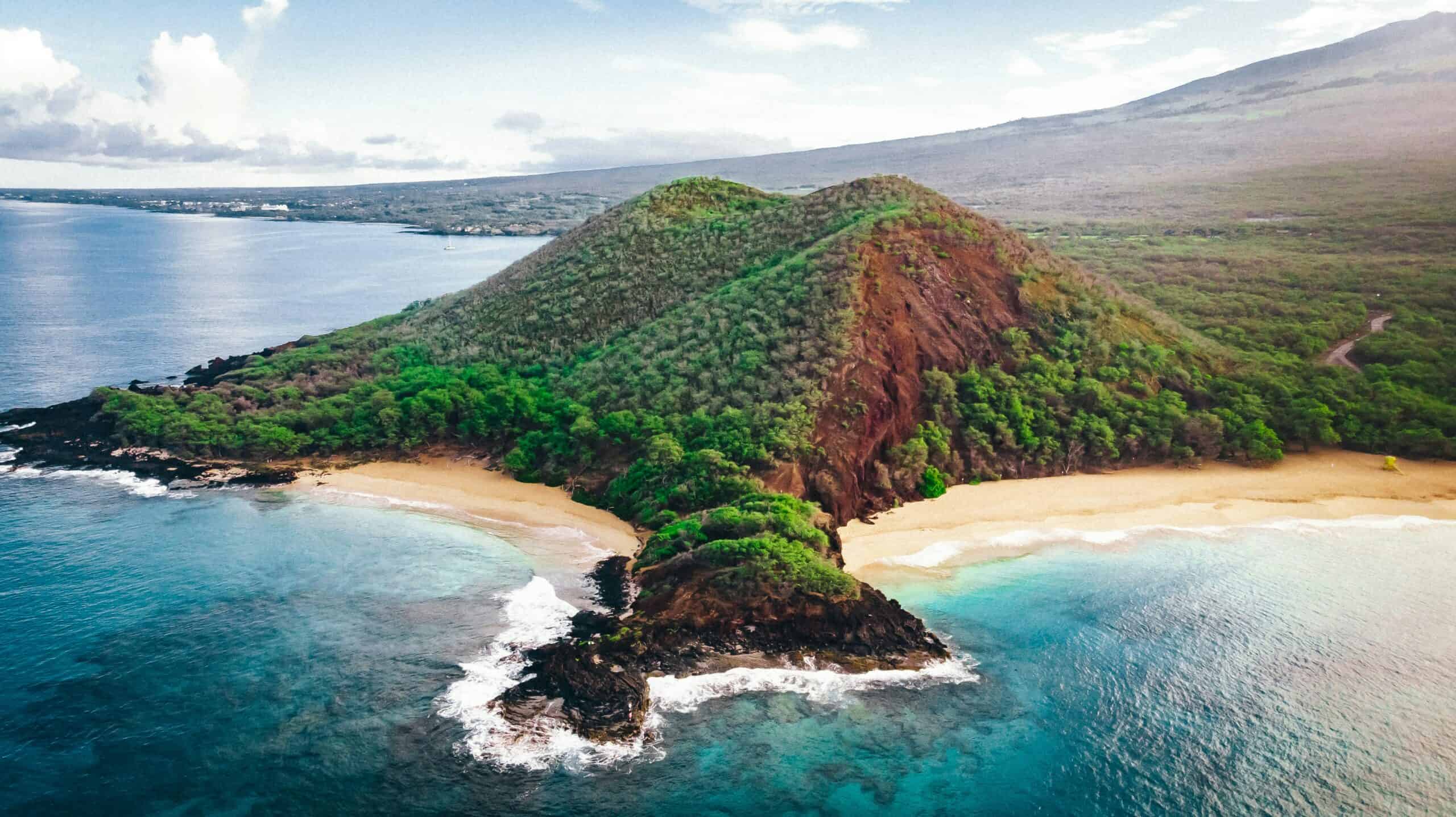
Travel planners, local officials, and conservation experts are describing a harder reality for famous destinations that once sold ease and escape. Prices are rising faster than many travelers expect, while heat, wildfire danger, reef stress, and strained infrastructure are changing what peak season feels like on the ground in places long marketed as effortless. The result is not a sudden collapse, but a steady shift toward shorter stays, more hesitation, and more travelers choosing simpler, cheaper alternatives when iconic trips start to feel unpredictable.
Venice, Italy
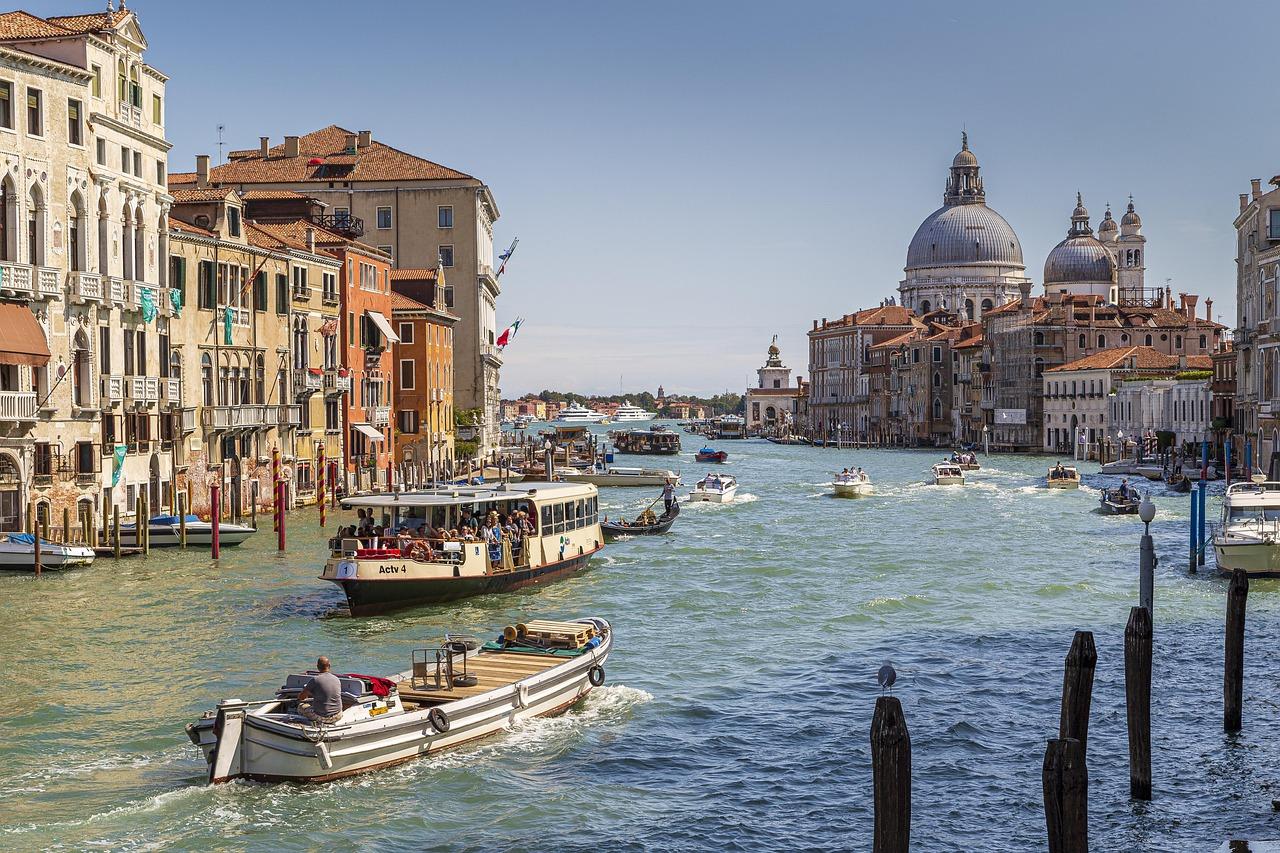
Venice still draws crowds, but the city is leaning harder on access controls and pricing to manage pressure at the busiest times of year. The access fee calendar now stretches across many spring and summer dates, and Reuters reported the system was expanded to 54 days with a higher last minute charge than the base rate, meaning a casual stop can cost more than many travelers expect before local transit and meals are added. That does not erase Venice’s appeal, but it does make spontaneous visits feel less simple for weekend travelers trying to keep costs under control.
Barcelona, Spain
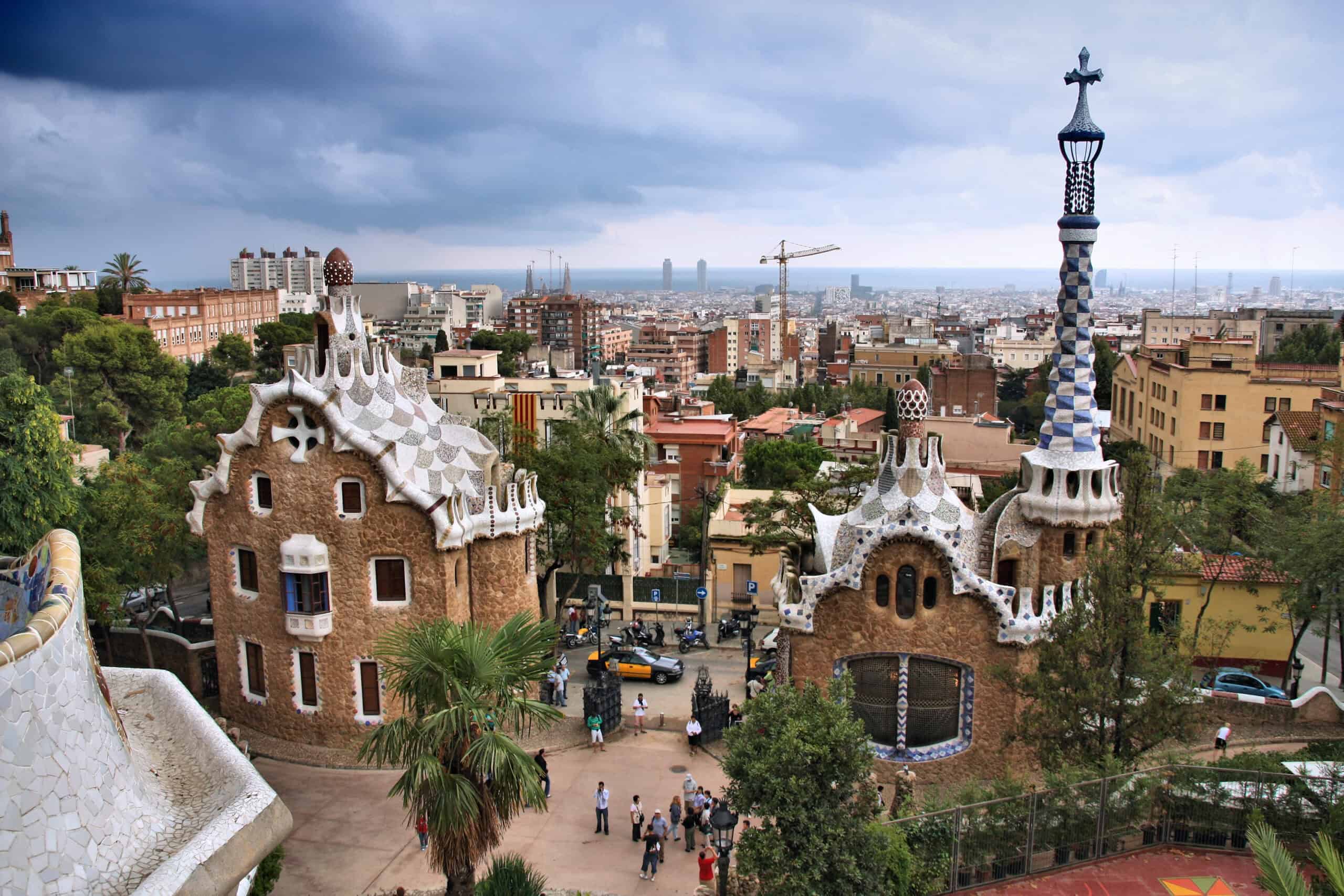
Barcelona remains magnetic, yet the cost conversation is now part of the destination itself, not just something travelers notice after booking. Reuters reported Catalonia delayed a higher tourist tax but still kept a plan that could push the daily levy to 15 euros, while Barcelona room rates rose faster than Spain’s average and housing pressure continued to drive local protests over the weight of tourism in central neighborhoods. Even moderate trips can feel expensive once taxes, lodging, and peak season pricing stack up day after day.
Athens, Greece
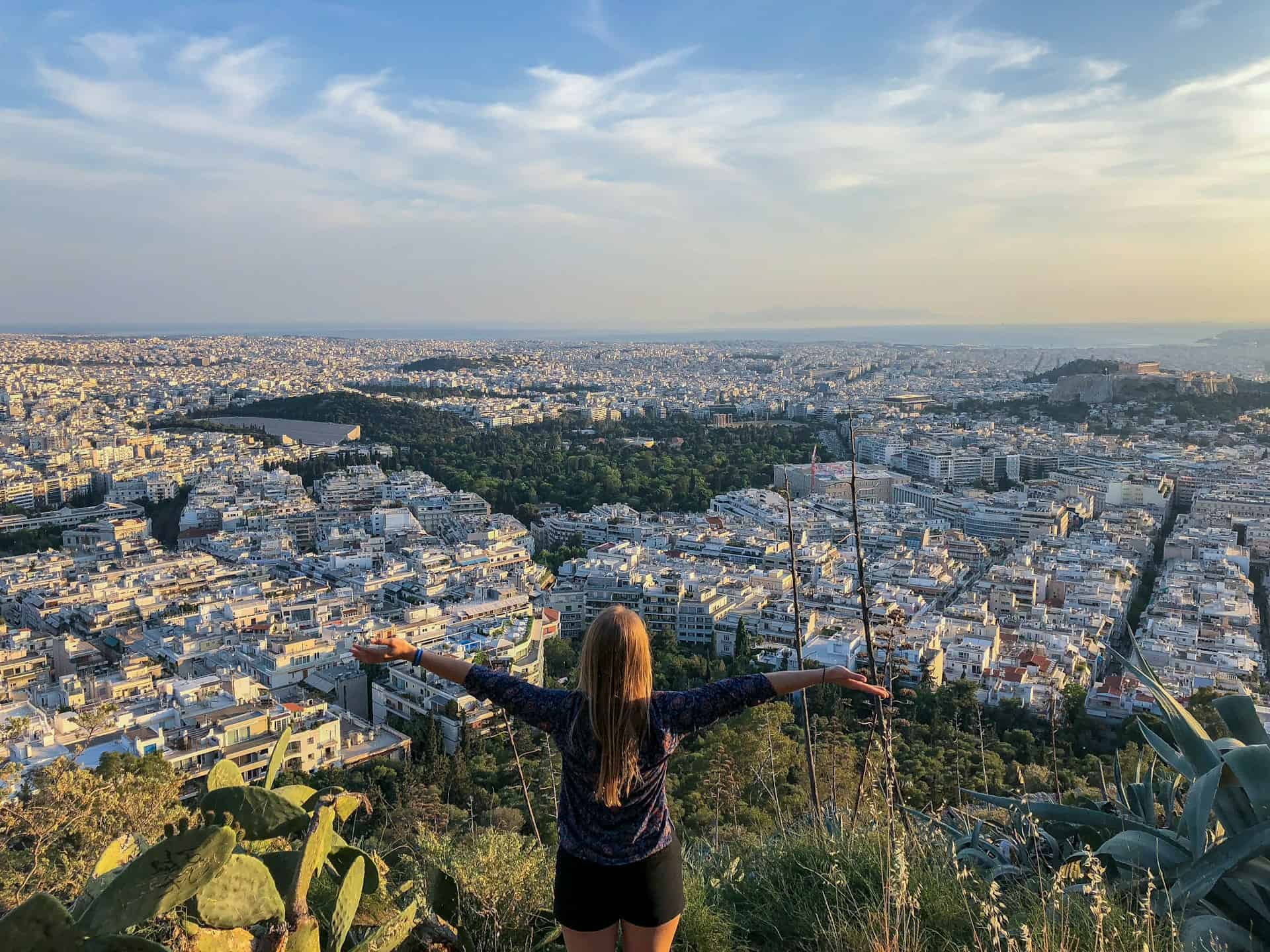
Athens carries two pressures at once, and both are reshaping how a classic summer city break works in practice. Greece’s official culture site lists a full Acropolis ticket at 30 euros, and Reuters documented Acropolis closures during a heatwave when temperatures reached about 38 C, showing how weather alerts now shape sightseeing plans as much as opening hours do. The city remains a cultural giant, but it now asks for tighter timing, stronger heat planning, and a bigger daily budget than many travelers expect.
Santorini And Mykonos, Greece
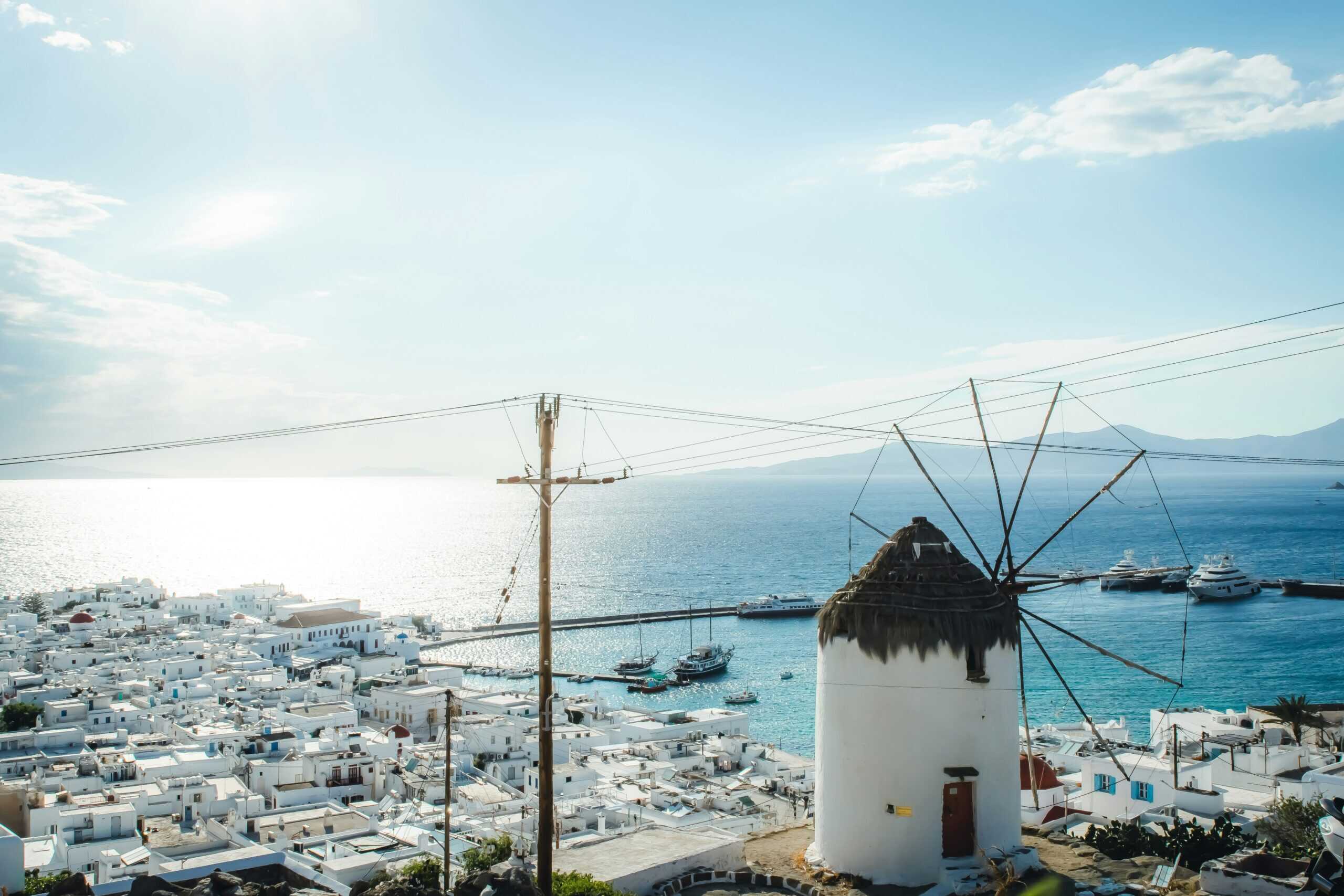
The Greek islands still photograph beautifully, but the public conversation has shifted from romance to limits, logistics, and local capacity. Reuters reported Greece planned a 20 euro peak season levy on cruise visitors to Santorini and Mykonos, while officials also discussed ship controls, environmental protections, and water shortage measures to protect local infrastructure during the busiest weeks. Those signals can nudge cost conscious travelers toward places that feel less crowded, less regulated, and easier to manage on a short schedule.
Maui, Hawaii
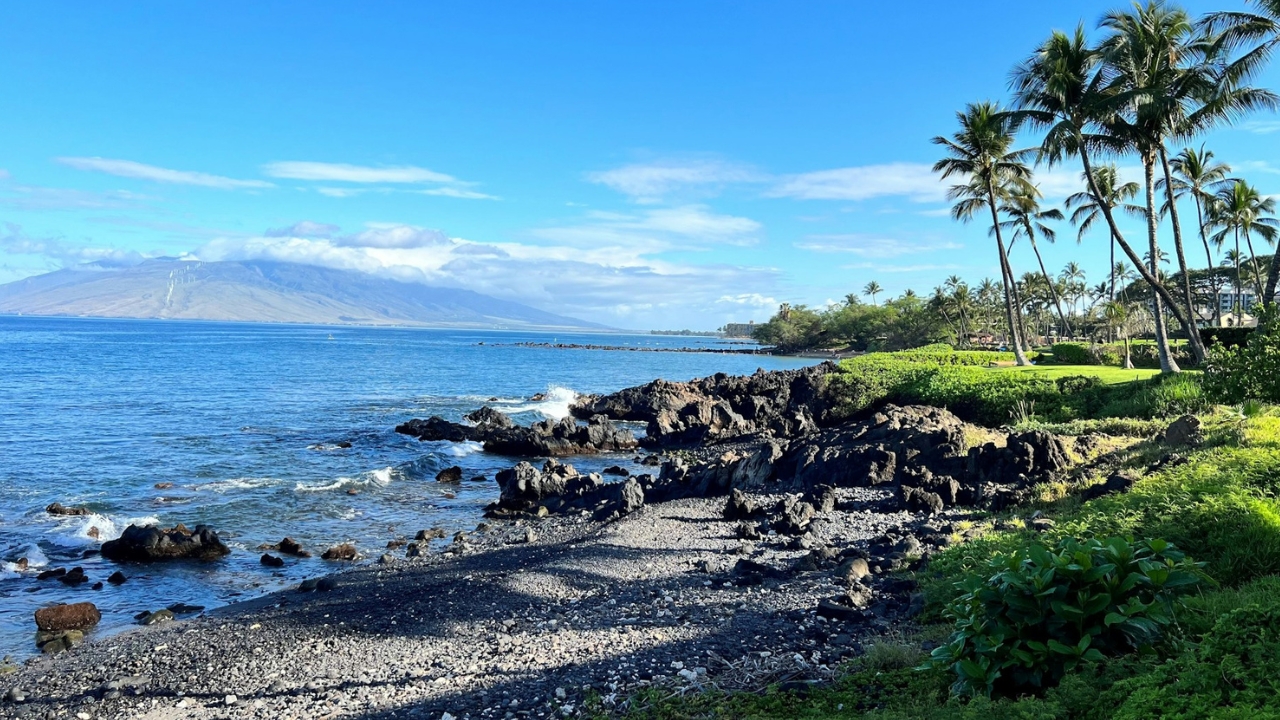
Maui shows how recovery can stay uneven even when a destination remains deeply loved and emotionally important to repeat visitors. Hawaii’s DBEDT reported July 2025 Maui arrivals were still far below July 2019, while spending stayed relatively strong, and state lodging reports showed Maui rates among the highest in Hawaii, pointing to fewer visitors carrying a higher average trip cost. Hawaii also raised visitor accommodation taxes to fund resilience work tied to erosion and wildfire risk, which makes the budget picture even tighter for families.
Iceland’s Reykjanes And The Blue Lagoon
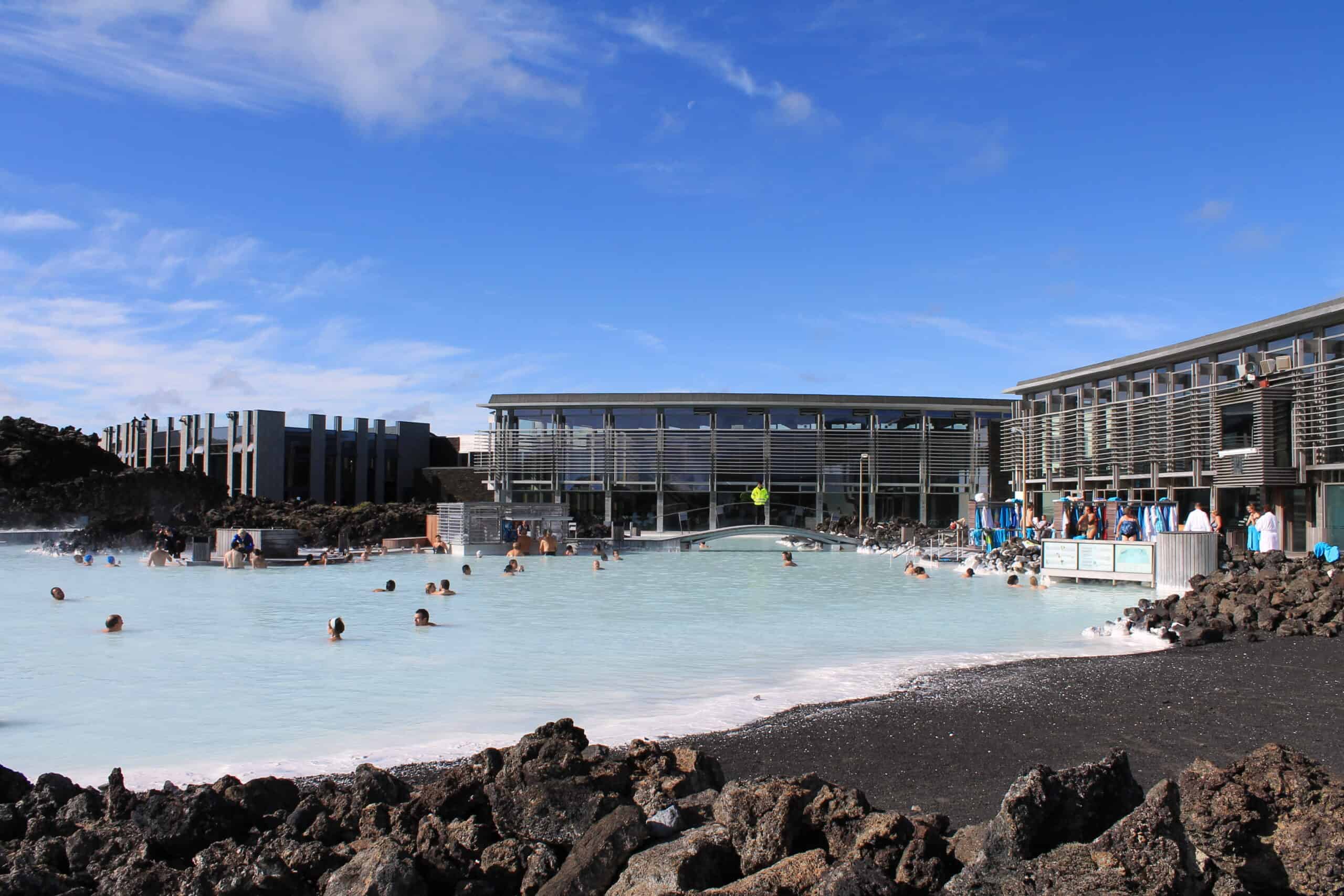
Iceland still has powerful demand, but the Reykjanes peninsula has become a planning puzzle instead of a simple stop for many first time visitors. Visit Reykjanes says 11 eruptions have occurred on the peninsula since 2021, with disruption concentrated near Grindavik, and officials continue to direct travelers to live safety guidance even when flights are operating. Add premium attraction pricing, with Blue Lagoon entry starting at a high base fare, and cost plus uncertainty can thin out flexible bookings fast.
Great Barrier Reef, Australia
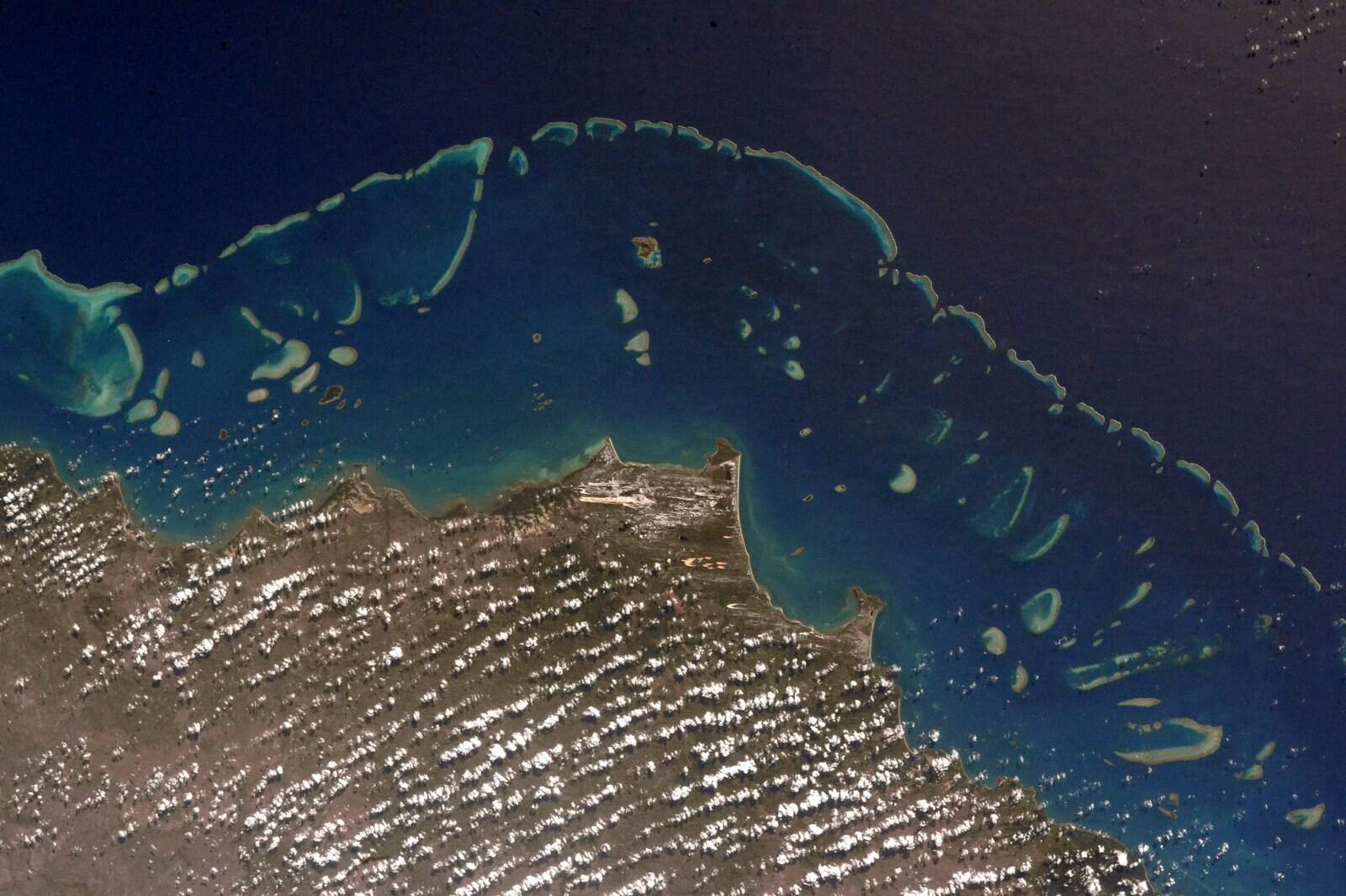
The Great Barrier Reef remains one of the world’s defining trips, which is exactly why warning signs matter so much to travelers and local operators. AIMS reported a mass bleaching event across all three reef regions in 2024 and noted shallow coral cover declines in the northern and southern sections after severe heat stress, underscoring how fast conditions can shift between booking and departure. When reef health and weather windows feel less predictable, many travelers wait rather than commit to an expensive boat based itinerary months ahead.
Galápagos Islands, Ecuador
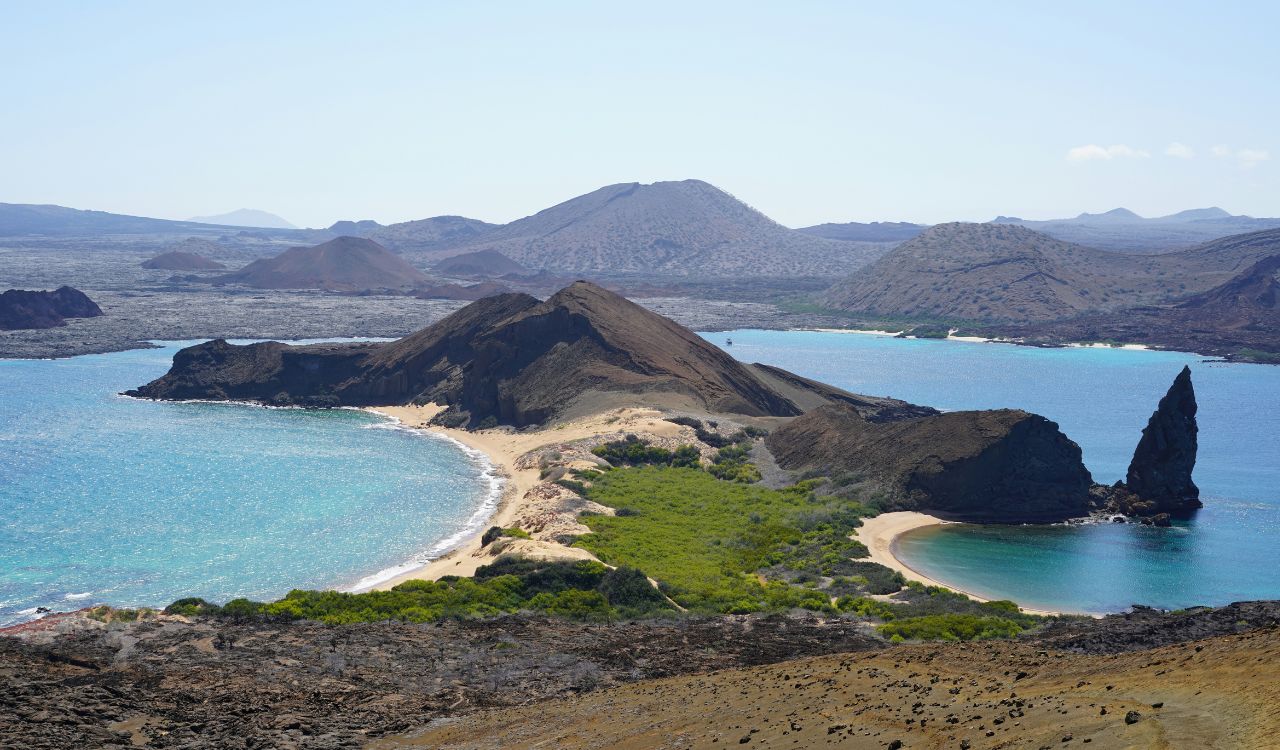
The Galápagos still represents a once in a lifetime journey, but the entry threshold is rising and the conservation message is getting stricter. Galápagos authorities announced a major protected area fee increase, including a rise to 200 dollars for many foreign visitors, to support management and local needs across an ecosystem that depends on careful limits. For travelers already budgeting inter island transport, guides, and park logistics, the higher starting cost can move the islands from a near term plan to a later, more deliberate trip.