Duluth Sits on the Coldest Great Lake — So Why Is Its Tourism Economy Growing So Fast?
We may earn money or products from the companies mentioned in this post. This means if you click on the link and purchase the item, I will receive a small commission at no extra cost to you ... you're just helping re-supply our family's travel fund.
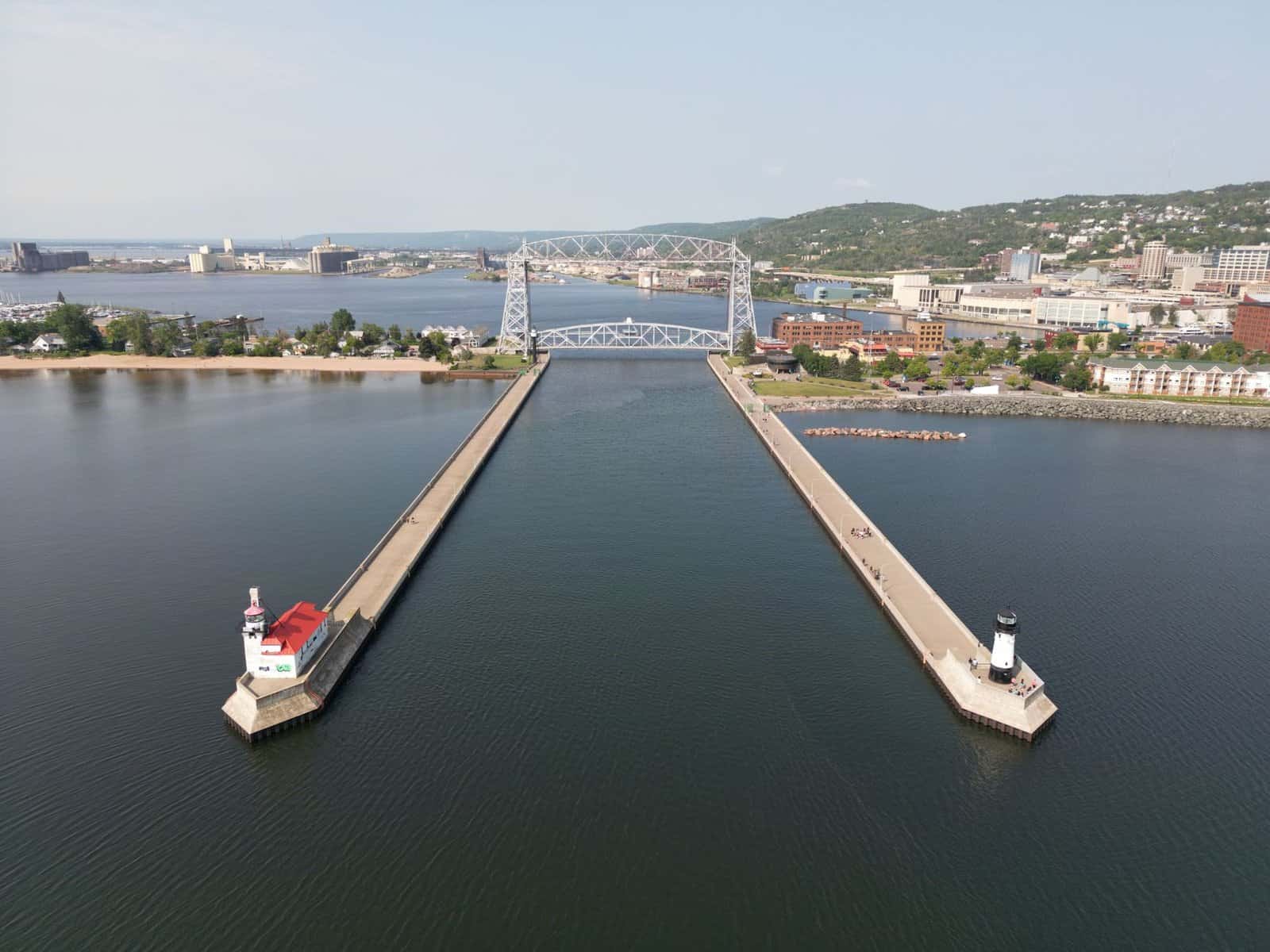
Duluth’s position on the shore of Lake Superior, the largest and coldest of the Great Lakes by volume, gives the city a genuinely dramatic waterfront setting that has driven a steady tourism boom over the past decade, anchored by the Aerial Lift Bridge, one of the only bridges of its kind still operating in the country, and a rebuilt lakewalk connecting downtown to Canal Park’s dense cluster of hotels and restaurants.
The city’s working-class shipping and iron ore export history remains visible throughout downtown, with massive ore docks and the Duluth Entertainment Convention Center’s maritime museum both drawing visitors interested in the industrial heritage that built the city long before tourism became a significant part of its economy.
Why Lake Superior Makes Duluth Different From Other Midwest Lake Towns
Lake Superior’s sheer size, larger than the entire state of South Carolina by surface area, gives it ocean-like characteristics rarely associated with a freshwater lake, including genuine waves large enough for a small local surfing community, sudden fog banks, and water so cold that even in August, swimming remains a brief and bracing experience rather than a leisurely afternoon activity.
The lake’s cold water temperature also drives a distinctive microclimate along Duluth’s shoreline, keeping summer temperatures noticeably cooler than inland Minnesota, a fact the city’s tourism board has increasingly marketed directly to visitors from hotter regions seeking relief during peak summer heat waves elsewhere in the country.
Canal Park’s Transformation From Industrial Waterfront to Tourist Anchor
Canal Park, once a working industrial waterfront tied directly to the shipping traffic passing beneath the Aerial Lift Bridge, has redeveloped over the past three decades into Duluth’s primary hotel and restaurant district, drawing heavily on ship-watching tourism, since massive lake freighters still pass through the canal regularly and draw crowds to the pierhead whenever a horn signals an approaching vessel.
The lift bridge itself, which raises its entire roadway deck rather than opening like a traditional drawbridge, has become the city’s signature landmark and a genuine functioning piece of maritime infrastructure that happens to double as one of the most photographed spots in Minnesota.
The Trail System That Turned Duluth Into an Outdoor Destination
The Superior Hiking Trail, which runs along the ridgeline above Lake Superior for over 300 miles from Duluth to the Canadian border, has become one of the Midwest’s most respected long-distance hiking routes, drawing serious backpackers to a region most people associate primarily with lake views rather than genuine wilderness trekking.
Duluth’s extensive mountain biking trail network, built into the hillsides above downtown, has developed a strong enough regional reputation that the city has hosted national-level mountain biking competitions, a somewhat unexpected identity for a city still primarily known for its shipping history and cold-water lake views.
What Rising Visitor Numbers Have Meant for the City
Hotel tax revenue in Duluth has grown substantially over the past decade as visitor numbers climbed, funding continued investment in the lakewalk and downtown infrastructure in a virtuous cycle city officials have actively encouraged through sustained tourism marketing efforts.
Local housing advocates have raised concerns about short-term rental growth in neighborhoods near Canal Park pushing up costs for year-round residents, a tension familiar to lake and coastal towns nationally but one that arrived in Duluth only relatively recently compared to more established tourist destinations elsewhere in the country.
Winter Tourism’s Growing Role in Duluth’s Economy
Duluth has increasingly marketed its winter season directly to visitors rather than treating it purely as an off-season lull, promoting cross-country skiing, fat biking on snow-packed trails, and the dramatic sight of Lake Superior partially freezing along its shoreline as a distinct seasonal draw separate from the city’s summer waterfront identity.
Nearby Spirit Mountain offers downhill skiing and snowboarding within the city limits, giving Duluth a rare combination of urban amenities and genuine ski access that few other Midwest cities of comparable size can match, a combination local tourism officials have started promoting more aggressively to winter sports enthusiasts.
The Shipping Industry That Still Runs Alongside the Tourism Economy
Duluth remains one of the busiest inland ports in the country by cargo tonnage, with massive lake freighters still hauling iron ore, coal, and grain through the city’s harbor even as the surrounding waterfront has increasingly reoriented toward tourism, creating an unusual coexistence between heavy industrial shipping and a growing visitor economy within the same compact harbor area.
This working port identity gives Duluth’s tourism experience a rawer, more industrial authenticity than most Great Lakes tourist towns offer, since visitors watching an actual thousand-foot ore carrier pass beneath the Aerial Lift Bridge are witnessing genuine, functioning commercial shipping activity rather than a purely decorative maritime theme built for tourists.
Local tourism officials have leaned into this working-port identity rather than downplaying it, correctly betting that visitors increasingly value authentic, functioning places over manufactured tourist environments built purely for visitor consumption.
City officials have specifically resisted proposals to relocate shipping operations away from the downtown waterfront, arguing the working harbor’s visibility is itself part of what makes Duluth’s tourist experience feel distinct from more manufactured Great Lakes destinations.
Visitors consistently describe this working-harbor backdrop as one of the most memorable parts of a Duluth trip, a reaction local tourism officials have taken as validation of their decision to lean into the city’s industrial identity rather than hide it.
That authenticity has become a genuine competitive advantage for Duluth as visitors increasingly seek out destinations that feel lived-in and real rather than purpose-built entirely for tourist consumption.
Visitors researching a Duluth trip now regularly encounter this working-port framing directly in official tourism marketing materials, a deliberate choice that has clearly resonated with travelers seeking something more genuine than a typical lakeside resort town.