Clarksdale, Mississippi Is Where the Blues Was Born. It’s Also One of the Poorest Places in America
We may earn money or products from the companies mentioned in this post. This means if you click on the link and purchase the item, I will receive a small commission at no extra cost to you ... you're just helping re-supply our family's travel fund.
The Mississippi Delta produced more of the raw material of American music than almost any comparable stretch of land on earth, and it did so out of some of the most persistent rural poverty in the country. Clarksdale, a town of a little over 14,000 people at the crossroads of Highway 61 and Highway 49, is where Muddy Waters grew up, where Robert Johnson is said to have made his legendary deal, and where the Delta Blues Museum now occupies a former freight depot a few blocks from storefronts that have sat empty for decades. This contradiction, world-historic cultural output next to visible, ongoing economic hardship, is not incidental to the Delta’s story. It is the story.
Music That Came Directly Out of the Cotton Economy
The blues did not emerge from the Delta by coincidence. It emerged from sharecropping, from Black farm laborers working land they did not own under a plantation system that had replaced slavery with a debt structure that functioned almost as restrictively, according to the history laid out by NPR’s coverage of the Mississippi Delta’s blues and civil rights history. Work songs, field hollers, and church music combined into something new in the juke joints that dotted the Delta’s plantation towns, places where laborers could gather after a week of picking cotton and where a single guitarist with an open tuning and a bottleneck slide could hold a room. Robert Johnson, Muddy Waters, Son House, John Lee Hooker, and Howlin’ Wolf all came out of this specific stretch of Mississippi, and their sound, once it migrated north to Chicago with the Great Migration, became the direct ancestor of rock and roll.
The economic system that produced the blues did not disappear when the music left. Mechanization of cotton farming in the mid-20th century eliminated the labor demand that had sustained the Delta’s population, and the region has been losing people and jobs in the decades since. The Delta today remains one of the most persistently poor regions in the United States, a fact that sits uneasily next to its status as a globally recognized cultural pilgrimage site, covered in depth by Explore Parts Unknown’s feature on Mississippi, which argues that visitors who come only for the music and skip the region’s history are getting an incomplete, almost sanitized version of what the Delta actually is.
A Downtown Rebuilt Around Blues Tourism
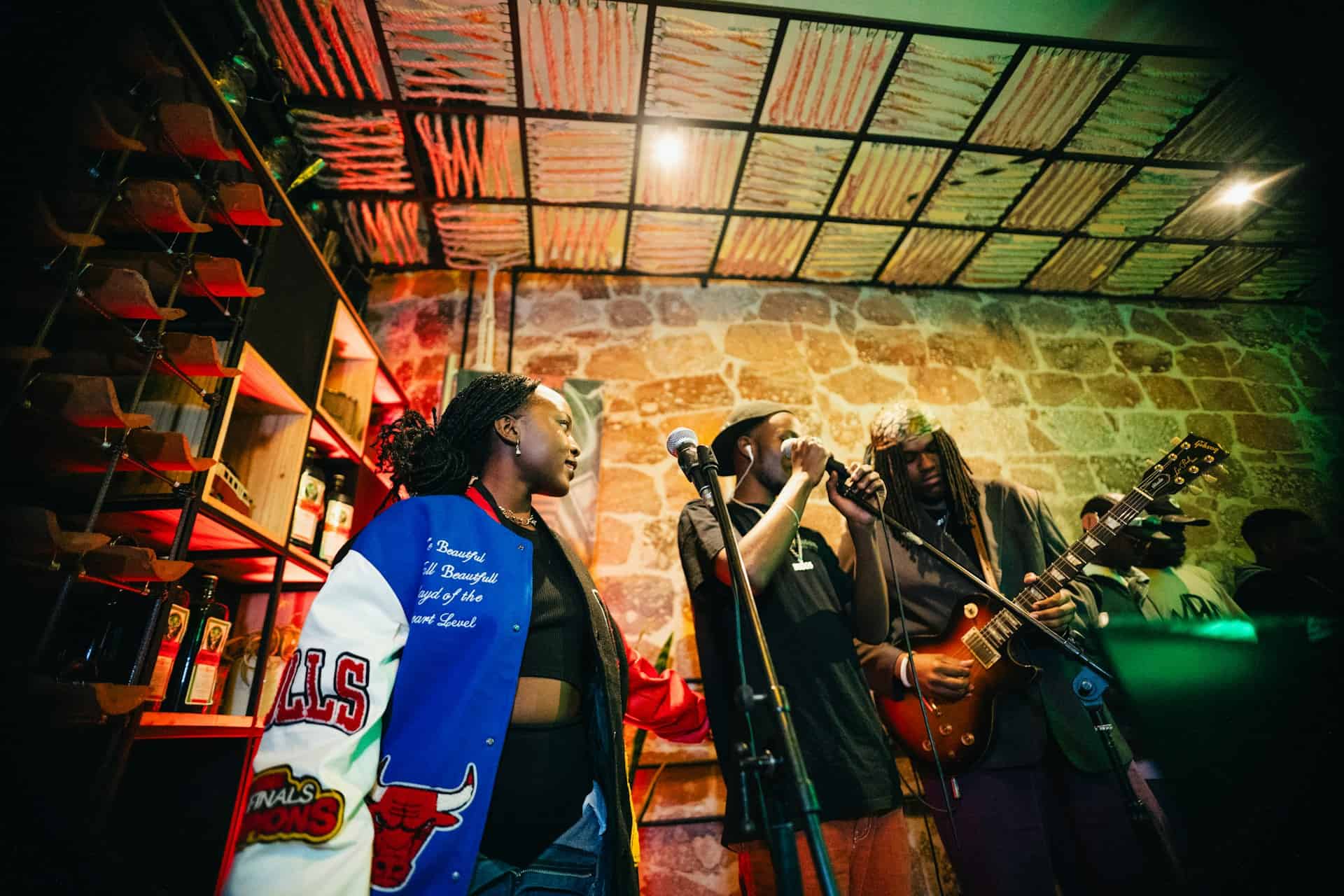
Clarksdale’s specific response to decades of population loss has been to lean fully into blues tourism as an economic strategy, an approach documented in a Thesis Eleven review of a book on downtown revitalization and Delta blues in Clarksdale. The Delta Blues Museum, Ground Zero Blues Club (co-owned by actor Morgan Freeman), and an annual calendar of blues festivals draw visitors from Europe and Japan as reliably as from elsewhere in the United States, an international pilgrimage circuit built around a handful of crossroads towns that most domestic American travelers have never had a reason to visit.
- Clarksdale’s population sits a little over 14,000, down from a mid-20th-century peak
- The Delta Blues Museum occupies a former freight depot near the Highway 61 and 49 crossroads
- Muddy Waters, Robert Johnson, Son House, and John Lee Hooker all have direct ties to Coahoma County and the surrounding Delta
- Ground Zero Blues Club, co-owned by Morgan Freeman, anchors downtown Clarksdale’s live-music economy
Why the Contradiction Doesn’t Resolve Easily
The tension in Clarksdale, and across Delta towns like Greenwood and Indianola, is that blues tourism generates real revenue without coming close to reversing the region’s underlying economic decline. A visitor can spend an evening at a juke joint, buy a t-shirt at the Delta Blues Museum gift shop, and eat at one of the handful of restaurants that have opened specifically to serve that visitor, all while driving past neighborhoods with genuine, visible poverty that the tourism dollars barely touch. Mississippi’s own education and history institutions have spent recent years publicly wrestling with how the state teaches this history at all, a debate covered by Governing Magazine, which is itself a sign of how unresolved the reckoning with the Delta’s past remains even as its music gets celebrated worldwide.
Why the Music Never Translated Into Broad Local Wealth
The gap between Clarksdale’s cultural output and its economic reality traces back to the Delta’s plantation-era economic structure, which concentrated land ownership among a small number of families for generations and left most of the Black population that created the blues with no ownership stake in either the land or, later, the music industry that grew from their work. Mechanization of cotton farming in the mid-20th century then eliminated most of the agricultural labor that had at least provided steady, if poorly paid, work, triggering the Great Migration that emptied much of the Delta’s Black population northward and left towns like Clarksdale with a shrinking tax base and eroding infrastructure just as the blues itself was becoming globally famous through the very artists who had left.
Tourism tied to blues heritage has become one of the Delta’s few growth industries, with juke joints, the Delta Blues Museum, and the Crossroads marker drawing visitors from around the world, but heritage tourism revenue in a town of a few thousand people cannot replace the kind of broad-based employment base that agriculture and manufacturing once provided regions of similar size. The result is a genuinely strange economic profile: a place whose cultural export has generated billions of dollars in music industry value globally, while the town that produced it remains among the poorest in the country by nearly every standard measure.
None of this makes the Delta a place to avoid. If anything, it makes it a more essential place to actually visit rather than skip over on the drive between Memphis and New Orleans, provided the visit includes some honest reckoning with why the music sounds the way it does. The Visit Clarksdale tourism office has increasingly framed the town’s pitch around exactly that combination: come for the music, but understand that the music came from somewhere specific, and that somewhere has not finished dealing with its own history.