Cedar Key Has About 800 Residents and Grows Most of Florida’s Farmed Clams. Here’s Where to Eat Them on the Island
We may earn money or products from the companies mentioned in this post. This means if you click on the link and purchase the item, I will receive a small commission at no extra cost to you ... you're just helping re-supply our family's travel fund.
Cedar Key is a small island town on Florida’s Gulf Coast, with about 800 residents. Despite its size, it is the center of Florida’s clam-farming industry, producing more than 90 percent of the state’s farmed hard clams. For food-minded travelers, Cedar Key clams are the main reason to make the trip.
Here is where to eat them: Tony’s Seafood Restaurant on Second Street is known for clam chowder that has won national competitions. Steamers Clam Bar and Grill serves steamed clams, clam fritters, and other dishes. The historic Island Hotel, built in 1859, serves seafood in a historic setting. Dock Street restaurants, perched over the water, offer clams with a view. The island’s clam industry is a story of reinvention, and eating the product is the best way to understand it.
Where to Eat Clams on the Island
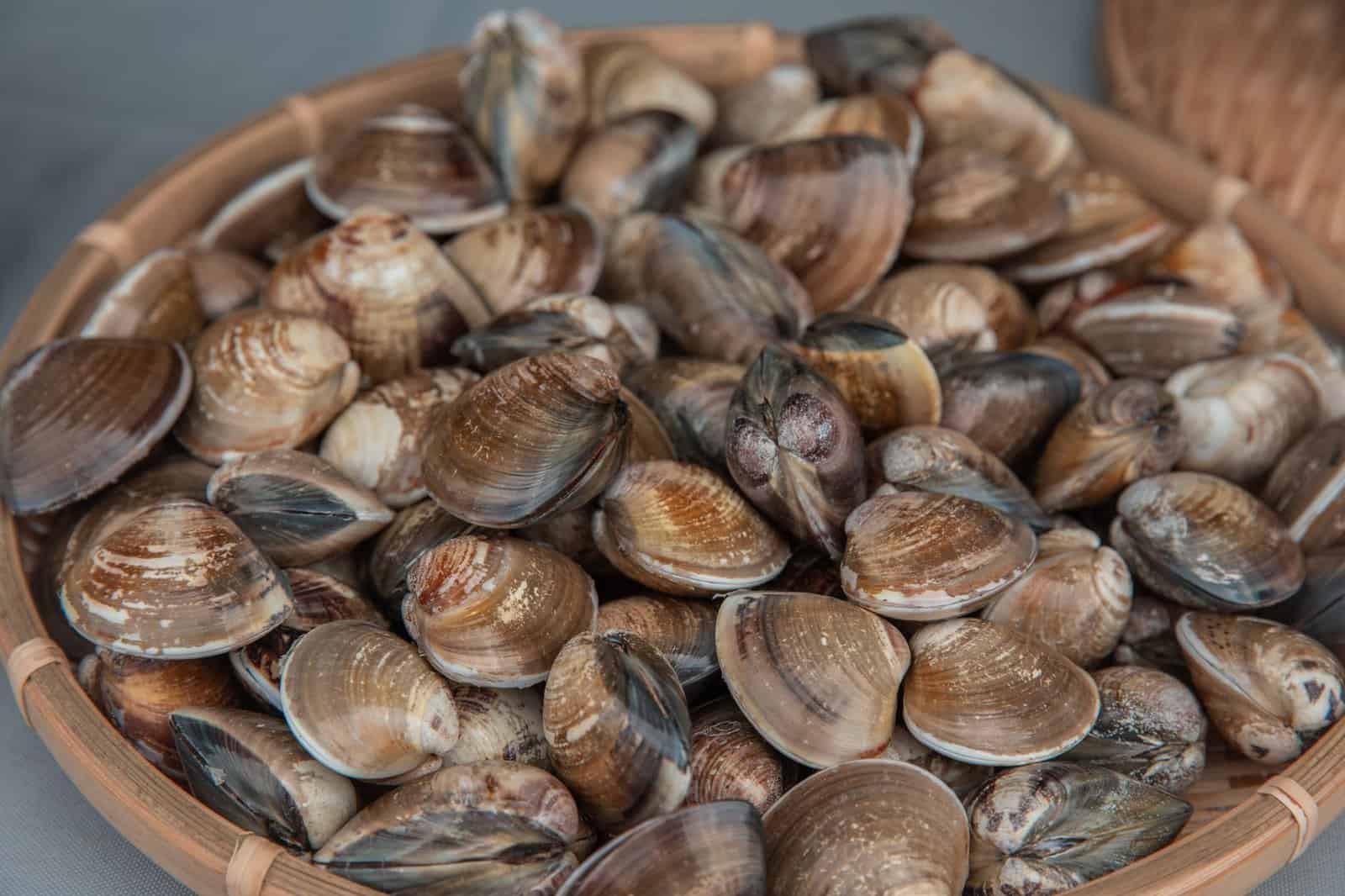
Cedar Key has a small but strong food scene, and clams show up on nearly every menu.
Tony’s Seafood Restaurant
Tony’s is the most famous restaurant on the island, thanks to its clam chowder. The chowder has won top honors at the Great Chowder Cook-Off in Newport, Rhode Island, a national competition. Tony’s also serves steamed clams, clam linguine, and other seafood dishes. The restaurant sells its chowder in cans, which make good souvenirs.
Steamers Clam Bar and Grill
Steamers is a casual spot on Dock Street, with views of the Gulf. It serves steamed clams by the pound, clam fritters, and other seafood. It is a good place to try clams in their simplest form.
The Island Hotel
The Island Hotel dates to 1859 and is one of the oldest buildings in Cedar Key. Its restaurant serves seafood, including clams, and its historic setting adds to the experience. The hotel also offers rooms for overnight guests. Check for current dining hours, as they can vary.
Dock Street Restaurants
Dock Street, which runs along the waterfront, has several restaurants built on pilings over the water. Many serve clams, oysters, and other local seafood. They are popular spots for watching the sunset.
Local Seafood Markets
Several seafood markets on the island sell fresh clams to take home or cook in a rental. If you are staying in a vacation rental with a kitchen, buying clams to steam yourself is a great way to enjoy them.
How Cedar Key Became Florida’s Clam Capital
Cedar Key has a long history of fishing. For generations, families made a living from the Gulf, catching mullet, trout, and other fish with nets.
That changed in the 1990s. In 1994, Florida voters approved a constitutional amendment banning large gill nets in state waters, and the ban took effect in 1995. The net ban was meant to protect fish populations, but it put many commercial fishermen out of work.
In response, state and federal programs helped retrain fishermen as clam farmers. The shallow waters around Cedar Key, with their clean water and good tidal flow, proved ideal for growing hard clams. Farmers lease underwater plots, plant young clams called seed, and raise them in mesh bags on the seabed until they reach market size.
Today, clam farming is the backbone of Cedar Key’s economy. The island’s clams are shipped across the country, and the industry supports many local jobs.
What Makes Cedar Key Clams Different
Cedar Key clams are hard clams, the same species often called littlenecks or cherrystones in other parts of the country. Many farmers raise them to a small size, which makes them tender and sweet.
The clams grow in the clean, salty waters of the Gulf, which gives them a briny flavor. Because they are farmed, they are available year-round, unlike wild clams, which can be seasonal.
Other Things to Do in Cedar Key
Cedar Key is a quiet, slow-paced town. Beyond eating clams, visitors can:
- Visit Cedar Key Museum State Park, which tells the story of the island’s history.
- Explore the Cedar Key Historical Society Museum in town.
- Paddle or boat to the Cedar Keys National Wildlife Refuge, a group of islands that are home to birds.
- Walk the downtown streets, with shops, galleries, and historic buildings.
- Fish from the City Pier.
- Watch the sunset from Dock Street.
When to Visit
Cedar Key is pleasant year-round, but fall and winter offer cooler weather and fewer crowds. The town hosts several events throughout the year, including the Cedar Key Seafood Festival in October and the Cedar Key Spring Arts Festival.
Getting There
Cedar Key is about 60 miles southwest of Gainesville and about 130 miles north of Tampa. The drive passes through rural farmland and forests. The island is reached by a causeway, Florida State Road 24.
Where to Stay
Lodging options include small hotels, inns, and vacation rentals. The Island Hotel is a historic option. Book early for weekends and festival dates.
How a Clam Goes From Seed to Plate
Clam farming in Cedar Key follows a clear cycle. Farmers buy tiny clam seed from hatcheries, then grow it in nursery systems until it is large enough to plant. The young clams go into mesh bags that are staked to the bottom on leased plots in the shallow waters around the island. The bags protect the clams from predators such as crabs, rays, and fish while letting seawater flow through.
The clams feed by filtering plankton from the water, so farmers do not need to feed them. Over a period of many months, often around a year or more, the clams grow to market size. Farmers then pull the bags at low tide or by boat, wash and sort the clams by size, and send them to processing and shipping facilities on the island. From there, many are trucked to restaurants and markets across the country.
Because the clams filter water as they grow, clam farms depend on clean water. Cedar Key’s location, away from major cities and heavy industry, is one reason it works well for aquaculture.
Ordering Cedar Key Clams Like a Local
Clams show up on island menus in many forms. A few to look for:
- Steamed clams, often served with butter and garlic. This is the simplest way to taste their flavor.
- Clam chowder. Tony’s version is the most famous, but other restaurants serve their own.
- Clam linguine or pasta dishes with white wine and garlic.
- Clam fritters or fried clams.
- Clams cooked on a grill or baked with toppings.
If you are unsure, ask your server what came in that day and how the kitchen recommends ordering it. Many restaurants are happy to talk about where their clams come from.
Cooking Clams in a Rental
Many visitors to Cedar Key stay in vacation rentals with kitchens. Steaming clams at home is simple. Rinse the clams in cold water and discard any with cracked shells or that stay open when tapped. Put them in a large pot with a little water, wine, or broth, cover, and cook over high heat until the shells open, usually a few minutes. Discard any that do not open. Serve with melted butter, lemon, and bread.
The Island’s Fishing Past
Before clams, Cedar Key’s economy went through several booms. In the 1800s, the island had a railroad terminal and a busy port, and it was known for pencil production, using local red cedar. Later, fishing became the main industry. Cedar Key Museum State Park and the Cedar Key Historical Society Museum explain this history, from the railroad era to the shift to clam farming. Visiting one of them before dinner adds context to your meal.
Visiting Cedar Key in Late Fall
November and December are good months for a clam-focused trip. The summer heat is gone, crowds are smaller after the October seafood festival, and the clam harvest continues year-round because the shellfish are farmed. Evenings can be cool and breezy on the water, so bring a jacket for sunset on Dock Street. Many restaurants keep shorter hours in the off-season and may close one or two days a week, so check before driving out. Since Cedar Key sits at the end of a long rural road, it is worth confirming your dinner plans in advance.
The island is also a good base for birdwatching in late fall and winter, when migratory shorebirds and wading birds gather on the flats and around the Cedar Keys National Wildlife Refuge. Local outfitters offer boat and kayak trips, weather permitting.
Supporting the Clam Farmers
Buying and eating local clams is the simplest way to support Cedar Key’s farmers. When you order, ask whether the clams were grown on the island. Some shops sell clams packed for travel, and a few businesses ship them. Respect the leased farm areas in the water around the island, too. Boaters and paddlers should avoid running aground on marked clam leases or disturbing the bags, since each one represents months of a farmer’s work.
Why Cedar Key Is Worth the Trip
Cedar Key offers a glimpse of an older Florida, with weathered buildings, quiet streets, and a strong connection to the water. Its clam industry is a success story, turning a crisis into a new way of life. For visitors, a bowl of chowder or a plate of steamed clams is a delicious way to experience it.